
Solutionreach alternatives
8 products to explore · 2026
Your shortlist, at a glance.
Read the comparisons ↓
Check each product’s website for current pricing and features. A verified badge indicates a verified listing, not a ranking.
About Solutionreach and its alternatives
Users searching for Solutionreach alternatives typically need patient engagement platforms that automate appointment reminders, two-way texting, insurance checks, digital intake, and payments while integrating with existing PM/EHR systems. Solutionreach has served over 50,000 practices for more than 20 years with HIPAA-compliant automation that reduces no-shows and accelerates revenue cycles for dental, eye care, medical, and enterprise groups. Alternatives often appeal to practices seeking different pricing structures, simpler onboarding, or specialized features for smaller clinics versus large DSOs. When evaluating replacements, consider how well each tool matches Solutionreach's recall automation, batch messaging, and end-to-end revenue cycle support without requiring extensive custom integrations. Many practices compare ease of use, mobile app capabilities, and measurable outcomes like increased appointment volume or lower admin time before switching platforms.
Explore the alternatives

1.CareMessage
HealthcarePatient engagement for low-income populations

2.Athenahealth
HealthcareHealthcare technology for medical practices and providers.
3.Epic
HealthcareWith the patient at the heart
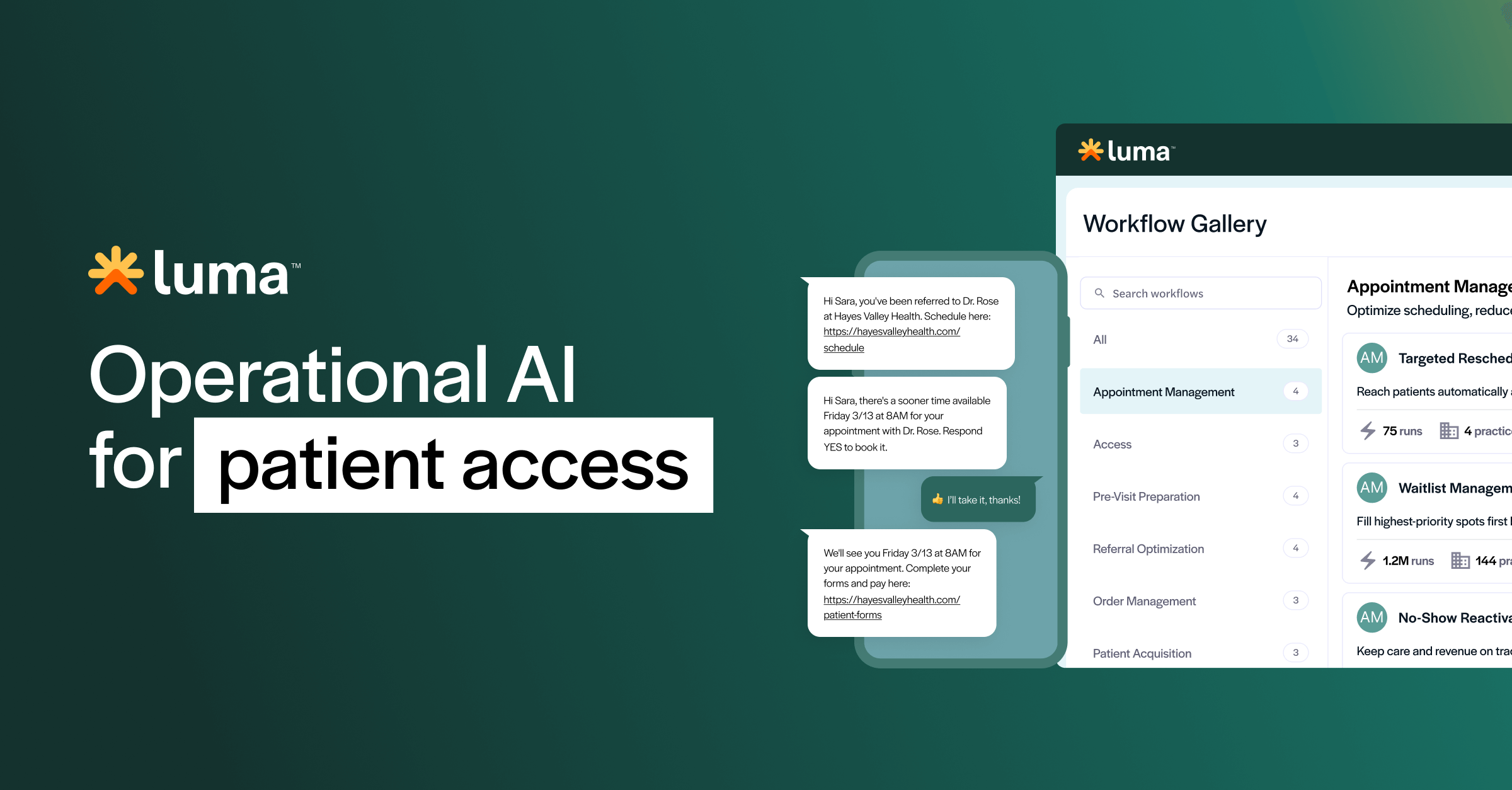
4.Luma Health
HealthcareOperational AI to automate patient access, engagement, intake, and payments for health systems
5.OhMD
HealthcareAI voice and HIPAA texting that cuts patient call volume for physician practices

6.Phreesia
HealthcarePatient intake software that automates registration, payments and engagement for healthcare providers

7.Relatient
HealthcareAI-powered patient scheduling and engagement platform for healthcare

8.TigerConnect
Healthcare#1 Healthcare Collaboration Platform for hospitals and care teams
See more comparisons in Healthcare alternatives.
Questions about Solutionreach alternatives
What are the best Solutionreach alternatives for small dental practices?
Small dental practices often seek lighter alternatives to Solutionreach that still provide appointment reminders, two-way texting, and online scheduling without enterprise-level complexity or pricing. Look for tools with quick implementation and strong recall features to maintain patient volume while reducing no-shows.
How does Solutionreach compare to competitors on insurance verification automation?
Solutionreach automates insurance eligibility checks and integrates them into patient messaging workflows. Competing platforms may offer similar verification but differ in how seamlessly they combine it with payment collection and post-appointment follow-up within the same dashboard.
Are there affordable Solutionreach alternatives for multi-location DSOs?
DSOs evaluating Solutionreach alternatives prioritize centralized messaging, standardized workflows across locations, and scalable integrations. Some competitors provide enterprise dashboards at different price points or with faster deployment depending on existing PM/EHR setups.
Which Solutionreach alternatives support telehealth and video call features?
Solutionreach includes video call and telehealth capabilities alongside reminders and forms. Alternatives that bundle telehealth with patient engagement can reduce the need for separate tools while maintaining HIPAA compliance and scheduling automation.
Do Solutionreach alternatives offer better reputation management tools?
Reputation management in Solutionreach ties patient surveys directly to review generation. Other platforms may emphasize review monitoring or social proof features more heavily, which can matter for practices focused on online visibility and patient acquisition.
What Solutionreach alternatives work best with fewer than 400 EHR integrations?
Practices using niche or regional PM/EHR systems sometimes prefer alternatives with targeted integrations rather than Solutionreach's broad 400+ connections, especially if they value simpler setup and lower costs over extensive compatibility.