SpatialChat alternatives
8 products to explore · 2026
Your shortlist, at a glance.
Read the comparisons ↓
Check each product’s website for current pricing and features. A verified badge indicates a verified listing, not a ranking.
About SpatialChat and its alternatives
Users searching for SpatialChat alternatives often want platforms that replicate real-life movement and natural conversations in virtual settings rather than grid-based video calls. SpatialChat stands out with proximity-based audio, custom layouts, and embedded collaboration tools that support events, offices, and classes. Alternatives vary in focus from large-scale webinars to persistent virtual workspaces, differing in spatial features, pricing tiers, integration depth, and scalability for teams or enterprises. Comparing options helps identify tools that match specific needs like AI matchmaking, breakout flexibility, or industry use cases such as education and sales kickoffs without sacrificing engagement quality.
Explore the alternatives

1.Gather
ProductivityBuilding a better way to meet online.
- R
2.Rally
ProductivityRally is Zoom for social events
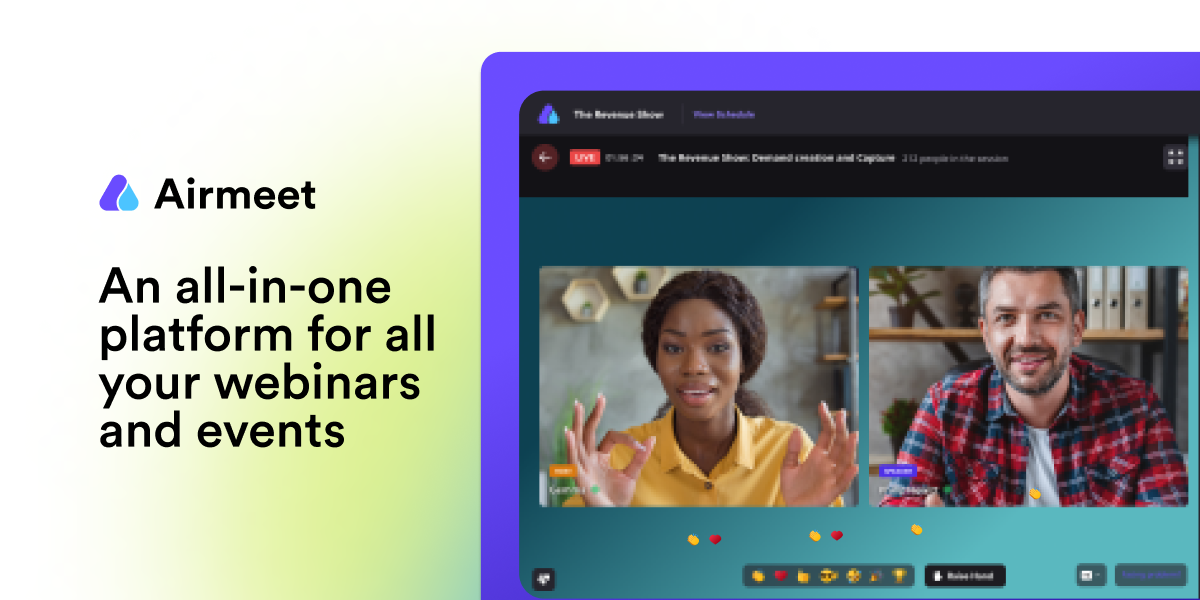
3.Airmeet
ProductivityAI-powered platform for immersive webinars, hybrid events, and engaging virtual experiences.
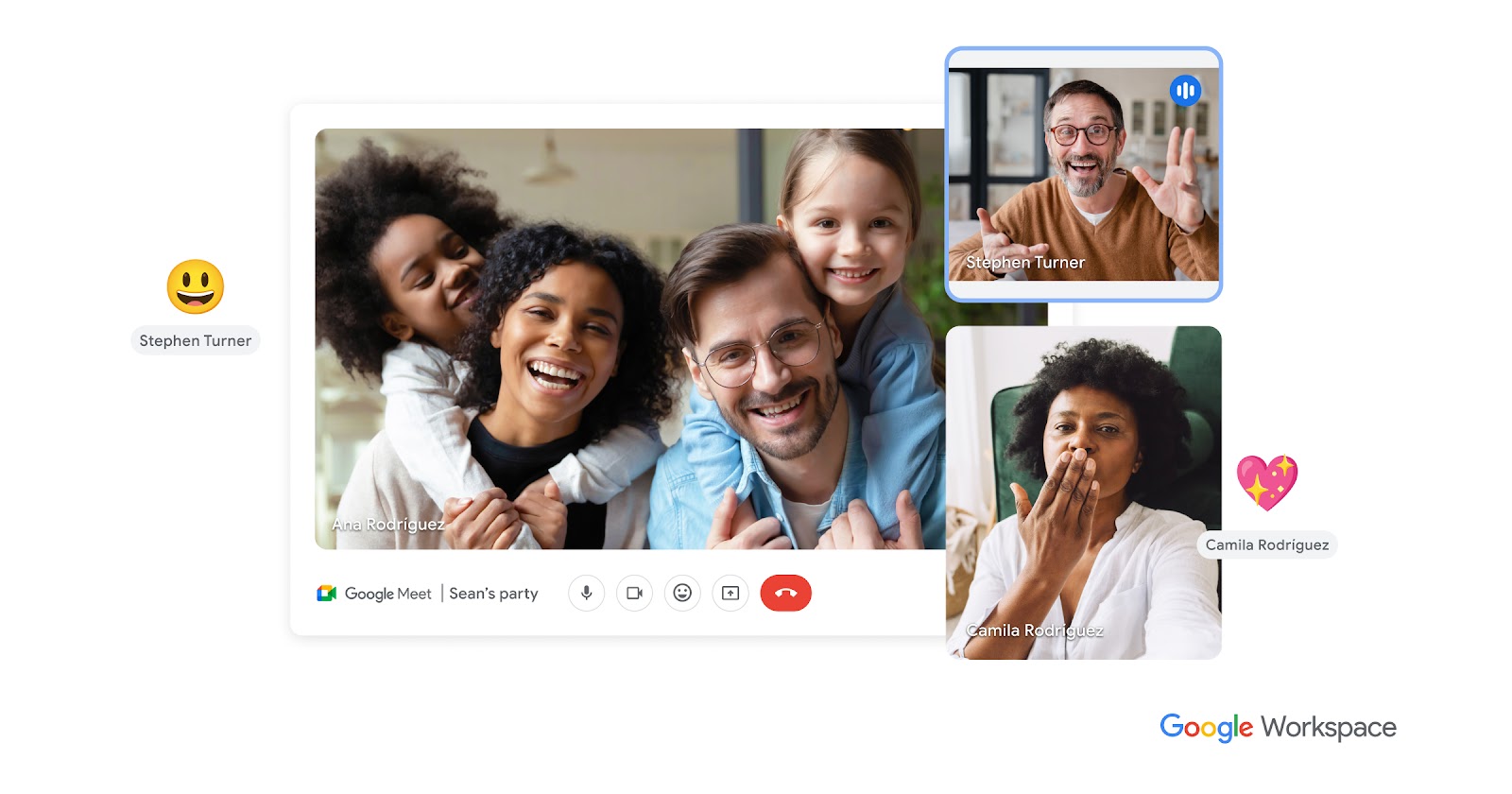
4.Google Meet
ProductivitySecure video conferencing integrated with Google Workspace.

5.Kumospace
ProductivityVirtual office platform for remote team collaboration with spatial audio and chat.
6.Microsoft Teams
ProductivityDownload the Microsoft Teams desktop app for full browser support.

7.Miro
ProductivityAI-powered visual workspace for team collaboration and product innovation
8.Slack
ProductivityAI work platform for team collaboration, automation, and productivity
See more comparisons in Productivity alternatives.
Questions about SpatialChat alternatives
What are the best SpatialChat alternatives for hosting virtual conferences with proximity chat?
Alternatives like Gather and Kumospace offer similar spatial audio and room-based navigation for conferences, though they may lack SpatialChat's specific AI matchmaking or unlimited pinning options and often price differently for larger events.
How does SpatialChat compare to other virtual office tools for remote teams?
SpatialChat provides custom layouts and embedded tools suited for ongoing collaboration, while competitors like Teamflow or Sococo emphasize always-on spaces but may trail in branded themes or simultaneous multi-screen sharing capabilities.
Are there free SpatialChat alternatives for educational virtual classrooms?
Several alternatives provide freemium models for classrooms with breakout rooms and whiteboarding, but users should check limits on multimedia pinning and AI features that SpatialChat includes in its core offering.
Which SpatialChat alternatives support hybrid events with registration and analytics?
Options with strong registration flows exist, yet they frequently differ from SpatialChat in proximity chat depth or integration with tools like Kahoot, requiring evaluation of analytics reporting strengths per use case.
What SpatialChat alternatives work well for virtual job fairs and networking events?
Platforms focused on matchmaking and private areas can replicate SpatialChat's networking strengths, though feature sets around custom backgrounds and embedded documents vary and affect attendee experience quality.