
Spine AI alternatives
6 products compared · Updated November 19, 2026
The short answer
The three strongest alternatives to Spine AI are Devin, Manus, and Perplexity AI. Devin suits engineering teams that want an autonomous agent to ship pull requests and fix bugs. Manus suits founders and small teams who want an agent to produce slides, websites, or design assets. Perplexity AI suits individuals and teams who need fast, cited answers to general questions without setting up multi-agent workflows.
Your shortlist, at a glance
Read the comparisons ↓ ChatGPTNot publishedFounders and operators who want one general AI assistant for writing, quick research, images, and coding rather than multi-agent research workflows
ClaudeNot publishedIndividuals and small teams who want one conversational assistant for writing, analysis and coding
- PPerplexity AINot publishedIndividuals and teams who need fast, cited answers to general questions without setting up multi-agent workflows
- MManusNot publishedFounders and small teams who want an agent to produce slides, websites, or design assets without setting up a multi-agent system
- DDevin$80/mo (Teams)Engineering teams that want an AI agent to take tickets, fix CI failures, and open merge-ready pull requests
- WWindsurf$80/mo flat (Teams)Engineering teams that run several coding agents daily and want them managed from one command center
About Spine AI and its alternatives
Spine AI builds Canvas, a cloud product for multi-agent work that assembles specialized agents across 300+ models to research, analyze, and produce sourced deliverables, websites, and apps. It also builds Medley, a local-first orchestration product that works with Claude Code and Codex. According to its site, Spine AI is known for adaptive work graphs, review and repair branches, and benchmark results on GAIA Level 3, DeepSearchQA, Terminal-Bench 2.1, and others, and Canvas is SOC 2 Type I compliant.
When comparing alternatives, weigh the pricing structure, since some products publish plan prices and others do not show them on the site. Check which regions the pricing applies to, which integrations are supported, what support is offered at each tier, and what the contract terms are for enterprise plans. Also check whether the product is built for research and sourced deliverables or for software work.
Explore the alternatives
- Not published
1.ChatGPT
Best for: Founders and operators who want one general AI assistant for writing, quick research, images, and coding rather than multi-agent research workflows

- Pricing
- Not published
- Category
- AI & Machine Learning
ChatGPT is a general-purpose AI chatbot for answering questions, writing, creating images, uploading files, and coding in one place. Choose it instead of Spine AI when you need a single assistant for everyday tasks rather than a system that runs multi-agent research and produces sourced deliverables.
Where it is strong
- Handles questions, writing, image creation, file uploads, and coding in one chat interface
- Lets you log in to get answers based on saved chats
- Available as a web app and a downloadable app
Where it falls short
- Does not describe multi-agent orchestration or adaptive work graphs like Spine AI's Canvas and Medley
- The supplied text does not describe sourced deliverable or compliance certifications such as Spine AI's SOC 2 Type I
- Pricing:
- In the United States, the pricing page is at chatgpt.com/us/pricing, but the plan figures were not captured in the supplied text, so specific prices are not confirmed here.
- Not published
2.Claude
Best for: Individuals and small teams who want one conversational assistant for writing, analysis and coding
- Pricing
- Not published
- Category
- AI & Machine Learning
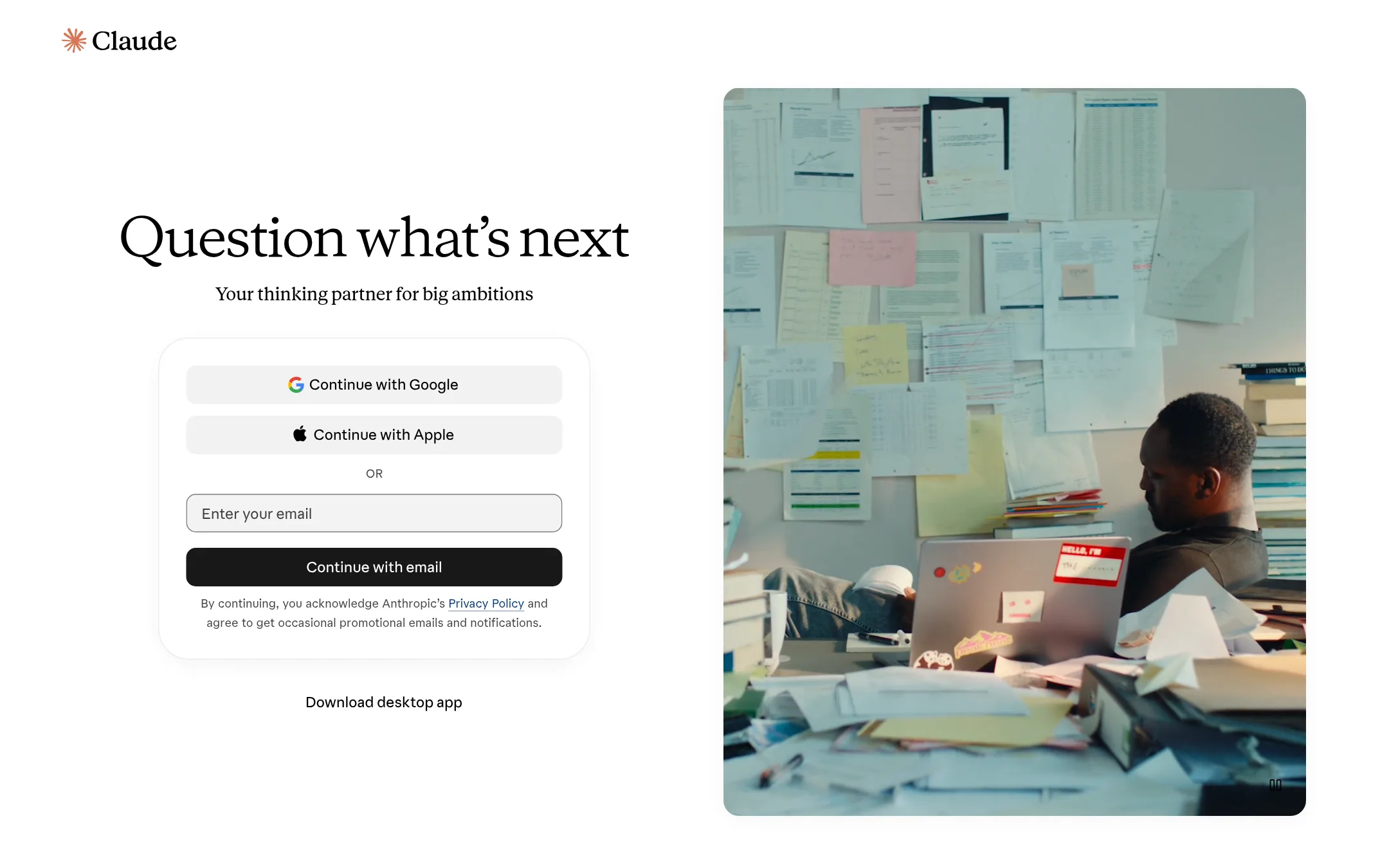
Claude is a general AI assistant from Anthropic for writing, analysis, coding and research, with web search, file creation and code execution on its free tier. Someone would pick it over Spine AI when they want a single chat assistant for everyday knowledge work rather than a system that runs large multi-agent research jobs and returns sourced deliverables.
Where it is strong
- Free tier includes chat on web, desktop and mobile, plus web search and code execution.
- Memory across conversations and connections to your apps and tools.
- Paid tiers add Projects, more usage and access to more Claude models.
Where it falls short
- The site does not describe multi-agent orchestration or adaptive work graphs the way Spine AI does.
- Team pricing is listed only as predictable usage per seat, with no figures shown.
- Pricing:
- Pricing is not published on the site.
- PNot published
3.Perplexity AI
Best for: Individuals and teams who need fast, cited answers to general questions without setting up multi-agent workflows
- Pricing
- Not published
- Category
- Other
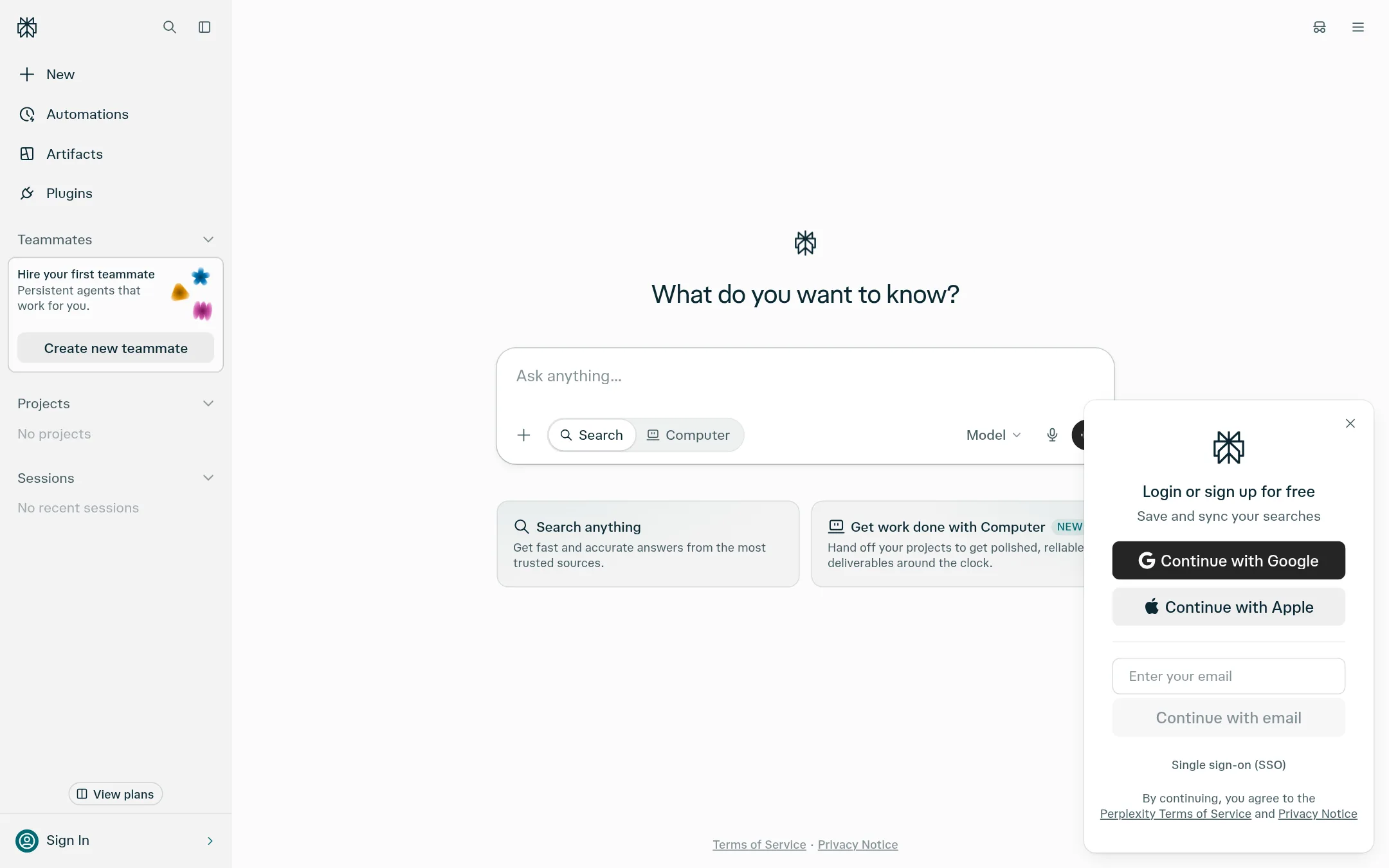
Perplexity AI is a free answer engine that returns sourced, real-time answers to questions, and it now also offers Computer for handing off projects that need polished deliverables. Someone would pick it over Spine AI when they mainly need quick, cited answers to everyday questions rather than a managed swarm of agents producing structured research for a specific professional role.
Where it is strong
- Free to start with no setup needed
- Answers come with sources from trusted websites
- Offers a Computer option for longer deliverables
Where it falls short
- Pricing details are not shown on the site
- Does not describe role-specific workflows like Spine AI's legal, medical, or investor templates
- Pricing:
- Pricing is not published on the site.
- MNot published
4.Manus
Best for: Founders and small teams who want an agent to produce slides, websites, or design assets without setting up a multi-agent system
- Pricing
- Not published
- Category
- Other
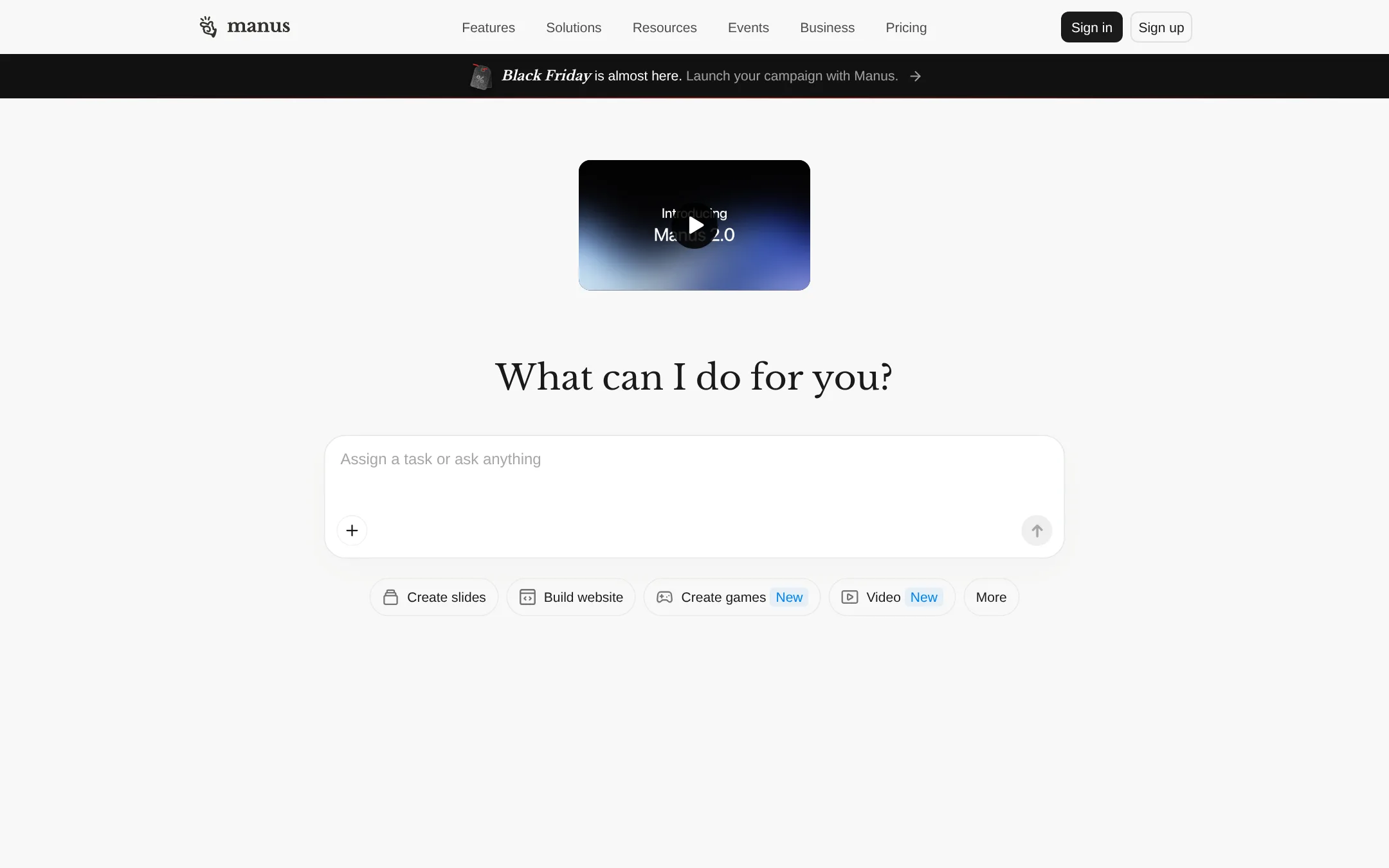
Manus is a general AI agent that takes a task, such as building slides, a website, or a short video, and carries it through to a finished output. Someone would pick it over Spine AI when the job is a concrete deliverable they can use right away and they do not need a sourced research workflow or a governed orchestration layer with audit receipts.
Where it is strong
- Covers building slides, websites, games, video, and design in one place
- Has a mobile app, desktop app, and browser option
- Offers a Slack integration and an API
Where it falls short
- The site does not describe source-backed research workflows the way Spine AI's use cases do
- The site does not list SOC 2 or other compliance certifications
- Pricing:
- Pricing is not published on the site.
- D$80/mo (Teams)
5.Devin
Best for: Engineering teams that want an AI agent to take tickets, fix CI failures, and open merge-ready pull requests
- Pricing
- $80/mo (Teams)
- Category
- Other
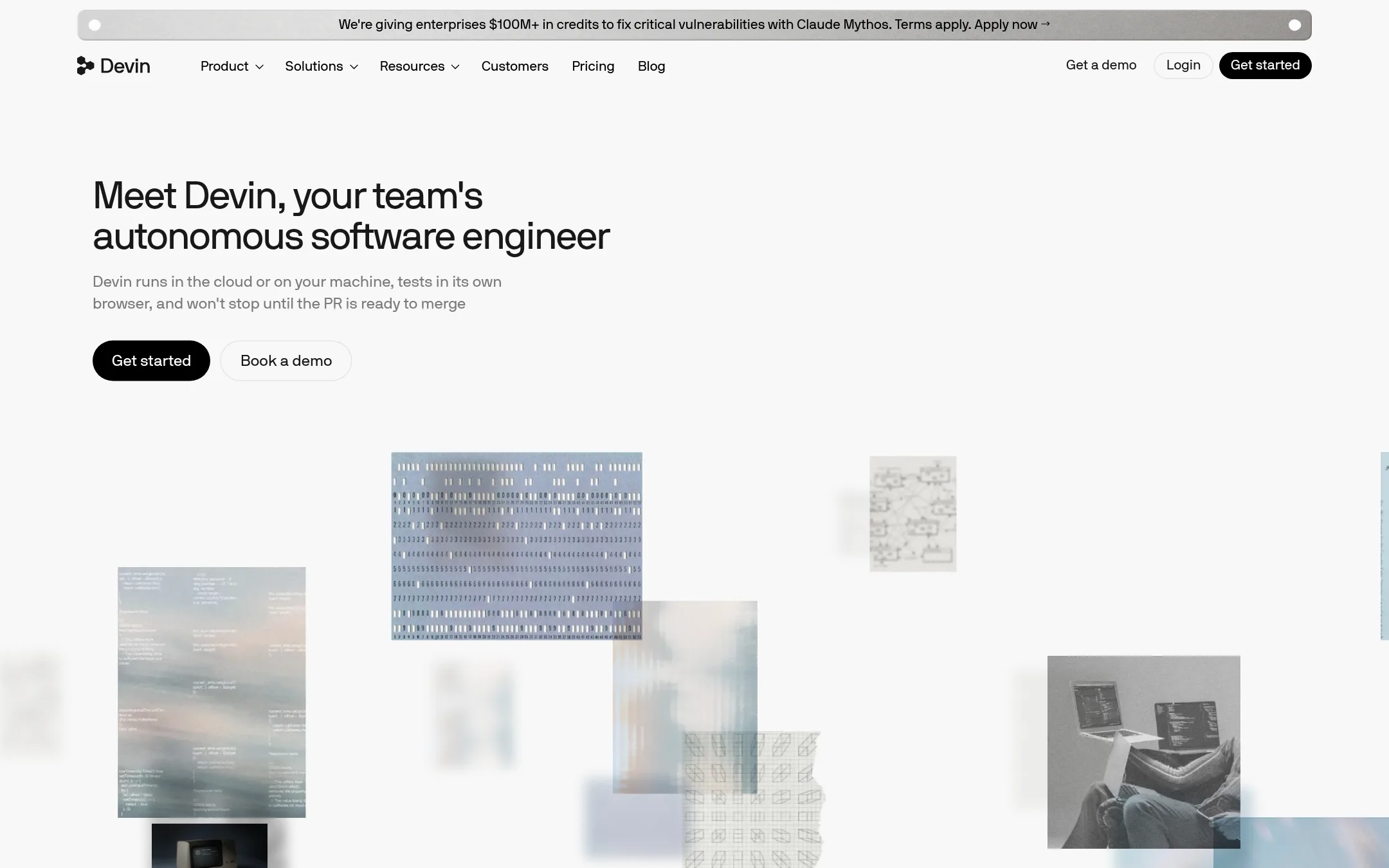
Devin is an autonomous AI software engineer. It runs in the cloud or on your machine, tests the software it builds in its own browser, and can split large jobs across parallel agents. A team would pick it over Spine AI when the work is mainly software engineering, such as shipping pull requests, fixing bugs, and reviewing code, rather than research or sourced business deliverables.
Where it is strong
- Runs its own browser and virtual machines to test what it builds and records itself doing so
- Works from Slack, Teams, and other tools by tagging @Devin, and can run scheduled or alert-triggered automations
- Reviews code for bugs and vulnerabilities and can be assigned to fix what it finds
Where it falls short
- Built around software engineering, so it does not offer the market research, legal, or medical research workflows that Spine AI covers
- Enterprise features such as dedicated deployment and dedicated account management are listed for larger organizations, not standard self-ser
- Pricing:
- Teams is self-serve at a flat $80/month, and a Free plan with two concurrent sessions per user is also listed, though the full pricing page details are not published here.
- W$80/mo flat (Teams)
6.Windsurf
Best for: Engineering teams that run several coding agents daily and want them managed from one command center
- Pricing
- $80/mo flat (Teams)
- Category
- Other
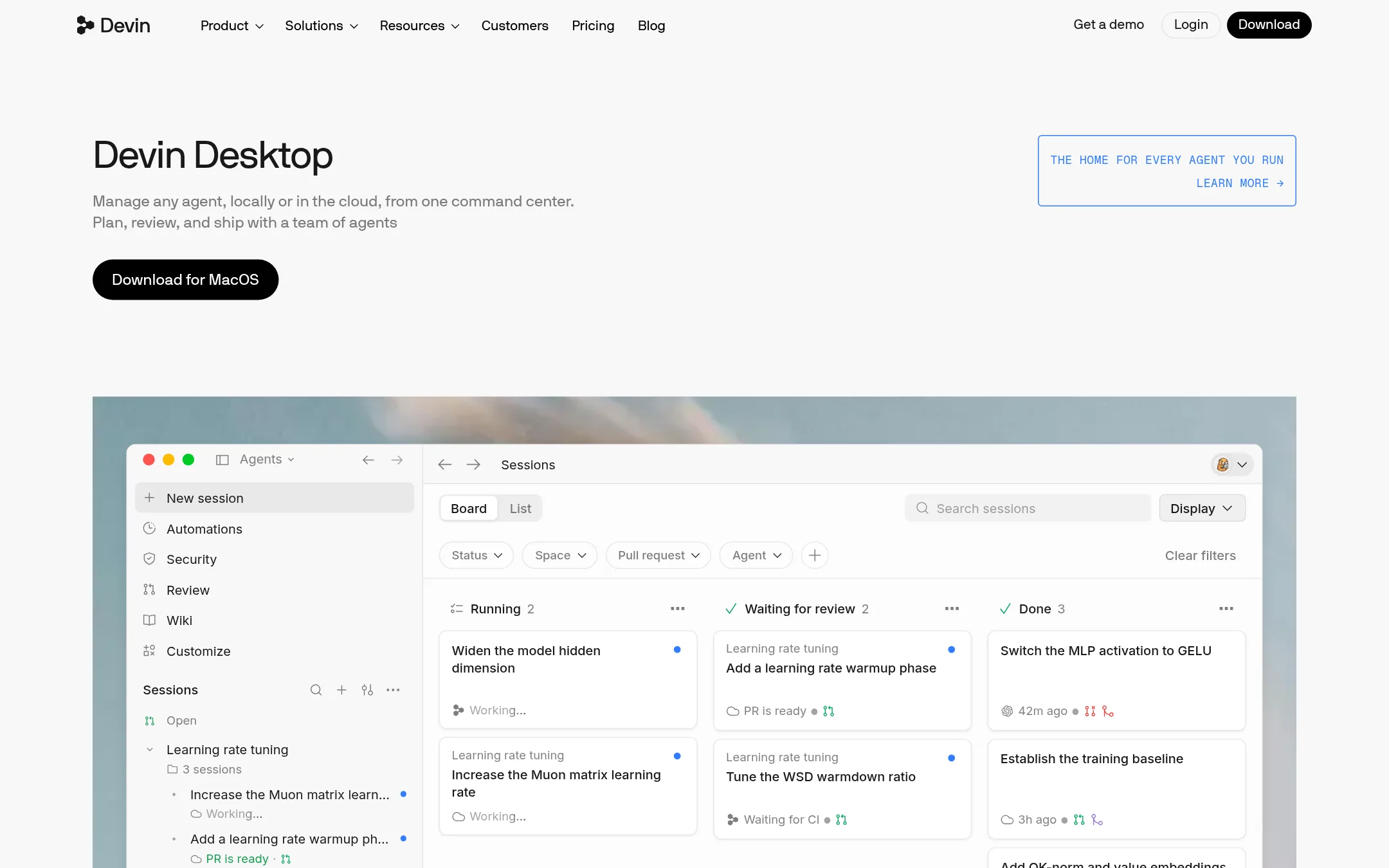
Devin Desktop is a command center for running many coding agents, local or cloud, from one place. Teams pick it when they want agents from different vendors managed together over the Agent Client Protocol, with handoff between laptop and cloud sessions. Spine AI is built around research and multi-agent deliverables, so this fits engineering teams more than research-heavy ones.
Where it is strong
- Manages multiple agents and frontier models from one place using the Agent Client Protocol
- Hands off sessions between local machines and Devin Cloud with the same context
- Includes built-in code review of diffs and fast codebase context search
Where it falls short
- Aimed at software development, with no published research or sourced-report workflows like Spine AI's Canvas
- Enterprise features such as dedicated deployment and SCIM are reserved for enterprise contracts
- Pricing:
- Teams is self-serve at a flat $80 per month, with a free tier and Enterprise plans that add SSO, SCIM and dedicated deployment.
See more comparisons in AI & Machine Learning alternatives.
FAQ
Questions about Spine AI alternatives
What is Spine AI best known for?
According to its site, Spine AI is known for Canvas, a cloud product that runs multi-agent research and produces sourced deliverables, and Medley, a local-first orchestration tool. Both grow adaptive work graphs and include review and repair branches. Canvas is SOC 2 Type I compliant.
Which alternative is best for engineering teams?
Devin suits engineering teams that want an autonomous agent to take tickets, fix CI failures, and open merge-ready pull requests. Its Teams plan is listed at a flat $80 per month. Windsurf, which is listed as Devin Desktop, is a better fit for teams that run several coding agents and want them managed from one place.
Which alternative is best for quick, sourced answers?
Perplexity AI is a free answer engine that returns sourced, real-time answers and offers a Computer option for longer deliverables. It suits individuals and teams who need cited answers to general questions. It does not describe the role-specific research workflows that Spine AI offers.
Can Manus replace Spine AI for research work?
Manus is better suited to producing a concrete output such as slides, a website, or a short video. Its site does not describe source-backed research workflows or compliance certifications like SOC 2, so it is a weaker match if your main need is sourced research.
Are prices the same in every country?
Not necessarily. Spine AI's pricing text applies to the United States edition of its site, and prices and currency may differ elsewhere. Check the pricing page for your region before comparing costs.
Last updated November 19, 2026.