
Stash alternatives
12 products compared · Updated October 31, 2026
The short answer
The three strongest Stash alternatives are Acorns for beginners who want automated micro-investing, Wealthfront for hands-off investors seeking tax-efficient automated portfolios, and SoFi for those who want banking, loans, and investing in one app. Acorns suits those who prefer spare-change round-ups, Wealthfront suits those who want low-cost automated management, and SoFi suits those who need a full financial services platform.
Your shortlist, at a glance
Read the comparisons ↓ AcornsFrom $4/moBeginners and families who want automated micro-investing, spare-change round-ups, and a kids' debit card in one app.
- RRobinhoodNot publishedSelf-directed investors who want low-cost trading across stocks, crypto, and options without paying a monthly subscription for guidance.
- WWealthfront0.25% annual feeInvestors who want automated portfolio management with tax-loss harvesting and a high-yield cash account, without paying a monthly subscription.
 Betterment for BusinessCustom quoteEmployers who want a hands-off 401(k) plan with automated investing and tax-saving features for their team.
- MM1 FinanceNot publishedLong-term investors who want automated investing with customizable portfolios and access to margin loans.
Fidelity 401(k)Not publishedEmployees with 401(k) plans who want a dedicated retirement account provider with a wide range of investment choices and no monthly subscription fee.
Charles SchwabSee websiteFinancial services with an authorization error on access
SoFiNot publishedPeople who want a single app for banking, loans, and investing, with no monthly subscription for basic services.
 GotradeSee websiteRobinhood for Southeast Asia (SEA)
 RisevestNot publishedNigerian investors seeking automated dollar investments with managed portfolios and low fees.
 Tilt (f.k.a. Delphia)See websiteTilt lets anyone build an index out of any content on the web.
 YottaNot publishedPeople who want to save money and enjoy the thrill of weekly prize draws, not for those seeking investment guidance or retirement planning.
About Stash and its alternatives
Stash is an investing app for beginners that offers stocks, ETFs, Smart Portfolios, and recurring investments. It is known for its AI-powered financial guidance, personalized plans, and a flat $12/month subscription that includes access to multiple account types and a 3% IRA match.
When comparing alternatives, weigh pricing structure (monthly subscription vs. percentage of assets vs. per-trade fees), regional availability (US-only vs. Africa-focused), integrations with banking and retirement accounts, support options, and contract terms like cancellation policies and minimum balances.
Explore the alternatives
- From $4/mo
1.Acorns
Best for: Beginners and families who want automated micro-investing, spare-change round-ups, and a kids' debit card in one app.
- Pricing
- From $4/mo
- Category
- Finance & Accounting
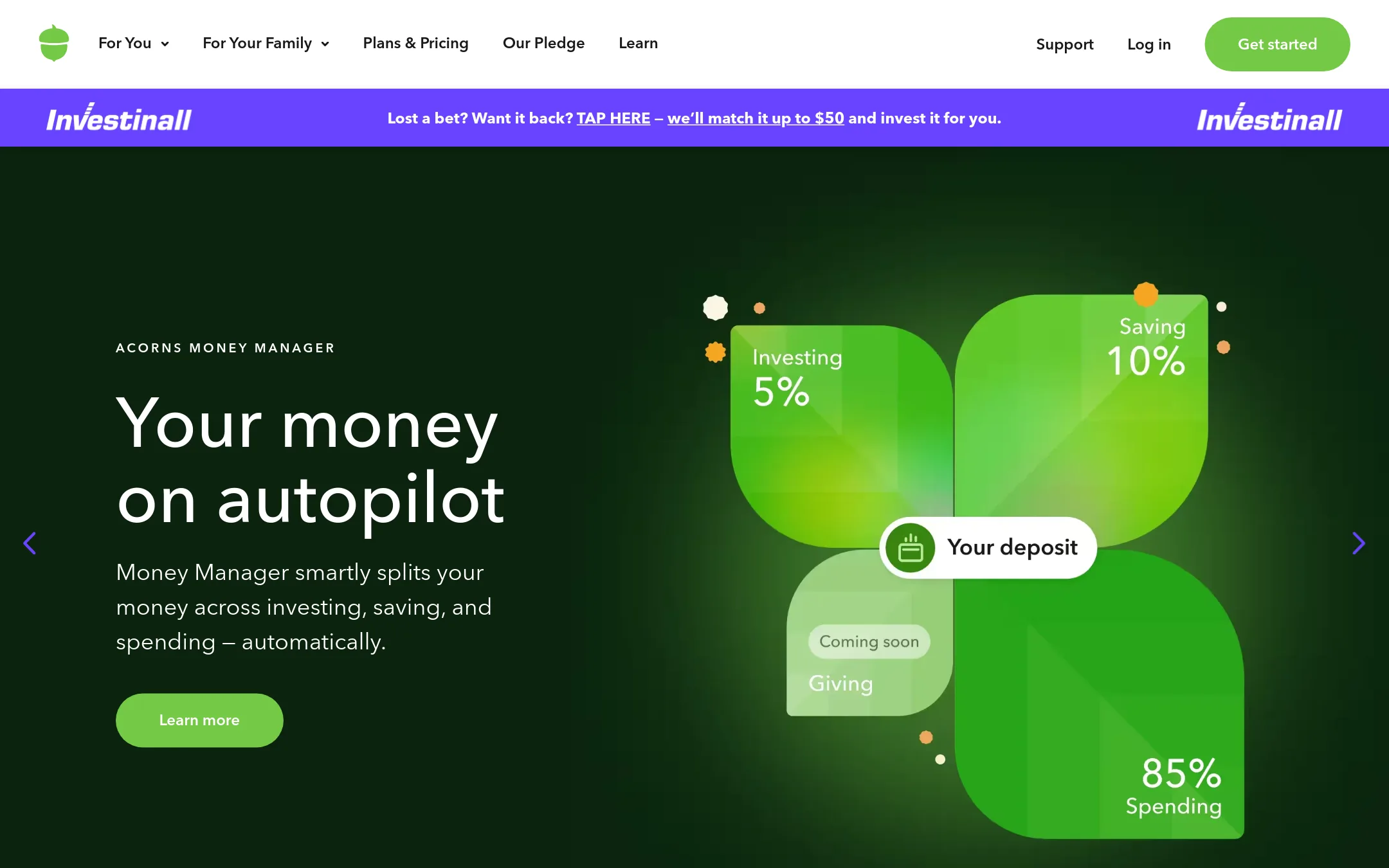
Acorns automates saving and investing by rounding up purchases and splitting paychecks into diversified portfolios. You'd choose it over Stash if you want a hands-off, set-and-forget approach rather than Stash's guidance-heavy, self-directed investing.
Where it is strong
- Round-Ups automatically invest spare change from purchases
- Includes checking account with 55,000+ fee-free ATMs
- Gold plan adds retirement match, custom portfolios, and kids' accounts
Where it falls short
- No self-directed stock picking on lower tiers. Gold required for custom portfolios
- No AI money coach or personalized financial guidance like Stash offers
- Pricing:
- Pricing starts at $4/mo for Bronze, with Silver and Gold tiers at higher monthly rates. No transaction fees.
- RNot published
2.Robinhood
Best for: Self-directed investors who want low-cost trading across stocks, crypto, and options without paying a monthly subscription for guidance.
- Pricing
- Not published
- Category
- Other
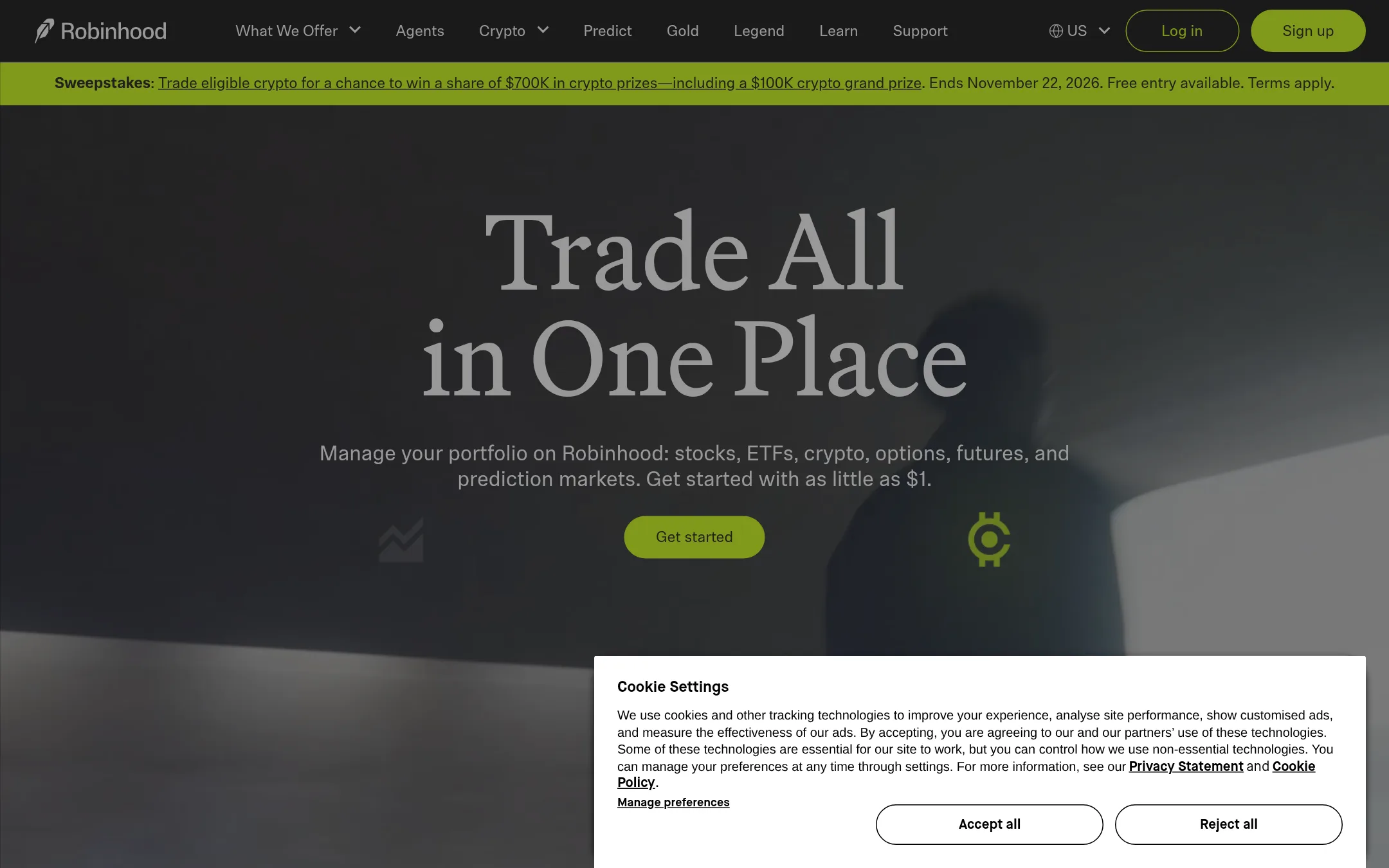
Robinhood is a commission-free trading app for stocks, ETFs, crypto, options, futures, and prediction markets. You'd choose it instead of Stash if you want a wider range of assets and active trading tools, not a guided investing plan with financial advice.
Where it is strong
- Commission-free trading across stocks, ETFs, crypto, options, and futures.
- Start investing with as little as $1.
- Gold membership includes zero management fees on expert-managed portfolios over $100K.
Where it falls short
- No published pricing for fees or subscriptions, so costs are unclear upfront.
- No built-in financial planning or retirement match like Stash offers.
- Pricing:
- Pricing is not published on the site.
- W0.25% annual fee
3.Wealthfront
Best for: Investors who want automated portfolio management with tax-loss harvesting and a high-yield cash account, without paying a monthly subscription.
- Pricing
- 0.25% annual fee
- Category
- Other
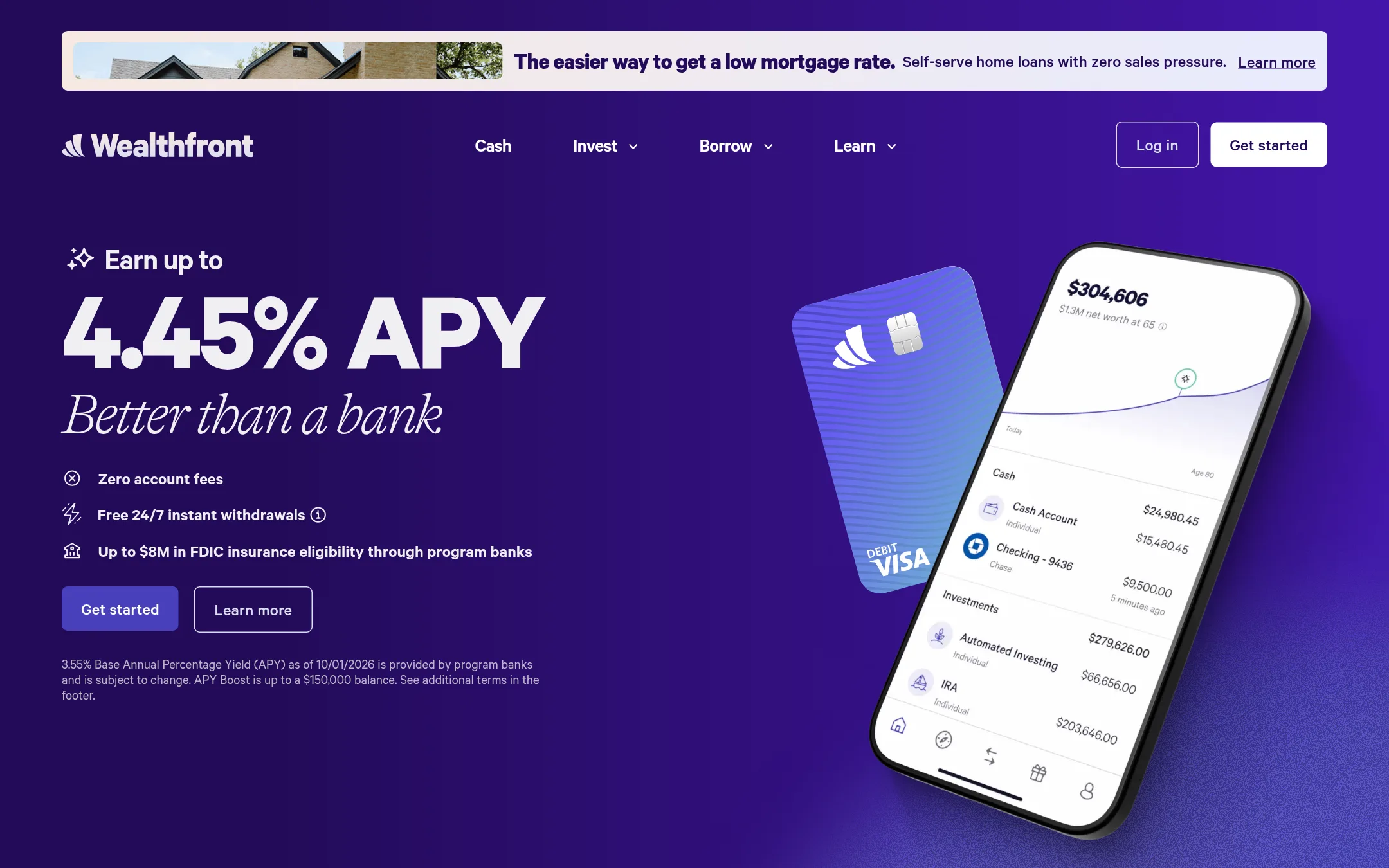
Wealthfront is an automated investing platform that builds and manages diversified portfolios for you, with a focus on tax efficiency. Choose it instead of Stash if you want hands-off, low-cost index investing with tax-loss harvesting and a high-yield cash account, rather than Stash's guided, subscription-based approach.
Where it is strong
- 0.25% annual advisory fee, no subscription
- Automated tax-loss harvesting and direct indexing
- Cash account earns up to 4.45% APY
Where it falls short
- No monthly subscription option for guidance
- Less emphasis on beginner education and coaching
- Pricing:
- The advisory fee for The Wealthfront Portfolio is 0.25% annually. The Brokerage Account has no fees and requires $1 to get started.
- Switching from Stash:
- Moving from Stash involves transferring your brokerage or retirement accounts to Wealthfront, which may require liquidating positions or an in-kind transfer, and you'll lose Stash's Stock-Back rewards and IRA match.
- Custom quote
4.Betterment for Business
Best for: Employers who want a hands-off 401(k) plan with automated investing and tax-saving features for their team.
- Pricing
- Custom quote
- Category
- Finance & Accounting
Betterment for Business provides automated 401(k) plans and retirement solutions for companies, while Stash is a consumer investing app for individuals. Choose Betterment for Business if you're an employer looking to offer a scalable retirement benefit, not a personal investing tool.
Where it is strong
- Automated portfolio management and rebalancing for employees
- Tax-loss harvesting and tax-smart investing features
- Fiduciary responsibility as a registered investment adviser
Where it falls short
- Business 401(k) pricing is not transparent on the site
- No consumer features like Stock-Back rewards or IRA match
- Pricing:
- Pricing is not published on the site for the business 401(k) product. Betterment's consumer pricing starts at $5/month or 0.25% annually for automated investing, with a 0.65% Premium plan.
- MNot published
5.M1 Finance
Best for: Long-term investors who want automated investing with customizable portfolios and access to margin loans.
- Pricing
- Not published
- Category
- Other
M1 Finance is an investing platform that combines automated portfolio management with the ability to customize your own stock and ETF allocations. Choose it instead of Stash if you want more control over your investments, plus built-in margin borrowing and a high-yield cash account, all in one place.
Where it is strong
- Customizable portfolios with automatic rebalancing
- Built-in margin loans and high-yield cash accounts
- Fiduciary AI financial advice included
Where it falls short
- Pricing details are not publicly listed
- No explicit retirement match or stock-back rewards like Stash
- Pricing:
- Pricing is not published on the site.
- Not published
6.Fidelity 401(k)
Best for: Employees with 401(k) plans who want a dedicated retirement account provider with a wide range of investment choices and no monthly subscription fee.

- Pricing
- Not published
- Category
- Finance & Accounting
Fidelity 401(k) is a retirement account provider that helps you save for retirement through employer-sponsored plans. Choose it instead of Stash if you want a dedicated 401(k) rollover or employer plan with a broad range of investment options and no monthly subscription fee.
Where it is strong
- No monthly subscription fee for 401(k) accounts
- Wide range of investment options including mutual funds and ETFs
- Dedicated retirement planning tools and advisor support
Where it falls short
- No AI-powered financial coaching like Stash's Money Coach
- Requires an employer-sponsored 401(k) plan to open an account
- Pricing:
- Pricing is not published on the site.
- See website
7.Charles Schwab
Finance & Accounting
A major brokerage offering robo-advisory services and retirement accounts, a solid choice for comprehensive investing.
- Not published
8.SoFi
Best for: People who want a single app for banking, loans, and investing, with no monthly subscription for basic services.
- Pricing
- Not published
- Category
- Finance & Accounting
SoFi is a broad financial services platform covering banking, loans, investing, and credit cards, whereas Stash focuses on beginner investing with guidance. Choose SoFi if you want one place for everyday banking and borrowing alongside investing, rather than a dedicated investing app with a flat subscription.
Where it is strong
- Offers banking, loans, investing, and credit cards in one platform
- No monthly subscription mentioned for basic services
- Large member base of 15.8M, indicating broad adoption
Where it falls short
- Pricing details are not published, so costs are unclear
- Not focused on beginner investing guidance like Stash's AI advisor
- Pricing:
- Pricing is not published on the site.
- See website
9.Gotrade
Finance & Accounting
Robinhood for Southeast Asia (SEA)
- Not published
10.Risevest
Best for: Nigerian investors seeking automated dollar investments with managed portfolios and low fees.
- Pricing
- Not published
- Category
- Finance & Accounting
Risevest is a dollar-denominated investment platform focused on Nigerian users, offering managed portfolios in fixed income, real estate, and stocks. Choose it instead of Stash if you want exposure to US assets with local support and lower fees, rather than a US-centric financial advisor app.
Where it is strong
- Low fee: only 0.5% of AUM annually
- Multiple asset classes: fixed income, real estate, stocks
- Start with as little as $10
Where it falls short
- No published pricing details
- Focused on Nigeria, not global
- Pricing:
- Pricing is not published on the site.
- See website
11.Tilt (f.k.a. Delphia)
Finance & Accounting
Tilt lets anyone build an index out of any content on the web.
- Not published
12.Yotta
Best for: People who want to save money and enjoy the thrill of weekly prize draws, not for those seeking investment guidance or retirement planning.
- Pricing
- Not published
- Category
- Finance & Accounting
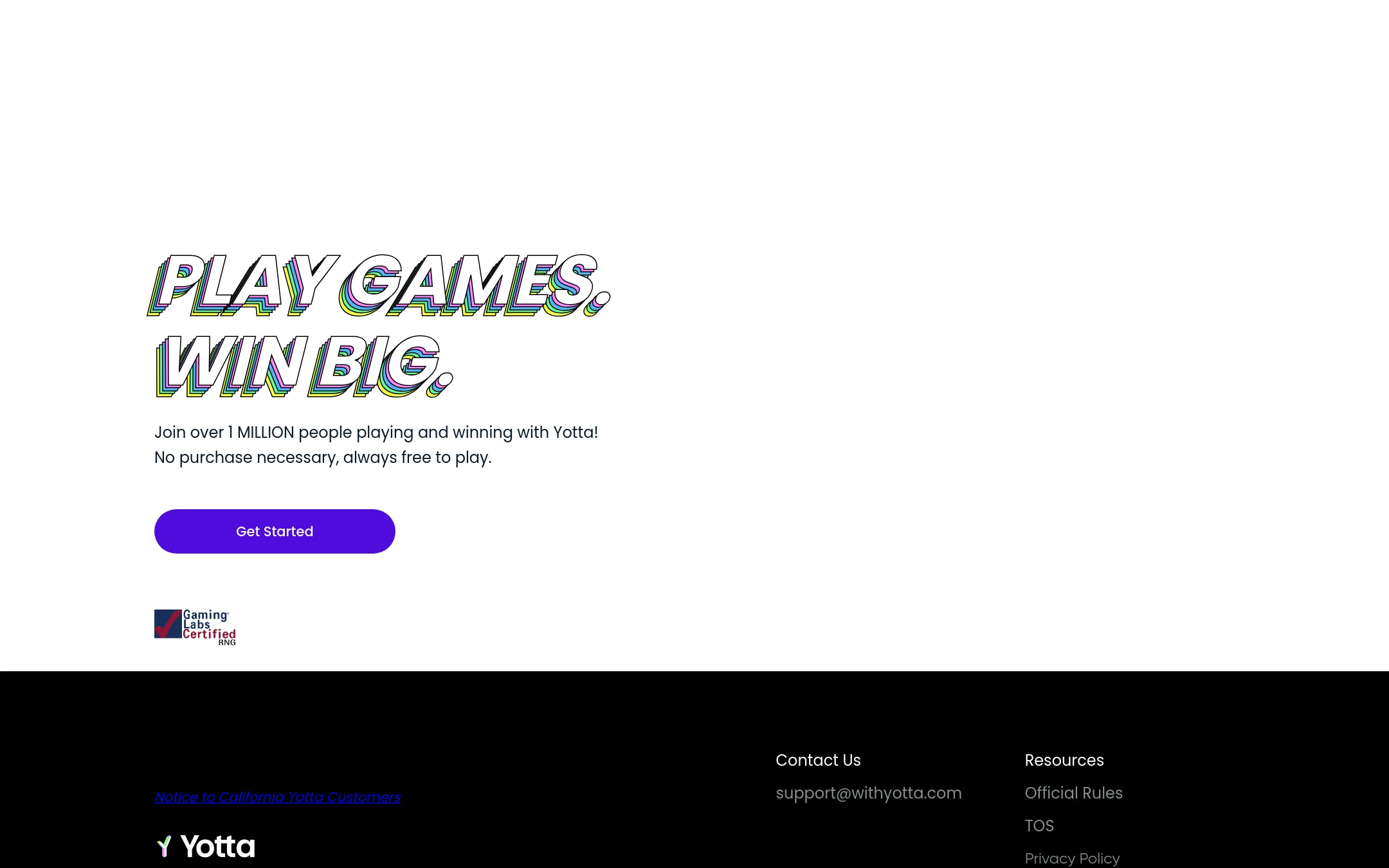
Yotta is a savings and prize-linked checking app that turns everyday saving into a lottery-style game, with weekly draws for prizes up to $10 million. Choose it instead of Stash if you want a fun, gamified way to build savings and win prizes, rather than a traditional investment platform with financial advice.
Where it is strong
- Free to play with no purchase necessary
- Weekly draws with prizes up to $10 million
- Over 1 million users already playing
Where it falls short
- No investment accounts or financial advice
- Sweepstakes void where prohibited by law
- Pricing:
- Pricing is not published on the site.
See more comparisons in Finance & Accounting alternatives.
FAQ
Questions about Stash alternatives
What is the cheapest Stash alternative?
Acorns starts at $4/month, which is lower than Stash's $12/month. Wealthfront charges 0.25% annually on assets, which can be cheaper for larger balances. SoFi has no monthly subscription for basic services, but pricing details are not fully published.
Which alternative is best for automated investing?
Wealthfront and Acorns both offer automated portfolio management. Wealthfront focuses on tax-loss harvesting and low-cost index investing, while Acorns automates spare-change round-ups and paycheck splits. M1 Finance also offers automated rebalancing with customizable portfolios.
Are there alternatives with no monthly fees?
Yes, Fidelity 401(k) has no monthly subscription fee for retirement accounts, and Robinhood offers commission-free trading without a subscription. SoFi also mentions no monthly subscription for basic services, though pricing is not fully published.
Which alternative is best for non-US investors?
Risevest is designed for Nigerian investors with dollar-denominated portfolios, and Chaka serves African users with access to local and US markets. Both offer low fees and local support, unlike Stash which is US-centric.
Do any alternatives offer financial advice like Stash?
M1 Finance includes fiduciary AI financial advice, and Betterment for Business provides fiduciary responsibility as a registered investment adviser. Stash's Money Coach is unique in offering 24/7 AI-driven guidance, but these alternatives provide some advisory features.
Last updated October 31, 2026.