
stoic. alternatives
5 products compared · Updated November 3, 2026
The short answer
For a journaling app that works on every device and supports photos and shared entries, Journey is the strongest choice. Penzu suits journalers who want a private, customizable online diary with strong encryption. Diarium is best for people who want a one-time-purchase journal with full control over their data and no subscription.
Your shortlist, at a glance
Read the comparisons ↓- RReflectlyNot publishedIndividuals seeking an AI-guided journaling experience to manage negative thoughts and build positivity.
 JourneyNot publishedPeople who want a journaling app that works on every device and supports photos, videos, and shared entries
- PPenzuNot publishedJournalers who want a private, customizable online diary with web and mobile access and don't need AI-driven prompts or mood tracking.
- DDiariumOne-time purchasePeople who want a private, one-time-purchase journal across Windows, Android, iOS, and Mac with full control over their data.
- GGrid DiaryNot publishedPeople who want a simple, guided diary with templates and multiple journals for different life areas.
About stoic. and its alternatives
stoic. is an AI journal for daily reflection. It is known for curated prompts, mood tracking, streaks, badges, meditation, and breathing practices. It works on Apple devices and the Web, with a free tier and optional Premium. Journal entries are stored on your device, and AI features send entries to providers for personalization.
When comparing alternatives, weigh pricing structure, platform support, privacy, and feature depth. Some apps are free or one-time purchases, while others use subscriptions. Consider whether you need Android or Windows support, shared journals, or AI-driven prompts. Check if the app offers mood tracking, meditation, or habit tools, and how it handles data storage and encryption.
Explore the alternatives
- RNot published
1.Reflectly
Best for: Individuals seeking an AI-guided journaling experience to manage negative thoughts and build positivity.
- Pricing
- Not published
- Category
- Other
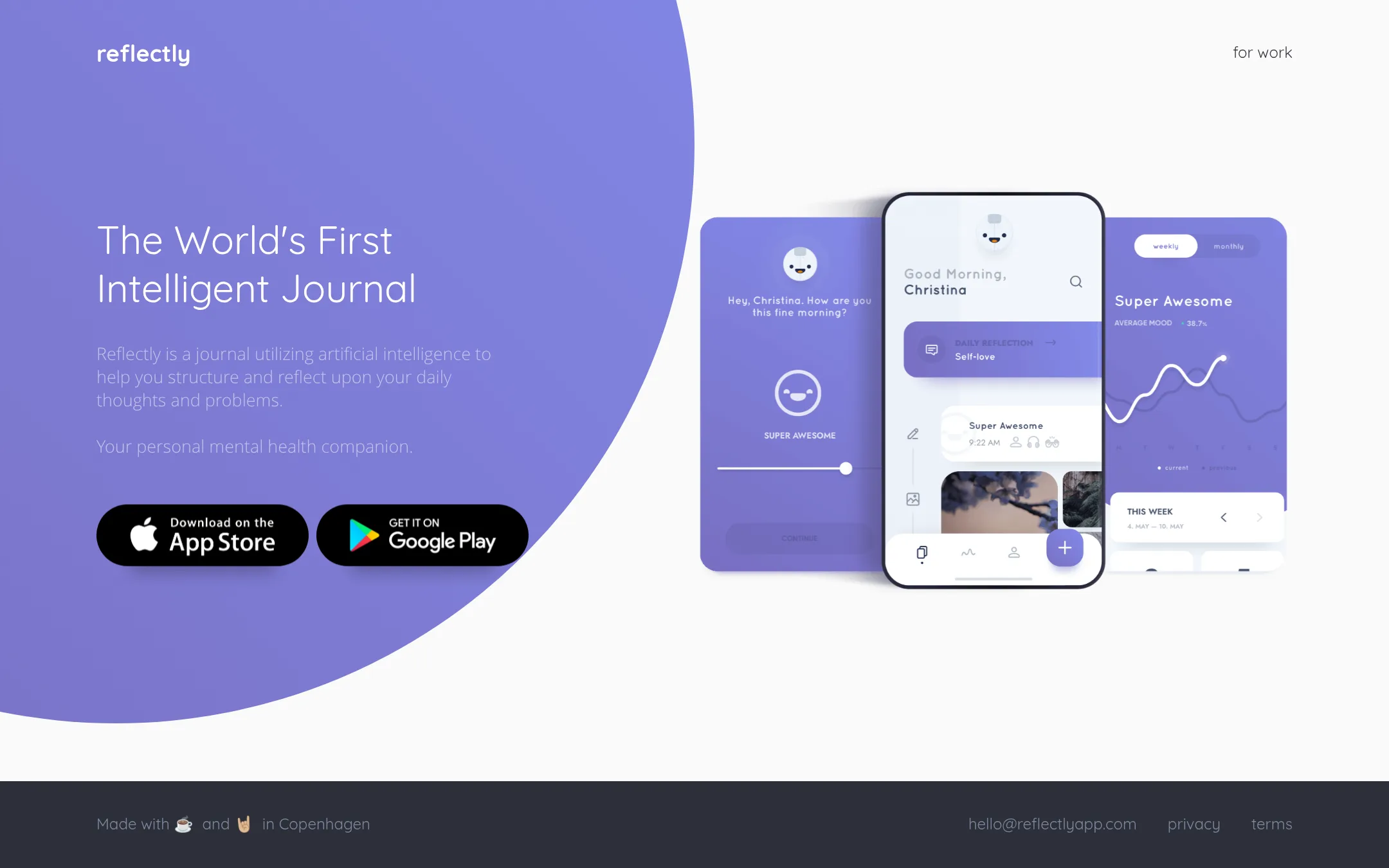
Reflectly is an AI journaling app that helps you structure daily thoughts and reflect on problems. Choose it over stoic. if you want a journal focused on positivity and well-being science, with AI-driven prompts.
Where it is strong
- AI-driven journaling to structure thoughts
- Focus on positivity and well-being science
- Simple, clean interface
Where it falls short
- No pricing details available
- Less feature-rich than stoic. (no meditation, streaks, or multi-platform sync)
- Pricing:
- Pricing is not published on the site.
- Not published
2.Journey
Best for: People who want a journaling app that works on every device and supports photos, videos, and shared entries

- Pricing
- Not published
- Category
- Productivity & Project Management
Journey is a cross-platform journaling app with multimedia entries, mood tracking, and shared journals. Choose it over stoic. if you want to journal on Android, Windows, or Chrome OS, or if you need to collaborate on entries with family or friends.
Where it is strong
- Available on Android, iOS, Mac, Windows, Web, and Chrome OS
- Supports photos, videos, audio, and location tags in entries
- Shared journals and web links for collaborating with others
Where it falls short
- No built-in meditation or breathing exercises
- No streak trackers or badges for habit building
- Pricing:
- Pricing is not published on the site.
- PNot published
3.Penzu
Best for: Journalers who want a private, customizable online diary with web and mobile access and don't need AI-driven prompts or mood tracking.

- Pricing
- Not published
- Category
- Other
Penzu is a private online diary and journal focused on privacy and customization. Choose it if you want a straightforward, web-based journal with strong encryption and the ability to write from any device, rather than a guided mental health app.
Where it is strong
- Unlimited entries on the free plan
- Military-grade encryption and double password protection
- Custom journals with covers, fonts, and colors
Where it falls short
- No AI features or personalized prompts
- No mood tracking or meditation content
- Pricing:
- Pricing is not published on the site.
- DOne-time purchase
4.Diarium
Best for: People who want a private, one-time-purchase journal across Windows, Android, iOS, and Mac with full control over their data.
- Pricing
- One-time purchase
- Category
- Other
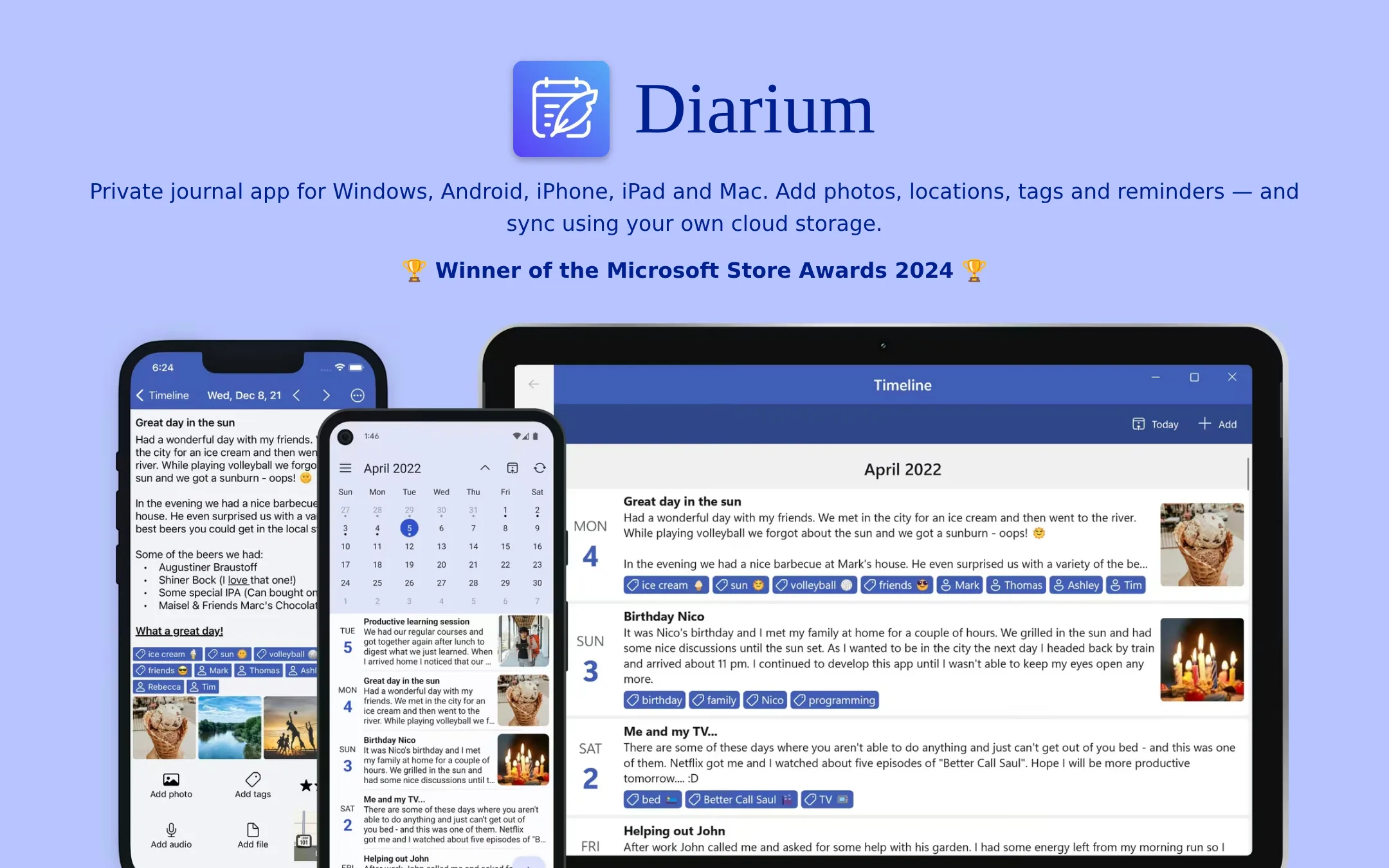
Diarium is a private, cross-platform journal that stores entries on your own device or cloud. Choose it over stoic. if you want a traditional diary with rich media, no account, and no subscription.
Where it is strong
- No account or sign-up required to start journaling.
- Sync via your own cloud storage (OneDrive, Google Drive, Dropbox, iCloud, WebDAV).
- Supports photos, videos, audio, rich text, tags, and many integrations.
Where it falls short
- Cloud sync and some features require Pro, which is a separate purchase per platform.
- No built-in AI prompts or mental health guidance like stoic.'s curated reflections.
- Pricing:
- Diarium is free to use on most platforms, with optional Pro features. Pro is a one-time purchase per platform. Windows version is paid and includes Pro. Current prices are shown in the app or Microsoft Store.
- GNot published
5.Grid Diary
Best for: People who want a simple, guided diary with templates and multiple journals for different life areas.

- Pricing
- Not published
- Category
- Other
Grid Diary is a structured journaling app that uses a grid format to guide your daily entries. Choose it if you prefer a more organized, template-driven approach to journaling rather than the free-form, AI-assisted style of stoic.
Where it is strong
- Unique grid format for structured entries
- Multiple journals and templates
- Markdown editor with attachments
Where it falls short
- No AI features like stoic's personalized prompts
- Sync and passcode require a paid subscription
- Pricing:
- Pricing is not published on the site.
See more comparisons in Healthcare alternatives.
FAQ
Questions about stoic. alternatives
Which alternative is best for Android or Windows users?
Journey is the strongest choice for Android, Windows, and Chrome OS users. It also supports iOS, Mac, and Web, so you can journal on any device. Diarium also supports Windows, Android, iOS, and Mac, but it requires a separate purchase per platform.
Do any alternatives offer a one-time purchase instead of a subscription?
Diarium offers a one-time purchase for Pro features on each platform. The Windows version is paid and includes Pro. Other alternatives like Journey and Penzu do not publish pricing, so you would need to check their apps or sites for details.
Which alternative is best for privacy and data control?
Penzu emphasizes privacy with military-grade encryption and double password protection. Diarium stores entries on your own device or cloud and requires no account. Both give you more control than stoic., which sends entries to AI providers when AI features are on.
Do any alternatives support shared or collaborative journaling?
Journey supports shared journals and web links for collaborating with family or friends. This is a unique feature among the alternatives listed. Other apps like Penzu and Diarium focus on private, individual journaling.
Which alternative is most similar to stoic.'s AI-guided prompts?
Reflectly is the closest match, with AI-driven journaling to structure thoughts and a focus on positivity. However, it lacks stoic.'s meditation, streaks, and multi-platform sync. If you want AI prompts but need more features, Journey or Penzu may be better, though they do not emphasize AI as much.
Last updated November 3, 2026.