
Strong Compute alternatives
6 products compared · Updated November 3, 2026
The short answer
For AI-specific spend tracking, Strong Compute is the direct choice, but for broader cloud cost management, Vantage offers a free tier and automated savings, while Kubecost provides deep Kubernetes-native cost allocation. Datadog suits teams needing full-stack monitoring, and CloudZero is best for tying costs to business outcomes.
Your shortlist, at a glance
Read the comparisons ↓- VVantageFree / $30 / $200 /moEngineering and FinOps teams on AWS, Azure, or GCP that want self-service cost visibility, automated savings, and Kubernetes cost breakdowns.
- CCloudHealth by VMwareNot publishedIT and FinOps teams managing multi-cloud infrastructure who need cost optimization across AWS, Azure, and GCP, not just AI workloads.
- KKubecostNot publishedPlatform and cloud engineering teams running Kubernetes who want to track and reduce cluster costs with granular allocation and automation.
- CCloudZeroCustom quoteFinance and engineering teams that need to tie every AI dollar to a specific customer, product, or transaction for board-level reporting.
 DatadogNot publishedEngineering teams that need full-stack monitoring, alerting, and troubleshooting across cloud infrastructure and applications, including GPU workloads.
- AApptio CloudabilityNot publishedLarge enterprises with mature FinOps teams that need to track and optimize total cloud and IT spend across multiple business units.
About Strong Compute and its alternatives
Strong Compute is an AI infrastructure management platform that unifies GPU cloud costs and LLM token spend from providers like OpenAI, Anthropic, and xAI into one dashboard. It is known for fast setup, compliance certifications, and transparent annual pricing.
When comparing alternatives, weigh pricing structure (free tiers vs. custom quotes), cloud provider coverage, integrations with Kubernetes or FinOps tools, support options, and contract flexibility. Some tools focus solely on AI spend, while others cover broader cloud or IT costs.
Explore the alternatives
- VFree / $30 / $200 /mo
1.Vantage
Best for: Engineering and FinOps teams on AWS, Azure, or GCP that want self-service cost visibility, automated savings, and Kubernetes cost breakdowns.
- Pricing
- Free / $30 / $200 /mo
- Category
- Other
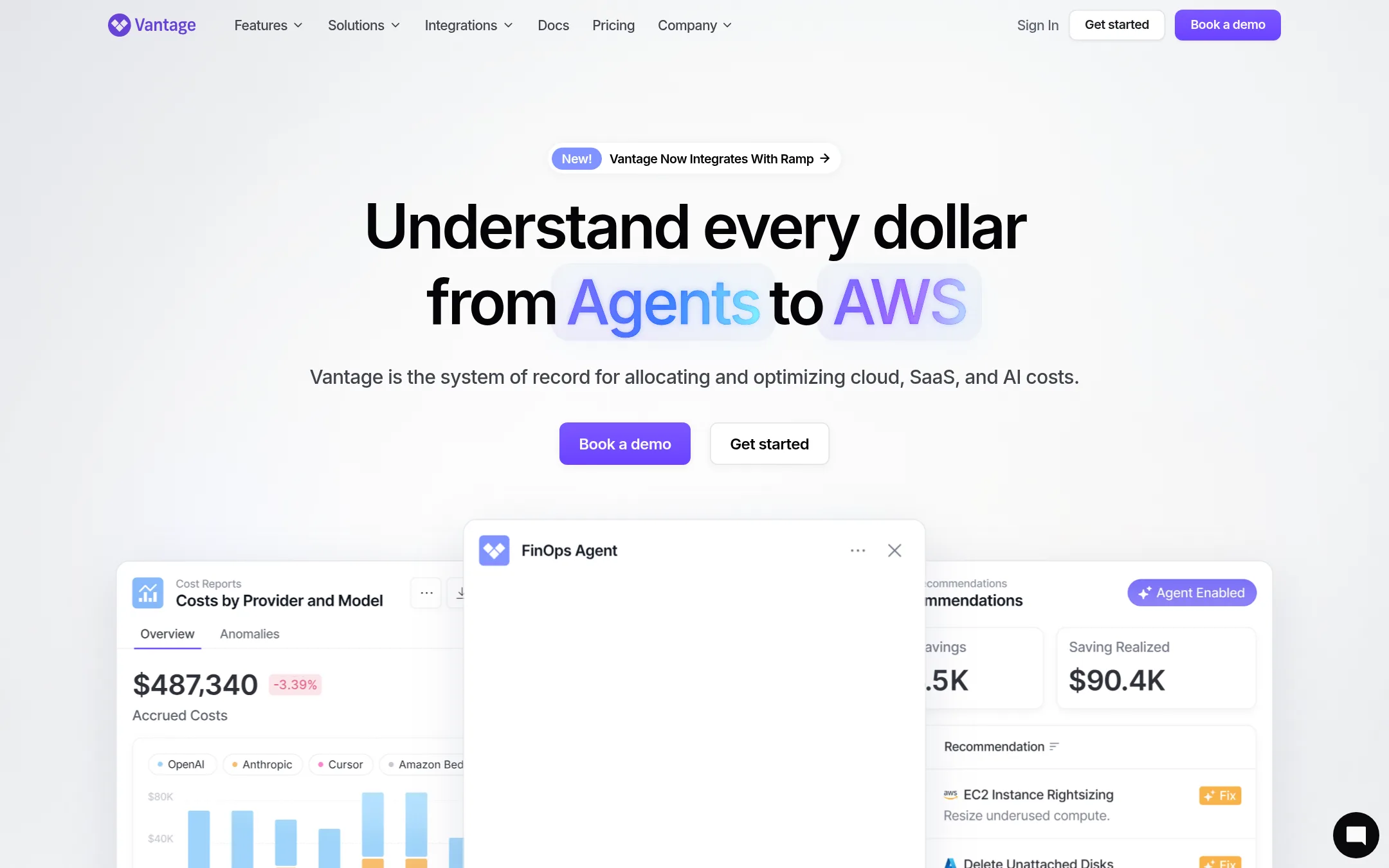
Vantage is a multi-cloud cost management platform for AWS, Azure, and GCP, with 40+ provider integrations and features like Autopilot for Savings Plans, Kubernetes rightsizing, and anomaly detection. Choose it over Strong Compute if you need broader cloud cost optimization across major providers, not just AI/LLM spend tracking.
Where it is strong
- Free tier covers up to $2,500 of cloud spend
- Autopilot automates AWS Savings Plans purchases
- Terraform provider for FinOps as code
Where it falls short
- No LLM token spend tracking for OpenAI or Anthropic
- Self-service tiers cap tracked cloud spend
- Pricing:
- Starter is free for up to $2,500 of cloud spend. Pro is $30/month for $7,500 of cloud spend. Business is $200/month for $20,000 of cloud spend. Enterprise is custom with unlimited spend.
- Switching from Strong Compute:
- Moving from Strong Compute means giving up unified LLM token and GPU spend dashboards, but you gain deeper AWS/Azure/GCP cost controls and automation.
- CNot published
2.CloudHealth by VMware
Best for: IT and FinOps teams managing multi-cloud infrastructure who need cost optimization across AWS, Azure, and GCP, not just AI workloads.

- Pricing
- Not published
- Category
- Other
CloudHealth by VMware is a cloud cost management platform for multi-cloud environments, focusing on AWS, Azure, and GCP. You would choose it instead of Strong Compute if you need broader cloud financial governance beyond AI/LLM spend, such as rightsizing, budgeting, and compliance across your entire cloud footprint.
Where it is strong
- Covers AWS, Azure, and GCP, not just AI-specific clouds.
- Provides cost allocation, budgeting, and rightsizing recommendations.
- Established enterprise tool with broad cloud governance features.
Where it falls short
- No LLM token spend tracking for OpenAI, Anthropic, or other AI providers.
- Site is currently unreachable, which may indicate availability issues.
- Pricing:
- Pricing is not published on the site.
- KNot published
3.Kubecost
Best for: Platform and cloud engineering teams running Kubernetes who want to track and reduce cluster costs with granular allocation and automation.
- Pricing
- Not published
- Category
- Other
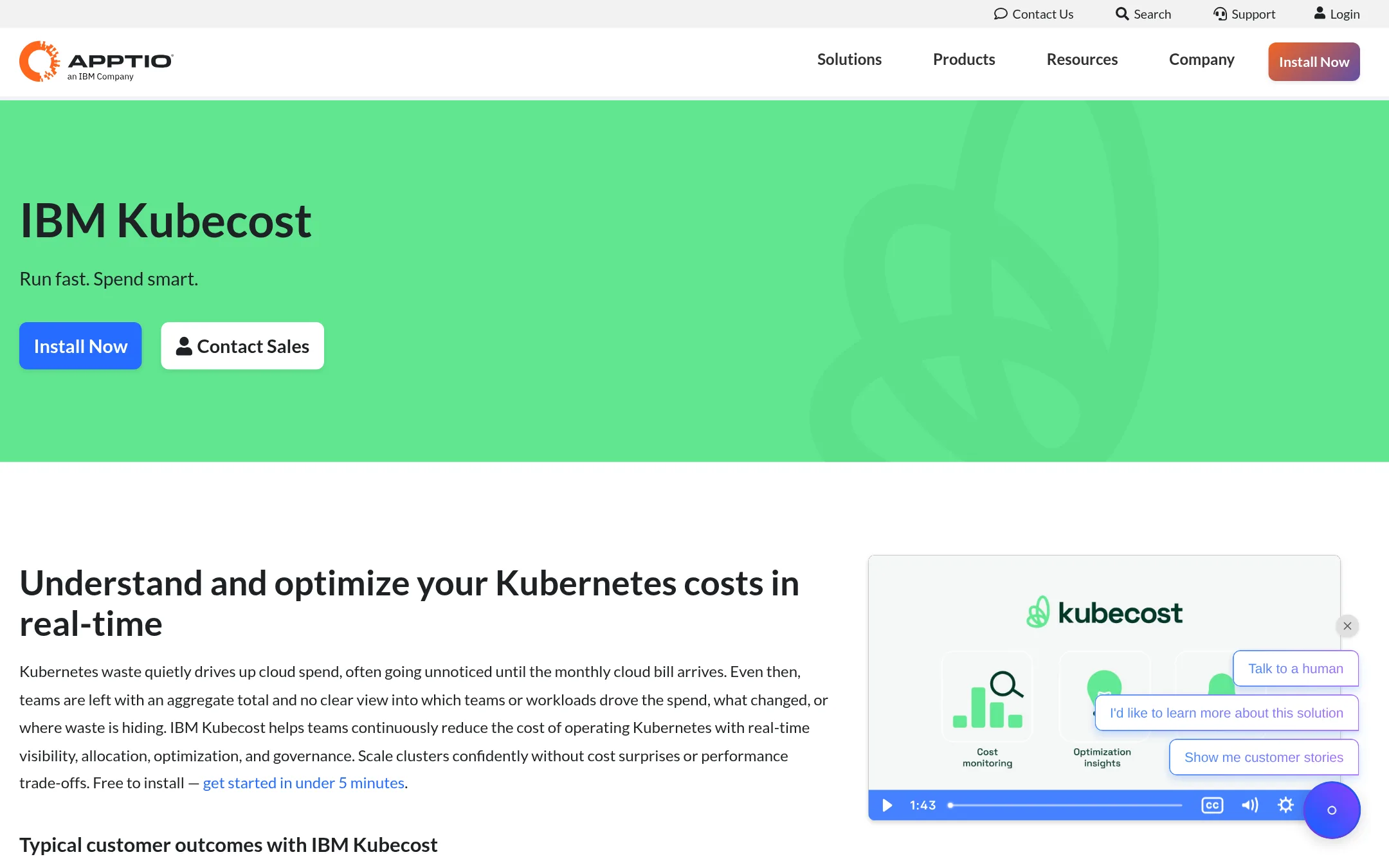
Kubecost is a Kubernetes-native cost monitoring and optimization tool that gives real-time visibility into cluster spend across teams, namespaces, and workloads. Choose it instead of Strong Compute if your AI workloads run on Kubernetes and you need deep cost allocation, showback, and automated optimization at the cluster level, not just a high-level AI spend dashboard.
Where it is strong
- Free tier with unlimited clusters up to 250 cores and 15-day metric retention.
- Breaks down costs by any Kubernetes object and reconciles with your cloud bill.
- Automates savings via request sizing and namespace turndown recommendations.
Where it falls short
- Focused on Kubernetes only, so it won't track LLM token spend from providers like OpenAI or Anthropic.
- Enterprise features like multi-cluster views and custom pricing require a paid plan, with no published pricing.
- Pricing:
- Pricing is not published on the site.
- Switching from Strong Compute:
- Moving from Strong Compute means shifting from a unified AI spend dashboard to a Kubernetes-centric cost tool, so you'll need to set up cluster monitoring and lose direct LLM token tracking.
- CCustom quote
4.CloudZero
Best for: Finance and engineering teams that need to tie every AI dollar to a specific customer, product, or transaction for board-level reporting.
- Pricing
- Custom quote
- Category
- Other
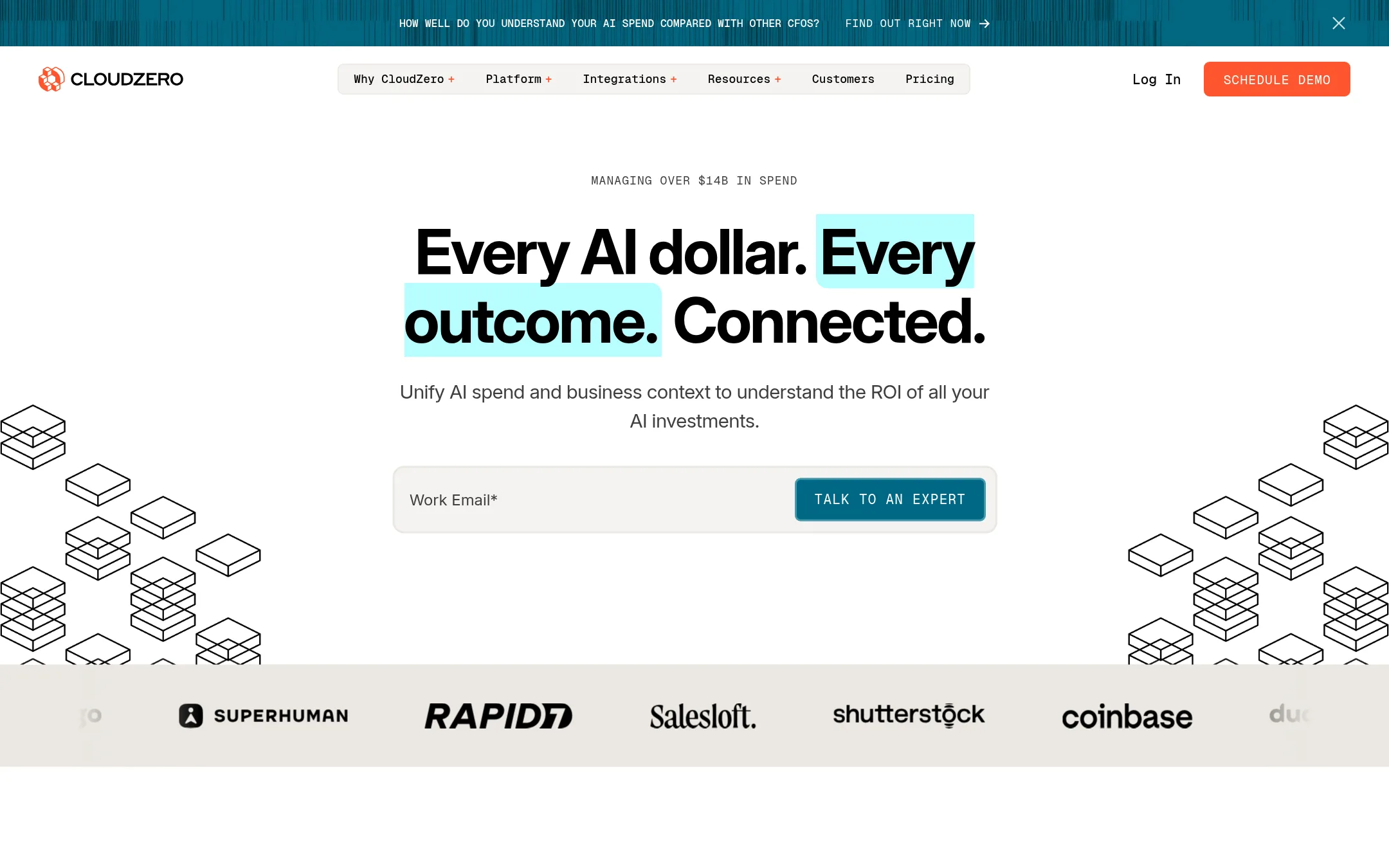
CloudZero is a financial control plane that maps AI and cloud spend to business outcomes like customers, products, and P&L. Choose it over Strong Compute if you need deep cost allocation and ROI attribution across many providers, not just a spend dashboard.
Where it is strong
- Allocates spend across unlimited dimensions, including customer, feature, and workflow
- Streaming telemetry catches anomalies in seconds, not days
- Includes optimization recommendations, budgets, and forecasts in one subscription
Where it falls short
- Pricing is custom quote only, no self-serve tier
- Setup may require providing data for special projects, adding time
- Pricing:
- Pricing is not published on the site. CloudZero requests a custom quote based on the scale and complexity of your environment.
- Not published
5.Datadog
Best for: Engineering teams that need full-stack monitoring, alerting, and troubleshooting across cloud infrastructure and applications, including GPU workloads.
- Pricing
- Not published
- Category
- Analytics & Data
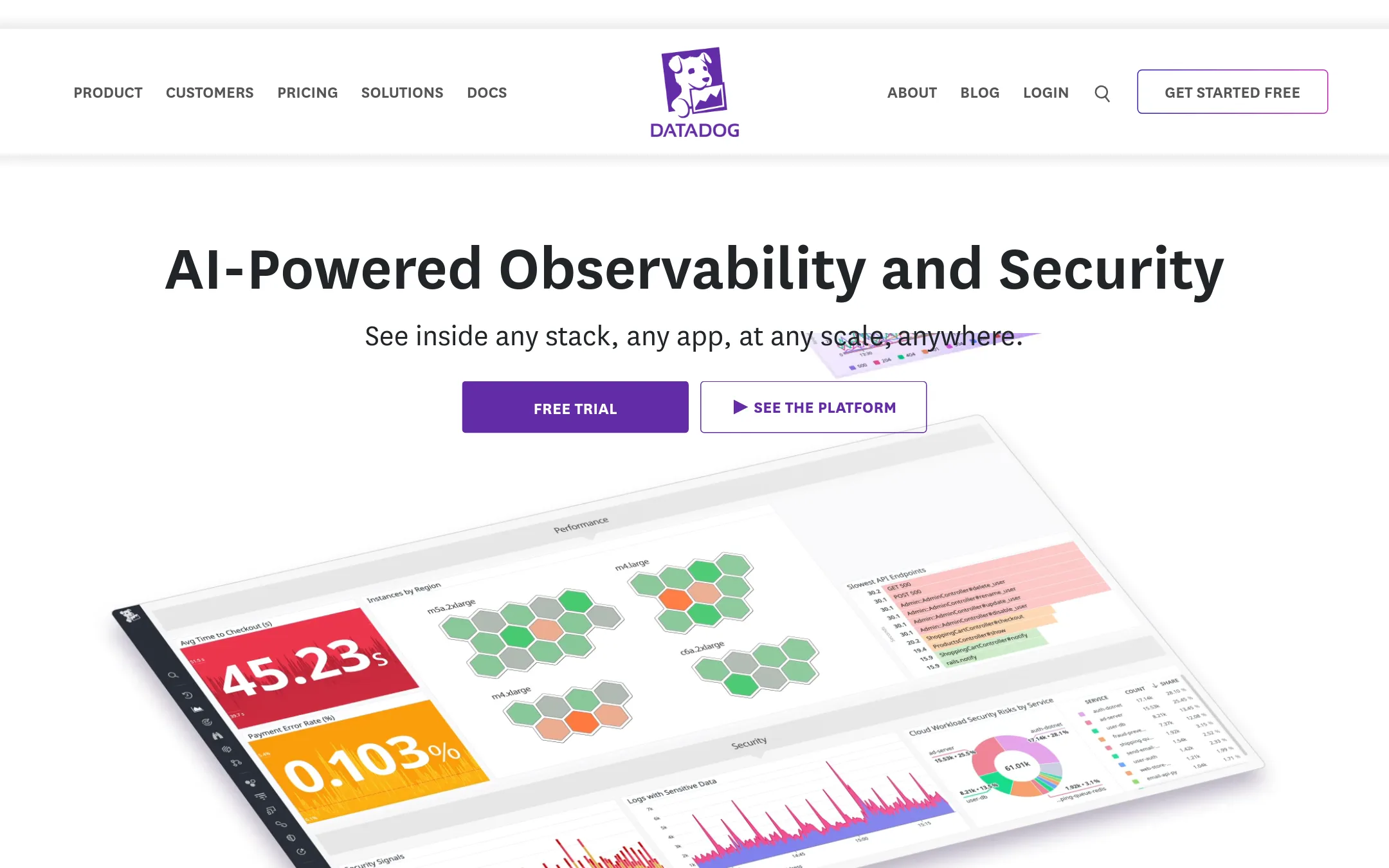
Datadog is a broad observability platform that monitors infrastructure, applications, logs, and security across your entire stack. You would choose it over Strong Compute when you need deep monitoring and alerting for GPU clusters, containers, and applications, not just a cost dashboard for AI spend.
Where it is strong
- Broad monitoring coverage: infrastructure, APM, logs, security, and GPU monitoring in one platform.
- Strong alerting and incident management features for production troubleshooting.
- Integrates with major clouds and Kubernetes, plus OpenTelemetry support.
Where it falls short
- Pricing is opaque and can become expensive at scale, especially with many custom metrics.
- No built-in LLM token cost tracking across providers like OpenAI or Anthropic.
- Pricing:
- Pricing is not published on the site.
- Switching from Strong Compute:
- Moving from Strong Compute means adopting a full observability platform, so you would replace the cost dashboard with Datadog's Cloud Cost Management and set up your own dashboards for AI spend.
- ANot published
6.Apptio Cloudability
Best for: Large enterprises with mature FinOps teams that need to track and optimize total cloud and IT spend across multiple business units.
- Pricing
- Not published
- Category
- Other
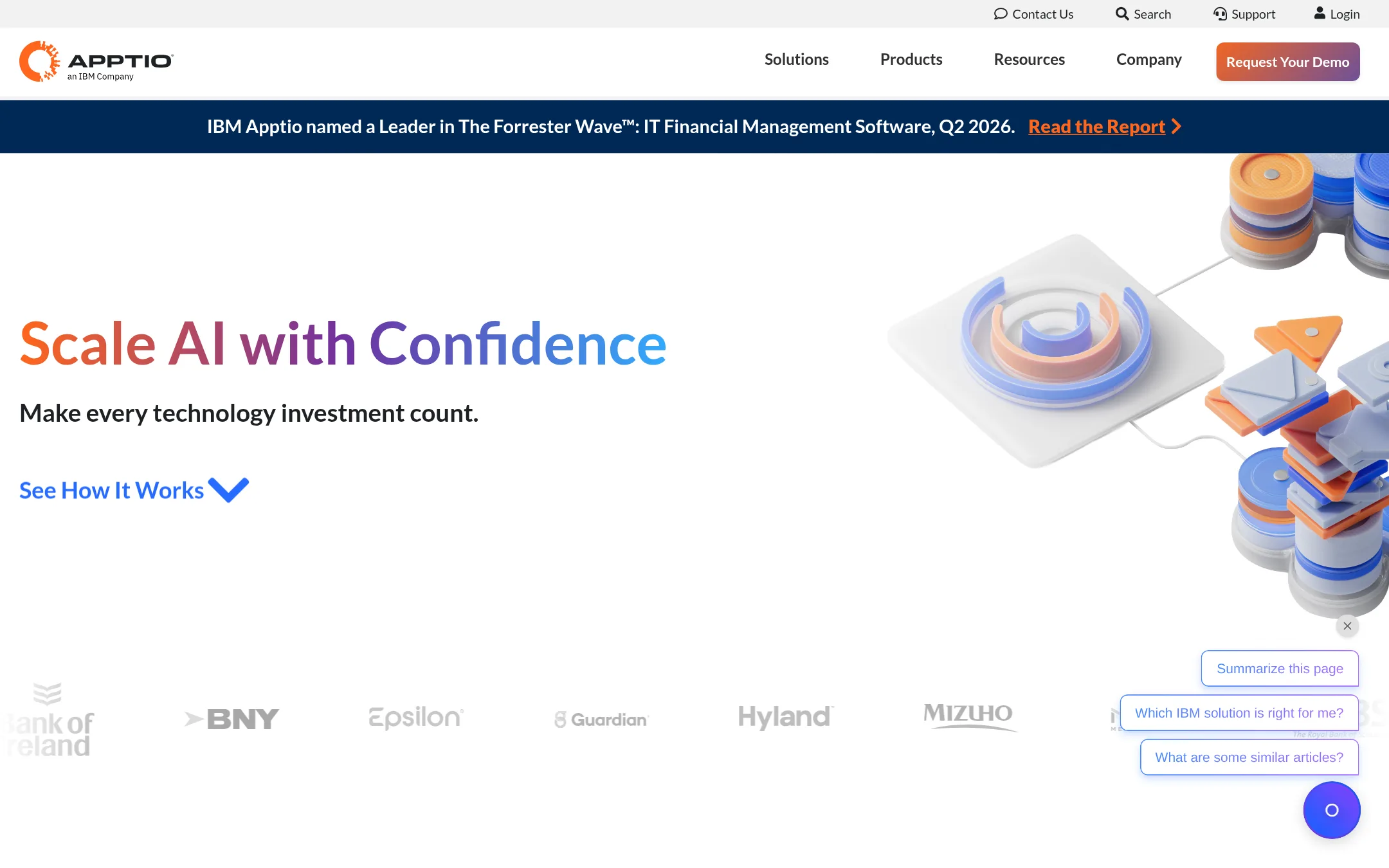
Apptio Cloudability is a broad IT financial management platform that helps large enterprises connect technology investments to business outcomes. Choose it over Strong Compute if you need to manage FinOps across all IT spend, not just AI/ML compute and LLM token costs.
Where it is strong
- Covers all cloud and IT spend, not just AI compute
- Named a Leader in The Forrester Wave for IT financial management
- Backed by IBM, suitable for enterprise-scale operations
Where it falls short
- No published pricing, likely enterprise contract only
- Not focused on AI/ML-specific GPU and token cost tracking
- Pricing:
- Pricing is not published on the site.
See more comparisons in AI & Machine Learning alternatives.
FAQ
Questions about Strong Compute alternatives
Which alternative is best for tracking LLM token spend like Strong Compute?
None of the alternatives track LLM token spend from OpenAI or Anthropic as Strong Compute does. For AI-specific cost tracking, you would need to stick with Strong Compute or use a custom solution.
What is the cheapest option for cloud cost management?
Vantage offers a free tier for up to $2,500 of cloud spend, making it the most accessible. Kubecost also has a free tier with unlimited clusters up to 250 cores.
Which tool is best for Kubernetes-based AI workloads?
Kubecost is the strongest choice for Kubernetes-native cost monitoring, providing granular allocation by namespace, deployment, or any other object. It automates savings through request sizing and turndown recommendations.
Are there any tools with published pricing?
Only Vantage publishes its pricing tiers. Strong Compute lists a $10,000/year plan, but most other alternatives require a custom quote or do not disclose pricing.
Which alternative is best for enterprise-wide FinOps?
CloudZero and Apptio Cloudability are both designed for large enterprises. CloudZero maps spend to business outcomes like customers and products, while Apptio Cloudability covers all IT spend and is backed by IBM.
Last updated November 3, 2026.