
Synth alternatives
6 products compared · Updated November 4, 2026
The short answer
For free, large-scale academic paper discovery, Semantic Scholar is the strongest alternative. For systematic literature reviews and evidence tables, Elicit is the best fit. For visual mapping of citation networks, Connected Papers is the top choice.
Your shortlist, at a glance
Read the comparisons ↓- EElicitFrom $11/user/moResearch teams and analysts who need to screen papers, extract data into tables, and run systematic literature reviews.
- CConsensusNot publishedResearchers, students, and clinicians who need to search and analyze peer-reviewed papers for literature reviews or clinical questions.
- SSciteNot publishedResearchers, students, and teams in academia or industry who need citation-backed answers and evidence assessment from the scientific literature.
- SSemantic ScholarNot publishedResearchers and developers who need free, large-scale paper discovery and an API for scholarly search.
- RResearch RabbitSee websiteOther
- CConnected PapersNot publishedResearchers and applied scientists who want a visual overview of academic literature and citation networks.
About Synth and its alternatives
Synth is a cloud platform for applied AI research. It offers hosted research agents and a searchable index that cites exact write-up versions. Its pricing is usage-based, with free, standard, and max tiers that include weekly usage allowances.
When comparing alternatives, consider pricing structure, geographic availability, integrations, support, and contract terms. Some tools are free or have transparent pricing, while others require contacting sales. Check whether the tool covers academic literature or general web research, and whether it offers APIs or agent runs.
Explore the alternatives
- EFrom $11/user/mo
1.Elicit
Best for: Research teams and analysts who need to screen papers, extract data into tables, and run systematic literature reviews.
- Pricing
- From $11/user/mo
- Category
- Other
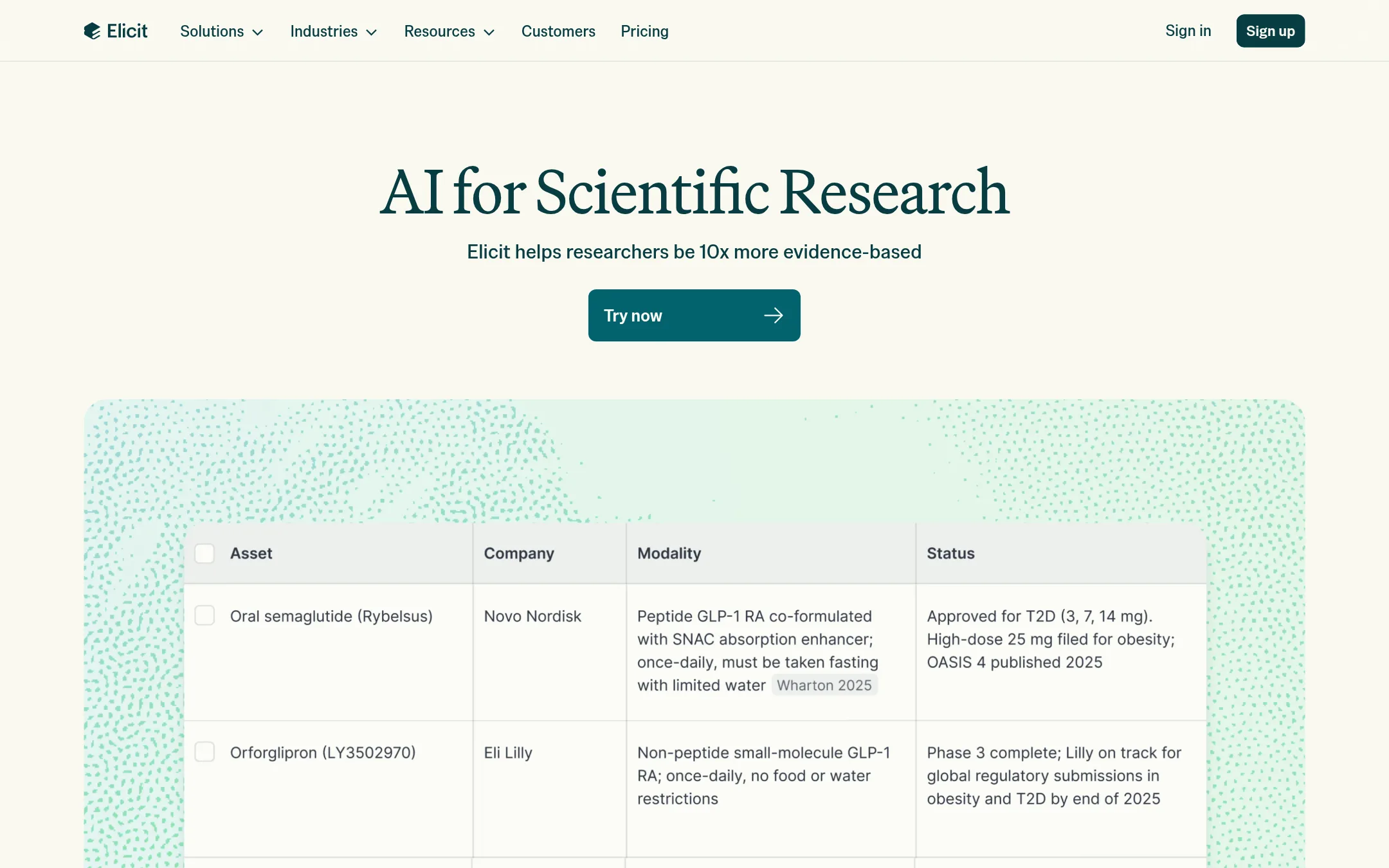
Elicit is an AI research assistant that searches over 138 million papers, summarizes findings, and builds evidence tables. Choose it over Synth when your work is about literature review and evidence synthesis for research reports, not about optimizing prompts for coding agents.
Where it is strong
- Unlimited search across 138M+ papers on the free plan
- Export to RIS, CSV, BIB, PDF, and DOCX on Plus
- Dedicated systematic review workflow on Pro can screen 5,000 papers
Where it falls short
- No hosted agent runs or API access below the Pro plan
- Focused on research papers, not coding agent context optimization
- Pricing:
- Free plan available. Plus is $11 per user/month billed annually ($132/year). Pro is $39 per user/month billed annually ($468/year). Scale is $89 per user/month billed annually ($1,068/year). Enterprise is custom.
- CNot published
2.Consensus
Best for: Researchers, students, and clinicians who need to search and analyze peer-reviewed papers for literature reviews or clinical questions.
- Pricing
- Not published
- Category
- Other
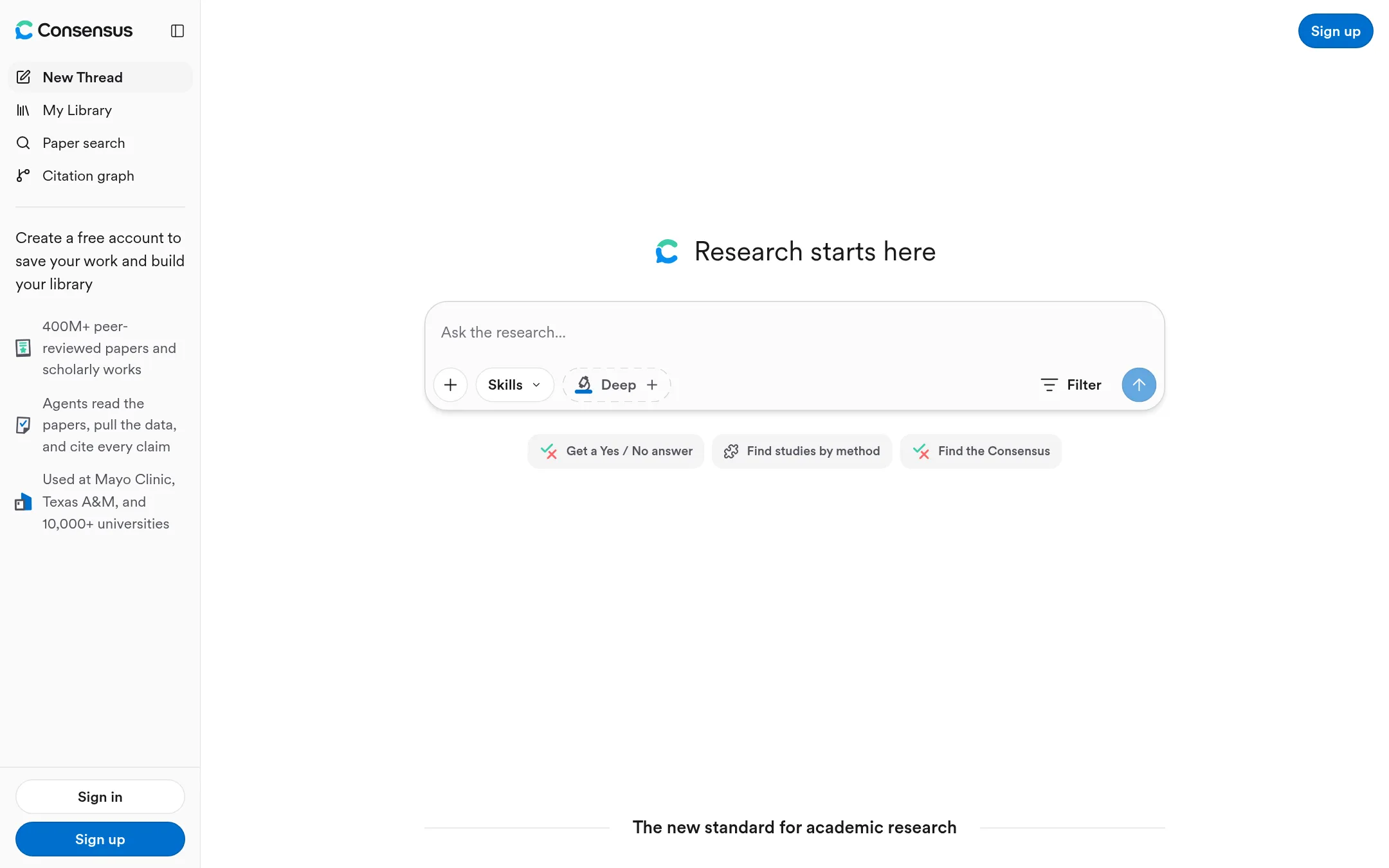
Consensus is an AI academic search engine that searches and analyzes peer-reviewed literature, drawing on 250M+ papers. Choose it over Synth when your work is literature review and evidence synthesis in academic or clinical settings, not coding-agent prompt optimization.
Where it is strong
- Searches 250M+ peer-reviewed papers, including licensed full text.
- Consensus Meter gives a visual read on agreement across studies.
- Medical mode narrows results to clinical guidelines and top journals.
Where it falls short
- No published pricing. Likely requires contacting sales for team plans.
- Focused on academic literature, not coding-agent context optimization.
- Pricing:
- Pricing is not published on the site.
- SNot published
3.Scite
Best for: Researchers, students, and teams in academia or industry who need citation-backed answers and evidence assessment from the scientific literature.
- Pricing
- Not published
- Category
- Other
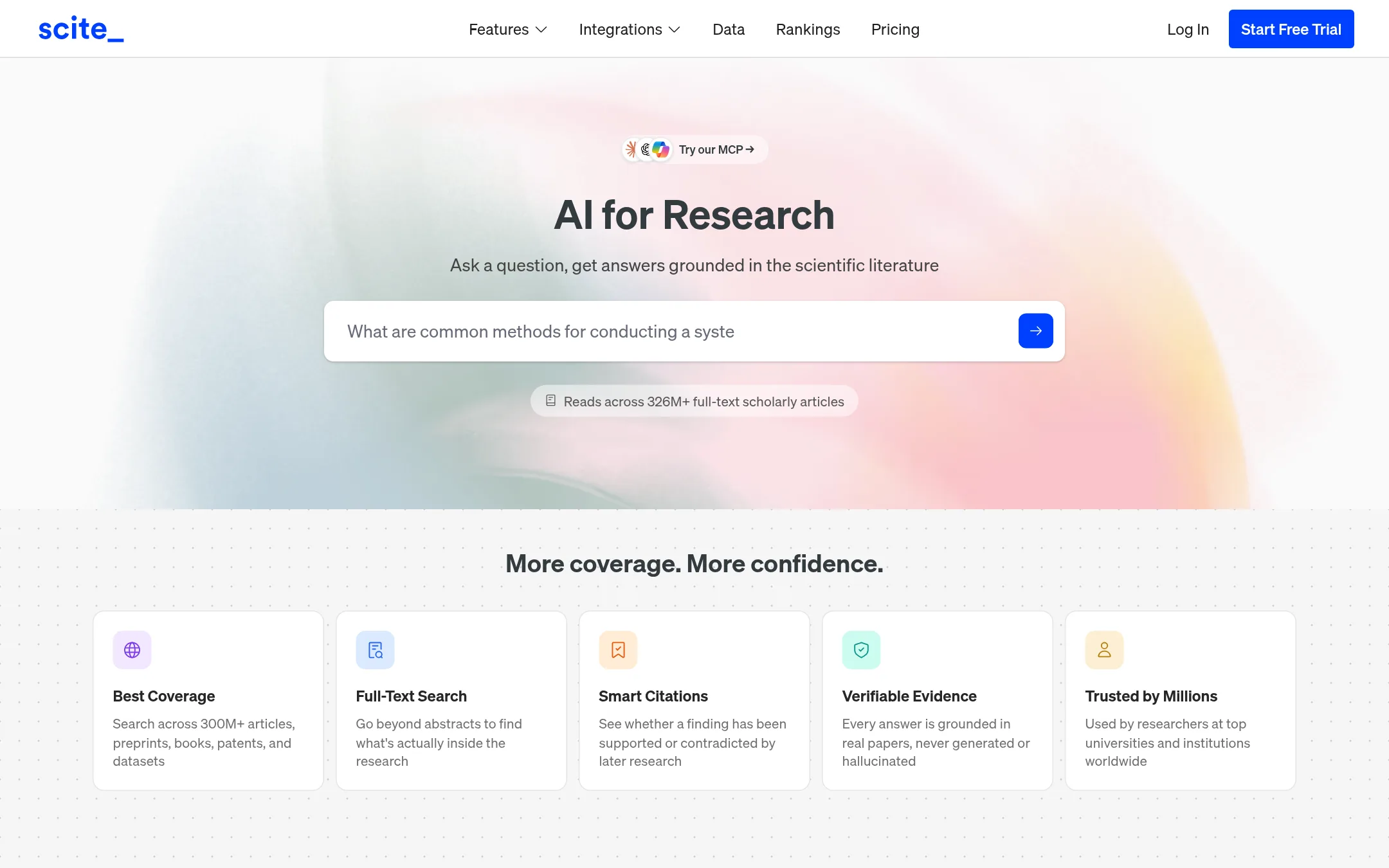
Scite is a research tool that reads across a large licensed database of scholarly articles and shows how claims are supported or disputed in later work. Choose it over Synth when your work is about verifying scientific evidence and finding citable sources, not about optimizing prompts for coding agents.
Where it is strong
- Reads full text from 323M+ articles, including paywalled content via publisher agreements.
- Smart Citations show how later research supports or challenges a claim.
- Works inside Claude, ChatGPT, Zotero, and via API.
Where it falls short
- Pricing is not transparent on the site.
- Focused on scholarly literature, not coding agent contexts.
- Pricing:
- Pricing is not published on the site. Plans are available via a 7-day free trial, and enterprise plans require contacting sales.
- SNot published
4.Semantic Scholar
Best for: Researchers and developers who need free, large-scale paper discovery and an API for scholarly search.
- Pricing
- Not published
- Category
- Other
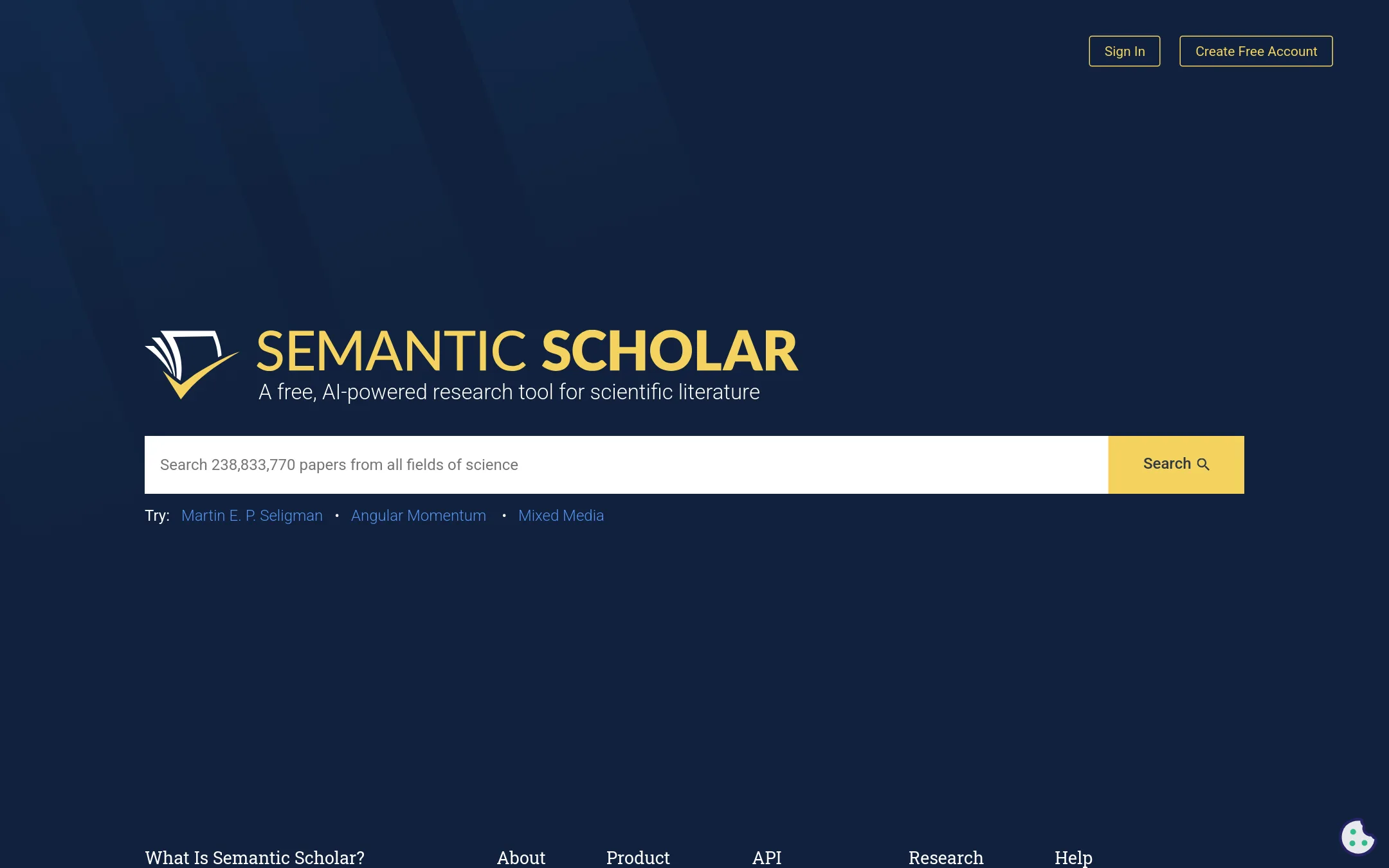
Semantic Scholar is a free, AI-powered search engine for scientific literature, covering over 240 million papers. Choose it over Synth when you need to find and read academic papers directly, rather than run hosted research agents that synthesize results.
Where it is strong
- Free to use with no usage limits
- Covers 240+ million papers across all sciences
- Provides an API for building scholarly apps
Where it falls short
- No hosted research agents or synthesis
- Limited to scientific literature, not general web research
- Pricing:
- Pricing is not published on the site.
- RSee website
5.Research Rabbit
Other
It is a tool for discovering and visualizing academic papers and authors, useful for research exploration.
- CNot published
6.Connected Papers
Best for: Researchers and applied scientists who want a visual overview of academic literature and citation networks.
- Pricing
- Not published
- Category
- Other
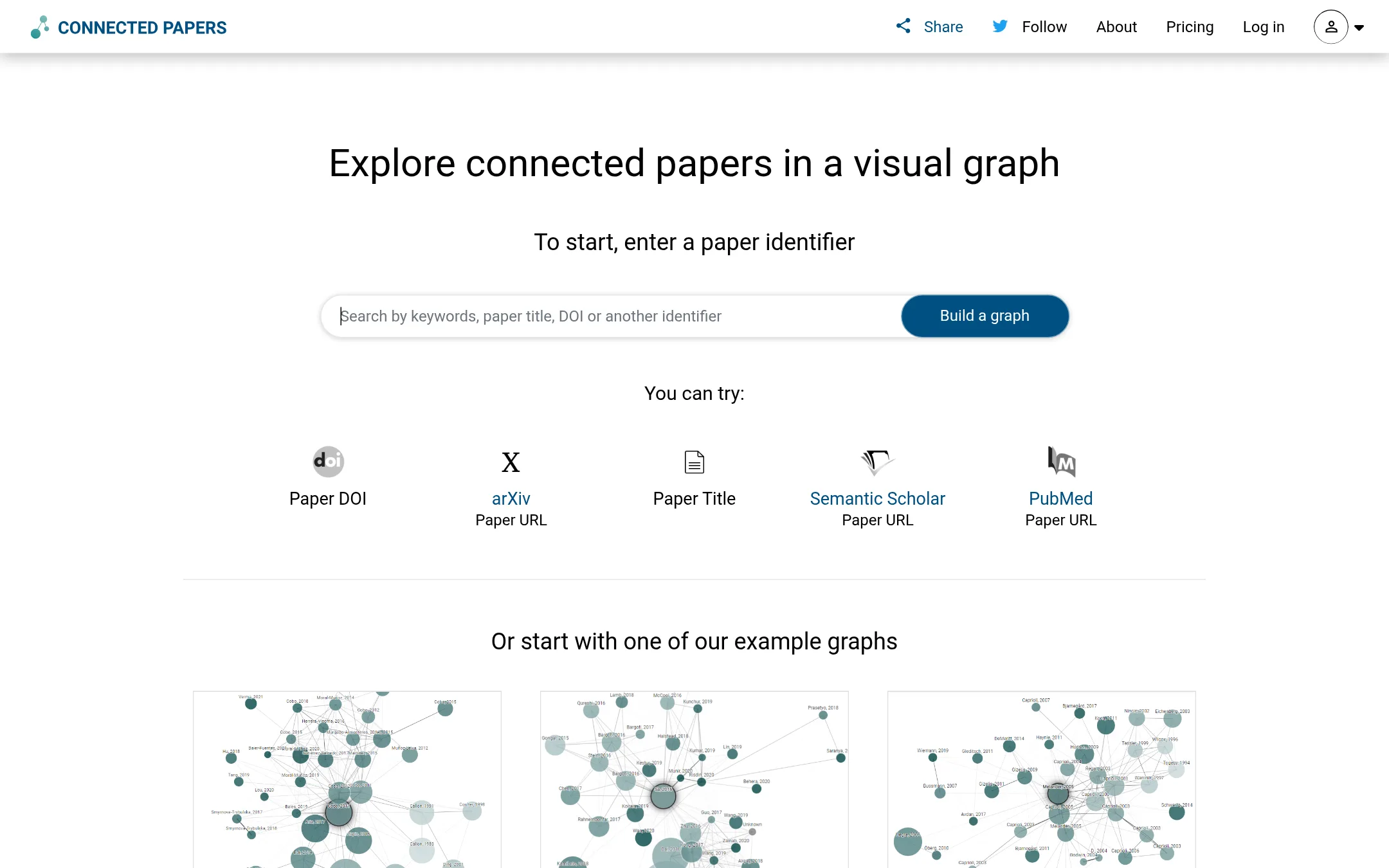
Connected Papers is a visual tool for exploring academic papers through graphs, built on the Semantic Scholar database. Choose it when you need to map a research field, verify you haven't missed key papers, or build a bibliography, rather than running AI research agents.
Where it is strong
- Visual graph of connected papers for quick field overview
- Works across all scientific fields via Semantic Scholar
- Supports input from DOI, arXiv, title, and more
Where it falls short
- No hosted research agents or automated search runs
- Requires manual entry of a seed paper to start
- Pricing:
- Pricing is not published on the site.
See more comparisons in AI & Machine Learning alternatives.
FAQ
Questions about Synth alternatives
Are these alternatives free to use?
Semantic Scholar and Connected Papers are free to use. Elicit has a free plan with unlimited search. Consensus and Scite do not publish pricing and may require contacting sales.
Which alternative is best for systematic literature reviews?
Elicit is designed for systematic reviews, with a Pro plan that can screen 5,000 papers. It also supports exporting to RIS, CSV, BIB, PDF, and DOCX. Consensus and Scite are also strong for evidence synthesis.
Do any of these tools offer APIs?
Semantic Scholar provides an API for scholarly search. Scite works via API and inside Claude, ChatGPT, and Zotero. Elicit does not offer API access below the Pro plan.
Which alternative covers the most papers?
Scite reads full text from 323M+ articles, and Consensus searches 250M+ peer-reviewed papers. Semantic Scholar covers 240M+ papers. Connected Papers uses the Semantic Scholar database.
Are these tools suitable for coding agent context optimization?
No. These alternatives focus on academic literature and research. Synth is specifically for prompt and context optimization for coding agents, which none of these tools address.
Last updated November 4, 2026.