
Taktile alternatives
11 products compared · Updated October 17, 2026
The short answer
For financial decisioning, the strongest alternatives to Taktile are ComplyAdvantage for AML and fraud detection with a transparent entry price, Feedzai for real-time fraud at massive scale, and Palantir Foundry for large enterprises needing a broader data and decision platform. ComplyAdvantage suits small to mid-size fintechs, Feedzai suits global banks, and Palantir Foundry suits complex operations beyond finance.
Your shortlist, at a glance
Read the comparisons ↓ FeedzaiNot publishedGlobal banks and large fintechs that need AI-first fraud detection and AML monitoring across millions of transactions.
 FeaturespaceNot publishedBanks, payment processors, and insurers that need real-time fraud and anti-money laundering detection across card, payment, and merchant transactions.
 NICE ActimizeNot publishedLarge banks and financial institutions that need dedicated AML and fraud prevention with case management and regulatory auditability.
 MetoficoNot publishedLife science research teams that need automated animal tracking and behavior recognition from video without coding.
SAS AMLNot publishedLarge banks and insurers that need a dedicated AML compliance platform with SAS's analytics ecosystem and regulatory reporting capabilities.
 Palantir FoundryNot publishedLarge enterprises in government, defense, and manufacturing that need a customizable data and decision platform for complex, mission-critical operations.
 DataRobotNot publishedLarge enterprises that need to build and govern AI agents across multiple business functions, not just credit and claims decisions.
 UiPathNot publishedEnterprises that need a multi-purpose automation platform for orchestrating agents, robots, and people across various back-office processes, not just credit or insurance decisions.
 ComplyAdvantageFrom $99/moFinancial institutions and fintechs that need a dedicated AML and fraud detection platform with agentic workflows to reduce false positives and automate routine alerts.
 ThetaRayNot publishedBanks and fintechs that need specialized AML transaction monitoring and screening with low alert volumes.
Estimote, Inc.Not publishedTeams building indoor wayfinding, asset tracking, or occupancy automation in offices, hospitals, or transit hubs.
About Taktile and its alternatives
Taktile is an agentic decision platform for banking and insurance. It helps teams automate onboarding, underwriting, and claims by combining AI agents, decision logic, and human review. The platform is known for its 200+ integrations, fast go-live times, and continuous optimization tools.
When comparing alternatives, weigh pricing structure, since most vendors do not publish prices. Consider regional coverage, especially for AML and fraud tools. Check integration depth with your existing systems. Evaluate support and contract terms, as enterprise plans often require sales engagement.
Explore the alternatives
- Not published
1.Feedzai
Best for: Global banks and large fintechs that need AI-first fraud detection and AML monitoring across millions of transactions.
- Pricing
- Not published
- Category
- AI & Machine Learning
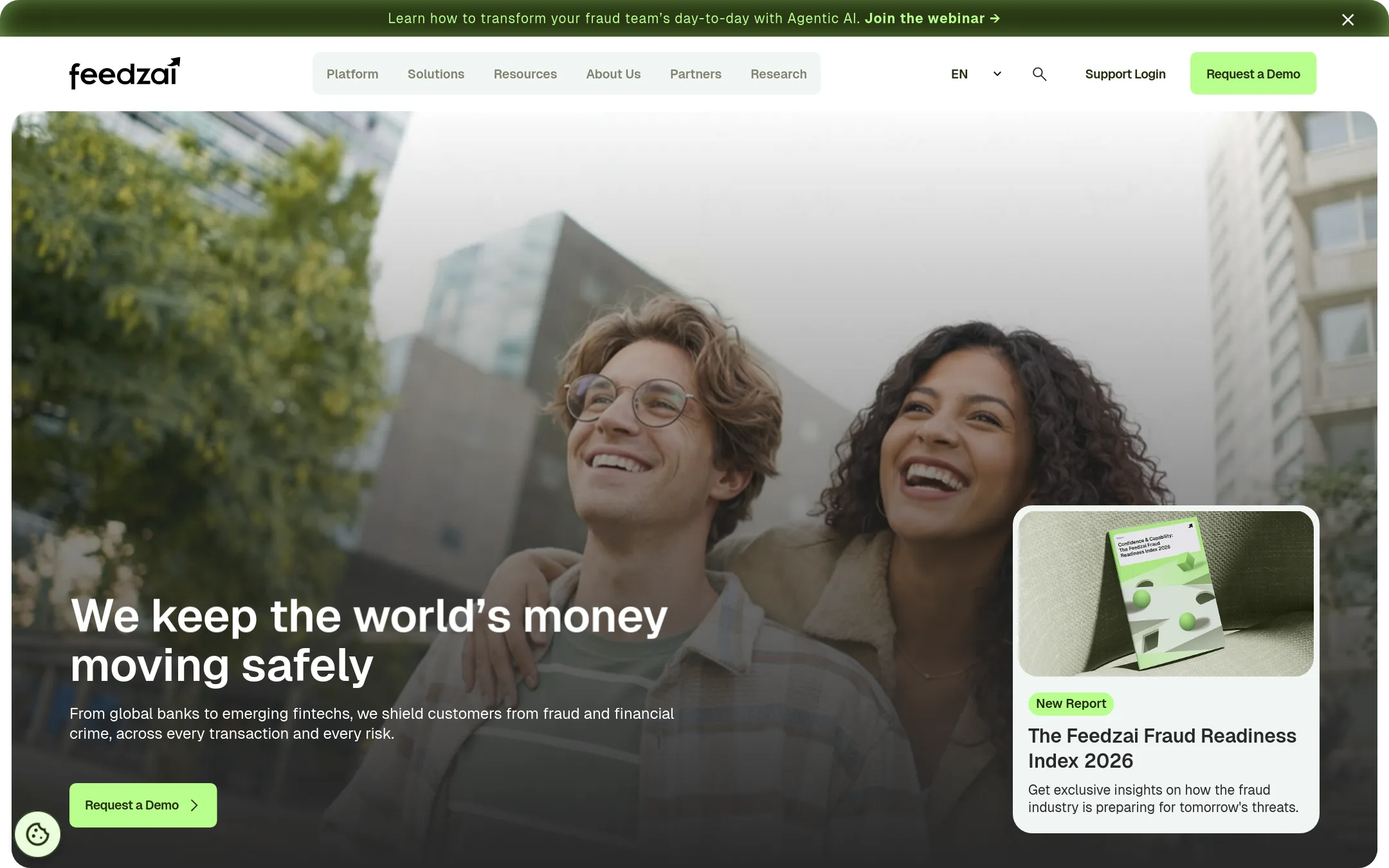
Feedzai is an AI-native fraud and financial crime prevention platform that secures transactions across channels for banks and fintechs. Choose it over Taktile when your primary focus is real-time fraud detection and AML compliance at massive scale, rather than broader decision orchestration for onboarding, underwriting, and claims.
Where it is strong
- Proven scale: secures $9T in payments and processes 120B events per year.
- Strong fraud detection: 62% more fraud detected and 73% fewer false positives vs. previous solutions.
- Fast model deployment: 25x faster than prior approaches, with a focus on real-time decisions.
Where it falls short
- Pricing is not public, likely enterprise-only.
- Narrower scope than Taktile: focuses on fraud and AML, not general decision logic for onboarding or claims.
- Pricing:
- Pricing is not published on the site.
- Not published
2.Featurespace
Best for: Banks, payment processors, and insurers that need real-time fraud and anti-money laundering detection across card, payment, and merchant transactions.
- Pricing
- Not published
- Category
- AI & Machine Learning
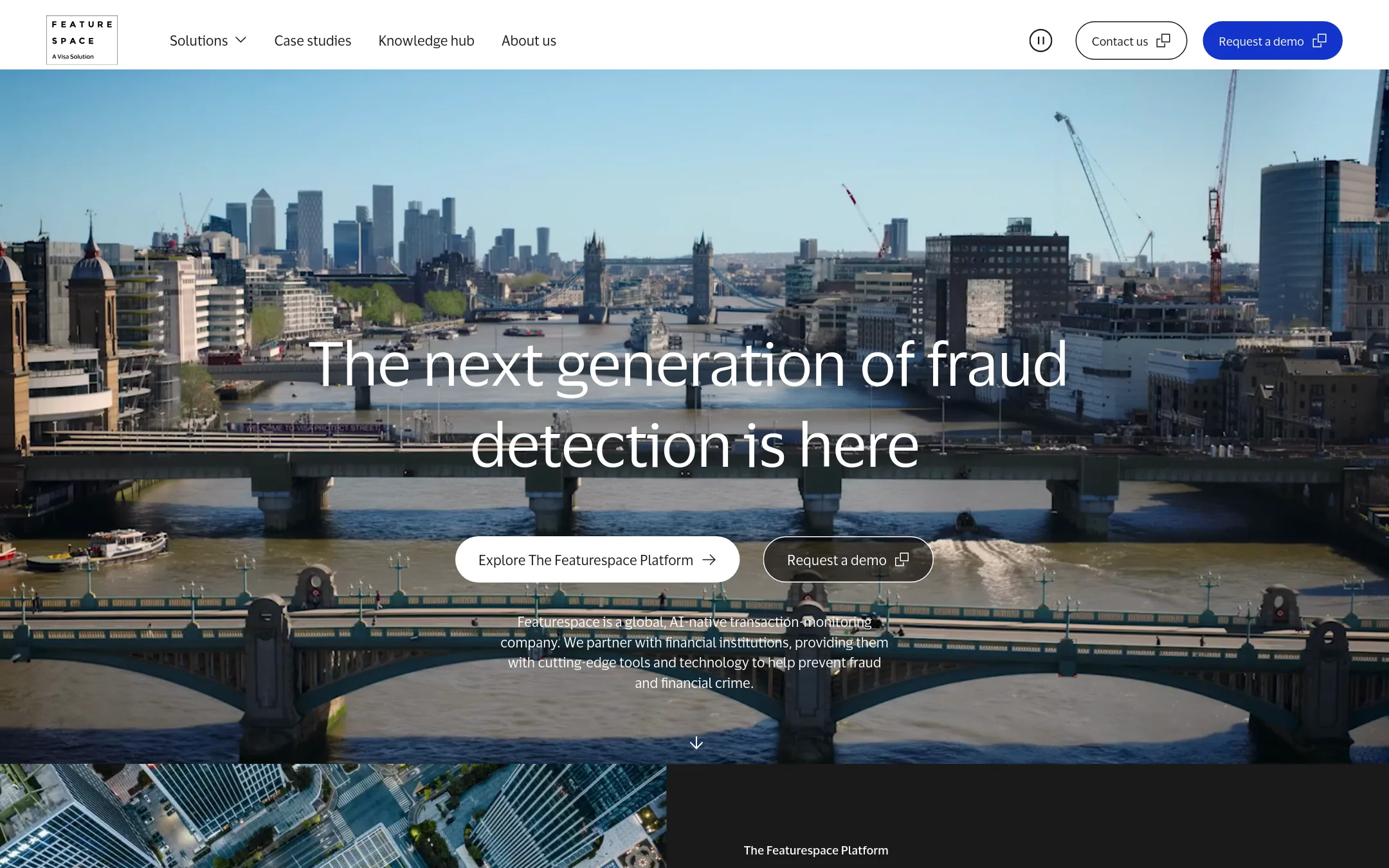
Featurespace is a real-time transaction monitoring platform focused on fraud and financial crime detection. Choose it over Taktile if your priority is a specialized, AI-native fraud prevention system rather than a broader decisioning platform for onboarding, underwriting, and claims.
Where it is strong
- Real-time adaptive machine learning models
- Deployed in over 180 countries
- Solutions for card, payment, check, application fraud, and AML
Where it falls short
- Pricing is not public, likely enterprise-only
- Narrower focus than Taktile, which also covers onboarding and claims
- Pricing:
- Pricing is not published on the site.
- Not published
3.NICE Actimize
Best for: Large banks and financial institutions that need dedicated AML and fraud prevention with case management and regulatory auditability.
- Pricing
- Not published
- Category
- AI & Machine Learning
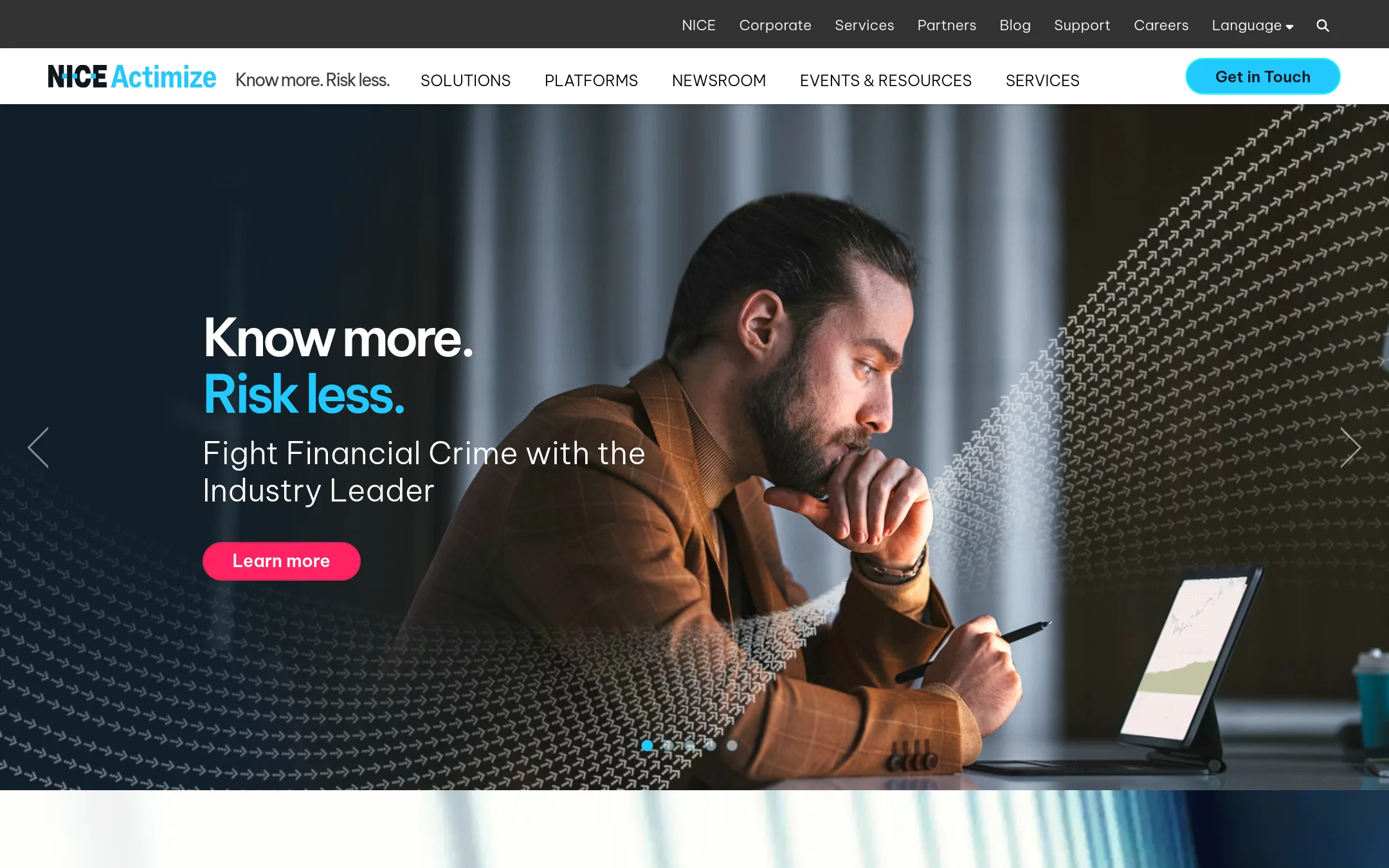
NICE Actimize is a specialized financial crime platform for AML, fraud, and trade surveillance. Choose it over Taktile when your primary need is regulatory compliance and fraud detection at enterprise scale, rather than general decision orchestration.
Where it is strong
- Entity-centric AML with full compliance coverage and audit trails
- Real-time fraud prevention across channels, adapting to new threats
- Trade surveillance with cross-asset correlation (SURVEIL-X)
Where it falls short
- Enterprise-focused, likely heavy for startups or smaller teams
- No public pricing or self-serve onboarding
- Pricing:
- Pricing is not published on the site.
- Switching from Taktile:
- Moving from Taktile would require replacing your decision logic and agent workflows with Actimize's specialized financial crime modules, which is a significant migration.
- Not published
4.Metofico
Best for: Life science research teams that need automated animal tracking and behavior recognition from video without coding.
- Pricing
- Not published
- Category
- Analytics & Data
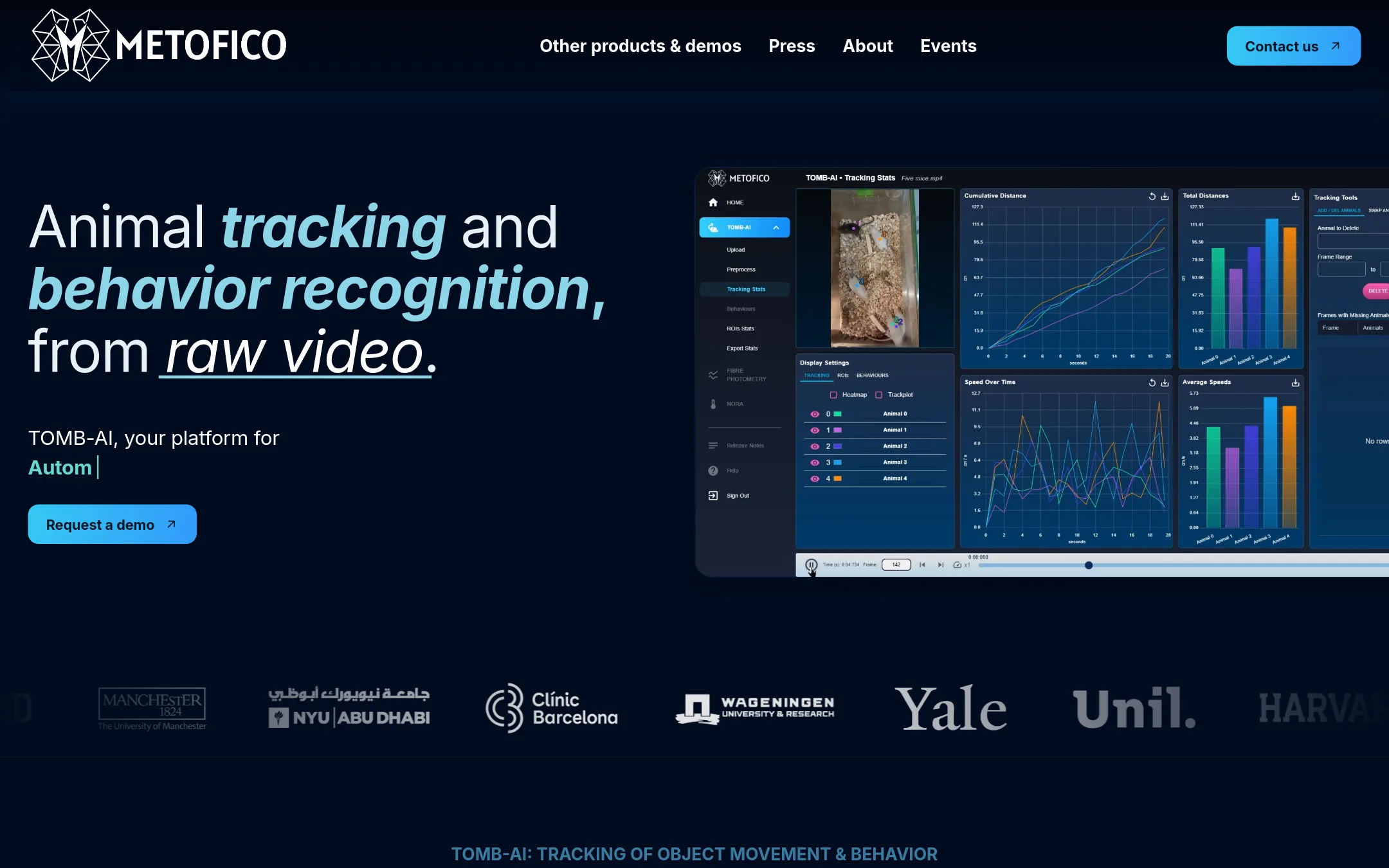
Metofico is a no-code platform for analyzing animal behavior and tracking from raw video, aimed at life science researchers. Choose it over Taktile when your work is in behavioral neuroscience or pharmacology and you need automated video analysis, not financial decisioning.
Where it is strong
- No keypoint labeling or physical markers needed
- Analyzes video at 1/10 of runtime, fast results
- Works across species, camera angles, and environments
Where it falls short
- Focused only on life science research, not financial decisions
- Custom behavior models require sending annotated videos and collaboration
- Pricing:
- Pricing is not published on the site.
- Not published
5.SAS AML
Best for: Large banks and insurers that need a dedicated AML compliance platform with SAS's analytics ecosystem and regulatory reporting capabilities.
- Pricing
- Not published
- Category
- AI & Machine Learning
SAS AML is an enterprise analytics suite focused on anti-money laundering compliance, with pre-built detection models and case management. Choose it when your priority is regulatory AML reporting and you already run a SAS shop, rather than building custom decision workflows across onboarding, underwriting, and claims like Taktile does.
Where it is strong
- Purpose-built for AML compliance with regulatory reporting
- Deep SAS analytics integration for large enterprises
- Mature case management and investigation workflows
Where it falls short
- Narrower scope than Taktile, focused on AML rather than broader decisioning
- Tied to SAS ecosystem, harder to use standalone
- Pricing:
- Pricing is not published on the site.
- Switching from Taktile:
- Moving from Taktile means rebuilding your decision logic in SAS's AML-specific framework, which is a different paradigm from Taktile's agentic platform.
- Not published
6.Palantir Foundry
Best for: Large enterprises in government, defense, and manufacturing that need a customizable data and decision platform for complex, mission-critical operations.
- Pricing
- Not published
- Category
- Productivity & Project Management
Palantir Foundry is a general-purpose data and decision platform that integrates data, builds ontologies, and runs AI-driven operations across large enterprises. Choose it over Taktile when your organization needs a broader operational backbone beyond just financial decisioning, such as manufacturing, defense, or supply chain workflows. It suits teams that already have heavy engineering resources and want to build custom decision systems on top of a unified data plane.
Where it is strong
- Handles massive scale and complex data integration across many systems.
- Offers a full developer platform with ontology modeling and custom app building.
- Strong track record in mission-critical government and industrial deployments.
Where it falls short
- Requires significant engineering investment to set up and maintain.
- Pricing is opaque and likely enterprise-only, with no self-serve option.
- Pricing:
- Pricing is not published on the site.
- Switching from Taktile:
- Moving from Taktile to Foundry means rebuilding your decision logic and workflows inside a broader data platform, which is a substantial engineering project.
- Not published
7.DataRobot
Best for: Large enterprises that need to build and govern AI agents across multiple business functions, not just credit and claims decisions.
- Pricing
- Not published
- Category
- AI & Machine Learning
DataRobot is a general-purpose enterprise AI platform for building, operating, and governing AI agents across any industry. Choose it over Taktile if your focus is broad AI agent orchestration and governance rather than banking and insurance decision workflows.
Where it is strong
- Supports building agents in your own dev environment or on DataRobot's platform.
- Includes governance features for tracking, controlling, and auditing agent activity.
- Recognized as a leader in industry analyst reports for AI platforms.
Where it falls short
- No pre-built banking or insurance decision templates like Taktile's KYB/KYC and underwriting flows.
- Requires more in-house engineering to set up decision logic and human review workflows.
- Pricing:
- Pricing is not published on the site.
- Not published
8.UiPath
Best for: Enterprises that need a multi-purpose automation platform for orchestrating agents, robots, and people across various back-office processes, not just credit or insurance decisions.
- Pricing
- Not published
- Category
- Productivity & Project Management
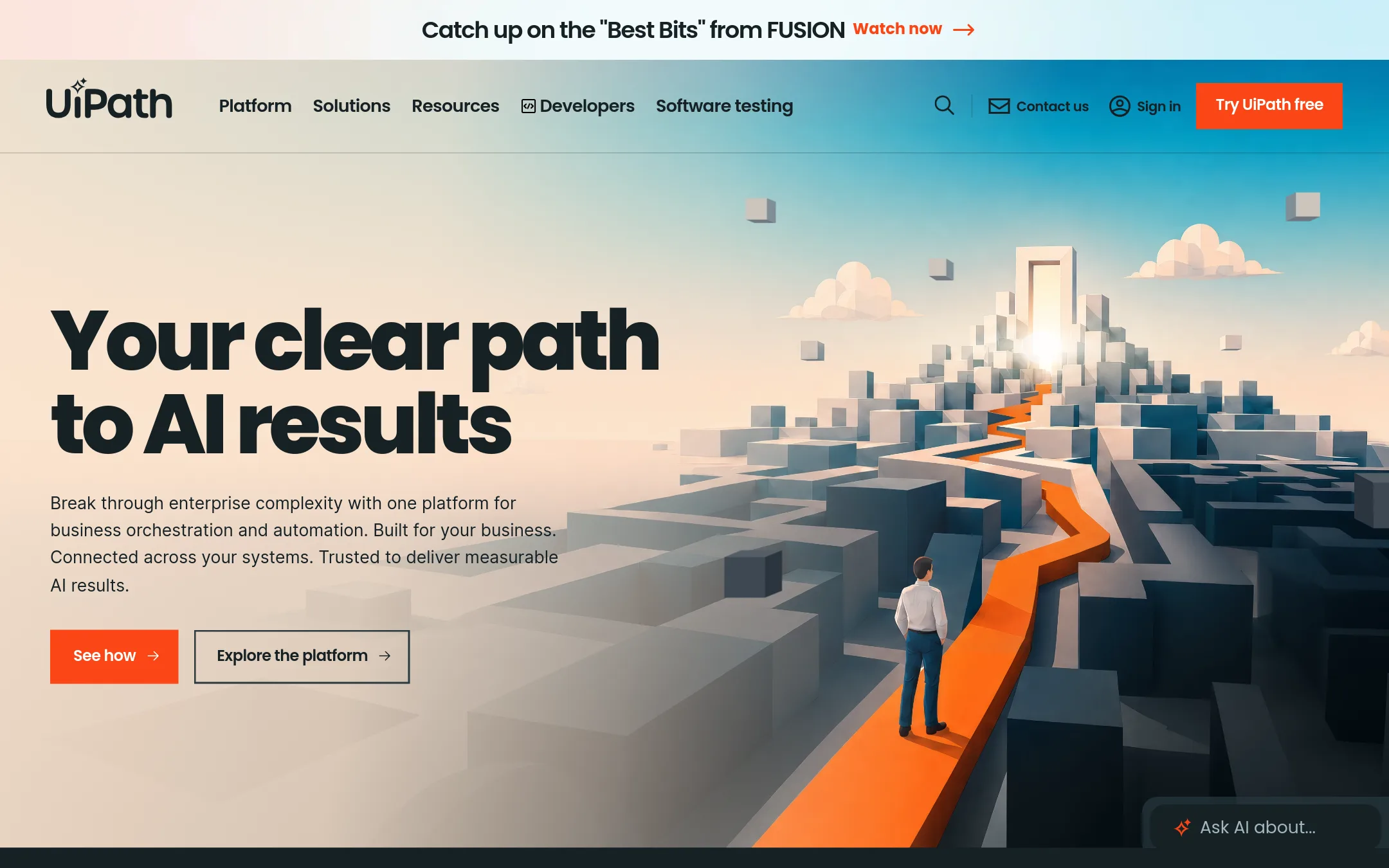
UiPath is a general-purpose automation and orchestration platform that coordinates AI agents, robots, and people across business processes. Choose it when you need to automate a wide range of operational workflows beyond financial decisions, such as document processing or loan origination, and you already have or want a broader enterprise automation strategy.
Where it is strong
- Handles document processing, rules, and human review in one platform.
- Offers a free Community plan for exploration and prototyping.
- Provides governance controls and options for on-premise deployment in higher tiers.
Where it falls short
- Pricing is not transparent. You must contact sales for most tiers.
- Not specialized for financial decisioning like underwriting or fraud, so you may need extra configuration.
- Pricing:
- Pricing is not published on the site. Plans are Community (free), Basic, Standard, and Enterprise with custom quotes.
- Switching from Taktile:
- Moving from Taktile means rebuilding your decision logic and integrations in UiPath's automation framework, which is more general-purpose and less tailored to banking and insurance.
- From $99/mo
9.ComplyAdvantage
Best for: Financial institutions and fintechs that need a dedicated AML and fraud detection platform with agentic workflows to reduce false positives and automate routine alerts.
- Pricing
- From $99/mo
- Category
- Security & Privacy
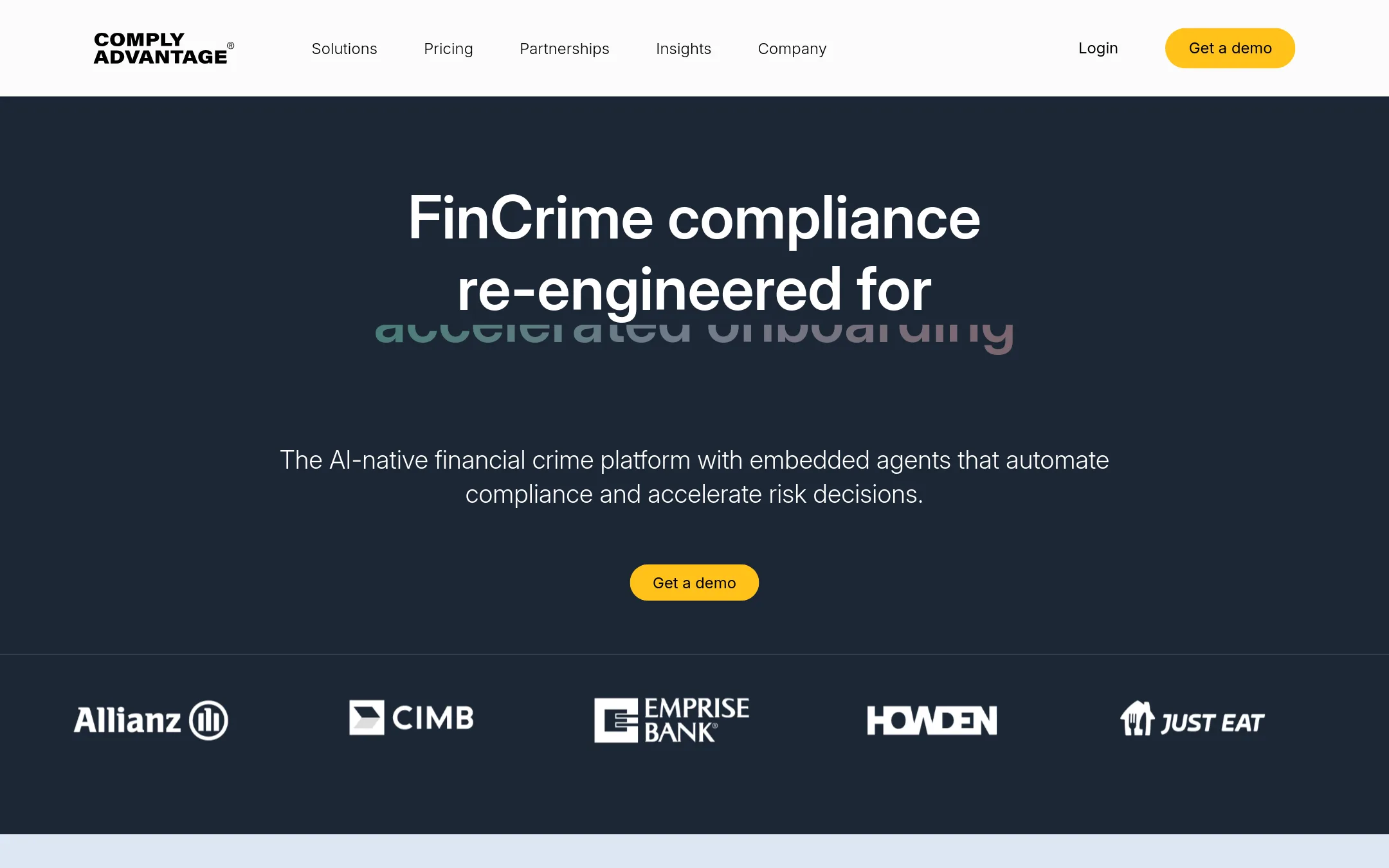
ComplyAdvantage is a financial crime compliance platform that automates AML screening, transaction monitoring, and payments analysis. You would choose it instead of Taktile when your primary need is regulatory compliance and fraud detection across the customer lifecycle, rather than broader decision orchestration for onboarding, underwriting, or claims.
Where it is strong
- AI-native platform with agentic workflows that resolve up to 85% of routine alerts autonomously
- Category-leading AML solutions with proprietary risk intelligence
- Starter plan is affordable for small businesses monitoring up to 2,000 entities
Where it falls short
- Starter plan lacks transaction monitoring and payments screening, which are only in the enterprise tier
- Pricing for enterprise is not published, so you need to contact sales for a quote
- Pricing:
- Starter plan is from $99 per month for up to 2,000 entities. Enterprise pricing is on request.
- Switching from Taktile:
- Moving from Taktile to ComplyAdvantage means shifting from a general decision platform to a specialized compliance tool, so you would need to rebuild your AML and fraud workflows within ComplyAdvantage's framework.
- Not published
10.ThetaRay
Best for: Banks and fintechs that need specialized AML transaction monitoring and screening with low alert volumes.
- Pricing
- Not published
- Category
- AI & Machine Learning
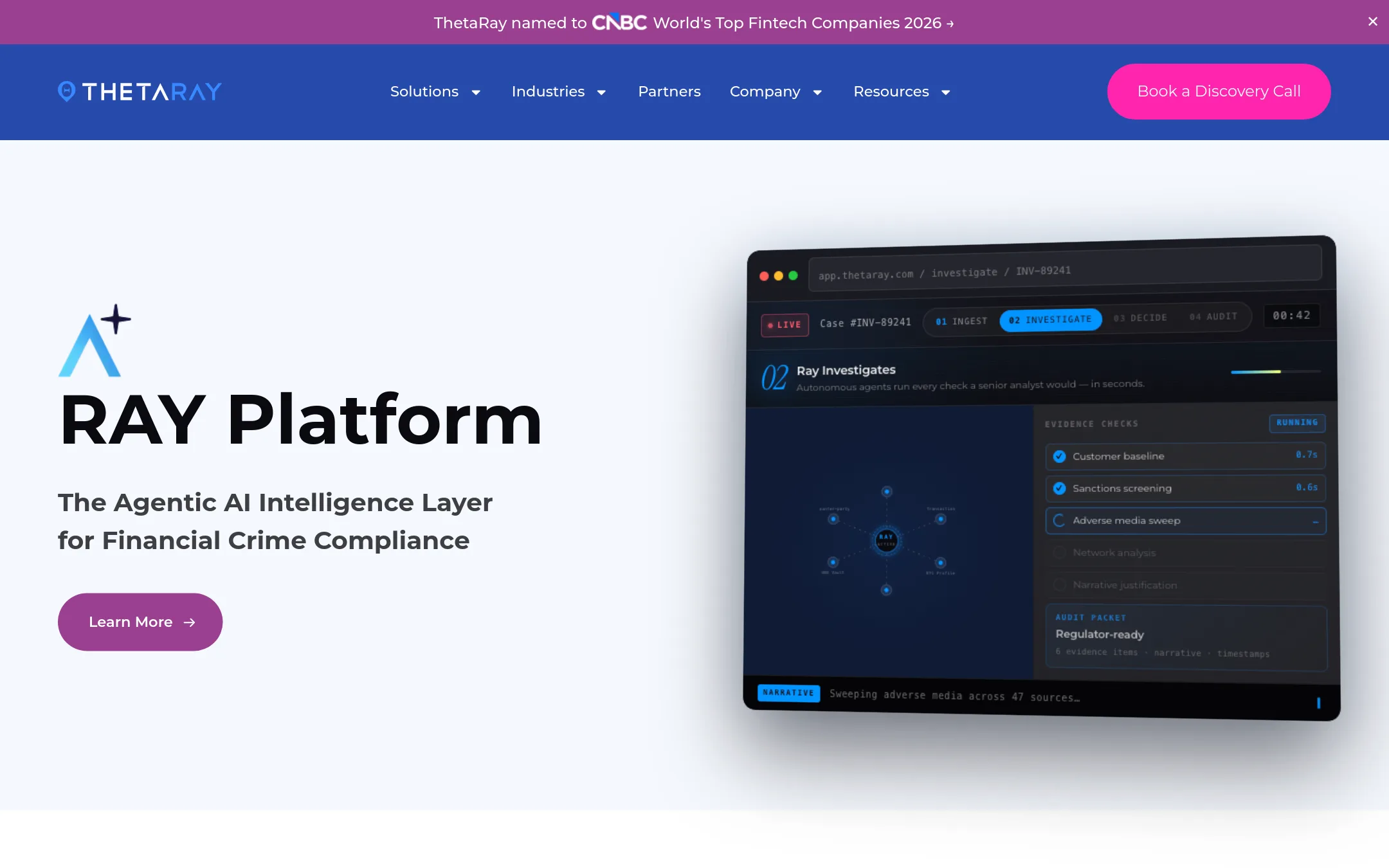
ThetaRay is a cognitive AI platform for AML transaction monitoring, screening, and risk profiling. It detects hidden risks and reduces false positives, making it a fit for banks and fintechs focused on financial crime compliance rather than broader decisioning.
Where it is strong
- Detects previously unknown suspicious behaviors with high accuracy.
- Reduces false positives and alert volumes, lowering compliance costs.
- Configurable and easily integrated, with fast implementation for cross-border ecosystems.
Where it falls short
- Focused on AML and financial crime, not general decisioning like Taktile.
- Pricing is not public, likely enterprise-only.
- Pricing:
- Pricing is not published on the site.
- Not published
11.Estimote, Inc.
Best for: Teams building indoor wayfinding, asset tracking, or occupancy automation in offices, hospitals, or transit hubs.

- Pricing
- Not published
- Category
- AI & Machine Learning
Estimote provides indoor location hardware and software for physical spaces, such as UWB anchors, BLE beacons, radar sensors, and wearables. You would choose it over Taktile if your problem is about navigating buildings, tracking assets, or sensing room occupancy, not about financial decision logic.
Where it is strong
- Hardware options cover UWB, BLE, and radar for different precision needs.
- Wearables work without requiring users to carry a smartphone.
- Location data stays on the phone for privacy in UWB navigation.
Where it falls short
- No pricing listed, so budgeting requires contacting sales.
- Focus is physical spaces, not financial decisioning like Taktile.
- Pricing:
- Pricing is not published on the site.
See more comparisons in Other alternatives.
FAQ
Questions about Taktile alternatives
What is the cheapest alternative to Taktile?
ComplyAdvantage has a Starter plan from $99 per month for up to 2,000 entities. Other alternatives like Feedzai and Palantir Foundry do not publish pricing and are likely enterprise-only.
Which alternative is best for real-time fraud detection?
Feedzai is built for real-time fraud detection at massive scale, processing 120B events per year. Featurespace also offers real-time adaptive machine learning for fraud and AML.
Can I use these alternatives for underwriting or claims, not just fraud?
Most alternatives focus on fraud and AML, not broader decisioning. Palantir Foundry and DataRobot are more general-purpose and can be configured for underwriting, but require more engineering. Taktile itself is specialized for onboarding, underwriting, and claims.
Do any of these alternatives have transparent pricing?
Only ComplyAdvantage publishes a starting price. UiPath offers a free Community plan but does not list paid tiers. All others require contacting sales for a quote.
Which alternative is best for a small fintech?
ComplyAdvantage's Starter plan is affordable for small businesses monitoring up to 2,000 entities. UiPath's free Community plan is also useful for prototyping automation. Larger platforms like Palantir Foundry are likely overkill.
Last updated October 17, 2026.