
The Trade Desk alternatives
12 products compared · Updated November 1, 2026
The short answer
For advertisers needing privacy-first data collaboration, Permutive is the strongest alternative. Publishers and media owners should consider Magnite or Index Exchange for sell-side monetization. Habu suits enterprise brands needing data collaboration with transparent pricing.
Your shortlist, at a glance
Read the comparisons ↓- RRecordBookNot publishedSmall and medium business owners who want a lightweight, mobile-friendly alternative to Airtable for managing records and workflows.
 Amazon BusinessNot publishedProcurement teams and businesses that need to manage purchasing, approvals, and spend analytics for supplies.
- MMediaMathNot publishedAdvertisers who want an API-first DSP with full control over workflows and transparent AI optimization.
 XandrNot publishedAdvertisers and publishers already invested in the Microsoft ecosystem who want to reach audiences across search, display, and CTV with AI-assisted campaign tools.
 Adobe AnimateNot publishedCreative teams that need to build animated banners or rich media for campaigns, not for programmatic ad buying.
- CCriteoNot publishedE-commerce brands and retailers that want performance-driven advertising and retail media without building custom programmatic campaigns.
 LiveRampSee websiteReach customers anywhere. Measure impact everywhere with the world's most powerful data collaboration network.
 MagniteNot publishedPublishers and media owners who want to monetize their inventory across CTV, video, display, and audio with a trusted, independent sell-side platform.
 PermutiveNot publishedAdvertisers and publishers on the open web who need privacy-first data collaboration and activation across 150+ premium publishers.
 PubMaticNot publishedPublishers and buyers who want an AI-driven, transparent platform for premium digital media across CTV and mobile.
 HabuFrom $20,000/yrEnterprise brands and data teams that need to collaborate on first-party data and measure campaign lift across multiple platforms.
 Index ExchangeNot publishedPublishers and media owners who want to grow programmatic ad revenue across any screen and ad format.
About The Trade Desk and its alternatives
The Trade Desk is a demand-side platform for advertisers to buy digital ad inventory across channels like CTV, display, and audio. It is known for its omnichannel reach and measurement partnerships.
When comparing alternatives, weigh pricing structure, regional support, integrations, and contract terms. Some tools are buy-side, others sell-side. Check if the platform fits your role, data needs, and budget.
Explore the alternatives
- RNot published
1.RecordBook
Best for: Small and medium business owners who want a lightweight, mobile-friendly alternative to Airtable for managing records and workflows.
- Pricing
- Not published
- Category
- Productivity & Project Management
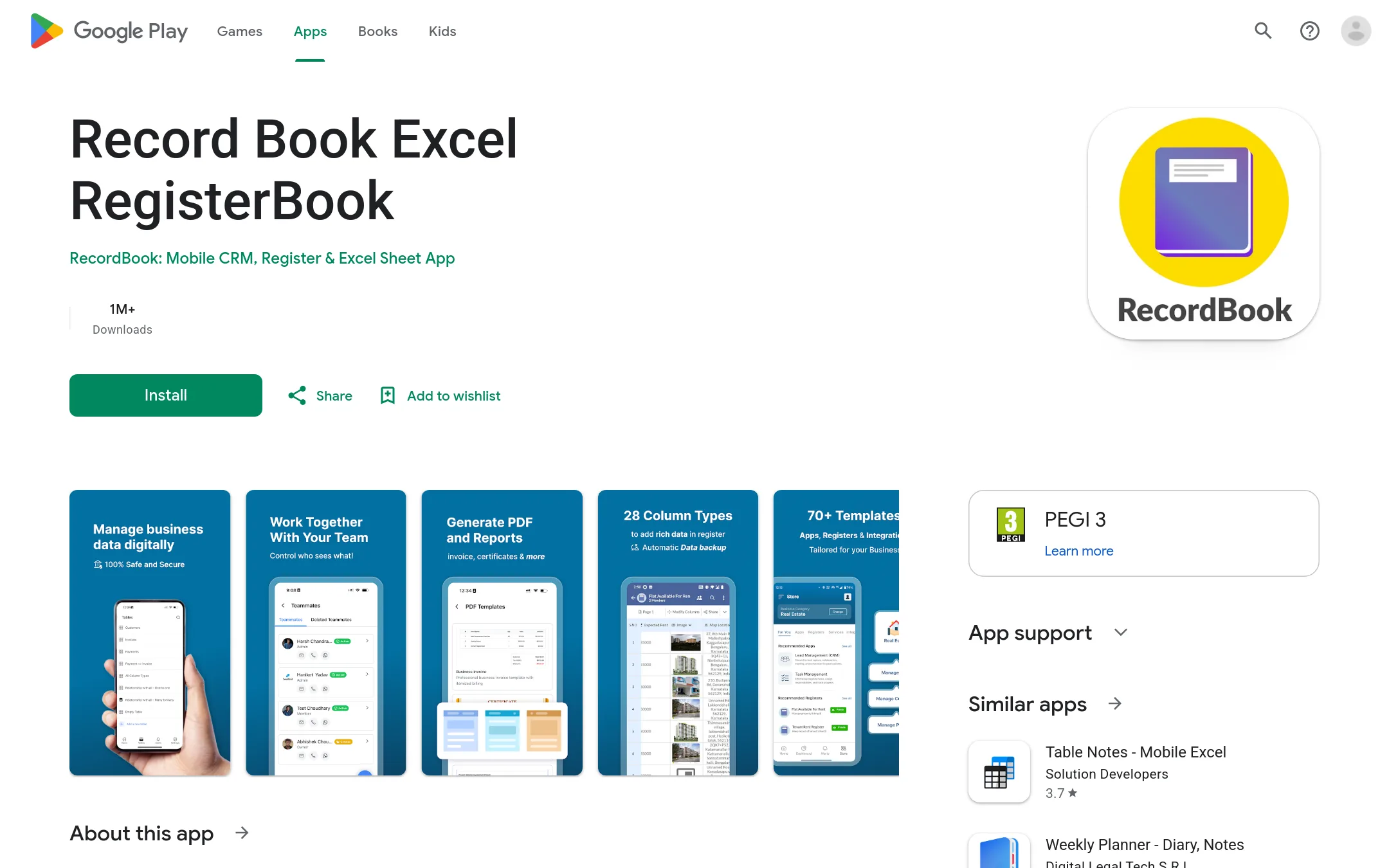
RecordBook is a mobile app that positions itself as an Airtable-like tool for small and medium businesses. You would choose it over The Trade Desk if you need a simple, mobile-first way to organize business data, not a programmatic advertising platform.
Where it is strong
- Mobile-first design, built for on-the-go use.
- Aimed at SMBs, so it is simpler than enterprise tools.
- Tagline suggests Airtable-like flexibility for data organization.
Where it falls short
- No advertising or campaign management capabilities.
- Only available as an Android app, limiting platform reach.
- Pricing:
- Pricing is not published on the site.
- Not published
2.Amazon Business
Best for: Procurement teams and businesses that need to manage purchasing, approvals, and spend analytics for supplies.
- Pricing
- Not published
- Category
- E-commerce
Amazon Business is a procurement platform for buying supplies and managing organizational purchasing, not an advertising platform. You would choose it instead of The Trade Desk only if your actual need is to control B2B buying, not to run ad campaigns.
Where it is strong
- Wide selection of business supplies with quantity discounts.
- Centralized approval flows to enforce purchasing policies.
- Spend analytics and custom reports for better planning.
Where it falls short
- Not an advertising platform, so no ad targeting or campaign management.
- Limited to Amazon's marketplace and fulfillment network.
- Pricing:
- Pricing is not published on the site.
- MNot published
3.MediaMath
Best for: Advertisers who want an API-first DSP with full control over workflows and transparent AI optimization.
- Pricing
- Not published
- Category
- Other
MediaMath is a demand-side platform that emphasizes composability and API-first access, letting you build custom workflows and integrate your own data, logic, and tools. It is a fit for teams that want more control and transparency over their programmatic buying than The Trade Desk's more standardized platform offers. You would choose it if you need to adapt the DSP to your existing stack rather than adapt your stack to the DSP.
Where it is strong
- Composable architecture with open APIs for custom integrations
- Transparent AI optimization with visible bid and budget decisions
- Access to premium inventory across video, CTV, audio, display, and DOOH
Where it falls short
- Pricing is not public, so you must contact sales for a quote
- Brand is less established than The Trade Desk, which may matter for enterprise trust
- Pricing:
- Pricing is not published on the site.
- Switching from The Trade Desk:
- Moving from The Trade Desk involves reconfiguring your campaign workflows and data integrations to fit MediaMath's API-first model, which is more flexible but requires more setup effort.
- Not published
4.Xandr
Best for: Advertisers and publishers already invested in the Microsoft ecosystem who want to reach audiences across search, display, and CTV with AI-assisted campaign tools.

- Pricing
- Not published
- Category
- Marketing & Sales
Xandr, now part of Microsoft Advertising, is a programmatic platform for advertisers and publishers. You would choose it over The Trade Desk if you want deep integration with Microsoft's search, display, and CTV inventory, plus exclusive access to Bing, Yahoo, and DuckDuckGo. It also offers publisher-side tools like Microsoft Monetize, which The Trade Desk doesn't provide.
Where it is strong
- Access to exclusive Microsoft inventory: Bing, Edge, Yahoo, DuckDuckGo, and gaming surfaces.
- Includes publisher monetization tools (Microsoft Monetize) and curated packages via Curate.
- Built-in AI assistance (Copilot) for campaign creation and optimization.
Where it falls short
- No public pricing. Requires contacting sales for a quote.
- Reach is more limited than The Trade Desk's omnichannel platform, focusing on Microsoft's network and partners.
- Pricing:
- Pricing is not published on the site.
- Switching from The Trade Desk:
- Moving from The Trade Desk involves setting up a new account with Microsoft Advertising and learning its campaign manager, but you can import your existing audience data and campaign goals.
- Not published
5.Adobe Animate
Best for: Creative teams that need to build animated banners or rich media for campaigns, not for programmatic ad buying.
- Pricing
- Not published
- Category
- Design & Creative
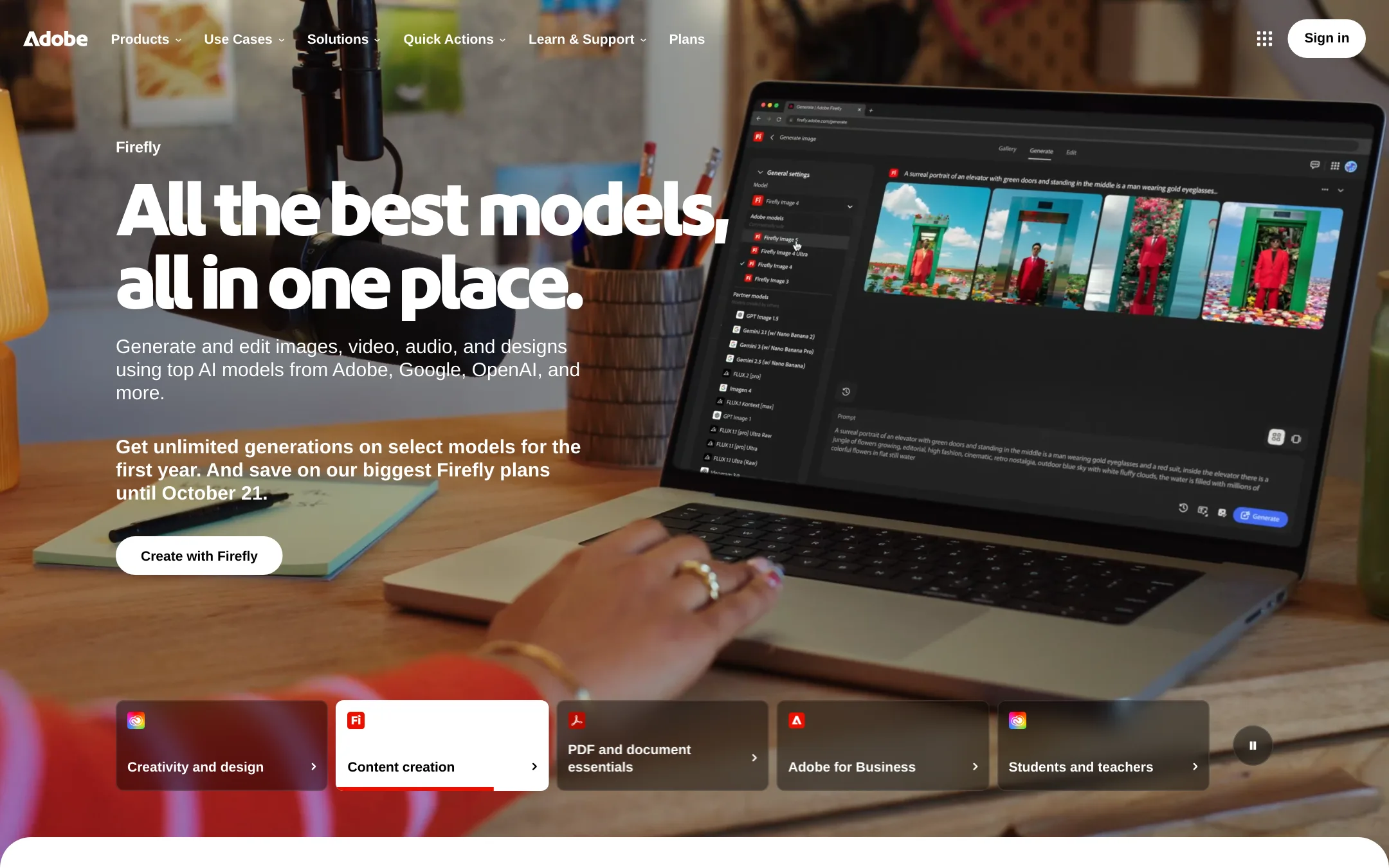
Adobe Animate is a vector animation tool for creating interactive web and TV content, not an advertising platform. You would choose it over The Trade Desk if your team needs to produce animated assets, not buy ad inventory.
Where it is strong
- Creates vector animations for web and TV
- Part of Adobe Creative Cloud suite
- Supports interactive content export
Where it falls short
- No ad buying or campaign management
- Requires design skills, not for marketers
- Pricing:
- Pricing is not published on the site.
- CNot published
6.Criteo
Best for: E-commerce brands and retailers that want performance-driven advertising and retail media without building custom programmatic campaigns.
- Pricing
- Not published
- Category
- Other
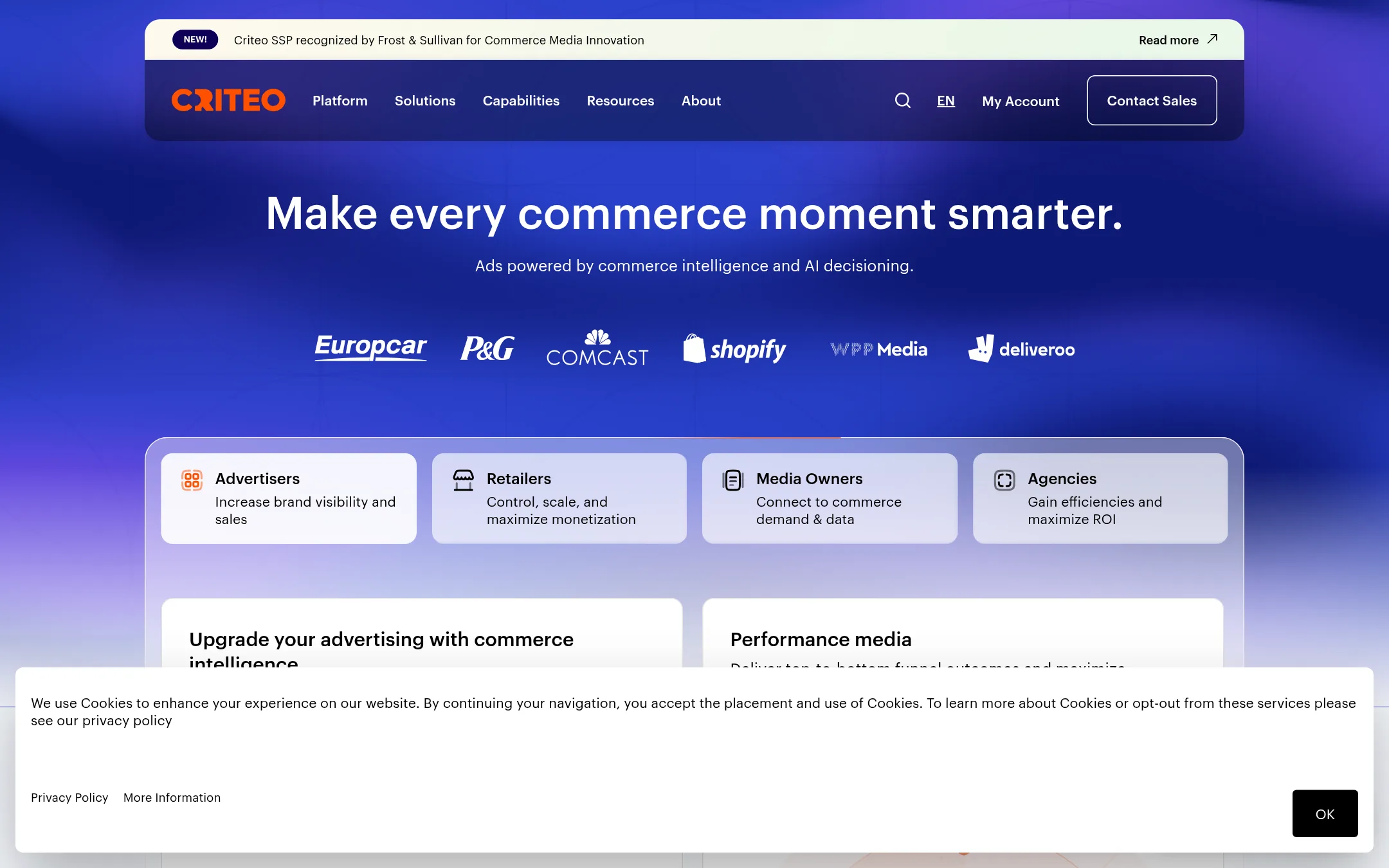
Criteo is a commerce media platform that uses shopper data and AI to run performance ads across the open internet. You'd choose it over The Trade Desk when your focus is on driving sales and customer retention for e-commerce, especially if you want automated campaigns and retail media capabilities.
Where it is strong
- Built on commerce data for shopper-focused targeting
- Offers automated acquisition and retention campaigns
- Includes retail media solutions for brands and retailers
Where it falls short
- Less suited for brand-building campaigns across broad channels
- Requires commerce data to get the full benefit
- Pricing:
- Pricing is not published on the site.
- See website
7.LiveRamp
Marketing & Sales
Reach customers anywhere. Measure impact everywhere with the world's most powerful data collaboration network.
- Not published
8.Magnite
Best for: Publishers and media owners who want to monetize their inventory across CTV, video, display, and audio with a trusted, independent sell-side platform.
- Pricing
- Not published
- Category
- Marketing & Sales
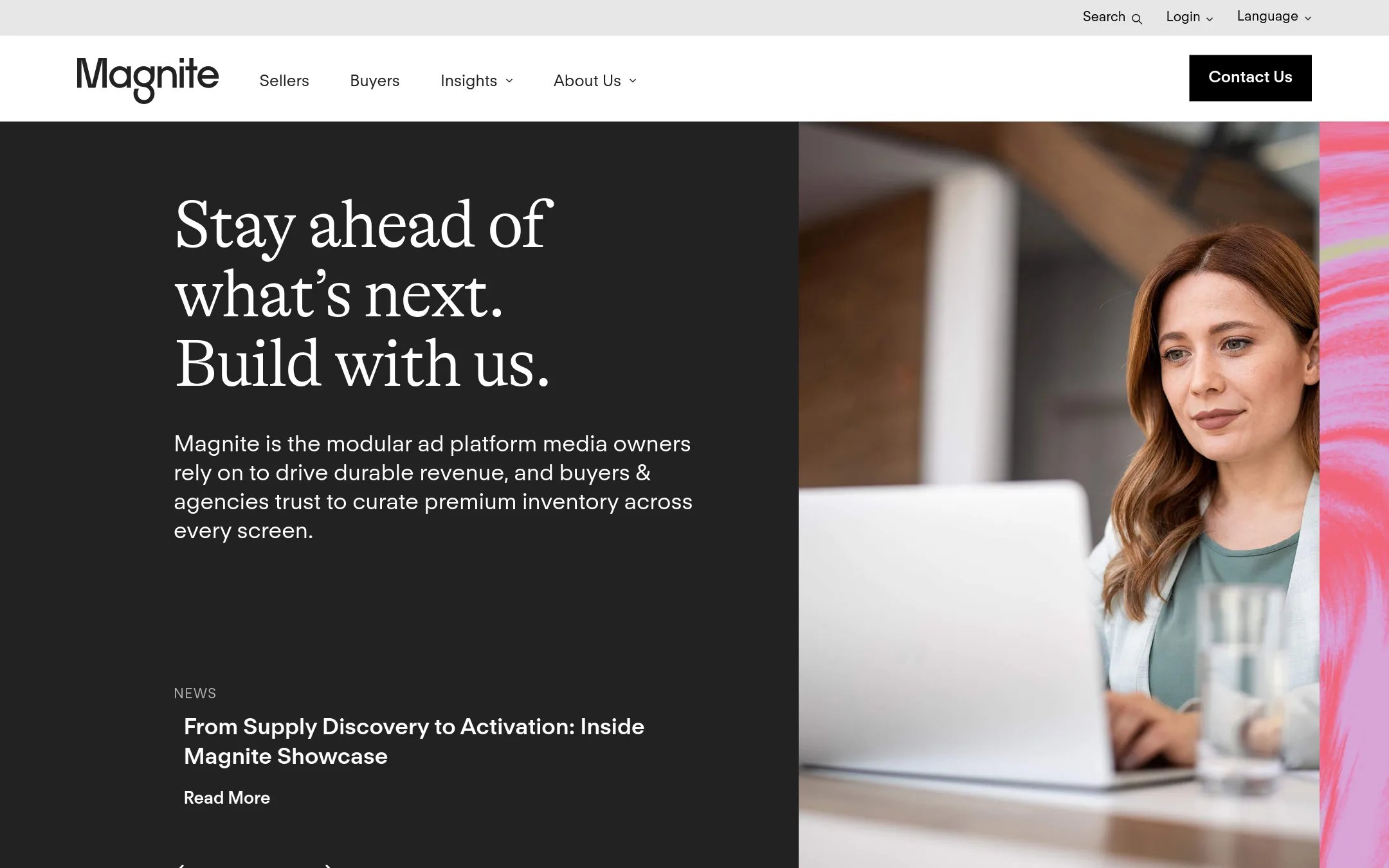
Magnite is a sell-side advertising platform, meaning it helps publishers and media owners sell their ad inventory, whereas The Trade Desk is a buy-side platform for advertisers. If you are a publisher or media owner looking to maximize ad revenue across CTV, video, display, and audio, Magnite is built for your needs. It also offers global scale and brand safety features for buyers, but its core focus is on the supply side.
Where it is strong
- Independent sell-side platform with no conflict of interest.
- Global reach with local market expertise.
- Covers multiple formats including CTV, video, display, and audio.
Where it falls short
- Not a buy-side tool, so advertisers cannot manage campaigns directly.
- Pricing is not transparent, likely requiring a custom contract.
- Pricing:
- Pricing is not published on the site.
- Not published
9.Permutive
Best for: Advertisers and publishers on the open web who need privacy-first data collaboration and activation across 150+ premium publishers.

- Pricing
- Not published
- Category
- AI & Machine Learning
Permutive is a data collaboration and activation platform that lets advertisers and publishers match and model first-party data without sharing PII or moving data. You would choose it over The Trade Desk if your priority is privacy-first targeting and clean room collaboration with premium publishers, especially in a cookieless world.
Where it is strong
- Privacy-first: no PII sharing or data transfer required
- Unifies clean room, curation, and first-party data activation
- AI-powered workflows for campaign optimization and insights
Where it falls short
- Pricing not disclosed, likely enterprise-focused
- Requires publisher participation. Not a self-serve ad buying platform like The Trade Desk
- Pricing:
- Pricing is not published on the site.
- Not published
10.PubMatic
Best for: Publishers and buyers who want an AI-driven, transparent platform for premium digital media across CTV and mobile.
- Pricing
- Not published
- Category
- Marketing & Sales
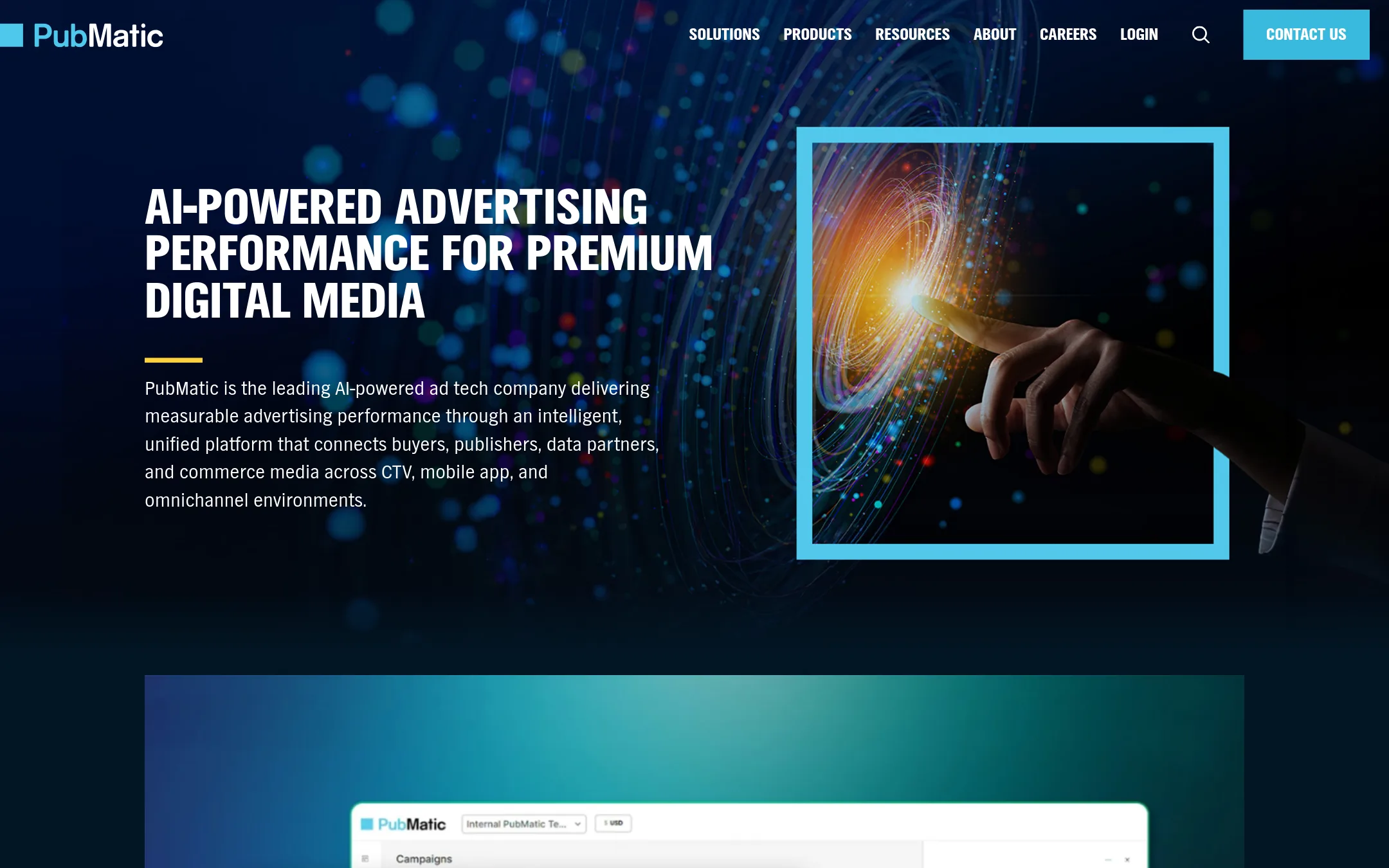
PubMatic is an AI-powered ad tech platform that connects buyers, publishers, and commerce media across CTV, mobile, and omnichannel. It's a good fit if you're a publisher or buyer looking for transparent, end-to-end monetization and media buying tools, rather than a demand-side platform focused solely on advertiser campaigns.
Where it is strong
- AI-powered yield optimization for publishers
- Transparent insights across the open internet
- Supports CTV, mobile app, and omnichannel
Where it falls short
- Pricing not publicly disclosed
- More focused on publishers and buyers than on advertiser-only campaigns
- Pricing:
- Pricing is not published on the site.
- From $20,000/yr
11.Habu
Best for: Enterprise brands and data teams that need to collaborate on first-party data and measure campaign lift across multiple platforms.

- Pricing
- From $20,000/yr
- Category
- Marketing & Sales
Habu is a data collaboration platform that helps you connect and activate customer data across the advertising ecosystem. You would choose it over The Trade Desk when your priority is building a clean, interoperable data foundation and measuring impact across many partners, rather than just buying media.
Where it is strong
- Works with a wide range of publishers and platforms, including Netflix and TikTok.
- Strong focus on data privacy and consumer trust with advanced controls.
- Flexible consumption model that scales with your usage and commitment level.
Where it falls short
- High entry cost compared to The Trade Desk's self-serve model.
- Requires a significant data infrastructure investment to get full value.
- Pricing:
- Standard starts at $20,000 per year, Premier at $150,000, and Enterprise at $360,000, with a consumption-based token model.
- Switching from The Trade Desk:
- Moving from The Trade Desk to Habu involves shifting from a media-buying platform to a data collaboration layer, so you'll need to integrate your existing data sources and redefine your measurement approach.
- Not published
12.Index Exchange
Best for: Publishers and media owners who want to grow programmatic ad revenue across any screen and ad format.
- Pricing
- Not published
- Category
- Marketing & Sales
Index Exchange is a supply-side platform (SSP) that helps publishers and media owners sell ad inventory programmatically, while The Trade Desk is a demand-side platform for advertisers buying inventory. You would choose Index Exchange if you are a publisher looking to maximize ad revenue across screens and formats, rather than an advertiser managing campaigns.
Where it is strong
- Global supply-side platform with omnichannel reach
- Neutral compute environment (Index Cloud) for decisioning
- Focus on transparency and quality in the marketplace
Where it falls short
- No self-serve pricing or signup. Requires contacting sales
- Built for publishers, not advertisers, so it lacks campaign management tools
- Pricing:
- Pricing is not published on the site.
See more comparisons in Marketing & Sales alternatives.
FAQ
Questions about The Trade Desk alternatives
What is the difference between a demand-side platform and a supply-side platform?
A demand-side platform (DSP) helps advertisers buy ad inventory. A supply-side platform (SSP) helps publishers sell it. The Trade Desk is a DSP, while Magnite and Index Exchange are SSPs.
Which alternative is best for privacy-first data collaboration?
Permutive and InfoSum both focus on privacy-safe data collaboration. Permutive works with 150+ premium publishers, while InfoSum uses a decentralized architecture to keep raw data private. Choose based on your publisher network and data needs.
Are there alternatives with transparent pricing?
Habu publishes pricing starting at $20,000 per year. Most others, like Permutive and Magnite, do not disclose pricing and require contacting sales. Habu is the only one with a public price list.
Can I use these alternatives for campaign management like The Trade Desk?
Only buy-side platforms like MediaMath offer campaign management. Sell-side tools like Index Exchange and Magnite do not. Data collaboration tools like Habu and InfoSum focus on data, not ad buying.
Which alternative is best for e-commerce performance ads?
Criteo is built for e-commerce, using shopper data to run automated acquisition and retention campaigns. It suits brands focused on sales and retail media, not broad brand-building.
Last updated November 1, 2026.