
TigerConnect alternatives
8 products to explore · 2026
Your shortlist, at a glance.
Read the comparisons ↓
Check each product’s website for current pricing and features. A verified badge indicates a verified listing, not a ranking.
About TigerConnect and its alternatives
Healthcare teams evaluating TigerConnect alternatives often seek platforms that match its depth in clinical workflow automation, alarm management, and EHR integrations without the same enterprise complexity. TigerConnect stands out for its AI-driven activation layer that routes signals from pre-hospital transfers through discharge, delivering measurable gains like 20% shorter stays and faster code responses. Alternatives range from lighter messaging apps to full-suite solutions with varying strengths in nurse call integration, HIPAA compliance, and scalability for health systems. Decision-makers compare factors such as FDA clearance, Epic Showroom listing, and zero-touch escalation logic when assessing options for reducing clinician cognitive load. The right choice depends on whether the priority is broad device connectivity, specialized operator consoles, or simpler secure texting for smaller facilities.
Explore the alternatives

1.CareMessage
HealthcarePatient engagement for low-income populations

2.Athenahealth
HealthcareHealthcare technology for medical practices and providers.

3.Epic
HealthcareWith the patient at the heart
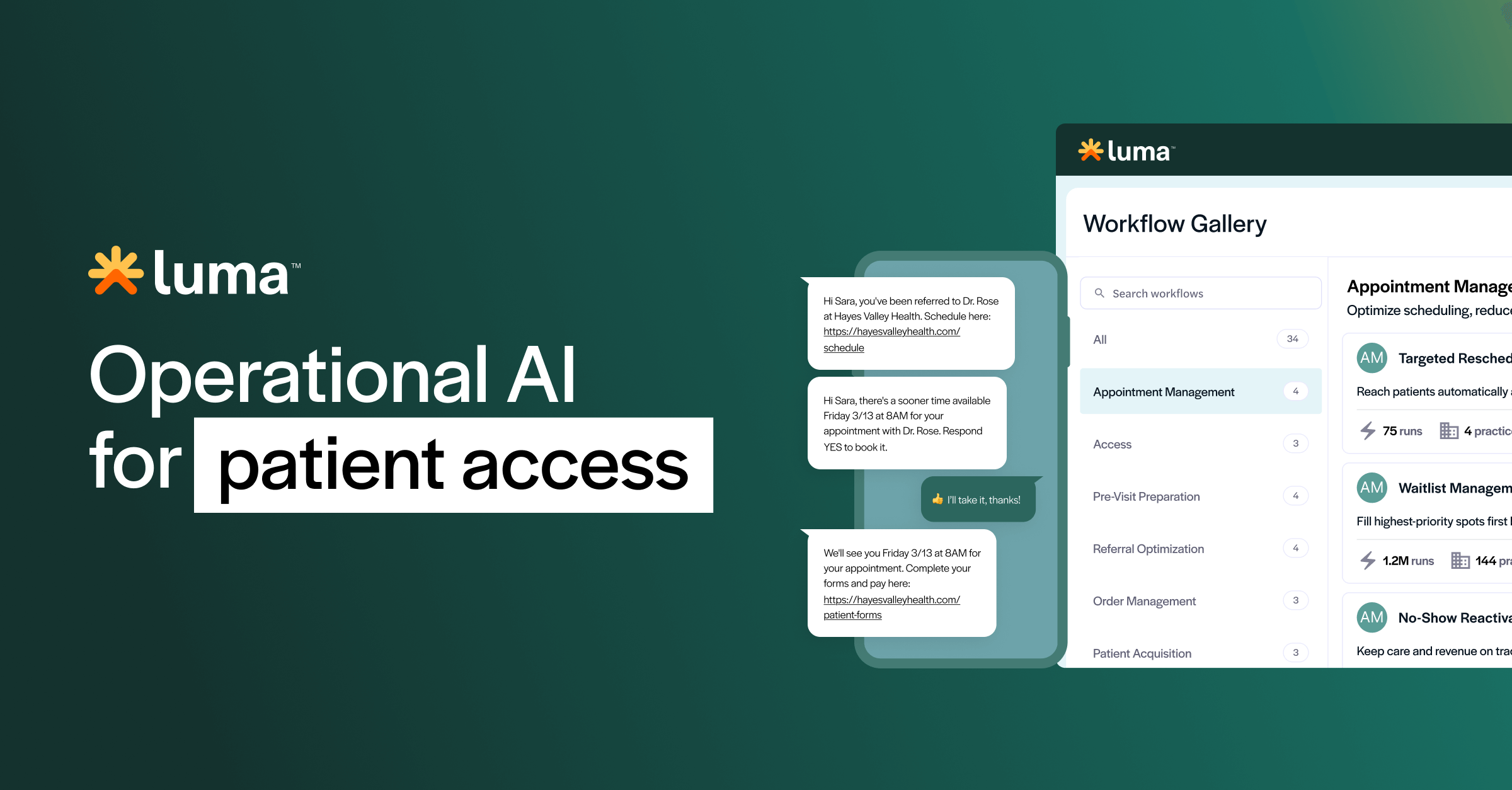
4.Luma Health
HealthcareOperational AI to automate patient access, engagement, intake, and payments for health systems
5.OhMD
HealthcareAI voice and HIPAA texting that cuts patient call volume for physician practices

6.Phreesia
HealthcarePatient intake software that automates registration, payments and engagement for healthcare providers

7.Relatient
HealthcareAI-powered patient scheduling and engagement platform for healthcare

8.Solutionreach
HealthcareAll-in-One Patient Engagement Software for Healthcare Practices
See more comparisons in Healthcare alternatives.
Questions about TigerConnect alternatives
What are the best TigerConnect alternatives for smaller hospitals without Epic integration?
Smaller hospitals often consider alternatives like PerfectServe or Spok that offer core secure messaging and on-call scheduling with lighter implementation than TigerConnect's full AI orchestration and 200+ system connections.
How does TigerConnect compare to Vocera on alarm management and FDA clearance?
TigerConnect provides FDA 510(k)-cleared alarm management with AI routing, while Vocera focuses on voice-first wearable communication; both target hospitals but differ in workflow automation depth and EHR integration breadth.
Which TigerConnect alternatives support pre-hospital transfer workflows?
Platforms like PerfectServe and certain Epic modules handle transfer coordination, though TigerConnect's operator console and activation layer offer more automated escalation from EMS signals to inpatient teams.
Are there TigerConnect alternatives with lower per-user costs for ambulatory care?
Ambulatory-focused options such as QliqSOFT or Halo Health provide secure messaging at potentially lower subscription tiers, trading off TigerConnect's inpatient alarm management and Smart Room features.
What TigerConnect competitors emphasize nurse call and smart room integrations?
Spok and certain Cerner extensions compete directly on nurse call and clinical display integrations, though they may lack TigerConnect's AI assistants for autonomous workflow execution across the full care continuum.