
Travelport alternatives
12 products compared · Updated October 18, 2026
The short answer
For startups and non-traditional sellers, Duffel offers modern API-first booking with pay-as-you-go pricing. Airlines looking to replace legacy systems should consider Farel or Navitaire, which provide integrated reservations and operations platforms. Travelfusion suits OTAs and TMCs needing broad low-cost carrier and NDC content through a single API.
Your shortlist, at a glance
Read the comparisons ↓AmadeusSee websiteTravel technology solutions provider
 SabreSee websiteTravel technology platform for reservations and operations
- EExpedia Partner SolutionsNot publishedFounders who want to acquire a premium domain like Solutions.com for their travel company.
- KKDS (Amadeus)Not publishedMid-sized and large companies that need integrated travel booking, approval workflows, and expense management.
- KKiwi.comNot publishedTravelers who want low-cost flights and are comfortable with self-service booking, especially for itineraries that combine multiple airlines.
- SSkyscanner for BusinessNot publishedIndividual travelers who want to compare flight prices across airlines and online travel agents before booking directly.
- TTravelfusionNot publishedOTAs, TMCs, and meta-search companies that need broad LCC and NDC content through a single API.
 Duffel$3/order + $2/ancillarStartups and non-traditional travel sellers, like challenger banks or spend management platforms, that want to add flight and hotel booking via API.
 FarelPer boarded passengerAirlines that want to own their direct sales and operations without legacy PSS fragmentation
- HHititNot publishedAirlines and travel agencies that want a single vendor for airline retailing, distribution, and payments, especially those operating outside North America.
- IIBS SoftwareSee websiteEnterprise software solutions for specialized industries.
NavitaireNot publishedAirlines and rail carriers that want a reservations and ancillary sales platform with built-in analytics.
About Travelport and its alternatives
Travelport is a travel technology company that provides retailing platforms for travel agencies, including OTAs, TMCs, and consolidators. It is known for its Travelport+ platform and Smartpoint Cloud, which aim to simplify booking, servicing, and support with modern tools and automation.
When comparing alternatives, weigh pricing structure (per-booking fees vs. subscription), regional coverage, integration ease, and support quality. Also consider contract terms, such as upfront costs and whether pricing is published or requires a sales quote.
Explore the alternatives
- See website
1.Amadeus
Finance & Accounting
Major GDS competitor offering similar travel retailing and booking infrastructure.
- See website
2.Sabre
Finance & Accounting
Another leading GDS with comparable agency and OTA solutions.
- ENot published
3.Expedia Partner Solutions
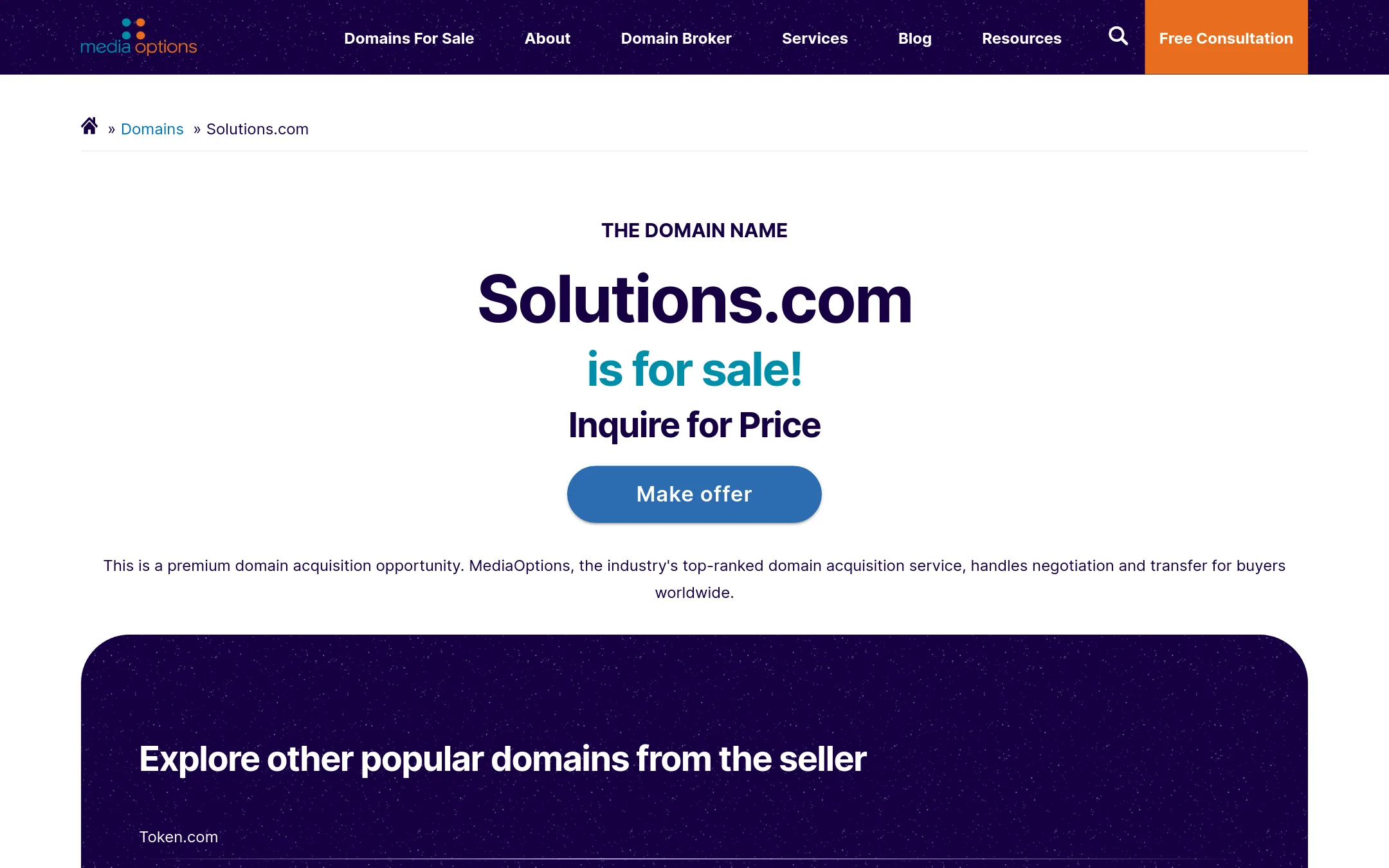
Best for: Founders who want to acquire a premium domain like Solutions.com for their travel company.
- Pricing
- Not published
- Category
- Other
Expedia Partner Solutions is a domain for sale, not a functioning travel software product. You would choose it only if you want to buy the domain name for your own travel business, not as a Travelport alternative.
Where it is strong
- Premium, memorable domain name
- Broker-assisted acquisition process
- No software to integrate or maintain
Where it falls short
- Not a travel platform, so no booking or retailing features
- No APIs, workflows, or support for travel agencies
- Pricing:
- Pricing is not published on the site.
- KNot published
4.KDS (Amadeus)
Best for: Mid-sized and large companies that need integrated travel booking, approval workflows, and expense management.
- Pricing
- Not published
- Category
- Other
KDS is a corporate travel and expense management platform from Amadeus. Choose it over Travelport if you are a business focused on managed travel programs, approvals, and expense reporting rather than agency retailing.
Where it is strong
- Built for corporate travel, not just agencies
- Integrates booking with expense management
- Backed by Amadeus, a major travel tech provider
Where it falls short
- Site is behind a bot check, so details are hard to verify
- No public pricing or feature specifics
- Pricing:
- Pricing is not published on the site.
- KNot published
5.Kiwi.com
Best for: Travelers who want low-cost flights and are comfortable with self-service booking, especially for itineraries that combine multiple airlines.
- Pricing
- Not published
- Category
- Other
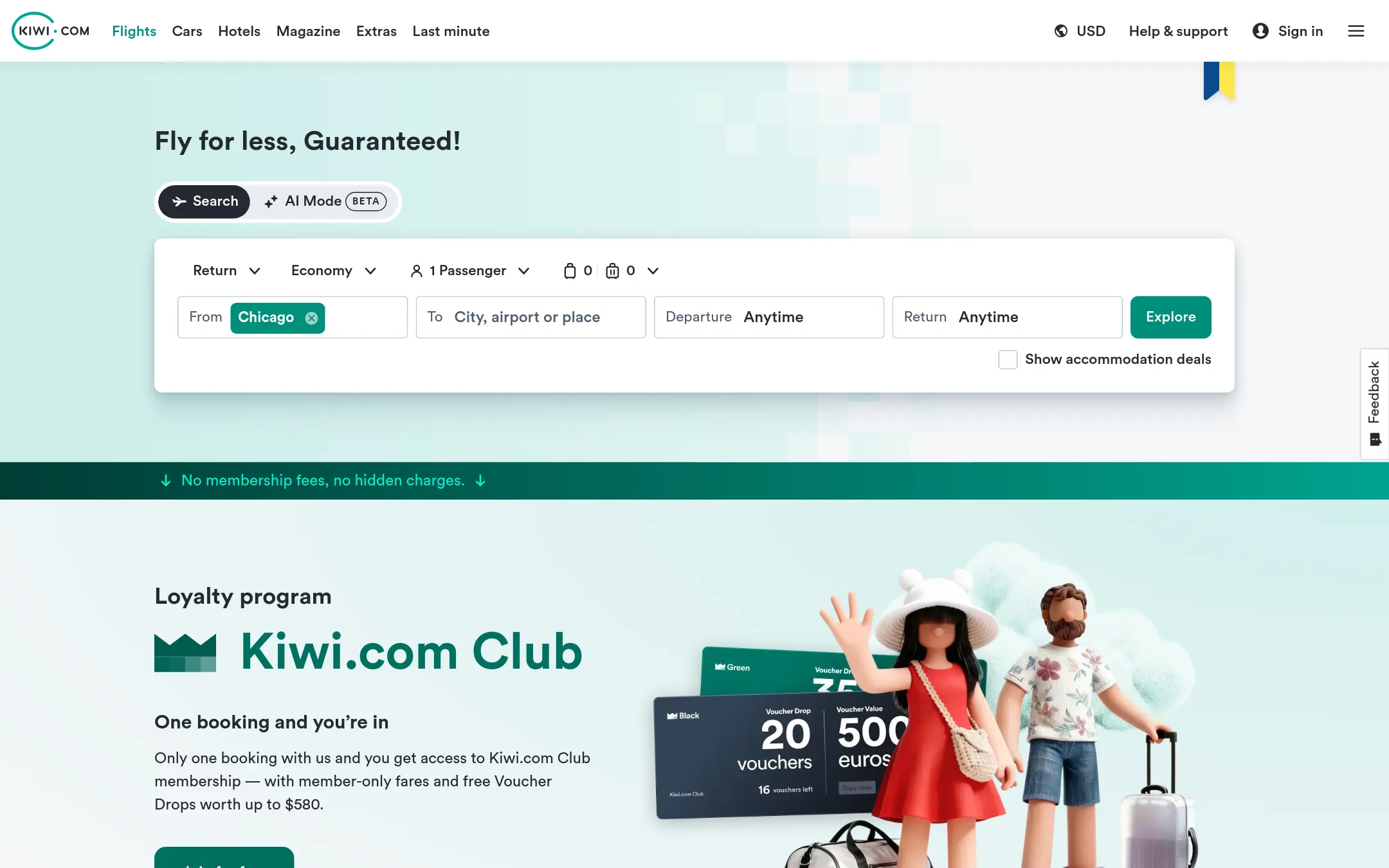
Kiwi.com is a consumer-facing flight search and booking platform that specializes in combining separate airline tickets into one itinerary, often for routes no single carrier serves. You would choose it over Travelport if you are a traveler looking for cheap, creative flight connections, not a travel agency needing a B2B booking and servicing platform.
Where it is strong
- Combines separate airline tickets into one itinerary, enabling routes you won't find elsewhere.
- Disruption protection offers automatic check-in, alternative flights for missed connections, and instant credit for cancellations.
- 24/7 customer support and a mobile app with boarding passes and trip notifications.
Where it falls short
- Not built for travel agencies or B2B workflows, unlike Travelport's retailing platform.
- Self-service model means you handle most changes and issues yourself, with no dedicated account management.
- Pricing:
- Pricing is not published on the site.
- SNot published
6.Skyscanner for Business
Best for: Individual travelers who want to compare flight prices across airlines and online travel agents before booking directly.

- Pricing
- Not published
- Category
- Other
Skyscanner for Business is a consumer-facing flight search and booking site, not a B2B travel retailing platform. You would choose it instead of Travelport only if you are an individual traveler looking to compare and book flights directly, not if you are an agency needing booking infrastructure.
Where it is strong
- Compares flights from many airlines and OTAs at once
- Simple consumer interface for quick searches
- Free to use for basic flight comparisons
Where it falls short
- No agency booking or servicing workflows
- No API or integration for travel sellers
- Pricing:
- Pricing is not published on the site.
- TNot published
7.Travelfusion
Best for: OTAs, TMCs, and meta-search companies that need broad LCC and NDC content through a single API.
- Pricing
- Not published
- Category
- Other
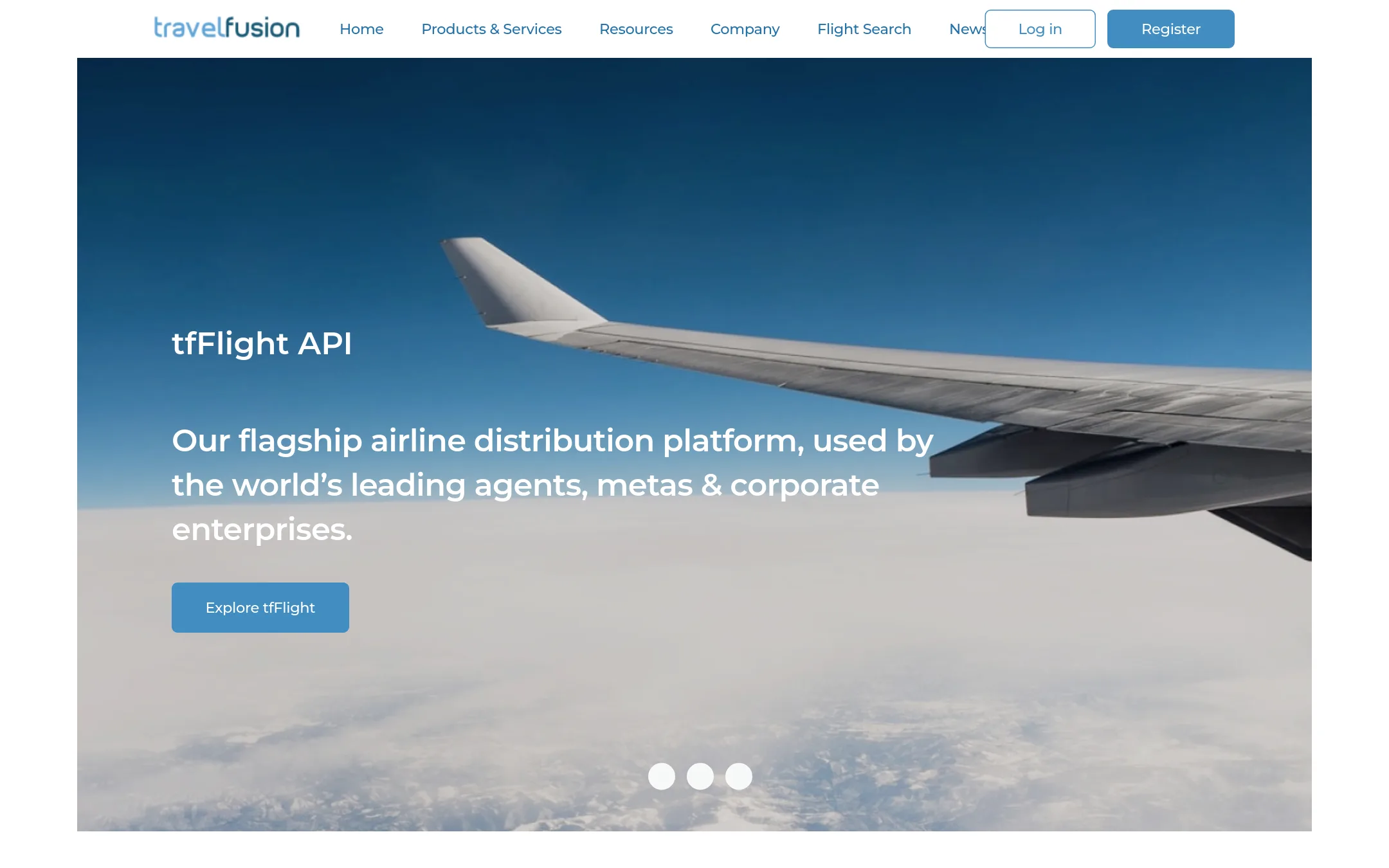
Travelfusion aggregates low-cost carrier (LCC) and NDC content from hundreds of suppliers into a single API, which is useful if you need direct-connect flight, rail, or hotel inventory beyond what Travelport offers. Choose it when your business depends on LCC and NDC distribution and you want one integration point instead of managing multiple supplier connections.
Where it is strong
- Single API for hundreds of LCC and NDC suppliers
- Includes rail and hotel aggregation alongside flights
- Offers payment and settlement tools (tfPay) for bookings
Where it falls short
- No published pricing, so you must contact sales
- Focus is on direct-connect content, not traditional GDS workflows
- Pricing:
- Pricing is not published on the site.
- Switching from Travelport:
- Moving from Travelport means re-integrating your booking flows to Travelfusion's API, which may require replacing GDS-specific processes with direct-connect and NDC workflows.
- $3/order + $2/ancillar
8.Duffel
Best for: Startups and non-traditional travel sellers, like challenger banks or spend management platforms, that want to add flight and hotel booking via API.
- Pricing
- $3/order + $2/ancillar
- Category
- E-commerce
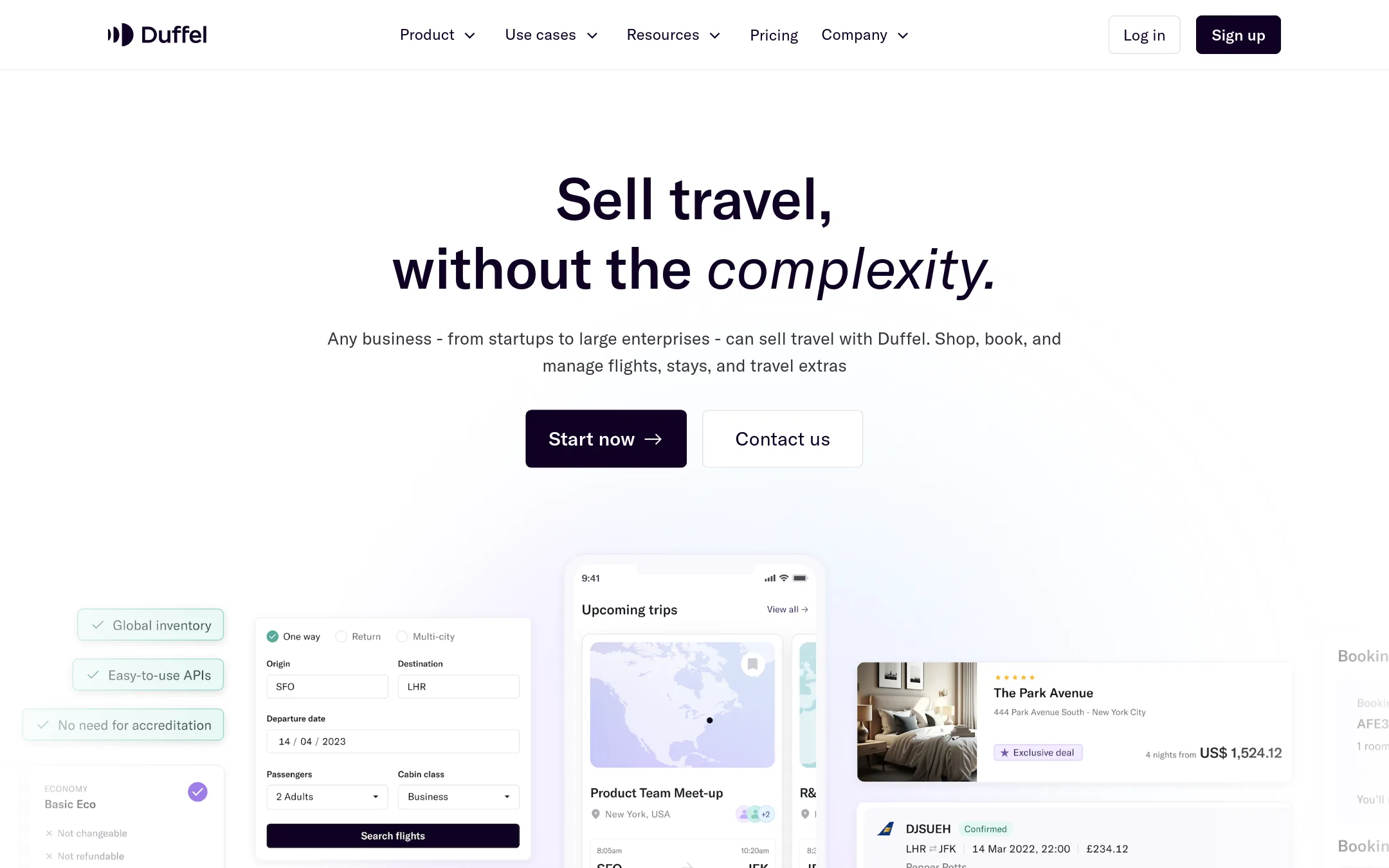
Duffel is an API-first toolkit for selling flights and stays, aimed at businesses that want to embed travel into their own product without building a full agency workflow. Choose it over Travelport if you need modern, developer-friendly APIs with pay-as-you-go pricing and no upfront costs, rather than a traditional agency retailing platform.
Where it is strong
- No upfront fees and pay-as-you-go pricing
- Client libraries for Node.js, Python, and Ruby
- Prebuilt components for seat selection and payments
Where it falls short
- Excess search fees apply if you exceed a 1500:1 search-to-book ratio
- Stays pricing is profit-share based, not a fixed fee
- Pricing:
- Flights cost $3.00 per confirmed order, ancillaries $2.00 per paid ancillary, and excess searches beyond a 1500:1 search-to-book ratio are $0.005 each. Stays use profit sharing, and enterprise pricing is bespoke.
- Switching from Travelport:
- Moving from Travelport means rebuilding your booking flow on Duffel's APIs, which may require using your own IATA accreditation unless you opt for enterprise pricing.
- Per boarded passenger
9.Farel
Best for: Airlines that want to own their direct sales and operations without legacy PSS fragmentation
- Pricing
- Per boarded passenger
- Category
- Other
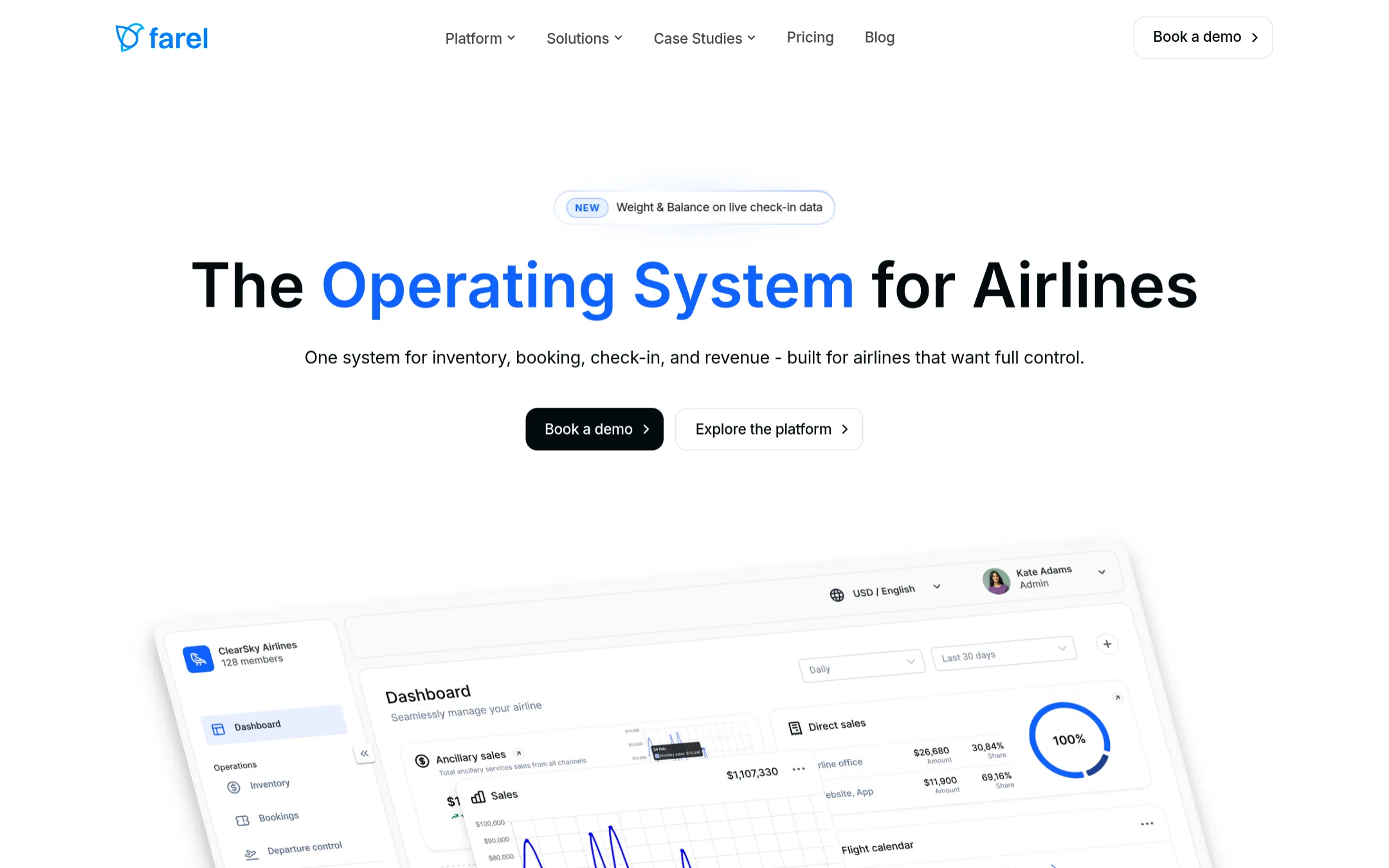
Farel is an airline operating system that replaces the traditional PSS stack with one platform covering inventory, booking, check-in, and revenue. Choose it if you run an airline and want to bypass GDS constraints and reduce distribution costs, rather than if you are a travel agency looking for a retailing platform.
Where it is strong
- One fee covers PSS, RMS, DCS, IBE, and all features
- Most airlines go live in 2-8 weeks with migration support
- IATA One Order and NDC-ready, API-first architecture
Where it falls short
- Pricing is not published, so you need a quote
- Built for airlines, not for travel agencies or OTAs
- Pricing:
- Pricing is per boarded passenger, with all modules and features included. No per-module fees or change orders. Specific numbers are not published on the site.
- Switching from Travelport:
- Moving from Travelport to Farel is not a direct swap, since Farel replaces airline-side systems, not agency retailing tools. You would need to rework your distribution strategy.
- HNot published
10.Hitit
Best for: Airlines and travel agencies that want a single vendor for airline retailing, distribution, and payments, especially those operating outside North America.

- Pricing
- Not published
- Category
- Other
Hitit is an airline and travel IT provider that builds its own reservation, distribution, and payment systems, including a modular platform for airlines and an agency distribution platform. Choose it over Travelport if you are an airline or a travel seller that wants to work directly with a technology vendor that also powers the airline's own retailing, rather than using a third-party GDS.
Where it is strong
- Modular end-to-end platform covering passenger services, cargo, accounting, and merchandising
- Offers and Orders-based retailing model (Hitit Oxygen) aligned with IATA standards
- Global reach with 30,000+ agents on its distribution platform and 900+ airports served
Where it falls short
- No published pricing, so budgeting requires a sales conversation
- Primarily focused on airlines, so travel agencies may find Travelport's broader content and tools more familiar
- Pricing:
- Pricing is not published on the site.
- ISee website
11.IBS Software
Other
Enterprise software solutions for specialized industries.
- Not published
12.Navitaire
Best for: Airlines and rail carriers that want a reservations and ancillary sales platform with built-in analytics.
- Pricing
- Not published
- Category
- Other
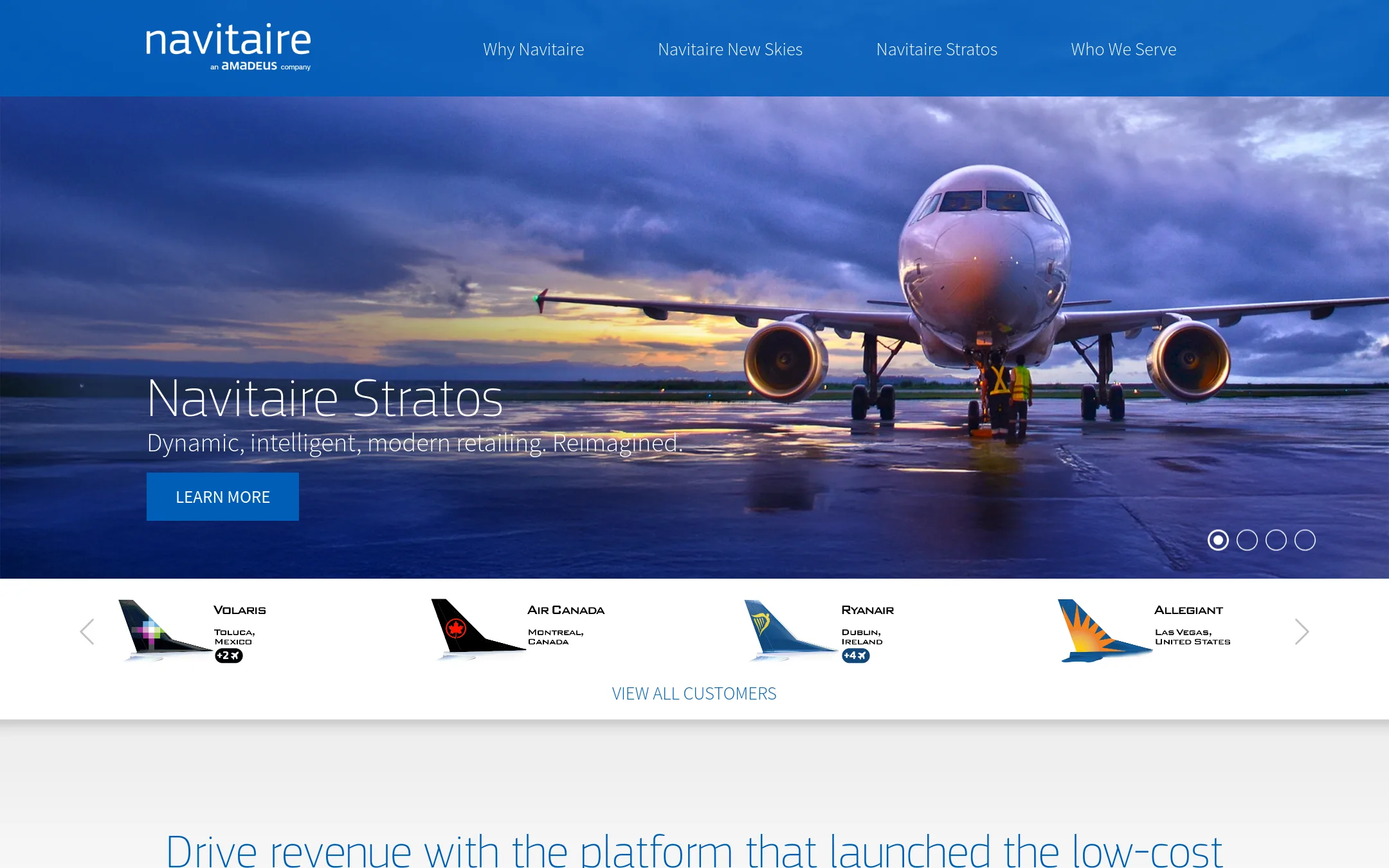
Navitaire is an e-commerce platform for reservations, ancillary sales, and analytics built specifically for airlines and rail carriers. Choose it instead of Travelport if you operate an airline or rail business and need a system that manages your own inventory and direct sales, rather than a GDS that aggregates content from many suppliers.
Where it is strong
- Built for airlines and rail, not general travel agencies
- Includes reservations, ancillary sales, and analytics in one platform
- Open and flexible systems to control costs and increase revenue
Where it falls short
- Limited to airlines and rail, not useful for OTAs or TMCs
- No public pricing, so you must contact sales for a quote
- Pricing:
- Pricing is not published on the site.
See more comparisons in Other alternatives.
FAQ
Questions about Travelport alternatives
What are the main differences between Travelport and API-first alternatives like Duffel?
Travelport is a traditional agency retailing platform with a full suite of tools, while Duffel offers lightweight APIs for embedding travel into your own product. Duffel charges per confirmed order with no upfront fees, making it suitable for startups and non-traditional sellers.
Which alternatives are best for airlines rather than travel agencies?
Farel and Navitaire are built specifically for airlines and rail carriers, offering reservations, ancillary sales, and operations management. They replace legacy PSS systems and help airlines own their direct sales, unlike Travelport which aggregates content from many suppliers.
Are there alternatives that provide low-cost carrier and NDC content?
Travelfusion aggregates LCC and NDC content from hundreds of suppliers into a single API, which is ideal for OTAs and TMCs needing broad direct-connect inventory. It also includes rail and hotel aggregation, plus payment tools.
Do any alternatives offer transparent pricing?
Duffel publishes its pricing: $3.00 per confirmed flight order, $2.00 per paid ancillary, and $0.005 per excess search beyond a 1500:1 search-to-book ratio. Most other alternatives, like Farel, Navitaire, and Hitit, do not publish pricing and require a sales quote.
What should I consider if I need corporate travel management?
KDS (Amadeus) is a corporate travel and expense management platform that integrates booking, approvals, and expense reporting. It is suited for mid-sized to large companies, but its site is behind a bot check, so verifying details may be difficult.
Last updated October 18, 2026.