
Tray.io alternatives
12 products to explore · 2026
Your shortlist, at a glance.
Read the comparisons ↓

Check each product’s website for current pricing and features. A verified badge indicates a verified listing, not a ranking.
About Tray.io and its alternatives
Teams searching for Tray.io alternatives often need a platform that handles both traditional iPaaS workloads and emerging AI agent orchestration without stitching multiple tools together. Tray.ai stands out for its native support of Model Context Protocol governance, 700+ pre-built connectors, and unified agent builder that includes guardrails and observability. Alternatives range from general automation tools aimed at SMBs to heavy enterprise suites focused on API management or data pipelines. When evaluating replacements, consider factors like AI agent capabilities, MCP security controls, total cost of ownership at scale, and speed of deploying governed workflows. Some options excel in visual low-code simplicity while others prioritize raw developer flexibility or specific vertical integrations. The right choice depends on whether your priority is rapid AI agent deployment, legacy system consolidation, or strict enterprise compliance across every tool call and workflow run.
Explore the alternatives

1.Alloy Automation
Developer ToolsAlloy is a platform for building and managing SaaS integrations
2.Paragon
Developer ToolsThe embedded integration platform for SaaS apps.
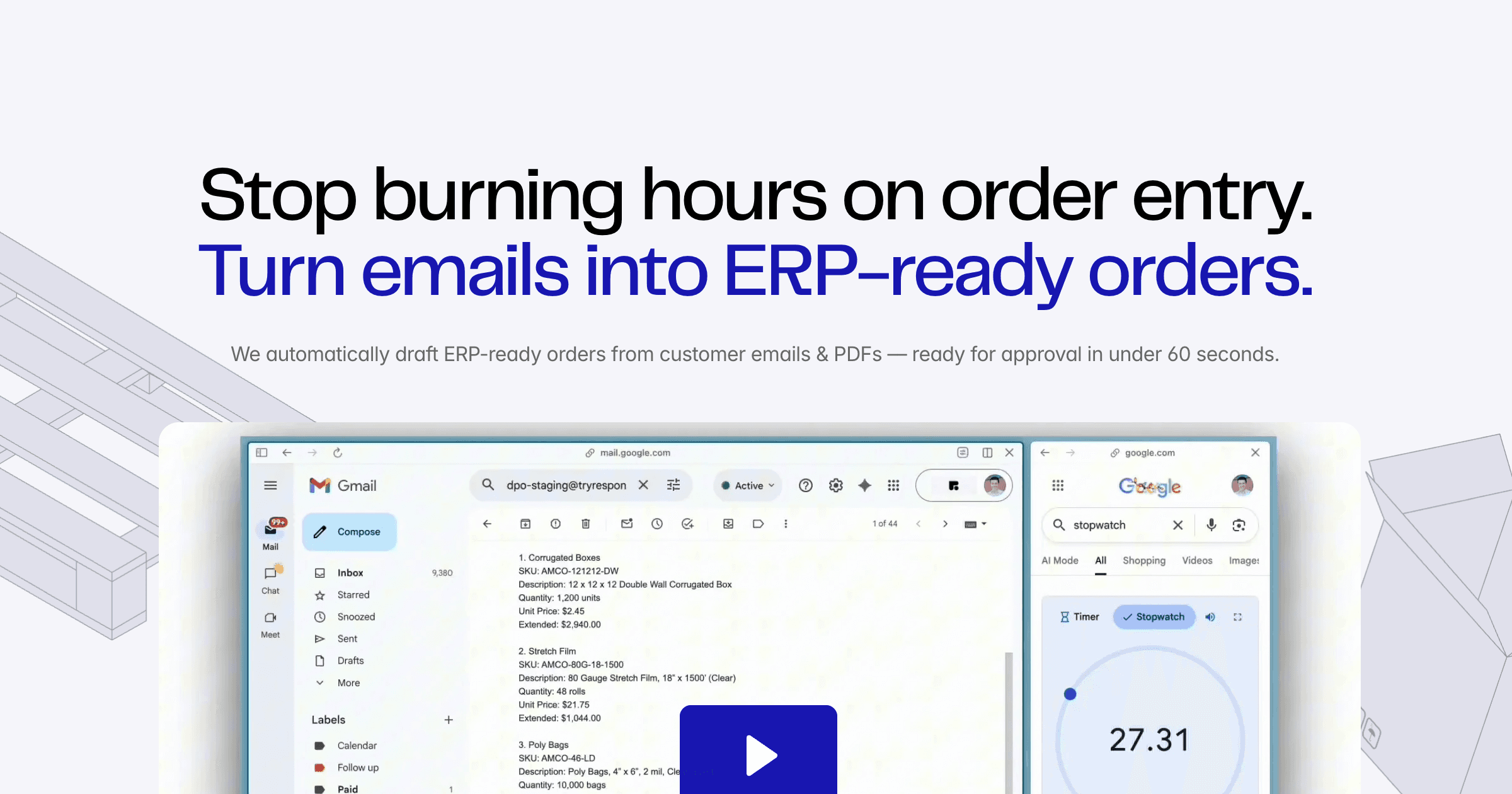
3.Response
Productivity & Project ManagementTurn customer emails into ERP-ready orders.
4.Zapier
Productivity & Project ManagementThe easiest way to automate your work.

5.Zinc
Developer ToolsThe secret backbone of e-commerce.

6.Apache Airflow
Developer ToolsCommunity platform to programmatically author, schedule and monitor workflows.

7.Boomi
Developer ToolsSingle platform integrating applications, APIs, data, and AI agents for enterprise

8.Celigo
Developer ToolsIntelligent automation platform unifying data, apps, and AI workflows

9.Jitterbit
Developer ToolsAI-Powered Enterprise Automation & Integration Platform
10.Microsoft Azure CycleCloud
Developer ToolsAzure HPC orchestration for scalable cluster management
- M
11.MuleSoft
Developer ToolsEnterprise integration and API platform
12.Pipedream
Developer Tools
See more comparisons in Developer Tools alternatives.
Questions about Tray.io alternatives
What are the best Tray.io alternatives for AI agent orchestration with MCP governance?
Enterprises replacing Tray.io for AI agents typically compare platforms that offer native MCP support, auditability, and connector ecosystems. Leading options include MuleSoft for heavy API-led connectivity and Workato for recipe-based automation, though both require more manual governance layers than Tray.ai's built-in Agent Gateway.
How does Tray.io pricing compare to alternatives like Zapier or Make for enterprise use?
Tray.io uses a contact-sales enterprise model focused on large-scale AI and data orchestration. Zapier and Make offer freemium tiers suitable for simpler automations but lack Tray.ai's depth in MCP governance, 700+ enterprise connectors, and AI agent guardrails at scale.
Can I migrate from Tray.io to Boomi or n8n without losing AI capabilities?
Boomi provides strong data integration but requires additional tools for AI agents and MCP. n8n is open-source and flexible for developers yet offers limited out-of-the-box enterprise governance compared to Tray.ai's unified platform with RBAC and observability.
What Tray.io alternatives support both low-code and headless AI development?
Platforms like Workato and Pipedream allow visual builders plus code extensibility. However, Tray.ai uniquely combines its canvas with native Claude Code integration and a composable agent hub, reducing context-switching for teams building production AI agents.
Which Tray.io competitors offer the strongest ROI for data-to-AI pipelines?
MuleSoft and Boomi deliver robust pipelines but at higher cost and slower delivery times per customer benchmarks. Tray.ai alternatives like Celigo focus on specific use cases such as e-commerce while lacking Tray's breadth in MCP security and agent orchestration on a single platform.