Ubicloud alternatives
12 products compared · Updated November 4, 2026
The short answer
For teams that want a managed platform instead of running their own cloud, Fly.io suits latency-sensitive apps with per-second billing, while Render and DigitalOcean App Platform offer turnkey PaaS with predictable pricing. Supabase and Neon are the strongest choices if you need a managed Postgres backend with developer conveniences. Hetzner Cloud is the pick for cheap, self-managed VMs in Europe.
Your shortlist, at a glance
Read the comparisons ↓ Amazon BusinessNot publishedCompanies that need a managed procurement solution for office, maintenance, and operational supplies with business controls.
- RRecordBookNot publishedSmall business owners who need a simple, mobile-friendly database app for tracking records and inventory.
Microsoft Azure CycleCloudPay-as-you-goTeams running HPC workloads that want to manage clusters on Azure with tight integration to other Azure services.
- HHetzner CloudNot publishedTeams that want cheap, reliable cloud VMs and dedicated servers in Europe without a managed layer.
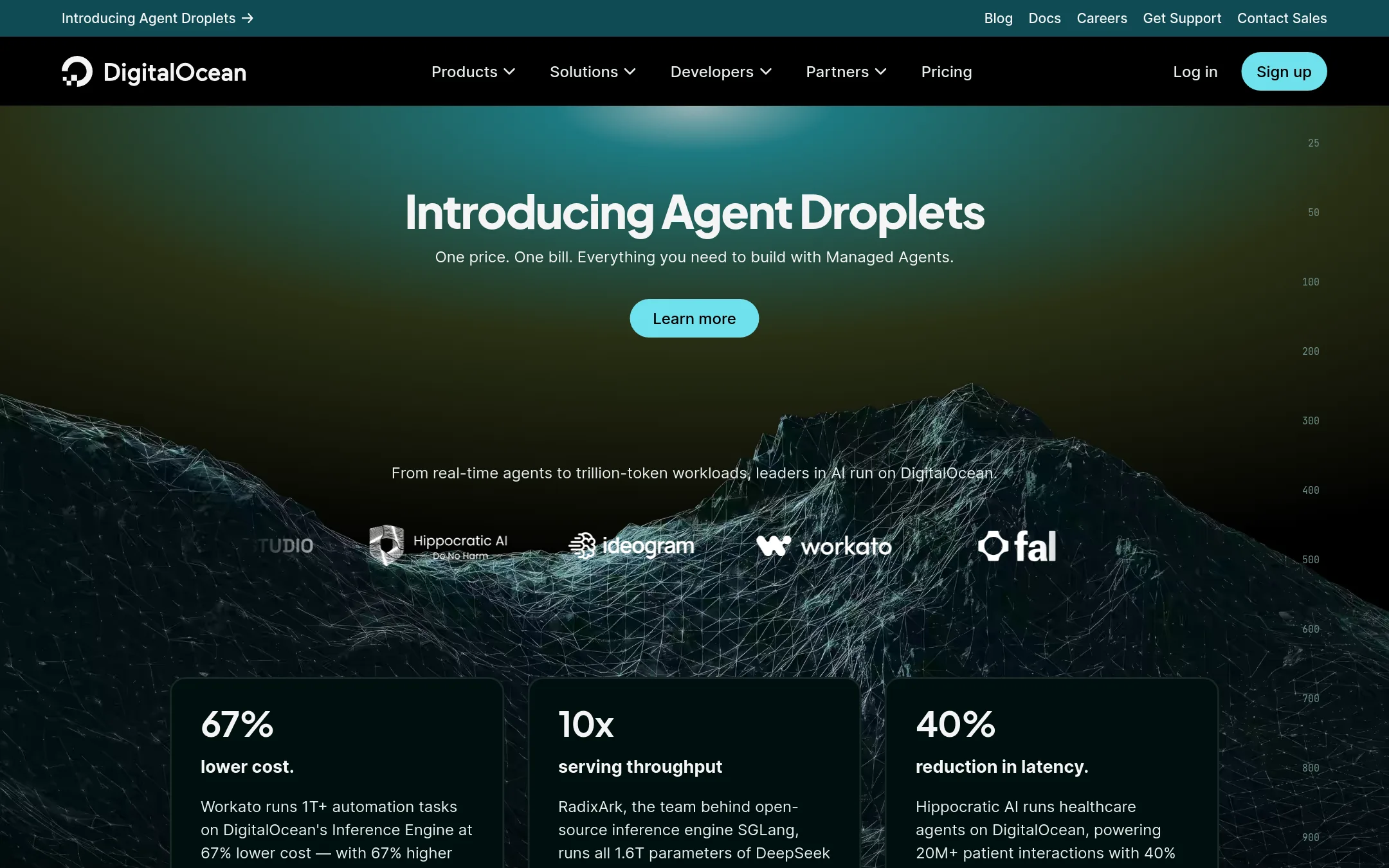
 DigitalOcean App PlatformNot publishedTeams that want a managed PaaS with predictable pricing and integrated AI/ML services, without the operational overhead of running their own cloud infrastructure.
- VVultrSee websiteOther
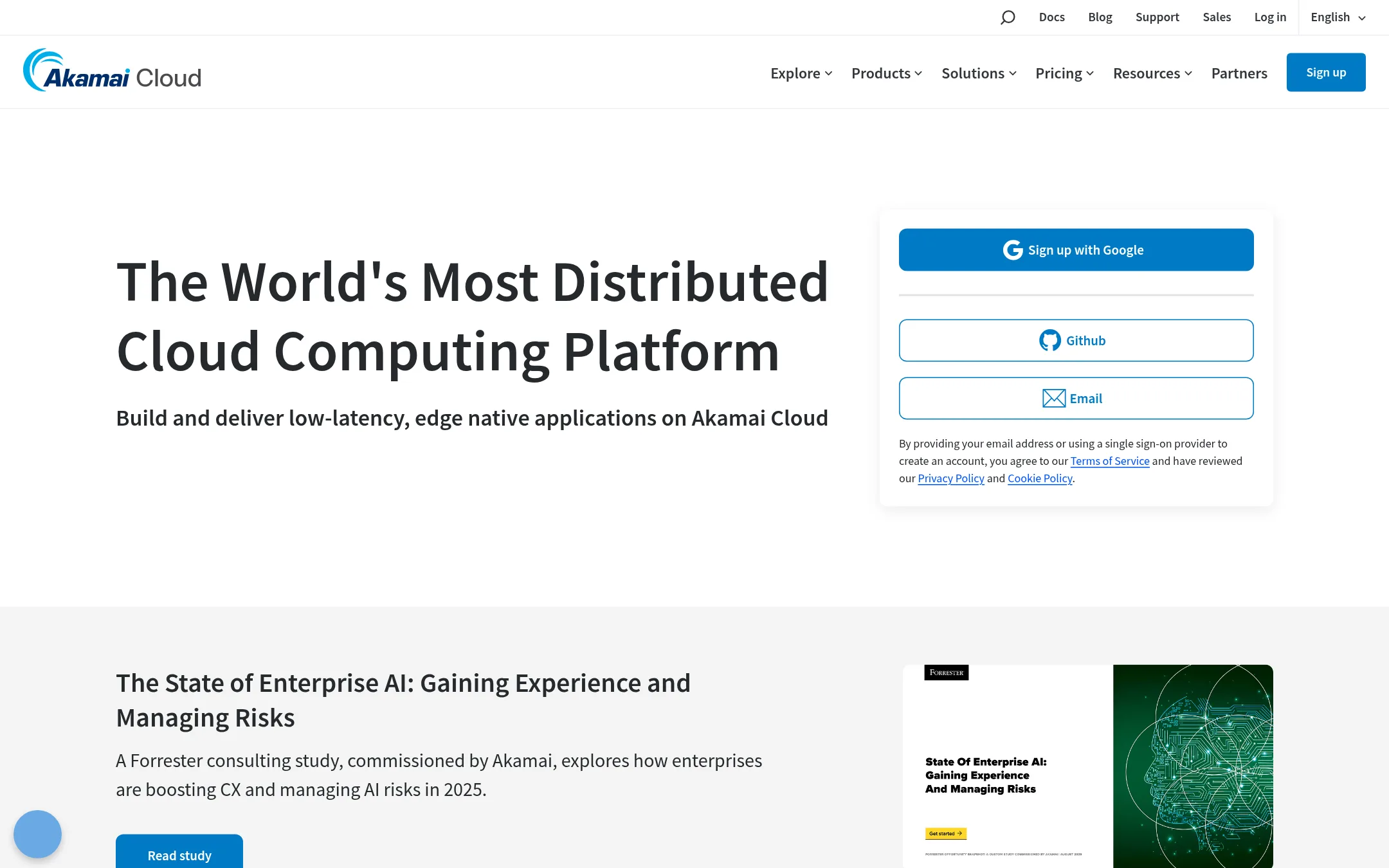
- LLinode (Akamai)Not publishedTeams that need a reliable, distributed cloud platform with managed services and predictable costs, especially those already using Akamai's edge network.
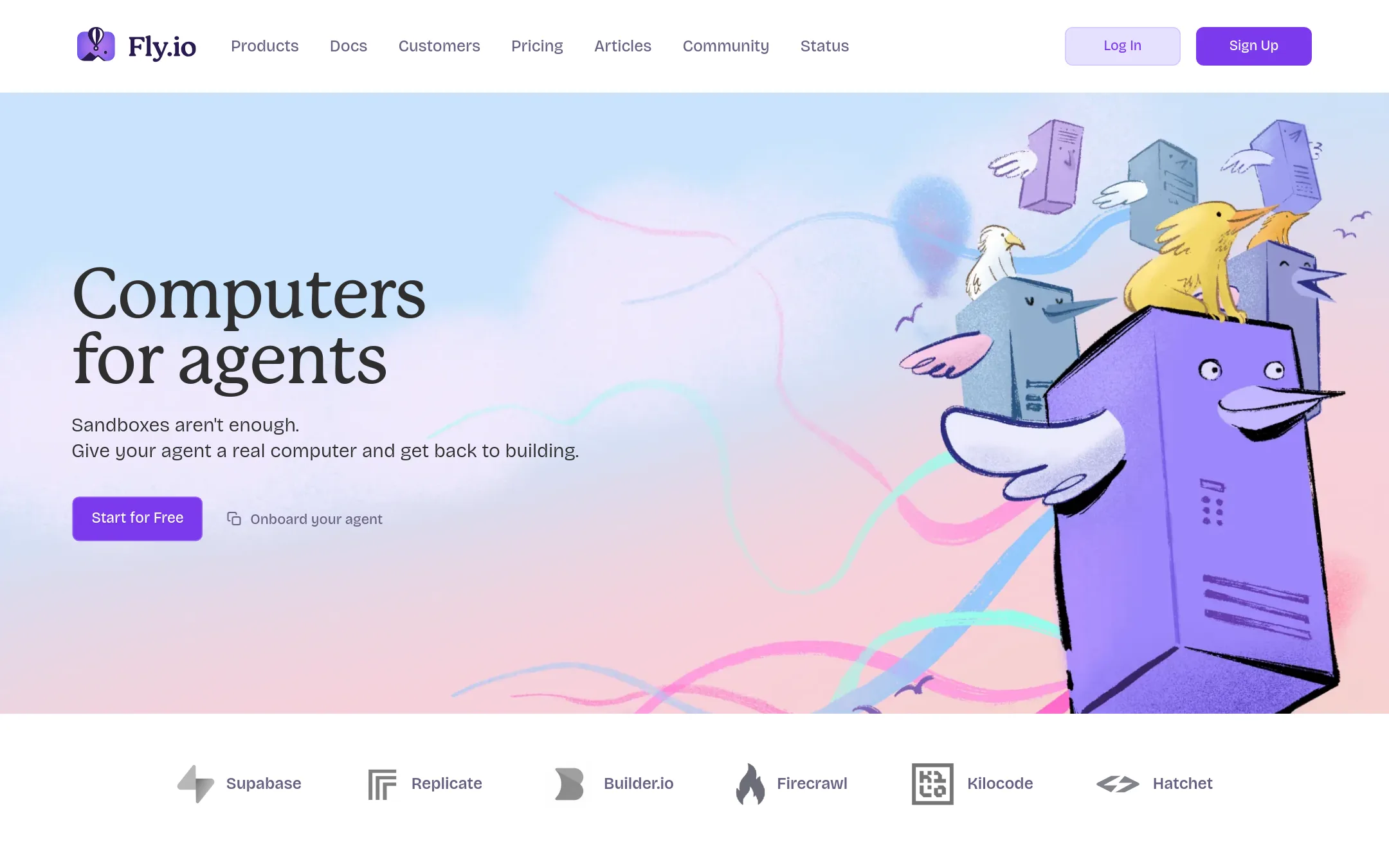
 Fly.ioFrom $0.0030/hrTeams deploying latency-sensitive apps or AI agents that need fast global scaling and per-second billing.
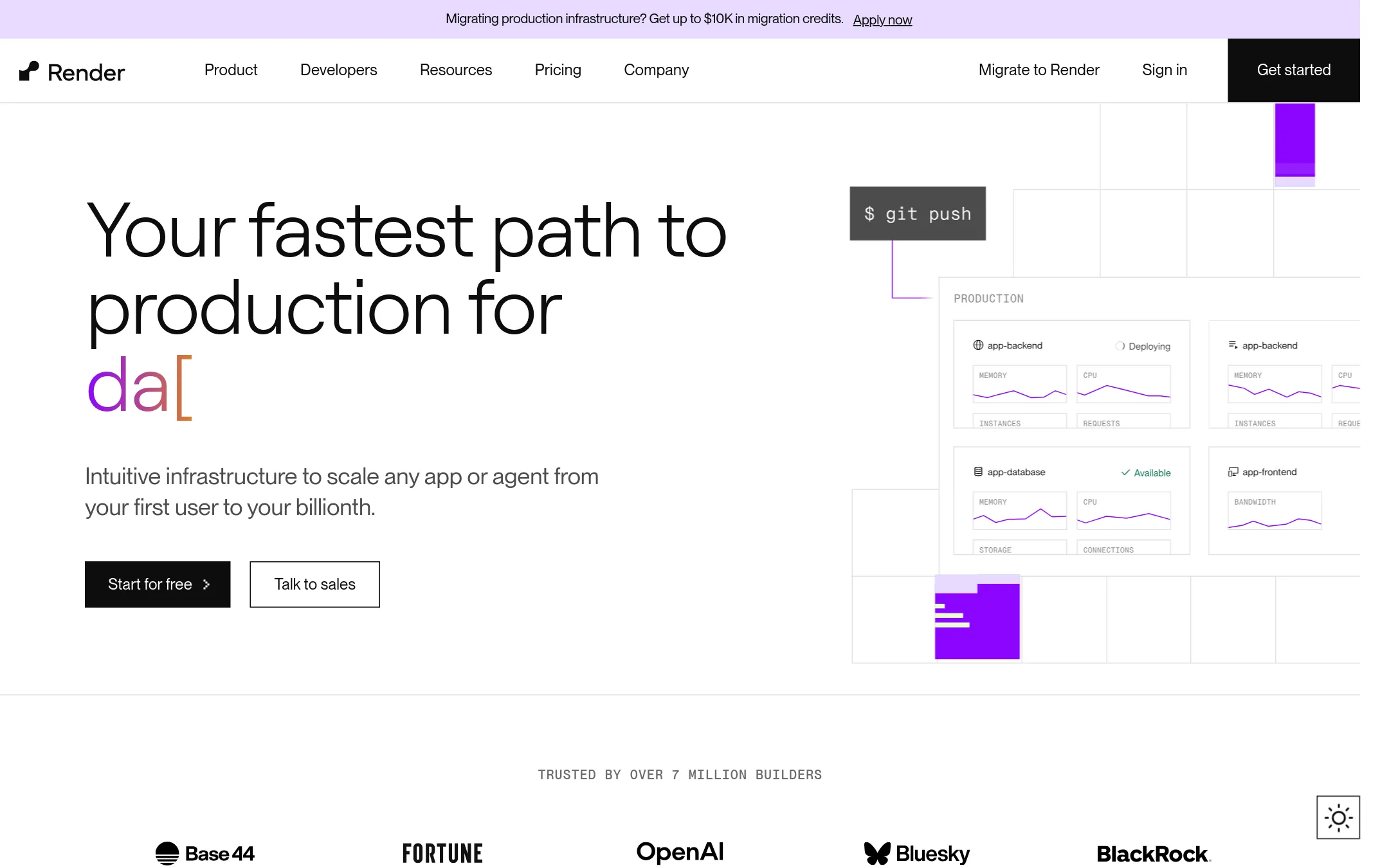
- RRenderFrom $7/moStartups and teams that want to deploy apps and databases quickly without managing infrastructure.
 NeonFrom $0.106/CU-hrTeams building serverless apps or agents that need instant database branching, autoscaling, and a built-in backend suite without managing VMs or bare metal.
 SupabaseFrom $25/mo + usageStartups and product teams that want a fast path from idea to production with a Postgres database, auth, and APIs without managing servers.
 GitHub ProjectsFree / $4 / $21 per usSoftware teams already on GitHub that want simple project planning and tracking without adopting a separate tool.
About Ubicloud and its alternatives
Ubicloud is an open source alternative to AWS. It provides cloud services on bare metal providers like Hetzner, Leaseweb, or AWS Bare Metal. You can set it up yourself or use its managed service. It is known for reducing costs, avoiding vendor lock-in, and offering managed PostgreSQL, GitHub Actions runners, and compute VMs at lower prices than major public clouds.
When comparing alternatives, weigh the pricing structure. Some bill per second, others per month. Check regions and data residency. Look at integrations with your existing stack, like GitHub or Kubernetes. Consider support options and contract terms. Some products have free tiers, others require contacting sales.
Explore the alternatives
- Not published
1.Amazon Business
Best for: Companies that need a managed procurement solution for office, maintenance, and operational supplies with business controls.

- Pricing
- Not published
- Category
- E-commerce
Amazon Business is a procurement platform for buying supplies and equipment, with approval workflows, spend analytics, and bulk discounts. Choose it over Ubicloud when your need is purchasing goods, not running cloud infrastructure.
Where it is strong
- Wide product selection with quantity discounts
- Centralized approval flows and spend reports
- Integration with Amazon's delivery network
Where it falls short
- No cloud compute or database services
- Pricing details require contacting sales
- Pricing:
- Pricing is not published on the site.
- RNot published
2.RecordBook
Best for: Small business owners who need a simple, mobile-friendly database app for tracking records and inventory.
- Pricing
- Not published
- Category
- Productivity & Project Management
RecordBook is a mobile-first database app for small businesses that need to organize records without building custom software. It is a simpler, more approachable tool than Ubicloud, which is aimed at developers running cloud infrastructure. Choose RecordBook if you run an SMB and want a lightweight way to manage data, not a cloud platform.
Where it is strong
- Mobile-first design, so it works well on phones and tablets
- Aimed at SMBs, so it is simpler than developer-focused tools
- Available on Google Play, so it is easy to install
Where it falls short
- No web or desktop version mentioned, so it is limited to mobile
- No pricing or feature details on the site, so it is hard to evaluate
- Pricing:
- Pricing is not published on the site.
- Pay-as-you-go
3.Microsoft Azure CycleCloud
Best for: Teams running HPC workloads that want to manage clusters on Azure with tight integration to other Azure services.
- Pricing
- Pay-as-you-go
- Category
- Developer Tools
Microsoft Azure CycleCloud is a tool for orchestrating and managing high-performance computing (HPC) clusters on Azure. It is a good fit if you already run HPC workloads and want to move them to Azure, or if you need deep integration with the broader Azure ecosystem. Choose it over Ubicloud when you need enterprise-grade HPC scheduling and are comfortable with Azure's pricing model.
Where it is strong
- Deep integration with Azure services like VM scale sets and storage.
- Supports popular schedulers (Slurm, PBS, etc.) for HPC.
- Scales clusters automatically based on workload demand.
Where it falls short
- Requires an Azure subscription and is tied to Azure's ecosystem.
- Pricing is complex and varies by region and resource type.
- Pricing:
- In the United States, Azure pricing is consumption-based. You pay only for the resources you use, with options for reservations and savings plans. CycleCloud itself does not have a separate published price.
- Switching from Ubicloud:
- Moving from Ubicloud to CycleCloud means migrating your infrastructure to Azure and reconfiguring your cluster management, which may involve significant rework.
- HNot published
4.Hetzner Cloud
Best for: Teams that want cheap, reliable cloud VMs and dedicated servers in Europe without a managed layer.
- Pricing
- Not published
- Category
- Other
Hetzner Cloud is a German hosting provider offering dedicated servers, cloud VMs, and storage at low prices. You would choose it over Ubicloud if you want a straightforward, self-managed cloud with simple pricing and don't need Ubicloud's managed PostgreSQL or GitHub Actions integration.
Where it is strong
- Low-cost cloud servers and dedicated hardware
- Own data centers in Germany and Finland
- Simple product lineup with no lock-in
Where it falls short
- No managed PostgreSQL or Kubernetes as a service
- Limited global regions compared to Ubicloud's bare-metal providers
- Pricing:
- Pricing is not published on the site.
- Not published
5.DigitalOcean App Platform
Best for: Teams that want a managed PaaS with predictable pricing and integrated AI/ML services, without the operational overhead of running their own cloud infrastructure.
- Pricing
- Not published
- Category
- Developer Tools
DigitalOcean App Platform is a fully managed platform for deploying and scaling web apps without managing servers. You would choose it over Ubicloud if you want a simple, integrated cloud with managed databases, Kubernetes, and AI inference, rather than building on bare metal providers yourself.
Where it is strong
- Fully managed platform: no infrastructure to manage.
- Integrated AI services: inference, agents, and GPU droplets on one bill.
- Predictable pricing with monthly caps and flat rates.
Where it falls short
- Less control over underlying infrastructure compared to Ubicloud's bare metal approach.
- Pricing details are not fully transparent on the site.
- Pricing:
- Pricing is not published on the site. Only starting points like GPU Droplets from $0.76/GPU/hour and Network File Storage at $0.15/GiB-month are shown.
- Switching from Ubicloud:
- Moving from Ubicloud would involve migrating your workloads to DigitalOcean's managed services, which may require re-architecting if you rely on Ubicloud's specific VM and PostgreSQL offerings.
- VSee website
6.Vultr
Other
A budget-friendly cloud provider with bare-metal and cloud compute, a direct alternative for cost savings.
- LNot published
7.Linode (Akamai)
Best for: Teams that need a reliable, distributed cloud platform with managed services and predictable costs, especially those already using Akamai's edge network.
- Pricing
- Not published
- Category
- Other
Linode, now part of Akamai, is a traditional cloud provider with shared, dedicated, and high-memory CPU plans, managed Kubernetes, databases, and object storage. Choose it over Ubicloud if you want a well-established, globally distributed cloud with predictable flat pricing and a broad ecosystem, rather than an open-source, bare-metal-based alternative.
Where it is strong
- Flat, predictable pricing with low egress fees and a free egress allowance.
- Global distribution across Akamai's network for low-latency deployments.
- Managed services like Kubernetes, databases, and object storage included.
Where it falls short
- Not open source, unlike Ubicloud's open-source approach.
- Pricing details are not publicly listed, requiring contact with sales.
- Pricing:
- Pricing is not published on the site.
- From $0.0030/hr
8.Fly.io
Best for: Teams deploying latency-sensitive apps or AI agents that need fast global scaling and per-second billing.
- Pricing
- From $0.0030/hr
- Category
- Developer Tools
Fly.io runs your apps on hardware-isolated VMs that boot in under a second and bill by the second. It is a good fit if you want to deploy full-stack apps close to users across many regions without managing your own Kubernetes or bare metal. Choose it over Ubicloud when you need instant scaling, global edge deployment, or sandboxes for untrusted code.
Where it is strong
- Machines boot in under a second and bill per second, so you only pay for active use.
- 18+ regions worldwide with anycast IPv6 and shared IPv4 included.
- Built-in managed Postgres with high availability, backups, and connection pooling.
Where it falls short
- Egress costs vary by region, up to $0.12/GB for Africa and India.
- No open-source self-hosted option like Ubicloud. You must use Fly.io's platform.
- Pricing:
- Shared CPU machines start at $0.0030/hour ($2.19/month), performance machines from $0.0458/hour ($33/month), managed Postgres from $38/month, and support plans from $29/month.
- Switching from Ubicloud:
- Moving from Ubicloud means re-deploying your apps to Fly.io's platform, which may require adapting your infrastructure-as-code and networking setup.
- RFrom $7/mo
9.Render
Best for: Startups and teams that want to deploy apps and databases quickly without managing infrastructure.
- Pricing
- From $7/mo
- Category
- Other
Render is a fully managed platform for deploying web services, databases, cron jobs, and background workers with zero ops. Choose it over Ubicloud if you want a turnkey PaaS with built-in autoscaling, previews, and managed Postgres, rather than running your own cloud on bare metal.
Where it is strong
- Full-stack previews for every pull request
- Load-based autoscaling handles traffic spikes
- Managed Postgres with PITR and read replicas
Where it falls short
- No open-source or self-hosted option
- Pricing can be higher for large compute vs. bare metal
- Pricing:
- Web services start at $7/month for 512 MB RAM, managed Postgres at $6/month for 256 MB, and cron jobs at $0.00016/minute.
- Switching from Ubicloud:
- Moving from Ubicloud to Render means re-deploying your apps and databases on Render's platform, which may require code changes for services like GitHub Actions runners.
- From $0.106/CU-hr
10.Neon
Best for: Teams building serverless apps or agents that need instant database branching, autoscaling, and a built-in backend suite without managing VMs or bare metal.
- Pricing
- From $0.106/CU-hr
- Category
- Developer Tools
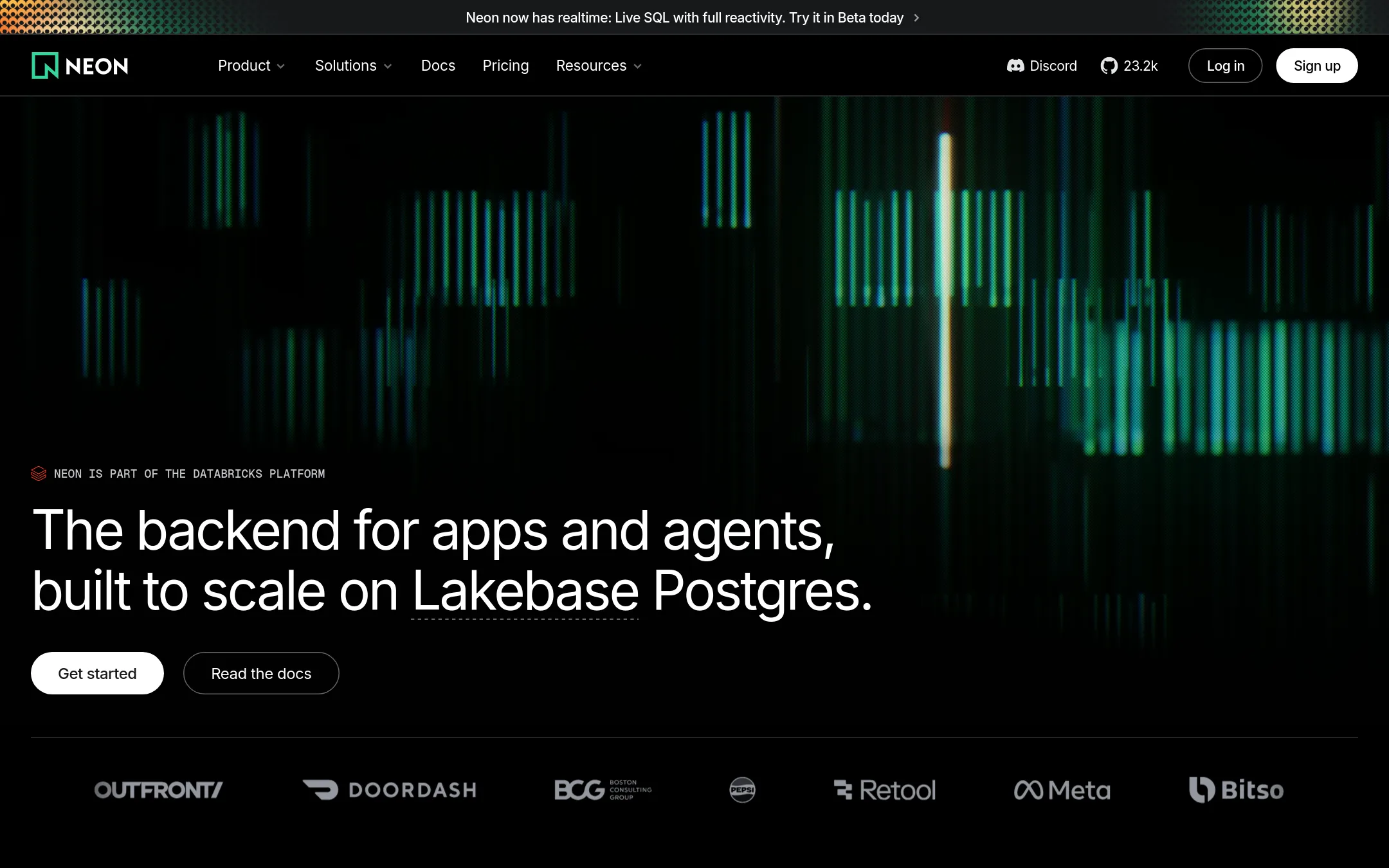
Neon is a serverless Postgres platform with branching, autoscaling, and scale-to-zero, plus a broader backend suite including auth, storage, functions, and an AI gateway. Choose Neon over Ubicloud when you want a fully managed, developer-focused Postgres experience with instant branching for preview environments and no infrastructure to operate.
Where it is strong
- Instant branching for previews and testing, with copy-on-write storage.
- Autoscaling and scale-to-zero reduce costs for intermittent workloads.
- Includes auth, object storage, functions, and AI gateway in one platform.
Where it falls short
- Not open source. You depend on Neon's managed service.
- Pricing is usage-based and can be unpredictable for high, steady loads.
- Pricing:
- Free tier includes 100 projects, 100 CU-hours monthly per project, and 1 GB storage. Launch plan is usage-based at $0.106 per CU-hour and $0.35 per GB-month, with typical spend around $15/month. Scale plan starts at $0.222 per CU-hour.
- Switching from Ubicloud:
- Moving from Ubicloud to Neon means shifting from self-managed or managed VMs and Postgres to a serverless platform, so you'd need to adapt your infrastructure code and connection handling to Neon's compute and branching model.
- From $25/mo + usage
11.Supabase
Best for: Startups and product teams that want a fast path from idea to production with a Postgres database, auth, and APIs without managing servers.
- Pricing
- From $25/mo + usage
- Category
- Developer Tools
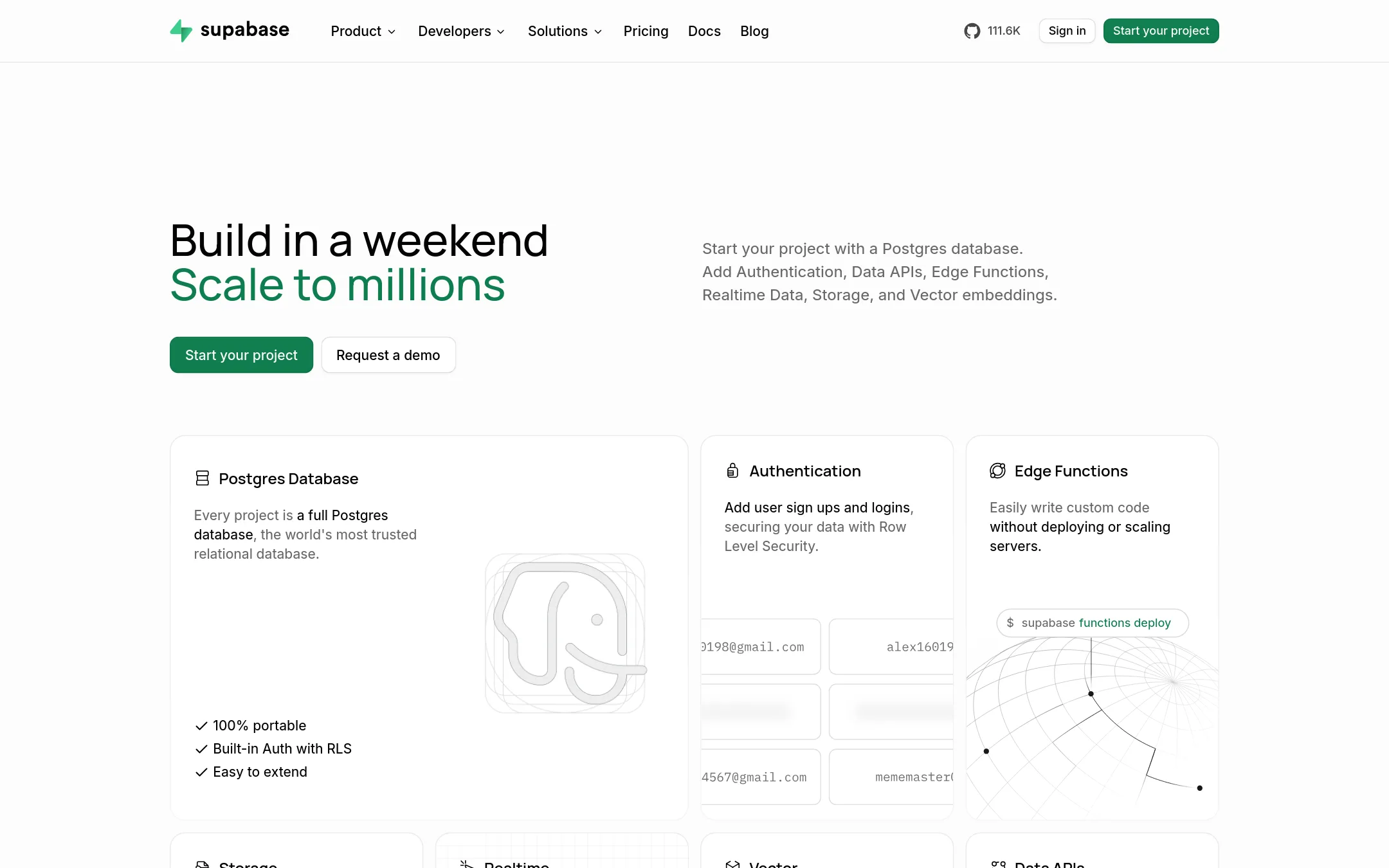
Supabase is a hosted Postgres platform that bundles a database, auth, storage, realtime, and edge functions into one product. You would choose it instead of Ubicloud when you want a managed backend with built-in developer conveniences rather than running your own cloud infrastructure on bare metal.
Where it is strong
- Full Postgres database with built-in auth, storage, and realtime
- Instant REST and GraphQL APIs from your schema
- Free tier and predictable usage-based pricing
Where it falls short
- Not open source in the same way as Ubicloud's core
- Locked to Supabase's managed platform, less control over underlying infrastructure
- Pricing:
- Free tier includes 500 MB database and 5 GB egress. Pro starts at $25/month with 8 GB disk and 250 GB egress, plus compute from $10/month per project.
- Switching from Ubicloud:
- Moving from Ubicloud to Supabase means replacing your managed Postgres and compute with Supabase's platform, which may require rewriting API calls and auth logic.
- Free / $4 / $21 per us
12.GitHub Projects
Best for: Software teams already on GitHub that want simple project planning and tracking without adopting a separate tool.
- Pricing
- Free / $4 / $21 per us
- Category
- Productivity & Project Management
GitHub Projects is a project management layer built into GitHub, so teams that already live in GitHub can plan and track work without leaving their code. It is a good choice when you want lightweight issue tracking and project boards next to your repos, not a separate infrastructure platform like Ubicloud.
Where it is strong
- Tight integration with GitHub repos, issues, and pull requests.
- Free tier includes unlimited repos and 2,000 CI/CD minutes per month.
- Enterprise plan includes Copilot access and advanced security features.
Where it falls short
- Not an infrastructure or cloud service. It cannot replace AWS or bare-metal compute.
- Project management features are basic compared to dedicated tools like Jira or Linear.
- Pricing:
- Free for unlimited public/private repos with 2,000 CI/CD minutes/month. Team is $4 per user/month. Enterprise is $21 per user/month.
See more comparisons in Other alternatives.
FAQ
Questions about Ubicloud alternatives
What is the main difference between Ubicloud and managed PaaS options like Render or Fly.io?
Ubicloud lets you run your own cloud on bare metal, giving you control and lower costs. Render and Fly.io are fully managed platforms where you deploy apps without managing servers. Choose Ubicloud if you want infrastructure control, choose a PaaS if you want zero ops.
Which alternative is best for a startup that wants a Postgres database with minimal setup?
Supabase and Neon are both strong. Supabase offers a full backend with auth and storage, starting at $25/month. Neon provides serverless Postgres with instant branching and a free tier. Both are managed, so you avoid infrastructure work.
Are there any open source alternatives to Ubicloud?
None of the listed alternatives are open source. Ubicloud itself is open source. If open source is a hard requirement, you may need to self-host Ubicloud or consider other tools not listed here.
What should I consider about pricing when comparing these options?
Look at billing granularity. Fly.io bills per second, Render and DigitalOcean have flat monthly rates. Supabase and Neon are usage-based. Check egress costs, which can vary by region. Some products like Hetzner and Linode do not publish pricing, so you may need to contact sales.
Which alternative is best for HPC workloads?
Microsoft Azure CycleCloud is designed for HPC. It orchestrates clusters on Azure with support for schedulers like Slurm. It requires an Azure subscription and has complex pricing. Ubicloud is not HPC-focused, so CycleCloud is the better fit for that use case.
Last updated November 4, 2026.