VaultPay alternatives
6 products compared · Updated November 4, 2026
The short answer
For global online businesses, Stripe is the strongest alternative with transparent pricing and broad payment support. PayPal suits sellers needing a trusted, widely recognized checkout with buyer protection. Large enterprises should consider Adyen for a single platform handling global payments, payouts, and embedded financial products.
Your shortlist, at a glance
Read the comparisons ↓ Stripe2.9% + 30¢Online businesses and platforms that need to accept payments globally and manage complex billing.
 PayPalCustom quoteBusinesses selling online or in person across multiple countries that need a trusted, global payment processor.
 AdyenCustom quoteLarge enterprises and marketplaces that need a single platform for global payments, payouts, and embedded financial products.
Square2.6% + 10¢ in-personUS-based businesses of any size that need to accept card payments at a physical location or online and want integrated POS and e-commerce tools.
 BraintreeNot publishedOnline businesses that need global payment acceptance and payouts in 50+ currencies.
 PlaidCustom quoteFintech startups and developers that need to link bank accounts, verify identity, or move money programmatically.
About VaultPay and its alternatives
VaultPay is a digital banking platform for smartphone users in the Democratic Republic of Congo. It offers a Visa card without a bank account, funded by mobile money, and is regulated by the Central Bank of Congo. It is known for managing recurring payments and linking Ecobank CashXpress cards.
When comparing alternatives, weigh pricing structure, supported regions, integrations, support, and contract terms. Some products publish transparent per-transaction fees, while others require contacting sales. Consider whether you need global reach, local payment methods, or a developer API.
Explore the alternatives
- 2.9% + 30¢
1.Stripe
Best for: Online businesses and platforms that need to accept payments globally and manage complex billing.
- Pricing
- 2.9% + 30¢
- Category
- Finance & Accounting
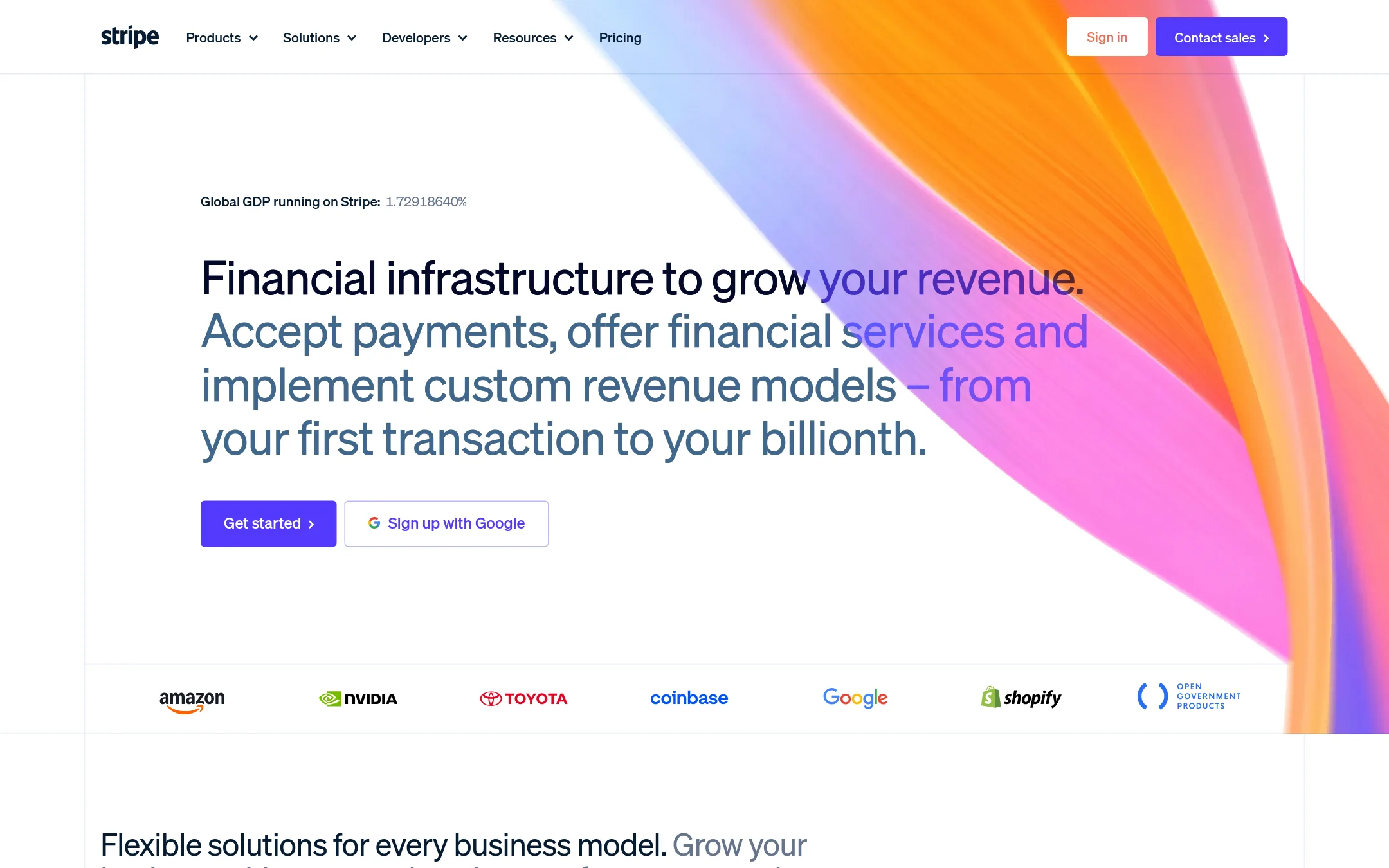
Stripe is a global payments platform for businesses that need to accept payments online, in person, or across borders. You would choose it over VaultPay if you run a company that needs broad payment processing, billing models, and financial tools, not a consumer wallet tied to one country.
Where it is strong
- Supports 135+ currencies and payment methods globally.
- Handles high volume, with 99.999% uptime and $1.9T processed in 2025.
- Offers flexible integration paths, from no-code dashboard to APIs and SDKs.
Where it falls short
- Not designed for individual consumers in a single country like VaultPay.
- Pricing for many features is custom, so costs are not always transparent upfront.
- Pricing:
- Standard pricing is 2.9% + 30¢ per successful transaction for domestic cards, with custom pricing for other scenarios.
- Switching from VaultPay:
- Moving from VaultPay to Stripe means building a new payment setup for your business, since Stripe is a platform for merchants, not a consumer wallet.
- Custom quote
2.PayPal
Best for: Businesses selling online or in person across multiple countries that need a trusted, global payment processor.
- Pricing
- Custom quote
- Category
- Finance & Accounting
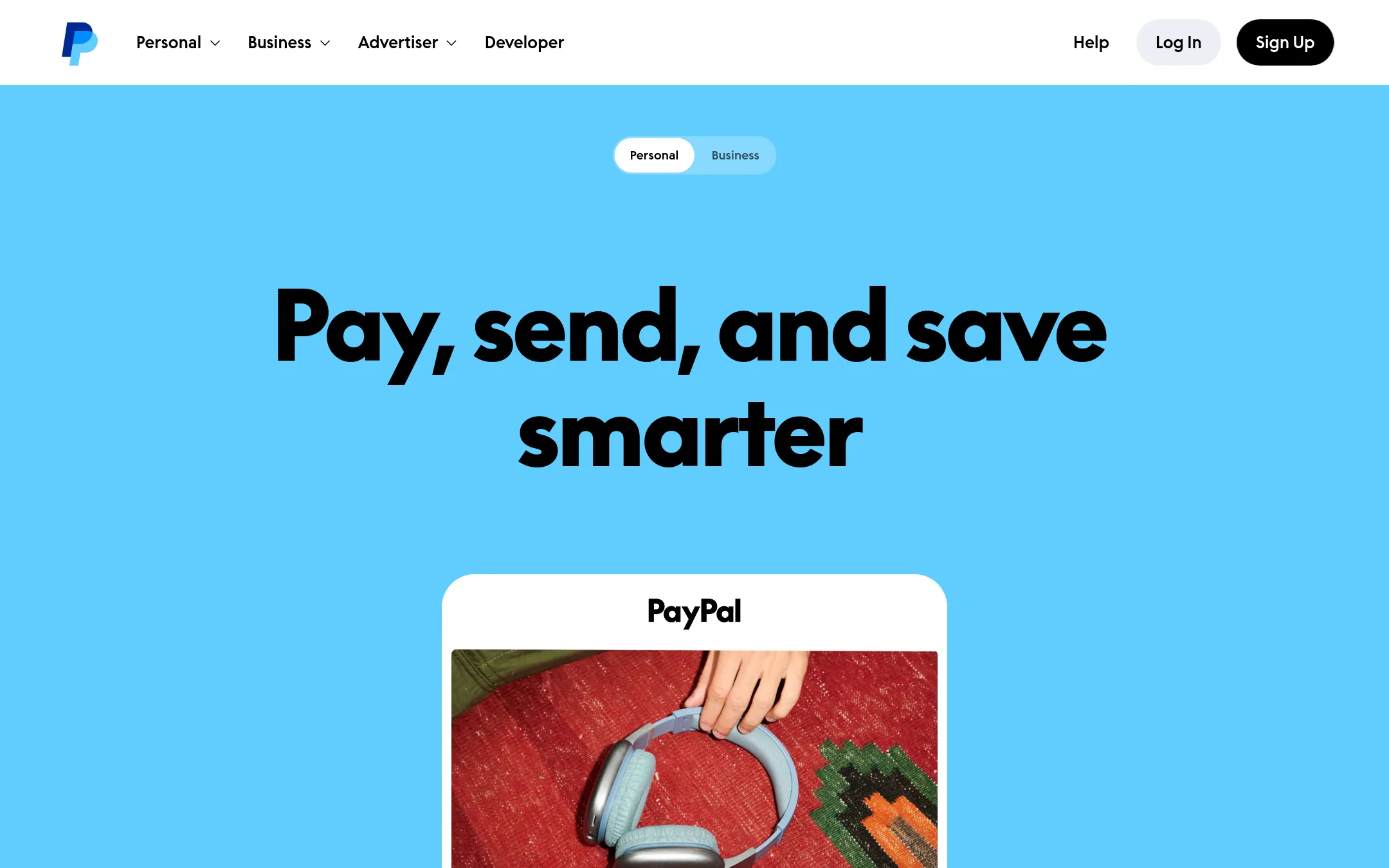
PayPal is a global payments platform for online and in-person sales, with buyer protection and support for cards, wallets, and pay-later options. Choose it over VaultPay if you sell to customers outside the DRC and need a widely recognized checkout that handles disputes and fraud screening.
Where it is strong
- Global reach: up to 400 million active accounts across 200+ markets.
- Built-in Seller Protection on eligible transactions.
- Supports cards, wallets, and Pay Later options in one checkout.
Where it falls short
- Fees are not published for standard processing, so budgeting is harder.
- Expanded Checkout puts chargeback handling on you, unlike VaultPay's simpler model.
- Pricing:
- In the United Kingdom, standard domestic fees apply. Custom pricing is available for high-volume businesses, and card readers cost £29 for the first one and £69 for additional ones.
- Switching from VaultPay:
- Moving from VaultPay means setting up a PayPal business account and integrating its checkout, which may require more technical work if you want Expanded Checkout.
- Custom quote
3.Adyen
Best for: Large enterprises and marketplaces that need a single platform for global payments, payouts, and embedded financial products.
- Pricing
- Custom quote
- Category
- Finance & Accounting
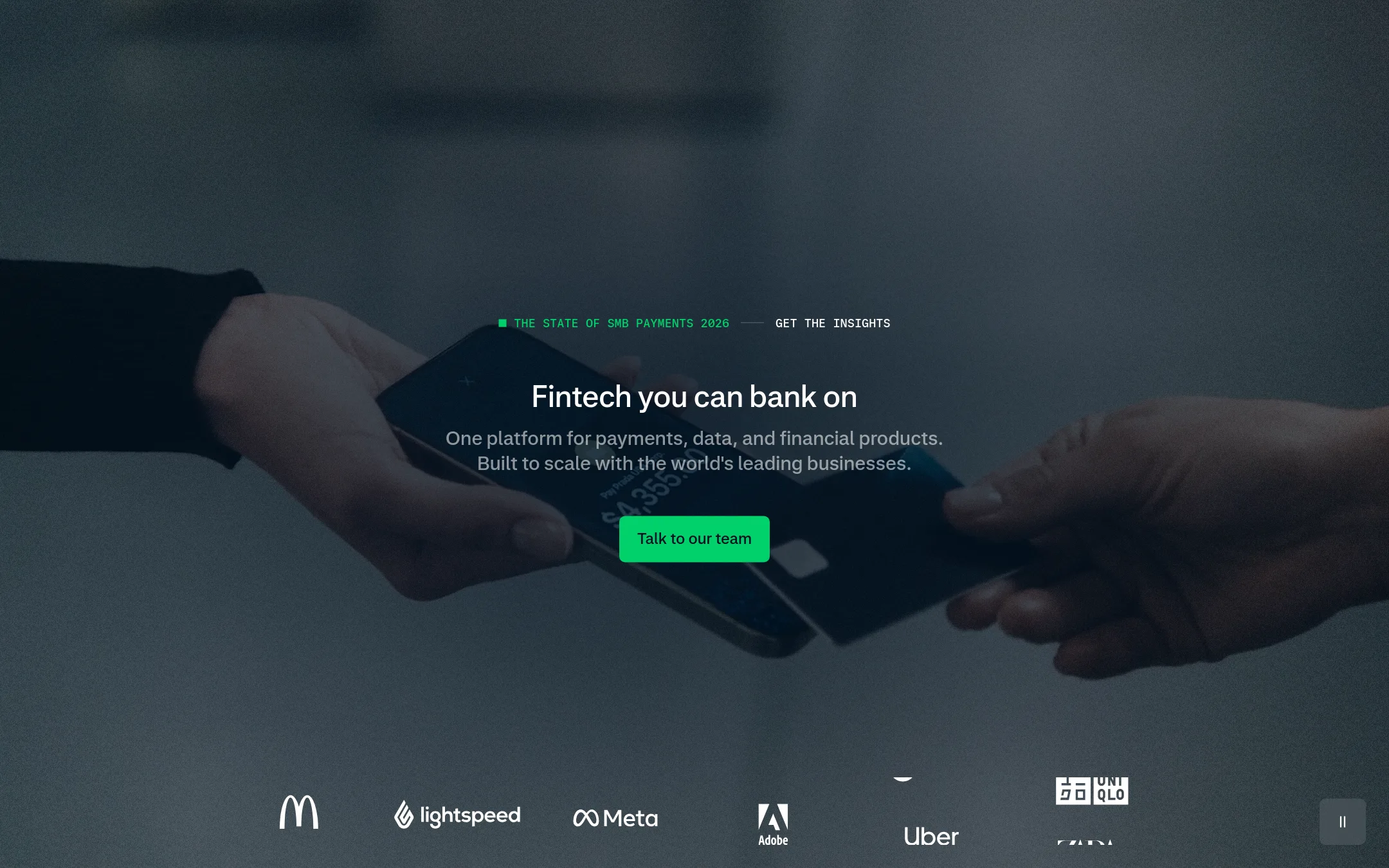
Adyen is a global payments platform for large enterprises. It handles payments, data, and financial products in one place. Choose it when you need to scale across many countries and payment methods, not just one market.
Where it is strong
- One API for payments, payouts, and card issuing
- 99.999% historical uptime
- Interchange++ pricing passes card fees directly to you
Where it falls short
- Pricing is not transparent. You must contact sales
- Not suitable for small businesses or startups without enterprise volume
- Pricing:
- Pricing is not published on the site. Adyen charges a fixed processing fee plus a payment-method fee per transaction, with no setup or monthly fees.
- Switching from VaultPay:
- Moving from VaultPay to Adyen means rebuilding your payment integration and going through a sales-led onboarding process.
- 2.6% + 10¢ in-person
4.Square
Best for: US-based businesses of any size that need to accept card payments at a physical location or online and want integrated POS and e-commerce tools.

- Pricing
- 2.6% + 10¢ in-person
- Category
- Finance & Accounting
Square is a full payments and point-of-sale platform for businesses that need to accept cards in person, online, or through invoices. Choose it over VaultPay if you run a business in the US and need a broader set of tools like inventory, staff management, and e-commerce, rather than a personal prepaid Visa card.
Where it is strong
- No monthly fee for basic card processing.
- Free POS app and online store tools.
- Works with a wide range of hardware, from card readers to full terminals.
Where it falls short
- Not available for personal use or as a prepaid card.
- Funds may take up to two business days to appear in your bank account.
- Pricing:
- In the United States, Square charges 2.6% + 10¢ for in-person card payments, 2.9% + 30¢ for online payments, and 3.5% + 15¢ for manually entered cards.
- Switching from VaultPay:
- Moving from VaultPay to Square means setting up a new merchant account and integrating Square's payment hardware or online checkout, but your existing Visa card can still be used for payments.
- Not published
5.Braintree
Best for: Online businesses that need global payment acceptance and payouts in 50+ currencies.
- Pricing
- Not published
- Category
- Finance & Accounting
Braintree is a global payment processing platform for online businesses, now operating as PayPal Enterprise Payments. Choose it over VaultPay if you need to accept payments from customers worldwide with a wide range of payment methods, not just in one country.
Where it is strong
- Supports PayPal, Venmo, cards, and digital wallets
- Payouts to 200+ markets in 50+ currencies
- Level 1 PCI DSS compliant with fraud tools
Where it falls short
- Pricing is not transparent on the site
- No focus on mobile money or local DRC payment methods
- Pricing:
- Pricing is not published on the site.
- Custom quote
6.Plaid
Best for: Fintech startups and developers that need to link bank accounts, verify identity, or move money programmatically.
- Pricing
- Custom quote
- Category
- Finance & Accounting
Plaid gives companies APIs to connect users' bank accounts for payments, identity checks, and financial data. Choose it when you need to build fintech features like account linking or underwriting, not when you need a consumer card or wallet. It's a developer tool, not a banking app.
Where it is strong
- Access to 12,000 financial institutions across 20 countries
- Free sandbox and up to 200 live API calls for testing
- Products cover auth, balance, identity, transactions, and more
Where it falls short
- Pricing is not public. You must contact sales for most products
- No consumer-facing card or wallet. It's a backend API service
- Pricing:
- Pricing is not published on the site. Plans are Pay as You Go, Growth, and Custom, with per-request, per-account, or subscription fees depending on the product.
- Switching from VaultPay:
- Moving from VaultPay means replacing a consumer app with a developer platform, so you'd rebuild your payment flow around Plaid's APIs.
See more comparisons in Finance & Accounting alternatives.
FAQ
Questions about VaultPay alternatives
What are the main differences between VaultPay and these alternatives?
VaultPay is a consumer wallet for the DRC, offering a prepaid Visa card funded by mobile money. The alternatives are global payment processors for businesses, handling online or in-person transactions across multiple countries. They are not consumer wallets and do not focus on a single market.
Which alternative has the most transparent pricing?
Stripe publishes standard pricing of 2.9% + 30¢ per transaction for domestic cards. Square also lists clear rates for in-person, online, and manually entered payments. Adyen, Braintree, and Plaid do not publish pricing and require contacting sales.
Can these alternatives handle mobile money payments like VaultPay?
No. VaultPay is designed for mobile money in the DRC, such as M-Pesa, Airtel Money, and Orange Money. The alternatives listed do not mention support for mobile money or local DRC payment methods. They focus on cards, wallets, and bank transfers.
Which alternative is best for a small US-based business?
Square is best for US-based businesses needing to accept card payments in person or online. It offers a free POS app, no monthly fee for basic processing, and clear pricing. It is not for personal use or as a prepaid card.
Do any of these alternatives offer a free trial or sandbox?
Plaid offers a free sandbox and up to 200 live API calls for testing. Stripe and Square have no-code options to start without upfront costs. Adyen, PayPal, and Braintree do not mention free trials on their sites.
Last updated November 4, 2026.