
Verbling alternatives
9 products to explore · 2026
Your shortlist, at a glance.
Read the comparisons ↓
Check each product’s website for current pricing and features. A verified badge indicates a verified listing, not a ranking.
About Verbling and its alternatives
Users searching for Verbling alternatives are typically comparing live online language tutoring platforms that pair learners with native teachers via video. Verbling stands out for its verified tutors, all-in-one platform, and low starting prices with free trials, but alternatives may offer different tutor pools, pricing structures, or specialized features like group classes or app-based practice. Whether you're seeking cheaper hourly rates, more language variety, corporate plans, or a different interface, exploring competitors helps match your schedule, budget, and learning style. Common reasons to switch include tutor availability, specific language focus, or additional tools beyond video lessons. This guide compares top Verbling alternatives across pricing, tutor quality, and use cases to help you choose the best fit for consistent progress in your target language.
Explore the alternatives

1.Cambly
EducationOn-demand access to English tutors over video chat.
2.Babbel
EducationLearn languages fast with practical conversation-focused lessons and proven methods.

3.Busuu
EducationLearn languages online with expert courses and a global speaking community.
4.Duolingo
EducationDuolingo is the world
5.HelloTalk
EducationLearn languages for free by chatting with native speakers worldwide
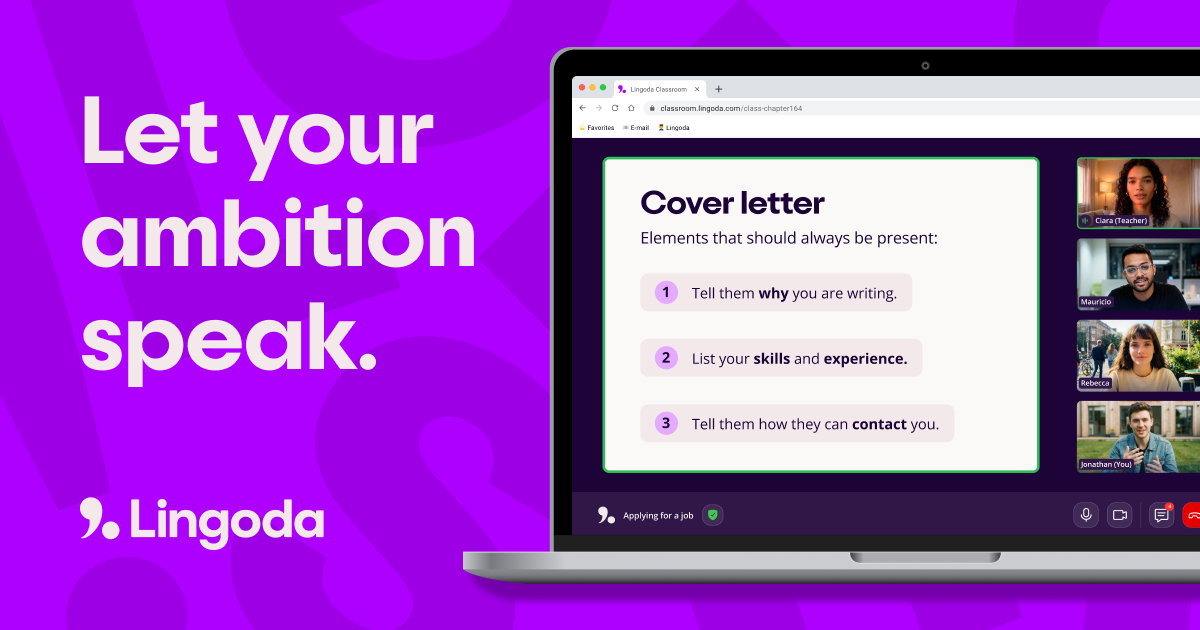
6.Lingoda
EducationLive online language classes with certified teachers and AI tools
7.Preply
EducationLearn languages online with personalized 1-on-1 tutors and flexible scheduling.
8.Rosetta Stone
EducationLearn languages immersively with Dynamic Immersion and TruAccent speech feedback.
9.italki
EducationFlexible 1-on-1 language lessons with tutors worldwide, no subscriptions required.
See more comparisons in Education alternatives.
Questions about Verbling alternatives
What are the best Verbling alternatives for affordable 1-on-1 language lessons?
Top affordable alternatives include italki and Preply, which often have lower per-lesson rates and larger tutor communities. These platforms let you filter by price, availability, and reviews, similar to Verbling but sometimes with more budget options under €10/hour.
How does Verbling compare to italki for learning less common languages?
Verbling offers over 70 languages with verified tutors, while italki has a broader selection of community tutors for rare languages at lower prices. italki may provide more scheduling flexibility but requires more vetting of non-professional tutors compared to Verbling's experience requirements.
Are there Verbling alternatives with stronger corporate language training programs?
Lingoda and Verbling both support B2B group lessons, but Lingoda emphasizes structured courses and CEFR-aligned curricula. Companies seeking team training may find Lingoda's fixed schedules and progress tracking more suitable than Verbling's flexible individual booking model.
Which Verbling alternatives offer free trial lessons like Verbling?
Preply and Cambly frequently provide trial sessions or money-back guarantees. Unlike Verbling's structured free trial with selected teachers, these platforms allow quick matching with multiple tutors to test fit before committing to paid packages.
What Verbling alternatives focus on conversational practice rather than structured lessons?
Cambly specializes in casual, on-demand conversations with native speakers without formal lesson plans. This differs from Verbling's goal-oriented sessions with prepared materials, making Cambly better for fluency building and Verbling preferable for exam prep or grammar focus.
Do Verbling alternatives like Preply have better mobile apps for on-the-go learning?
Preply's app allows booking and some lesson access on mobile, while Verbling emphasizes desktop video stability. Users needing strong mobile support for scheduling or supplementary practice often prefer Preply or dedicated apps like Duolingo alongside tutoring platforms.