
Workato alternatives
12 products to explore · 2026
Your shortlist, at a glance.
Read the comparisons ↓Check each product’s website for current pricing and features. A verified badge indicates a verified listing, not a ranking.
About Workato and its alternatives
Teams searching for Workato alternatives often need a platform that can handle complex enterprise integrations, AI agent orchestration, and secure data workflows without the cost or complexity of a full iPaaS. Workato stands out for its Enterprise MCP capabilities that let organizations connect autonomous agents to business systems while maintaining governance and scalability. Alternatives range from lightweight no-code tools suited for simple automations to robust enterprise platforms designed for large-scale B2B integrations and compliance-heavy environments. When evaluating options, consider factors like native AI support, connector depth, pricing transparency, and the ability to embed integrations inside your own product. Some users seek simpler interfaces or lower entry costs, while others require stronger data orchestration or industry-specific compliance features that Workato provides through its unified platform. Choosing the right alternative depends on whether your priority is rapid departmental automation or enterprise-grade agentic AI infrastructure.
Explore the alternatives

1.Alloy Automation
Developer ToolsAlloy is a platform for building and managing SaaS integrations
2.ElectroNeek
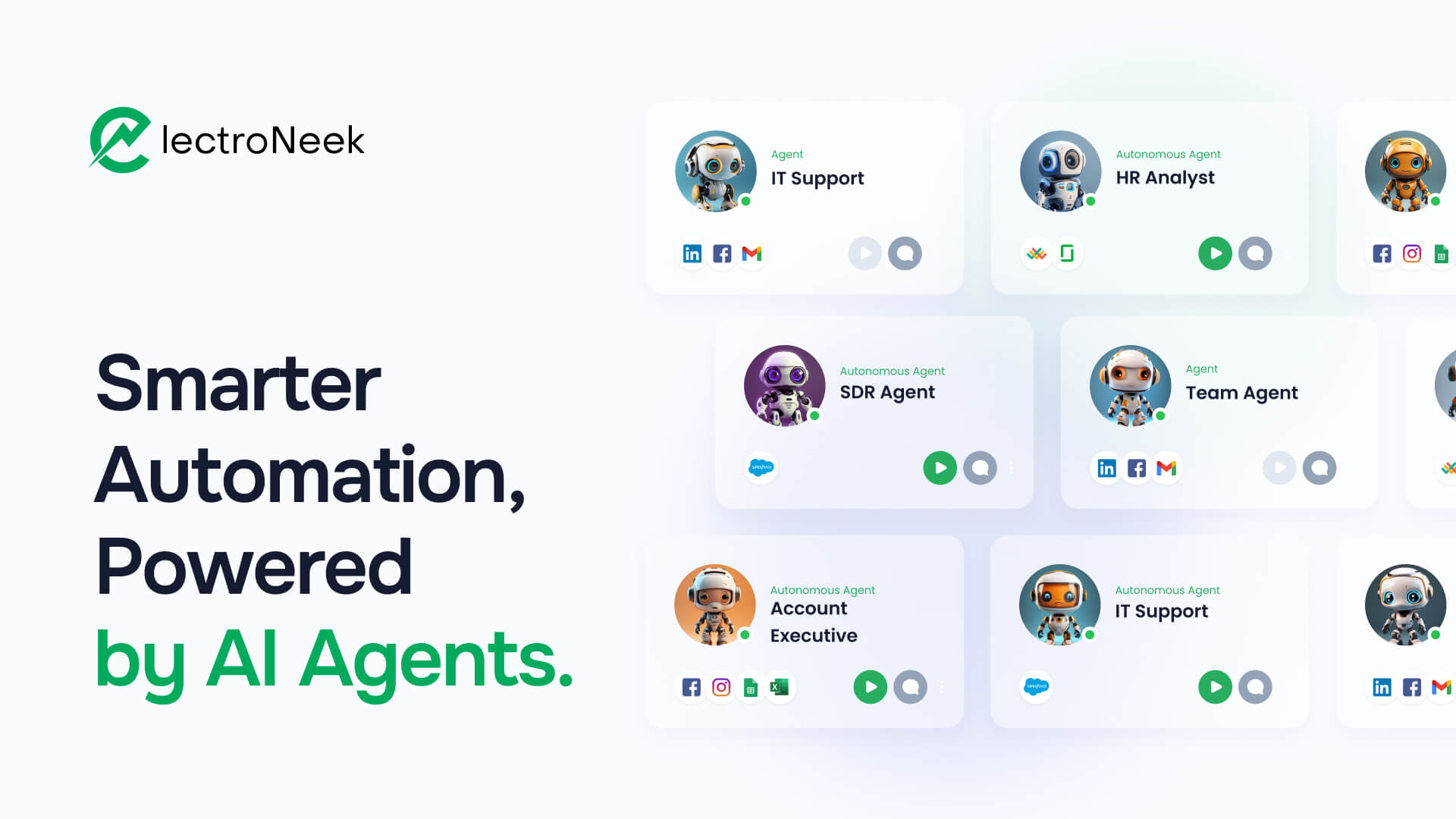
Developer ToolsRobotic Process Automation and Document Processing Platform

3.Luminai
Productivity & Project ManagementLuminai helps automate repetitive manual work away from your mission…
4.Paragon
Developer ToolsThe embedded integration platform for SaaS apps.

5.Polytomic
Analytics & DataNo-code data syncing between your systems
6.Response
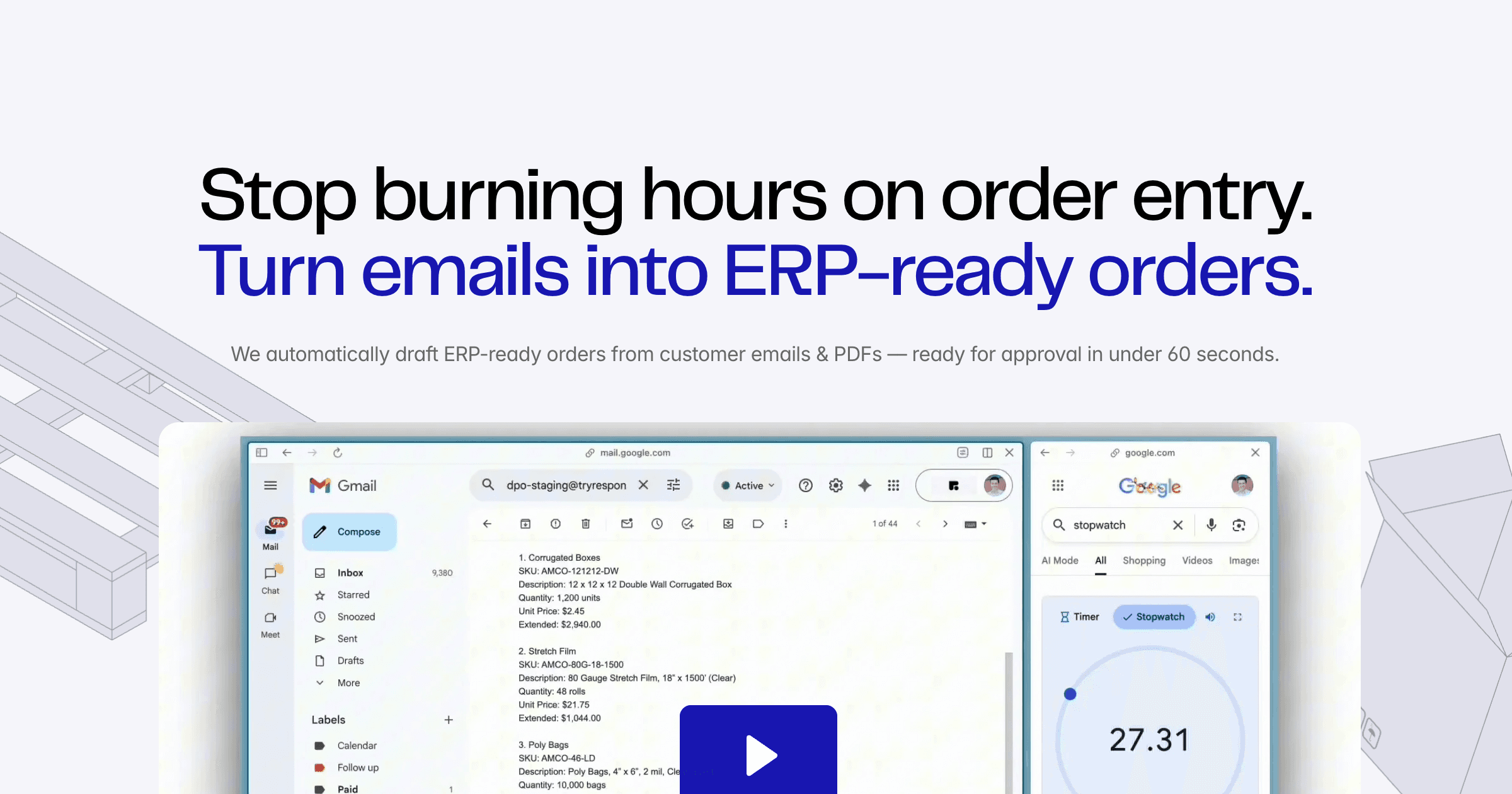
Productivity & Project ManagementTurn customer emails into ERP-ready orders.
7.Zapier
Productivity & Project ManagementThe easiest way to automate your work.
8.Zinc
Developer ToolsThe secret backbone of e-commerce.

9.Apache Airflow
Developer ToolsCommunity platform to programmatically author, schedule and monitor workflows.

10.Appian
Developer ToolsAI-Powered Process Orchestration and Low-Code Automation Platform
11.Automation Anywhere
Developer ToolsThe #1 Provider of Agentic Automation

12.Blue Prism
Developer ToolsLeaders in Agentic AI, Automation, RPA & BPM
See more comparisons in Developer Tools alternatives.
Questions about Workato alternatives
What are the best enterprise alternatives to Workato for building AI agents?
Enterprise users often compare Workato with platforms like Boomi, MuleSoft, and Celigo when they need strong governance, large connector libraries, and native support for autonomous AI agents connected to core business systems.
How does Workato pricing compare to Zapier or Make for mid-market teams?
Workato uses custom enterprise pricing focused on usage and features, while Zapier and Make offer more transparent tiered plans that can be more cost-effective for teams with lighter integration volumes and simpler automation needs.
Can I replace Workato with an open-source iPaaS alternative?
Open-source options like n8n or Airbyte provide self-hosted integration capabilities but typically require more development effort and lack the enterprise security, pre-built AI orchestration, and 1,400+ managed connectors that Workato delivers out of the box.
Which Workato alternative is best for embedded integrations in SaaS products?
For product-led SaaS companies, alternatives like Paragon or Embedded iPaaS solutions from Tray.io or Merge often provide faster time-to-value for customer-facing integrations compared to Workato's broader enterprise focus.
Is there a simpler alternative to Workato for HR and finance automation?
Teams automating HR and finance processes frequently evaluate Workato against Celigo or Jitterbit, which offer strong NetSuite and ERP connectors with lower complexity for order-to-cash and employee onboarding workflows.
What should I consider when switching from Workato to another iPaaS?
Key considerations include migration effort for existing recipes, depth of AI agent support, connector maintenance, security certifications, and whether the new platform can match Workato's scalability for cross-department orchestration.