
Xendit alternatives
10 products compared · Updated November 3, 2026
The short answer
For global reach and developer tooling, Stripe is the strongest alternative to Xendit. If your business is Philippines-only, PayMongo offers local payment methods like GCash and QR Ph. For Indonesia-focused operations, Midtrans provides deep local coverage with no monthly fees.
Your shortlist, at a glance
Read the comparisons ↓- MMidtransFrom IDR 4,000/transacIndonesian startups and e-commerce businesses that need a payment gateway with local payment methods and simple setup.
 PayMongoFrom 0.71% + ₱13.39Philippine-based businesses and sellers that need local payment methods and a simple storefront without leaving the country's payment ecosystem.
- RRazer Merchant ServicesNot publishedTeams that are actually shopping for gaming hardware, not payment processing.
 StripeFrom 1.65% + A$0.30Global online businesses and platforms that need a widely supported payment processor with strong APIs and extensive documentation.
 AdyenPer transactionLarge enterprises and global marketplaces that need unified payments, data, and financial products across many countries.
 PayPalCustom quoteOnline businesses with global customers that want a familiar checkout and fraud protection without regional setup.
- DDoku2.8% + Rp2,000Indonesian businesses, from UMKM to enterprise, that need a local payment gateway with 45+ local payment methods and no setup or monthly fees.
- 22C2PNot publishedBusinesses of all sizes in Southeast Asia that need a wide range of online and offline payment methods, including instalments and over-the-counter payments.
- OOmiseNot publishedPlatforms and banks in Asia and North America that need payment orchestration or embedded payments.
GrabNot publishedMerchants and businesses in Southeast Asia that want to accept payments from Grab users and tap into Grab's delivery and mobility network.
About Xendit and its alternatives
Xendit is a payment infrastructure provider for Southeast Asia. It lets businesses accept 100+ payment methods, send payouts to 300+ destinations, and manage fraud, all through one platform. It is known for direct connections to local payment methods and global-standard uptime.
When comparing alternatives, weigh pricing structure, regional coverage, and available payment methods. Check whether the provider supports the specific countries and payment types your customers use. Also consider integrations, support quality, and contract terms like setup fees or monthly minimums.
Explore the alternatives
- MFrom IDR 4,000/transac
1.Midtrans
Best for: Indonesian startups and e-commerce businesses that need a payment gateway with local payment methods and simple setup.
- Pricing
- From IDR 4,000/transac
- Category
- Other
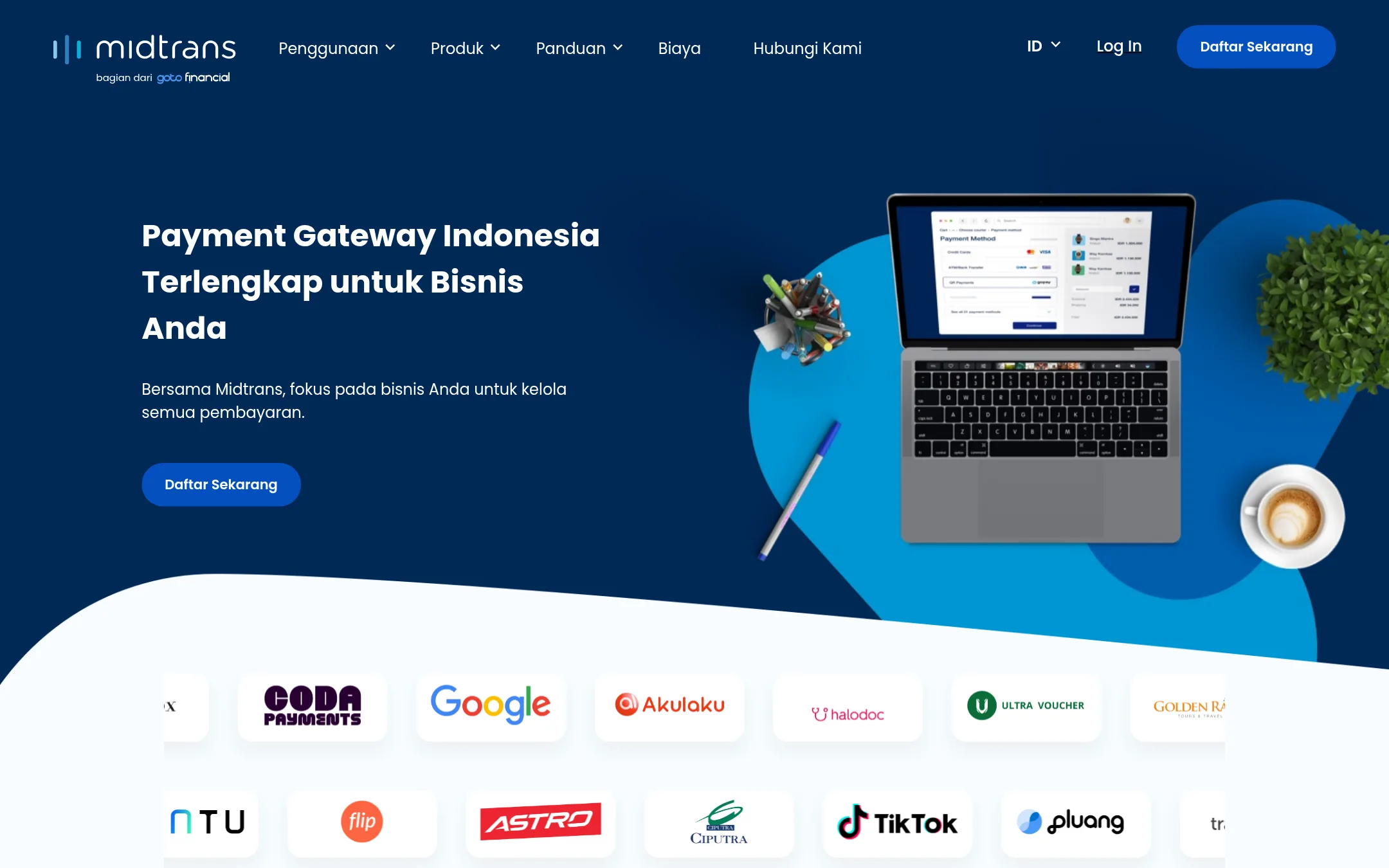
Midtrans is an Indonesia-focused payment gateway that supports 25 local payment methods, including GoPay, QRIS, bank transfers, and over-the-counter options. Choose it over Xendit if your business is primarily in Indonesia and you want a gateway with deep local payment coverage and no monthly fees.
Where it is strong
- 25 local payment methods including GoPay, QRIS, and bank transfer
- Free setup, no monthly fees, only pay per successful transaction
- Simple registration with KTP for individuals
Where it falls short
- Limited to Indonesia, no cross-border payout support
- No batch payout or marketplace infrastructure like Xendit
- Pricing:
- Bank transfer/virtual account is IDR 4,000 per transaction, GoPay is 2%, QRIS is 0.7%, credit cards are 2.9% + IDR 2,000, and over-the-counter is IDR 5,000 per transaction.
- Switching from Xendit:
- Moving from Xendit to Midtrans requires re-integrating your payment stack, as Midtrans uses its own API and dashboard, but the process is straightforward for Indonesia-only operations.
- From 0.71% + ₱13.39
2.PayMongo
Best for: Philippine-based businesses and sellers that need local payment methods and a simple storefront without leaving the country's payment ecosystem.
- Pricing
- From 0.71% + ₱13.39
- Category
- Finance & Accounting
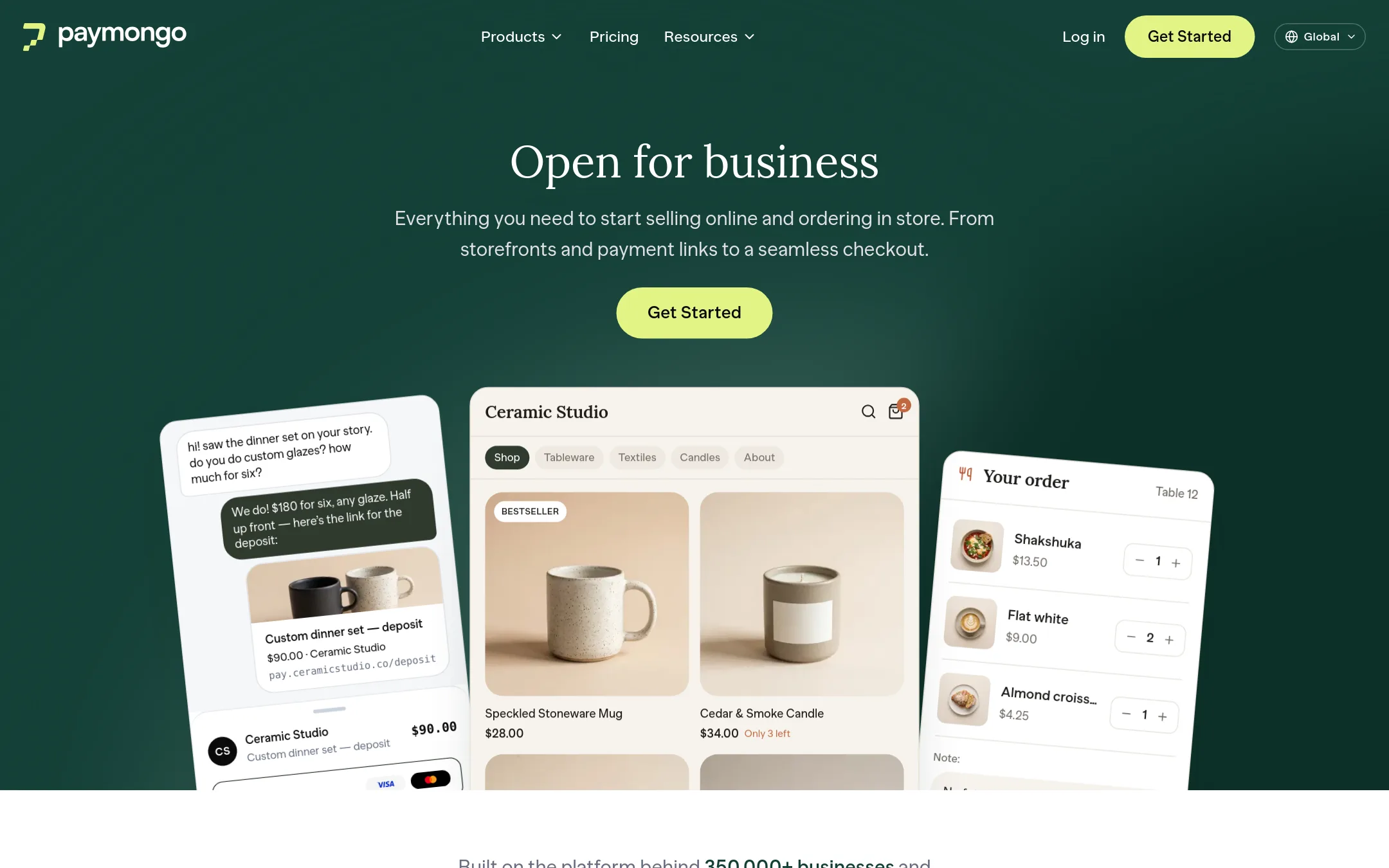
PayMongo is a licensed payments platform built for the Philippines, covering local methods like GCash, Maya, GrabPay, ShopeePay, and QR Ph. Choose it over Xendit if your business is focused on the Philippine market and you need direct local payment integrations plus tools like storefronts and fraud detection.
Where it is strong
- Local payment methods: GCash, Maya, GrabPay, ShopeePay, QR Ph, and direct bank transfers.
- No setup or monthly fees for standard payment processing.
- Built-in storefront builder and payment links for quick selling.
Where it falls short
- Focused only on the Philippines, so no regional coverage across Southeast Asia like Xendit.
- Fraud detection (Protect) requires a high monthly platform fee, making it impractical for small businesses.
- Pricing:
- Cards are 3.125% + ₱13.39 per transaction, e-wallets range from 1.70% to 1.96%, QR Ph is 1.34% (or 2.23% with instant settlement), and direct online banking is 0.71% or ₱13.39. Storefront costs ₱349/month, and fraud detection starts at ₱120,000/month platform
- Switching from Xendit:
- Moving from Xendit to PayMongo means re-integrating payment APIs and setting up new payment methods, but the process is straightforward if you only operate in the Philippines.
- RNot published
3.Razer Merchant Services
Best for: Teams that are actually shopping for gaming hardware, not payment processing.

- Pricing
- Not published
- Category
- Other
Razer Merchant Services is a payment gateway for Southeast Asia, but the provided site is the Razer consumer hardware store, not the payment service. If you are looking for a payment gateway, this page does not describe one, so it is not a viable alternative to Xendit.
Where it is strong
- The site is for Razer's gaming products, not payments.
- No payment features are described on this page.
- No pricing or integration details are available.
Where it falls short
- This is not a payment gateway. It is a consumer hardware store.
- No payment methods, payouts, or security features are mentioned.
- Pricing:
- Pricing is not published on the site.
- From 1.65% + A$0.30
4.Stripe
Best for: Global online businesses and platforms that need a widely supported payment processor with strong APIs and extensive documentation.
- Pricing
- From 1.65% + A$0.30
- Category
- Finance & Accounting
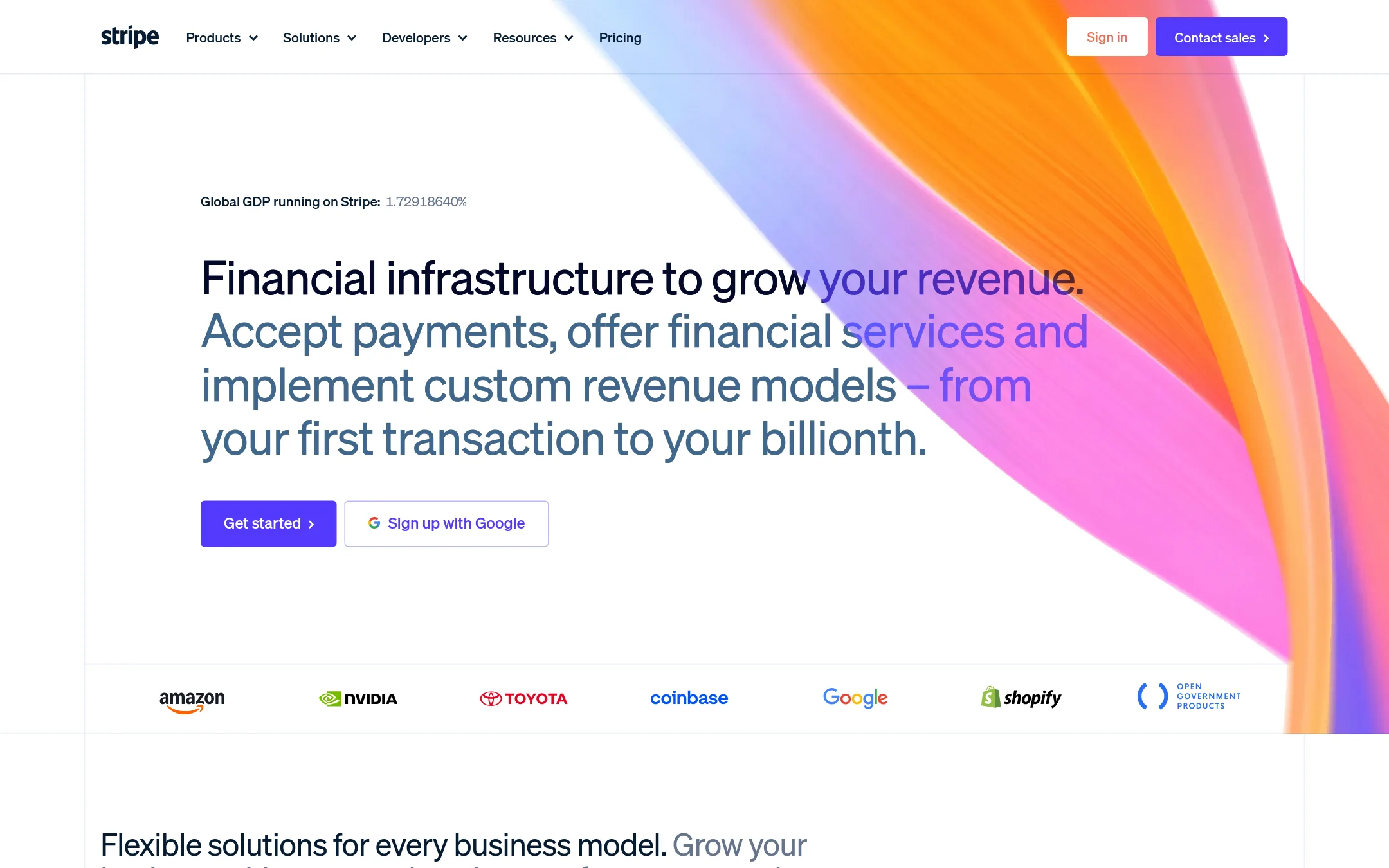
Stripe is a global payments platform that handles online and in-person payments, billing, and payouts across 135+ currencies. Choose it over Xendit if your business operates outside Southeast Asia or needs a broader global footprint and more extensive developer tooling.
Where it is strong
- Supports 135+ currencies and payment methods worldwide.
- 99.999% historical uptime and handles high transaction volumes.
- Extensive developer tools, APIs, and pre-built integration options.
Where it falls short
- International card fees are higher than domestic ones.
- Not focused on Southeast Asia-specific payment methods like Xendit.
- Pricing:
- In Australia, domestic cards are 1.65% + A$0.30 and international cards are 3.5% + A$0.30, with lower international pricing from 1 Apr 2027.
- Switching from Xendit:
- Moving from Xendit to Stripe involves re-integrating payment APIs and migrating customer data, which may require engineering effort.
- Per transaction
5.Adyen
Best for: Large enterprises and global marketplaces that need unified payments, data, and financial products across many countries.
- Pricing
- Per transaction
- Category
- Finance & Accounting
Adyen is a global enterprise fintech platform that handles payments, data, and financial products in one stack. Choose it over Xendit if you operate at large scale across multiple continents and need a single platform with banking licenses and 99.999% uptime.
Where it is strong
- One API for payments, data, and financial products across channels.
- Backed by US, UK, and EU banking licenses.
- Supports 150+ currencies and 200+ local payment methods.
Where it falls short
- Pricing is not transparent without a sales conversation.
- Not tailored to Southeast Asia's local payment methods like Xendit.
- Pricing:
- Pricing is per transaction with no setup or monthly fees. Processing fees vary by payment method, and interchange++ passes card fees directly to you. Minimum invoice applies depending on industry or business model.
- Switching from Xendit:
- Moving from Xendit to Adyen requires re-integrating your payment stack and re-negotiating pricing, but you gain a broader global footprint and unified financial products.
- Custom quote
6.PayPal
Best for: Online businesses with global customers that want a familiar checkout and fraud protection without regional setup.
- Pricing
- Custom quote
- Category
- Finance & Accounting
PayPal is a global payments platform that lets you accept cards, PayPal, and alternative methods like Apple Pay and Google Pay. Choose it over Xendit if you need a widely recognized checkout for international customers, not just Southeast Asia, and want built-in Seller Protection.
Where it is strong
- Reach up to 400 million buyers worldwide
- Built-in Seller Protection on eligible transactions
- Supports PayPal, cards, Apple Pay, and Google Pay
Where it falls short
- Fees vary by country and may be higher than local processors
- Expanded Checkout requires you to handle chargebacks and compliance
- Pricing:
- In the UK, standard domestic fees apply for PayPal payments, Pay Later, and card processing. Custom pricing is available for high-volume businesses.
- Switching from Xendit:
- Switching from Xendit to PayPal means integrating a new checkout flow and updating your payment methods, but you can keep your existing backend.
- D2.8% + Rp2,000
7.Doku
Best for: Indonesian businesses, from UMKM to enterprise, that need a local payment gateway with 45+ local payment methods and no setup or monthly fees.

- Pricing
- 2.8% + Rp2,000
- Category
- Other
Doku is an Indonesian payment gateway that covers local payment methods like bank transfers, e-wallets, QRIS, and paylater. Choose it instead of Xendit if your business is focused on Indonesia and you want a local provider with direct relationships to Indonesian banks and payment channels.
Where it is strong
- No setup fees and no monthly fees, pay only on successful transactions.
- Supports 45+ payment methods including cards, e-wallets, bank transfers, QRIS, and paylater.
- Licensed by Bank Indonesia as a PJP Level 1 operator, with PCI DSS and ISO 27001 certifications.
Where it falls short
- Pricing is in Indonesian Rupiah and primarily geared toward the Indonesian market, so it may not suit businesses outside Indonesia.
- Some features like Virtual Terminal require contacting sales, and international payment coverage is limited compared to Xendit's regional re
- Pricing:
- In the United States edition of the site, card payments are 2.80% + IDR 2,000 per transaction, bank transfers (virtual account) are IDR 4,000 per transaction, QR payments are 0.7% for transactions above IDR 100,000, and e-wallets start at 1.5%.
- Switching from Xendit:
- Switching from Xendit to Doku involves integrating with Doku's API or plugins, and you'll need to re-configure your payment methods and payout flows for the Indonesian market.
- 2Not published
8.2C2P
Best for: Businesses of all sizes in Southeast Asia that need a wide range of online and offline payment methods, including instalments and over-the-counter payments.
- Pricing
- Not published
- Category
- Other
2C2P by Antom is a Southeast Asia payments platform that lets businesses accept 400+ payment methods online and offline, including over-the-counter payments at 600,000+ locations across Asia. Choose it over Xendit if you need a broader network of offline payment points or want to issue custom wallets and cards to your partners and customers.
Where it is strong
- Accepts 400+ payment methods online and offline
- Over-the-counter payments at 600,000+ locations across Asia
- Offers issuing of custom wallets and cards
Where it falls short
- Pricing not publicly listed, so you must contact sales
- No mention of specific fraud detection or early settlement features
- Pricing:
- Pricing is not published on the site.
- ONot published
9.Omise
Best for: Platforms and banks in Asia and North America that need payment orchestration or embedded payments.
- Pricing
- Not published
- Category
- Other
Omise is a payment platform that helps businesses accept payments and financial institutions build payment products. It also offers payment orchestration to connect multiple gateways across Asia and North America. Choose Omise over Xendit if you need broader regional coverage beyond Southeast Asia or want to orchestrate multiple payment providers from one API.
Where it is strong
- Payment orchestration connects multiple gateways across Asia and North America.
- PayFac and acquiring options for platforms and financial institutions.
- 99.99% service uptime and AI-embedded solutions.
Where it falls short
- Pricing is not transparent without selecting a country or contacting sales.
- No mention of payout features like batch or automated payouts, which Xendit offers.
- Pricing:
- Pricing is not published on the site. You must select a country to see rates, or contact sales for custom pricing.
- Switching from Xendit:
- Moving from Xendit to Omise requires re-integrating payment APIs and setting up new gateway connections, but Omise's orchestration layer can help manage both providers during the transition.
- Not published
10.Grab
Best for: Merchants and businesses in Southeast Asia that want to accept payments from Grab users and tap into Grab's delivery and mobility network.
- Pricing
- Not published
- Category
- Other
Grab is a superapp for daily services like rides, food delivery, and payments, not a dedicated payment infrastructure provider. You would choose it over Xendit if you are a merchant or business looking to reach Grab's large consumer base in Southeast Asia through GrabPay and its ecosystem, rather than needing a full payment gateway for your own platform.
Where it is strong
- Access to Grab's large user base in Southeast Asia.
- Offers payments, delivery, and corporate services in one platform.
- Strong brand recognition and trust in the region.
Where it falls short
- Not a dedicated payment gateway. Lacks Xendit's range of payment methods and payout tools.
- Focus is on consumer services, not on providing infrastructure for platforms or marketplaces.
- Pricing:
- Pricing is not published on the site.
See more comparisons in Finance & Accounting alternatives.
FAQ
Questions about Xendit alternatives
What are the main differences between Xendit and Stripe?
Xendit focuses on Southeast Asia with local payment methods like GCash and QRIS. Stripe has a global footprint with 135+ currencies and extensive developer tools. Choose Xendit for SEA-specific needs, Stripe for worldwide reach.
Which alternative is best for a business in the Philippines?
PayMongo is built for the Philippines, supporting GCash, Maya, GrabPay, ShopeePay, and QR Ph. It has no setup or monthly fees for standard processing. Stripe and PayPal also work but lack the same local payment depth.
Are there alternatives with no monthly fees?
Yes. PayMongo, Midtrans, and Doku charge only per successful transaction with no setup or monthly fees. Stripe and Adyen also have no monthly fees, but Adyen requires a sales conversation for pricing.
Which alternative supports offline or over-the-counter payments?
2C2P accepts over-the-counter payments at 600,000+ locations across Asia. Midtrans supports over-the-counter options in Indonesia. Xendit also offers in-person payments, but 2C2P has a broader offline network.
What should I consider about pricing transparency?
Stripe, PayMongo, Midtrans, and Doku publish clear per-transaction rates. Adyen, Omise, and 2C2P require contacting sales for pricing. If you need predictable costs, choose a provider with public pricing.
Last updated November 3, 2026.