
zeroheight alternatives
7 products compared · Updated November 3, 2026
The short answer
The strongest alternatives to zeroheight are Zeplin for teams focused on design-to-development handoff, Supernova for multi-brand design systems with token automation, and Knapsack for enterprises needing to govern AI-generated code. Zeplin suits product teams wanting a structured handoff tool, Supernova fits teams managing complex token sync, and Knapsack is for enterprises measuring AI conformance.
Your shortlist, at a glance
Read the comparisons ↓ SupernovaFrom $399/moTeams that need to manage multi-brand design systems and automate token exports to code.
 NeutralinoJSNot publishedDevelopers who want to build small, fast desktop apps with JavaScript, HTML, and CSS without the bloat of Electron.
 FigJamNot publishedProduct teams that want a shared whiteboard for real-time collaboration and visual thinking alongside their design work.
- KKnapsackNot publishedEnterprise teams that need to evaluate and govern AI-generated code against their existing design system standards.
- SSpecifyFrom $69/moDesign system teams that want to sync design tokens from Figma or Tokens Studio into code repositories automatically.
- BBacklightFrom $149/moFront-end teams that want a code-centric design system workflow with Git integration and visual PR reviews.
 ZeplinFree / $12/seat/moProduct teams that want a focused handoff tool for publishing final designs, annotating specs, and tracking versions before development.
About zeroheight and its alternatives
zeroheight is a design system management platform that keeps documentation in sync with Figma and code, providing a single source of truth for teams and AI agents. It is known for its MCP server, AI documentation creation, and integration with design and developer tools.
When comparing alternatives, weigh pricing structure (per editor vs. flat rate vs. per project), region availability (if any), integrations with your existing design and dev tools, support options (priority, CSM, self-serve), and contract terms (annual vs. monthly, minimum users).
Explore the alternatives
- From $399/mo
1.Supernova
Best for: Teams that need to manage multi-brand design systems and automate token exports to code.
- Pricing
- From $399/mo
- Category
- Design & Creative
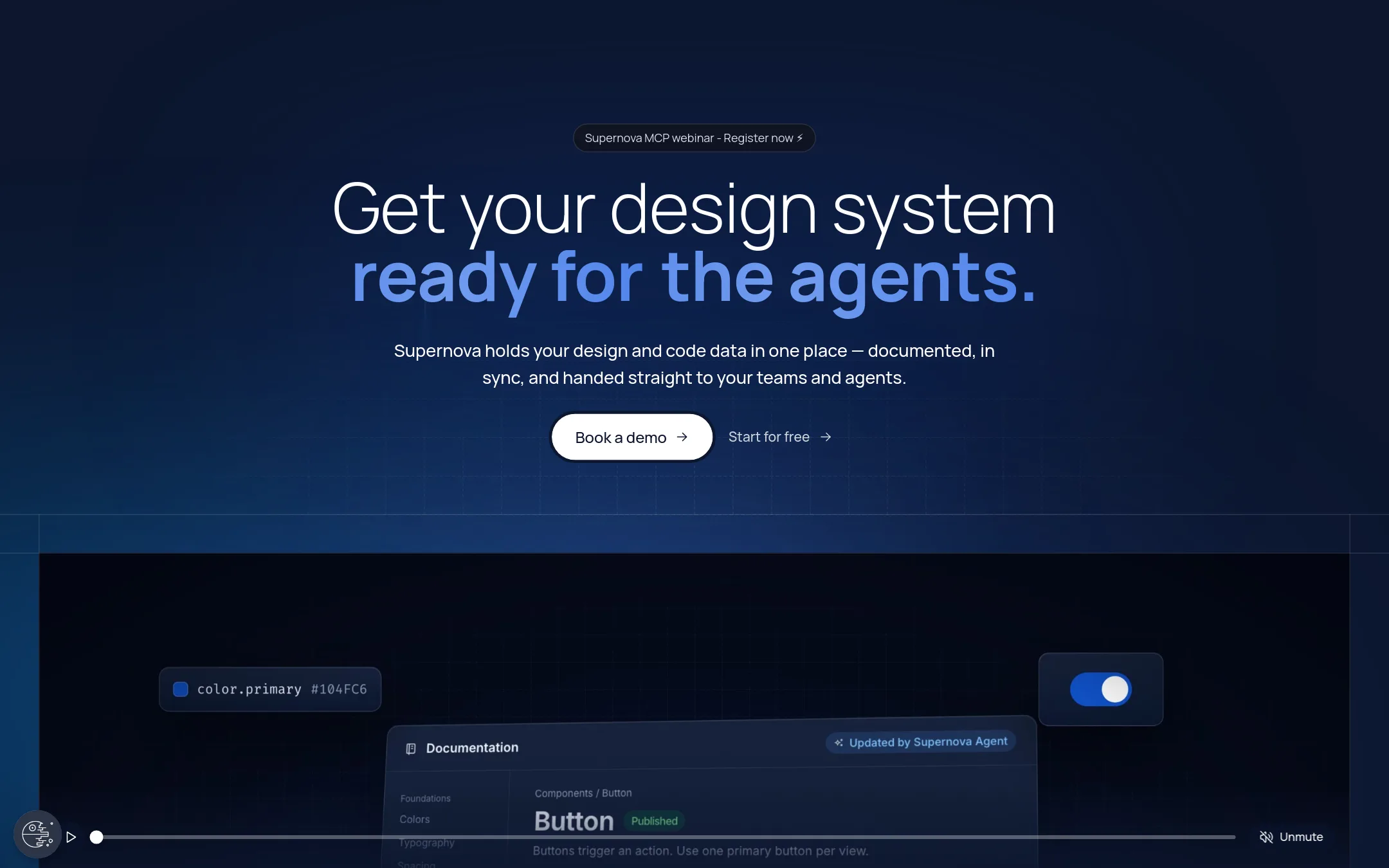
Supernova is a design system platform that connects design and code data, with token and component management, documentation, and MCP servers for AI agents. Choose it over zeroheight if you need stronger token sync between Figma and code, multi-brand support, or automation pipelines that open pull requests.
Where it is strong
- Token and component management with Figma and Storybook sync
- Code automations that open pull requests from design data
- Filtered MCP servers with analytics for AI agent usage
Where it falls short
- Pro plan is $399/mo, much higher than zeroheight's $49 per editor
- No free plan with unlimited editors. Starter has limited workspace credits
- Pricing:
- Pricing starts at $399 per month for the Pro plan, with a free Starter plan and custom Enterprise pricing.
- Not published
2.NeutralinoJS
Best for: Developers who want to build small, fast desktop apps with JavaScript, HTML, and CSS without the bloat of Electron.
- Pricing
- Not published
- Category
- Developer Tools
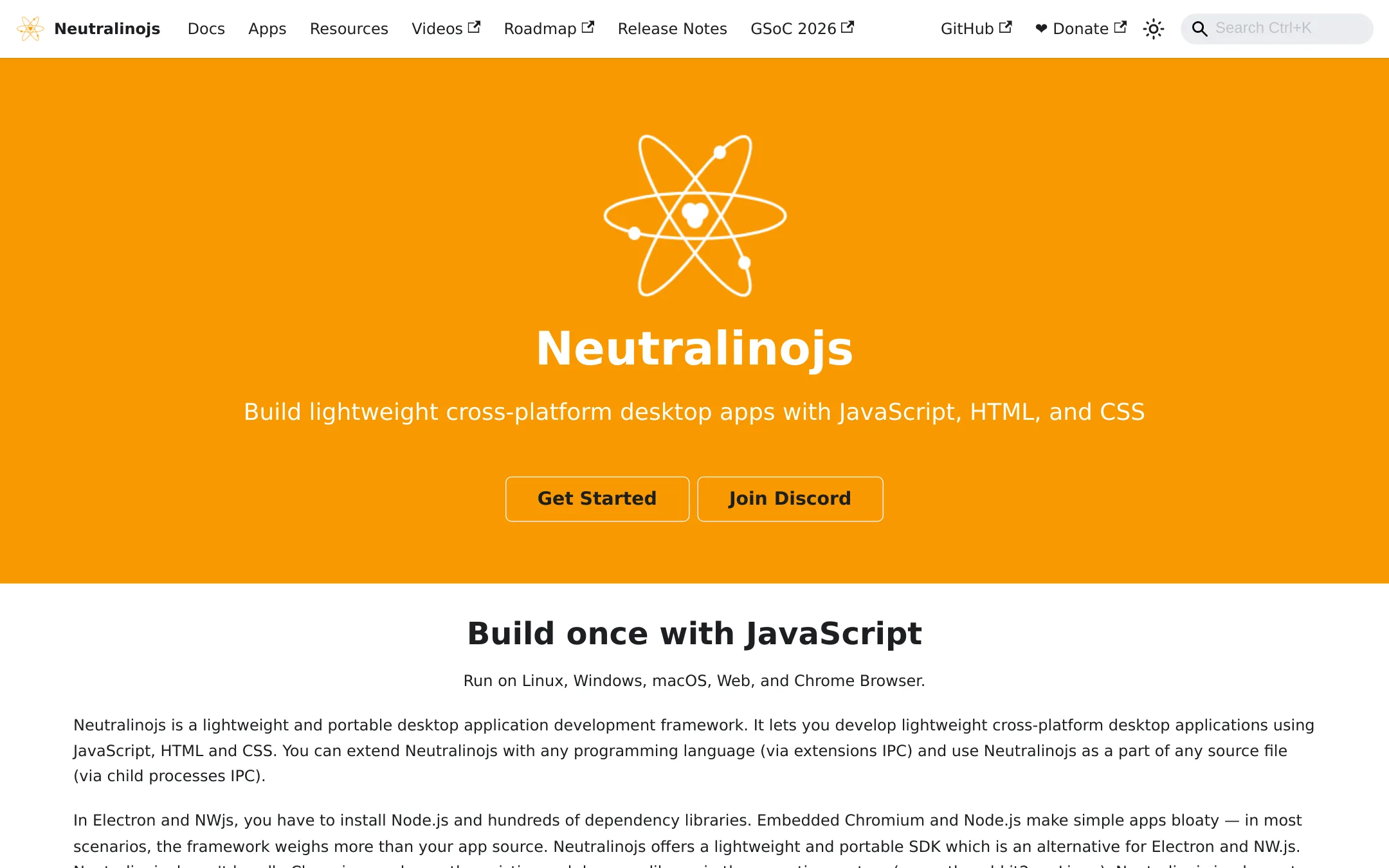
NeutralinoJS is a lightweight framework for building cross-platform desktop apps with web technologies, using the OS's native webview instead of bundling Chromium. Choose it over zeroheight when you need a minimal, portable desktop app runtime rather than a design system documentation platform.
Where it is strong
- Apps are tiny: ~2MB uncompressed, ~0.5MB compressed
- No Node.js or dependency installation required
- Works with any frontend framework and backend language via IPC
Where it falls short
- No design system documentation or Figma sync features
- Relies on OS webview, so rendering may vary across platforms
- Pricing:
- Pricing is not published on the site.
- Not published
3.FigJam
Best for: Product teams that want a shared whiteboard for real-time collaboration and visual thinking alongside their design work.
- Pricing
- Not published
- Category
- Communication & Collaboration
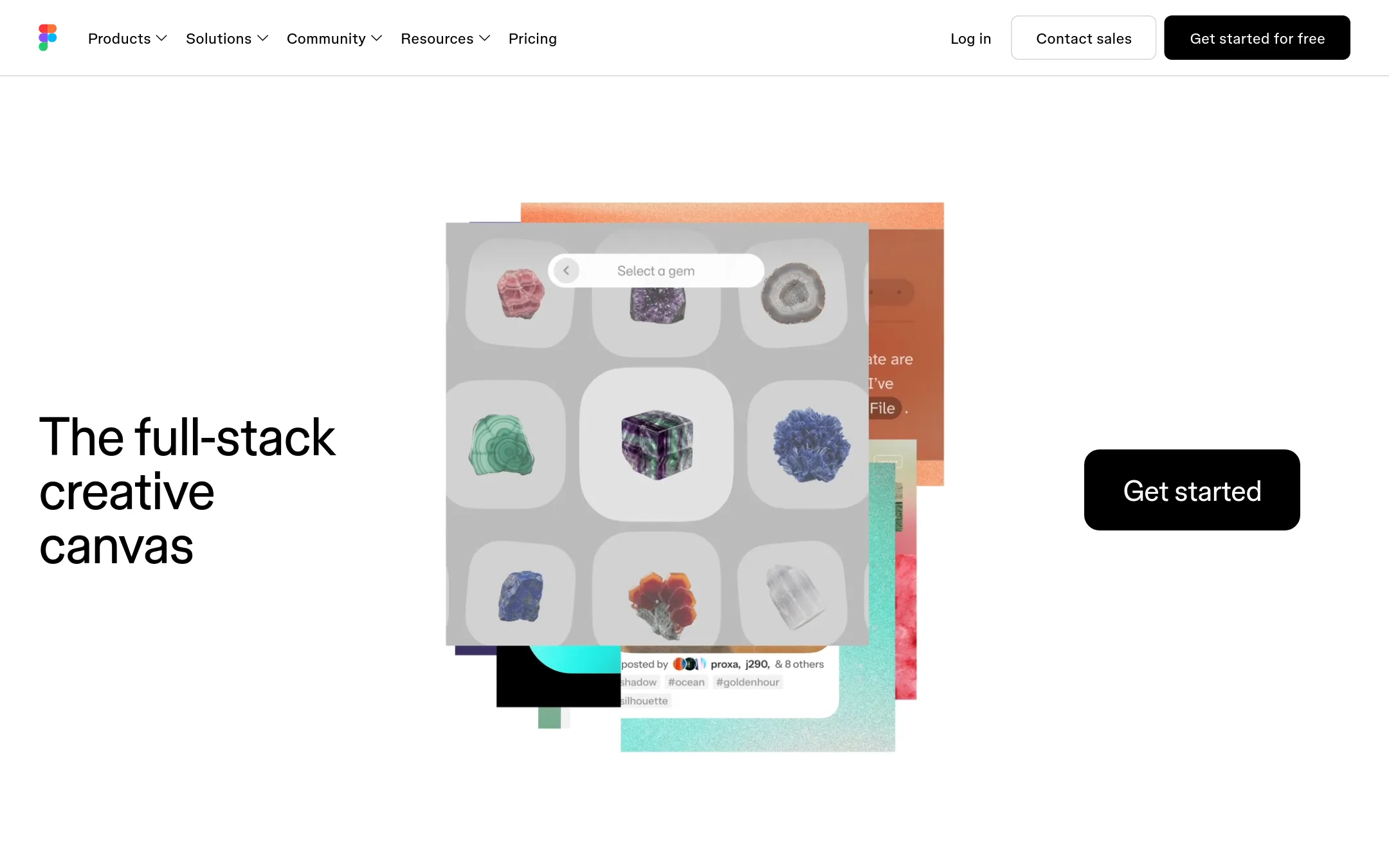
FigJam is a digital whiteboard for collaborative brainstorming, diagramming, and planning. Choose it instead of zeroheight when your team needs a flexible canvas for early-stage ideation and workshops, not a structured design system documentation platform.
Where it is strong
- Real-time collaboration with your whole team on an infinite canvas.
- Tight integration with Figma design files for quick context switching.
- Includes templates for common activities like brainstorming and retros.
Where it falls short
- No dedicated design system documentation features like token sets or styleguide releases.
- Lacks zeroheight's MCP server for AI agents to access design system context.
- Pricing:
- Pricing is not published on the site.
- KNot published
4.Knapsack
Best for: Enterprise teams that need to evaluate and govern AI-generated code against their existing design system standards.
- Pricing
- Not published
- Category
- Other
Knapsack is a digital production platform that ingests your design system from GitHub, Figma, Jira, and Storybook, then evaluates whether AI-generated code conforms to your standards. Choose it over zeroheight if your main concern is measuring and governing AI output quality, not just documenting and syncing design system context.
Where it is strong
- Measures AI conformance to your design system with evals, not just speed
- Ingests context as-is from GitHub, Figma, Jira, Supernova, Storybook without rebuild
- Built-in governance and analytics for design fidelity, code quality, and cost per shippable output
Where it falls short
- No published pricing. Requires contacting sales
- Minimum of 5 users on the Basic plan, so not for solo contributors
- Pricing:
- Pricing is not published on the site.
- SFrom $69/mo
5.Specify
Best for: Design system teams that want to sync design tokens from Figma or Tokens Studio into code repositories automatically.
- Pricing
- From $69/mo
- Category
- Other
Specify is a design token engine that centralizes tokens from Figma, Tokens Studio, or JSON and pushes them to code destinations. Choose it over zeroheight if your main need is automating token and asset distribution rather than documenting a full design system.
Where it is strong
- Supports over 50 token types
- Unlimited sources and destinations on paid plans
- Includes CLI, SDK, and open source parsers
Where it falls short
- Essentials plan is limited to 1 user and 1 repository
- No design system documentation features like zeroheight's styleguides or AI assistant
- Pricing:
- Essentials is $69/month for 1 user and 1 repository, Teams is $134/month for 4 users and 2 repositories, Enterprise is custom.
- BFrom $149/mo
6.Backlight
Best for: Front-end teams that want a code-centric design system workflow with Git integration and visual PR reviews.
- Pricing
- From $149/mo
- Category
- Other
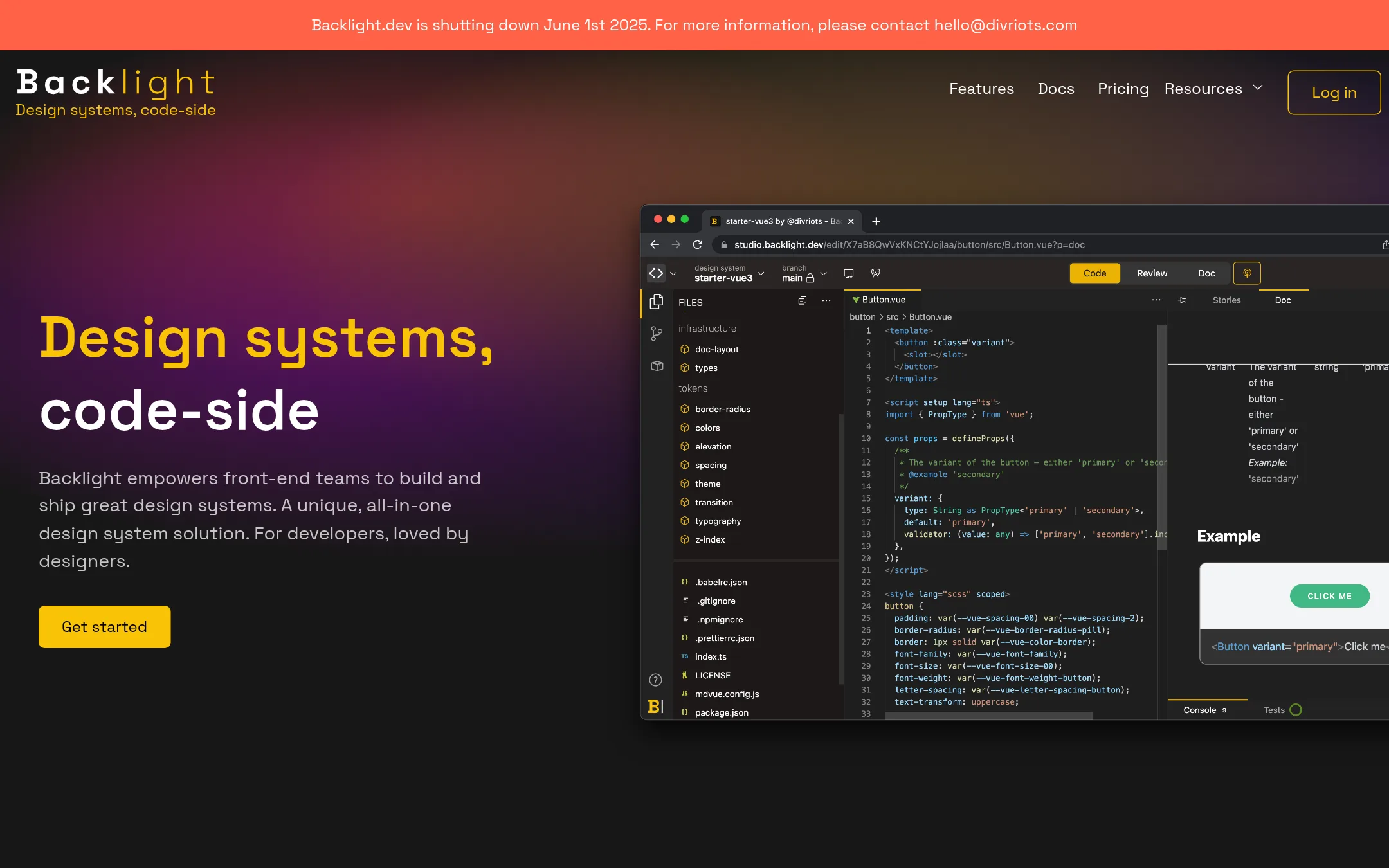
Backlight is a code-first design system platform where front-end teams build and document components in an online IDE, with Git and CI integrations. Choose it over zeroheight if your team works primarily in code and wants visual pull-request reviews, auto-generated Figma UI kits, and direct publishing to npm registries.
Where it is strong
- Unlimited users on all plans, including free.
- Visual pull-request reviews with before-and-after rendering.
- Figma plugin auto-generates UI kits from code.
Where it falls short
- Free plan limits to 2 design systems and 100 visual regression reports.
- No AI assistant or MCP server features like zeroheight offers.
- Pricing:
- Starter is free, Pro is $149 per month, and Enterprise is $499 per month.
- Switching from zeroheight:
- Moving from zeroheight means shifting from a design-tool-synced documentation hub to a code-centric workflow, so you'll need to port your design system components and documentation into Backlight's IDE and set up Git integrations.
- Free / $12/seat/mo
7.Zeplin
Best for: Product teams that want a focused handoff tool for publishing final designs, annotating specs, and tracking versions before development.
- Pricing
- Free / $12/seat/mo
- Category
- Design & Creative
Zeplin is a dedicated design delivery platform that sits between design tools and development. It gives teams a structured space to publish final designs, add specs and notes, and track versions, so developers get clear context without digging through Figma files. Choose Zeplin over zeroheight if your main pain point is design-to-development handoff rather than maintaining a full design system documentation hub.
Where it is strong
- Unlimited members and reviewers on all plans, including free
- Screen versioning with compare, plus flows and approvals built in
- AI Design Review catches off-system colors, spacing, and accessibility issues
Where it falls short
- Basic plan is per project, not per editor, which can get costly with many projects
- No design token automation or MCP server with Fast Search like zeroheight's Enterprise plan
- Pricing:
- Free plan with 1 project and 100 screens. Basic starts at a flat rate per project (annual plans get 1 month free). Advanced is $12 per seat per month, paid annually. Enterprise is custom.
- Switching from zeroheight:
- Moving from zeroheight to Zeplin means shifting from a design system documentation platform to a design delivery tool, so you'd re-publish screens and set up styleguides and annotations from scratch.
See more comparisons in Developer Tools alternatives.
FAQ
Questions about zeroheight alternatives
What is the best alternative to zeroheight for a small team?
For a small team, Zeplin's free plan with unlimited members is a strong choice if you need handoff and specs. Backlight also offers unlimited users on its free Starter plan, which is good for code-first teams. Both avoid per-editor costs that can add up.
Which alternative has the lowest starting price?
Zeplin's Basic plan starts at a flat rate per project, which can be lower than per-editor costs for small projects. Backlight's Pro plan is $149 per month with unlimited users, which may be cheaper than zeroheight's per-editor pricing for larger teams. Specify's Essentials at $69 per month is another low-cost option for token sync.
Which alternative is best for enterprise teams?
Knapsack is designed for enterprises, with features like AI conformance evaluation and governance, though pricing is custom. Supernova offers enterprise plans with multi-brand support and automation. Zeplin's Enterprise plan also provides custom pricing and advanced features.
Which alternative has the strongest AI features?
Knapsack focuses on evaluating AI-generated code against your design system, which is unique. Supernova offers filtered MCP servers with analytics for AI agent usage. Zeplin's AI Design Review catches off-system colors and accessibility issues.
Can I switch from zeroheight to any of these alternatives easily?
Most alternatives support importing from Figma and other tools. Supernova and Specify have token sync that can pull from Figma or Tokens Studio. Zeplin allows you to publish designs directly from Figma. Check each product's documentation for migration guides.
Last updated November 3, 2026.