
Zitara Technologies, Inc. alternatives
5 products compared · Updated October 20, 2026
The short answer
For predictive battery management in energy storage systems, Zitara's closest alternatives are Stem, AutoGrid, and Siemens Simcenter Cloud. Stem suits asset owners wanting an integrated EMS and managed services, AutoGrid fits utilities managing demand response and virtual power plants, and Siemens Simcenter Cloud is for engineering teams needing broad simulation and digital twin tools.
Your shortlist, at a glance
Read the comparisons ↓ StemNot publishedAsset owners and operators of solar and storage portfolios who want an integrated EMS, SCADA, and managed services under one roof.
AutoGridNot publishedUtilities and energy providers that need to manage customer demand response programs and virtual power plants at scale.
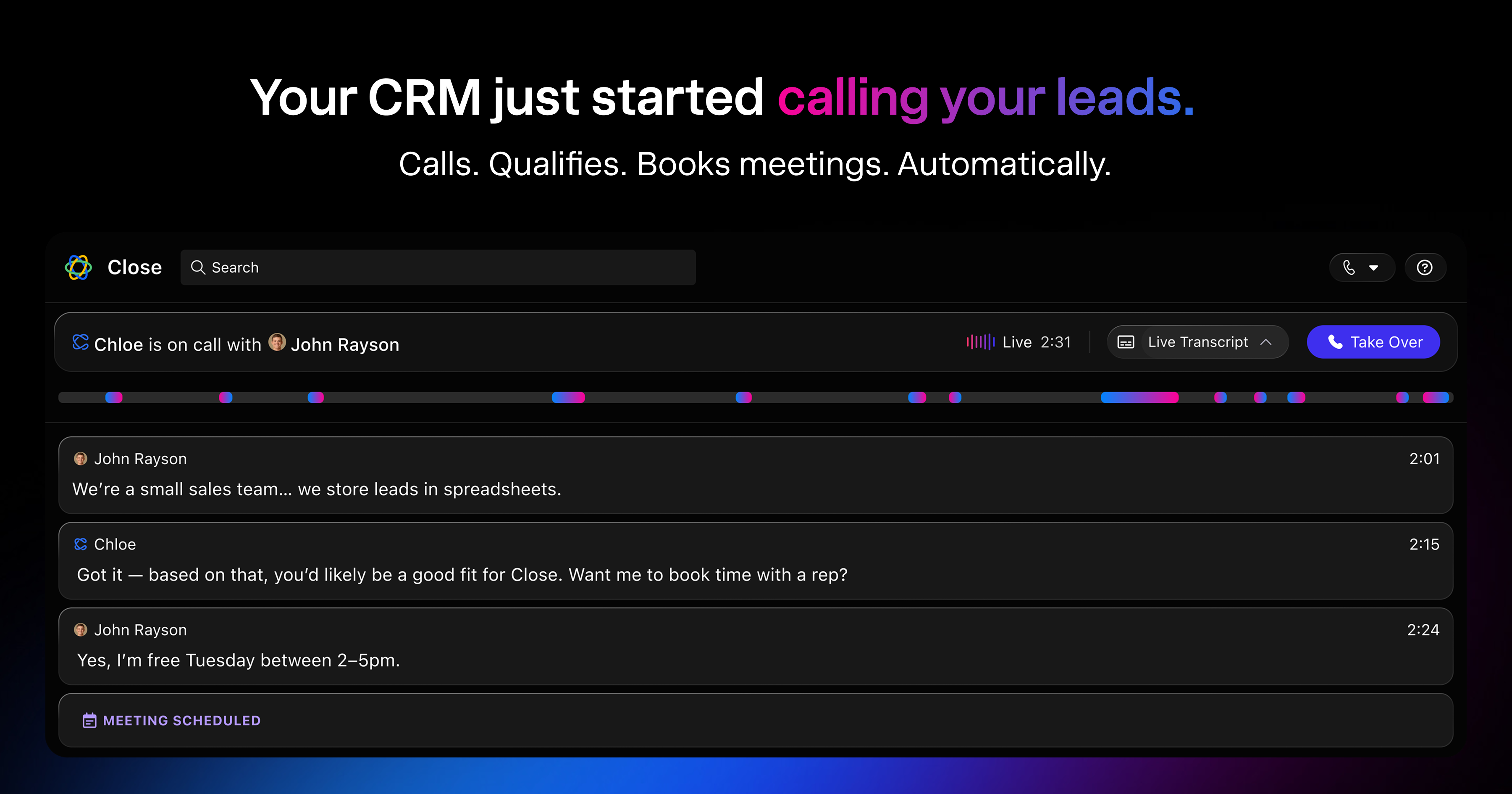 CloseNot publishedStartups and SMBs that sell over the phone and want AI to call leads and book meetings automatically.
- AABBSee websiteProductivity & Project Management
 Siemens Simcenter CloudNot publishedIndustrial engineering teams that need cloud-based simulation and digital twin capabilities across diverse physical systems.
About Zitara Technologies, Inc. and its alternatives
Zitara Technologies, Inc. provides predictive battery management software for electrified fleets and energy storage systems. Its products, Zitara Power, Zitara Balance, and Zitara Insight, deliver real-time signals for state of power, state of energy, and rack-level balancing, helping operators maximize capacity and avoid downtime. Zitara is now part of Elysia, a battery intelligence company from Fortescue.
When comparing alternatives, weigh pricing structure, deployment region, integration with existing systems, support level, and contract terms. Most vendors in this category do not publish pricing, so expect custom quotes. Consider whether you need a full asset management platform or just battery-level analytics, and whether the vendor supports your specific OEM equipment.
Explore the alternatives
- Not published
1.Stem
Best for: Asset owners and operators of solar and storage portfolios who want an integrated EMS, SCADA, and managed services under one roof.
- Pricing
- Not published
- Category
- Other
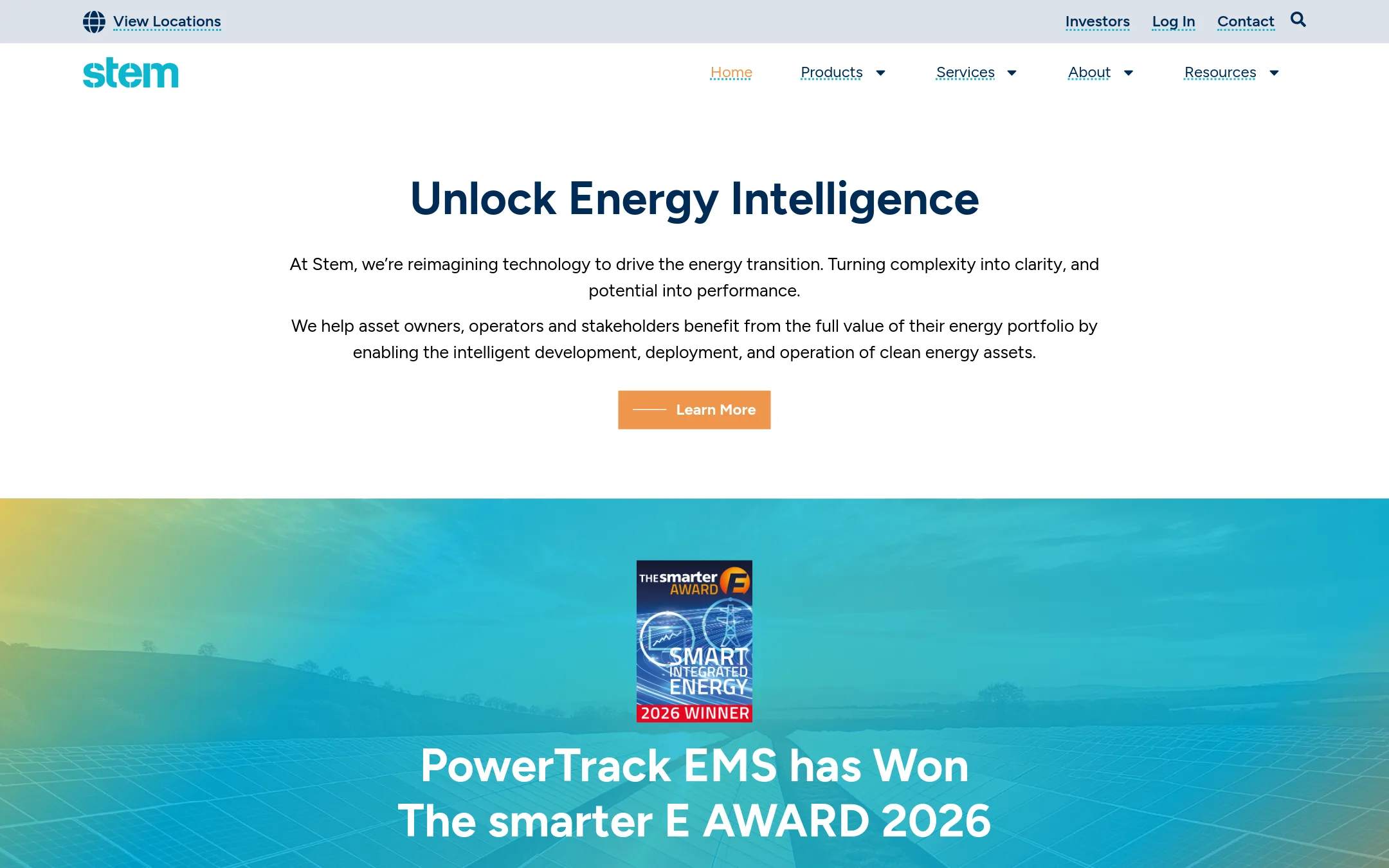
Stem provides a full suite of software and services for managing solar and storage assets, including monitoring, analytics, and optimization. Choose Stem over Zitara if you need a broader asset management platform that covers the entire lifecycle, from development to operation, rather than focusing solely on battery-level algorithms.
Where it is strong
- Offers a complete suite including EMS, SCADA, and Power Plant Controller.
- Managed services cover design, procurement, and operation.
- Trusted by 16,000 customers across over 50 countries.
Where it falls short
- Pricing is not transparent, likely custom quotes.
- May be overkill if you only need battery-specific predictive algorithms.
- Pricing:
- Pricing is not published on the site.
- Not published
2.AutoGrid
Best for: Utilities and energy providers that need to manage customer demand response programs and virtual power plants at scale.
- Pricing
- Not published
- Category
- Other
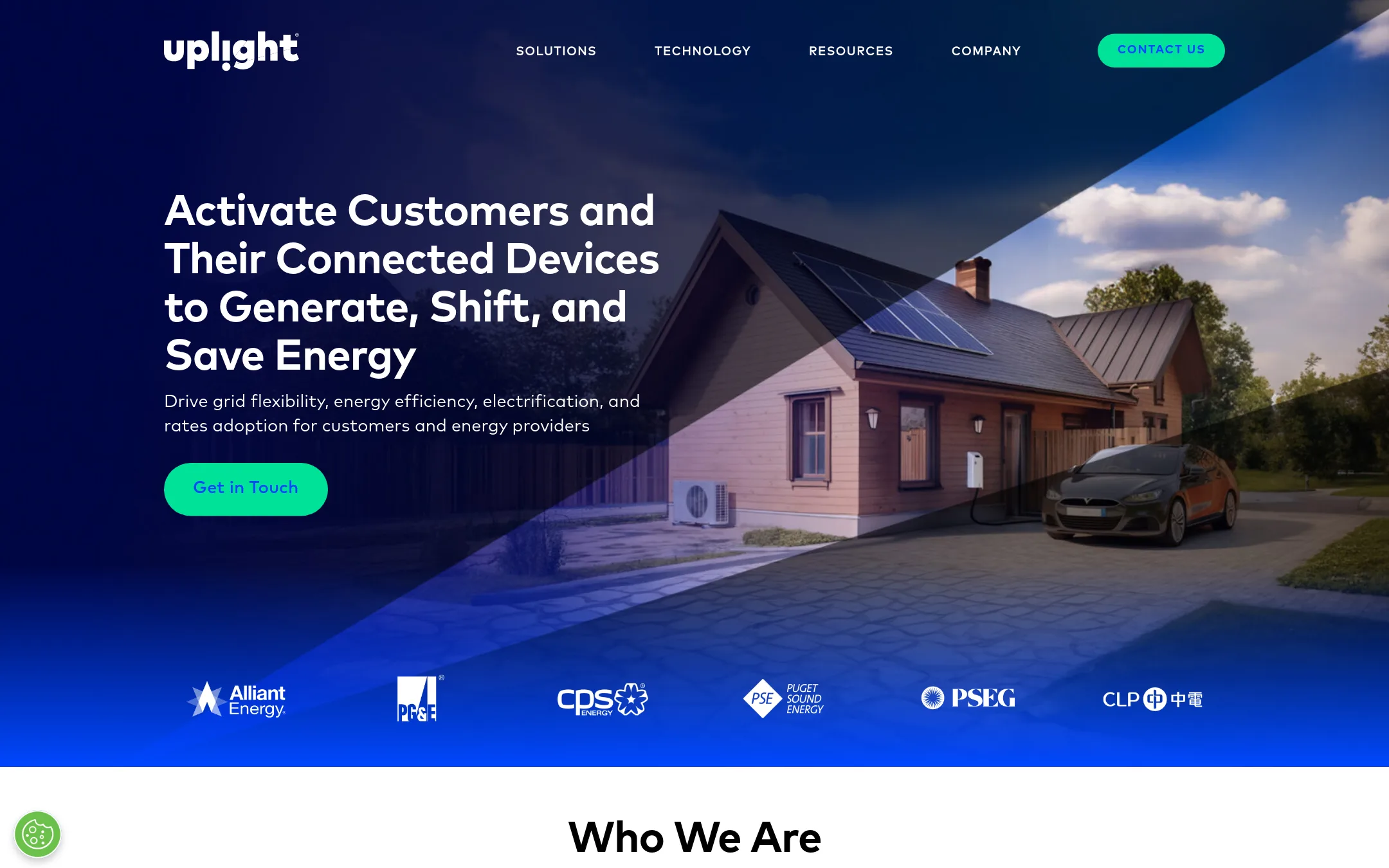
AutoGrid, now part of Uplight, focuses on customer engagement and demand-side flexibility, including demand response and virtual power plants. Choose it when your goal is to activate customers and their devices to shift or save energy, rather than to optimize the internal performance of a specific battery storage asset.
Where it is strong
- Manages over 8.5 GW of flexible load worldwide
- Combines customer engagement with demand management
- Supports behavioral and automated demand response
Where it falls short
- Pricing is not transparent
- Focuses on customer-side flexibility, not battery cell-level analytics
- Pricing:
- Pricing is not published on the site.
- Not published
3.Close
Best for: Startups and SMBs that sell over the phone and want AI to call leads and book meetings automatically.
- Pricing
- Not published
- Category
- Customer Support
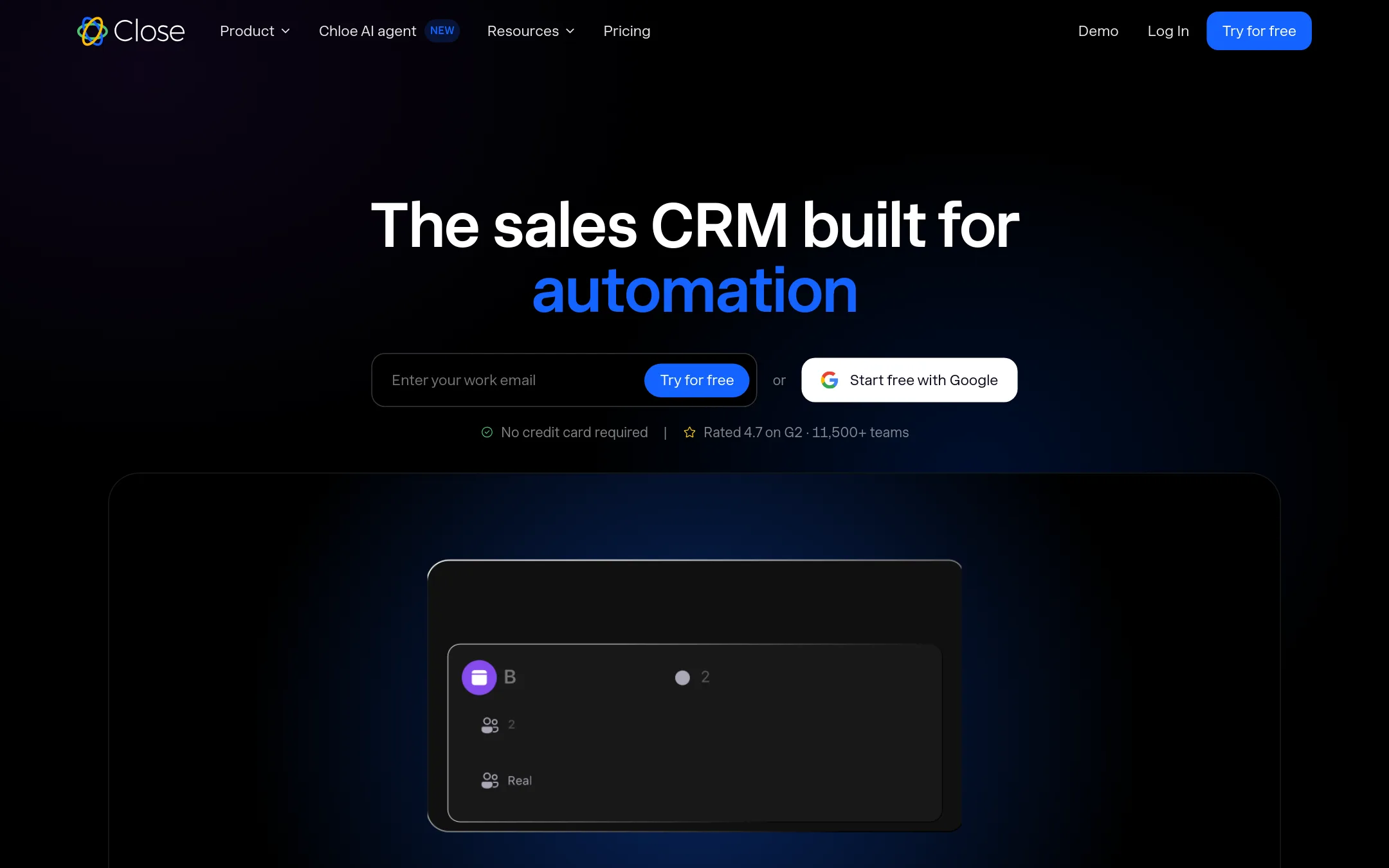
Close is a sales CRM with built-in calling, email, SMS, and an AI agent named Chloe that handles lead qualification and follow-ups. Choose it instead of Zitara if you run a sales team and need a tool that automates outreach and keeps your pipeline updated, not battery management.
Where it is strong
- Built-in AI agent Chloe calls leads and books meetings automatically.
- Unlimited contacts and leads on Essentials and above.
- Includes calling, email, SMS, and pipeline management in one platform.
Where it falls short
- Solo plan is limited to 1 user and 10k leads.
- Workflows are only available on Growth and higher plans.
- Pricing:
- Pricing is not published on the site.
- ASee website
4.ABB
Productivity & Project Management
ABB provides Ability platform analytics for energy storage with strong emphasis on predictive maintenance. It integrates well with existing electrical infrastructure but centers on general asset health rather than Zitara's trading-signal precision and balancing prioritization.
- Not published
5.Siemens Simcenter Cloud
Best for: Industrial engineering teams that need cloud-based simulation and digital twin capabilities across diverse physical systems.
- Pricing
- Not published
- Category
- Developer Tools
Siemens Simcenter Cloud is a broad cloud simulation and digital twin platform for industrial engineering, while Zitara focuses specifically on predictive battery management for energy storage systems. Choose Siemens when you need a general-purpose simulation and digital twin environment across multiple engineering domains, not just battery analytics.
Where it is strong
- Part of a large ecosystem with many integrated products.
- Supports a wide range of engineering simulation tasks.
- Includes AI-powered tools like the Eigen Engineering Agent.
Where it falls short
- Not specialized for battery energy storage analytics.
- May be overkill if you only need battery management.
- Pricing:
- Pricing is not published on the site.
See more comparisons in Other alternatives.
FAQ
Questions about Zitara Technologies, Inc. alternatives
What does Zitara do?
Zitara provides predictive battery management software for energy storage systems. It monitors cell-level data to produce accurate signals for state of power, state of energy, and rack-level balance. This helps operators maximize capacity and avoid surprise shutdowns.
How does Zitara compare to Stem?
Stem offers a broader asset management platform including EMS, SCADA, and managed services for solar and storage. Zitara focuses specifically on battery-level algorithms. Choose Stem if you need a complete lifecycle platform, or Zitara if you only need battery analytics.
Is Zitara suitable for utilities?
Zitara addresses challenges facing utilities, IPPs, and operators, such as inaccurate state of charge and cell imbalances. It integrates with existing battery management systems and supports multiple OEMs. However, utilities focused on customer demand response might prefer AutoGrid.
What are the pricing models for these alternatives?
Most alternatives, including Stem, AutoGrid, and Siemens Simcenter Cloud, do not publish pricing. Zitara also does not list pricing on its site. Expect custom quotes based on your asset size and needs.
Can I use these alternatives with my existing battery system?
Zitara integrates with your existing battery management system and adapts to every manufacturer. Stem provides its own EMS and SCADA, which may require more integration. AutoGrid focuses on customer-side devices, not battery cell-level analytics. Siemens Simcenter Cloud is a general simulation platform, not a direct battery management tool.
Last updated October 20, 2026.