7 Best AI Code Review Tools in 2026
Updated November 7, 2026
The short answer
The strongest AI code review tools for software teams are Greptile, CodeAnt AI and Ellipsis. Greptile suits engineering teams that want pull request review aware of the whole codebase, especially in regulated fields. CodeAnt AI suits startups and teams that want code review and security scanning in one tool. Ellipsis suits teams that want code review and background coding agents under strict permission, budget and audit controls.
The shortlist, at a glance
Read the comparisons ↓ GreptileFree, then $1/creditEngineering teams that want AI review of pull requests with awareness of the whole codebase, especially those in regulated fields like healthcare or financial services.
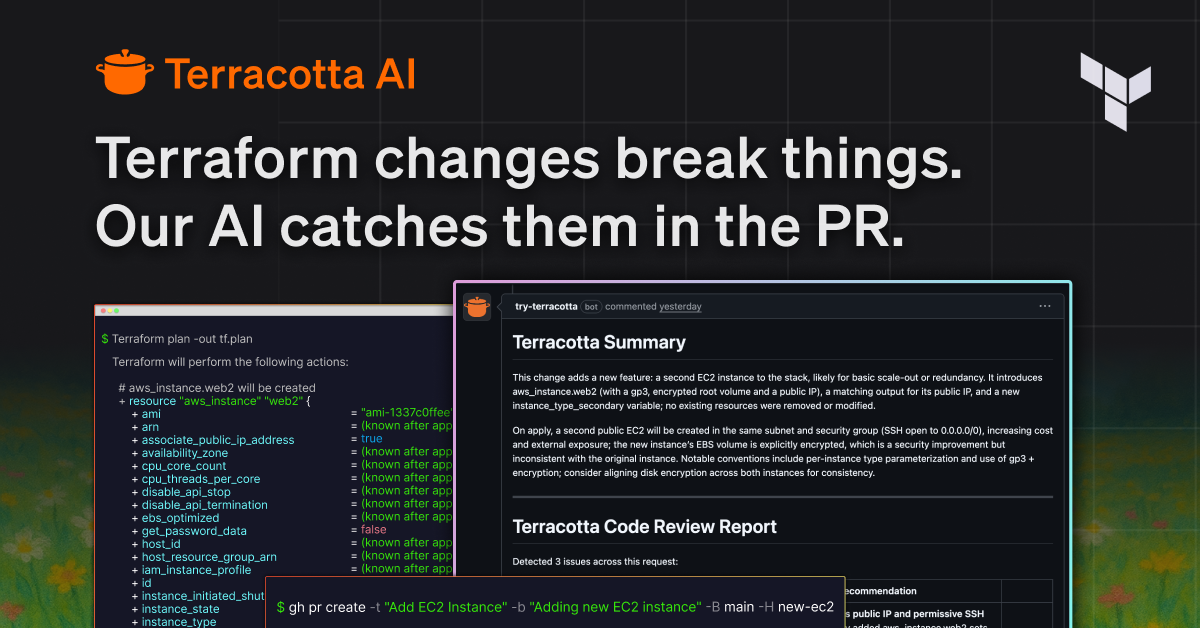 Terracotta AINot publishedPlatform teams managing Terraform across several repos who want infrastructure risks caught in GitHub or GitLab pull requests.
 EllipsisTokens + 10%Engineering teams that want code review and background coding agents under strict permission, budget, and audit controls.
 CodeAnt AIFree trial, custom quoStartups and engineering teams that want code review and security scanning in the same tool, especially those on GitHub, GitLab, Bitbucket or Azure DevOps.
Sennu AINot publishedCompanies that want a custom AI system built around a single costly internal workflow, rather than an off-the-shelf tool
 TraceRoot.AIFree plan, from $0Engineering teams running AI agents in production that want production failures turned into tested code fixes.
 AutoSituNot publishedDevelopers and city agencies that review, approve and price development projects and want feasibility, compliance and takeoff in one workspace.
About AI Code Review Tools
AI code review tools read changes to source code and flag bugs, security issues and style problems before code is merged. Most connect to a Git host, review each pull request as it is opened or updated, and post comments the author can act on. Some go further and suggest or apply fixes.
The products on this list differ mainly in how much of the codebase they consider, what else they cover, and how they charge. Greptile indexes the whole repository so reviews account for dependencies. CodeAnt AI bundles line-by-line review with security scanning and penetration testing. Terracotta AI focuses on infrastructure-as-code such as Terraform and Kubernetes. Ellipsis combines review with background agents and spending limits. Pricing ranges from usage-based credits to published free tiers to quote-only consulting.
The 7 best AI Code Review Tools, compared
- Free, then $1/credit
1.Greptile
Best for: Engineering teams that want AI review of pull requests with awareness of the whole codebase, especially those in regulated fields like healthcare or financial services.
- Pricing
- Free, then $1/credit
- Category
- Developer Tools
Greptile is an AI code review agent that builds a graph index of your whole repository, covering files, functions and dependencies, and then runs parallel agents over each pull request to assess changes beyond the diff. It also learns your coding standards from your team's existing PR comments. For example, it has been shown catching multi-file logical bugs in projects such as PyTorch and Solana.
Where it is strong
- Indexes the whole repository so reviews consider dependencies and impact beyond the changed lines.
- Learns coding standards from your team's existing PR comments and accepts custom rules written in plain English.
- Supports self-hosting on your own infrastructure with Docker Compose or Kubernetes and your own LLM providers.
Where it falls short
- Credit-based pricing means cost depends on review depth, so heavy usage on large teams can be hard to forecast.
- Self-hosting, SSO, audit logs and some providers such as GitHub Enterprise Server are listed under the Enterprise plan, which uses custom pr
- Pricing:
- The Starter plan is free for one developer with 50 credits per month, and Pro costs $1 per credit with no seat fees, where a base review uses 1 credit, a plus review 3 credits and an apex review 10 credits.
- Not published
2.Terracotta AI
Best for: Platform teams managing Terraform across several repos who want infrastructure risks caught in GitHub or GitLab pull requests.
- Pricing
- Not published
- Category
- AI & Machine Learning
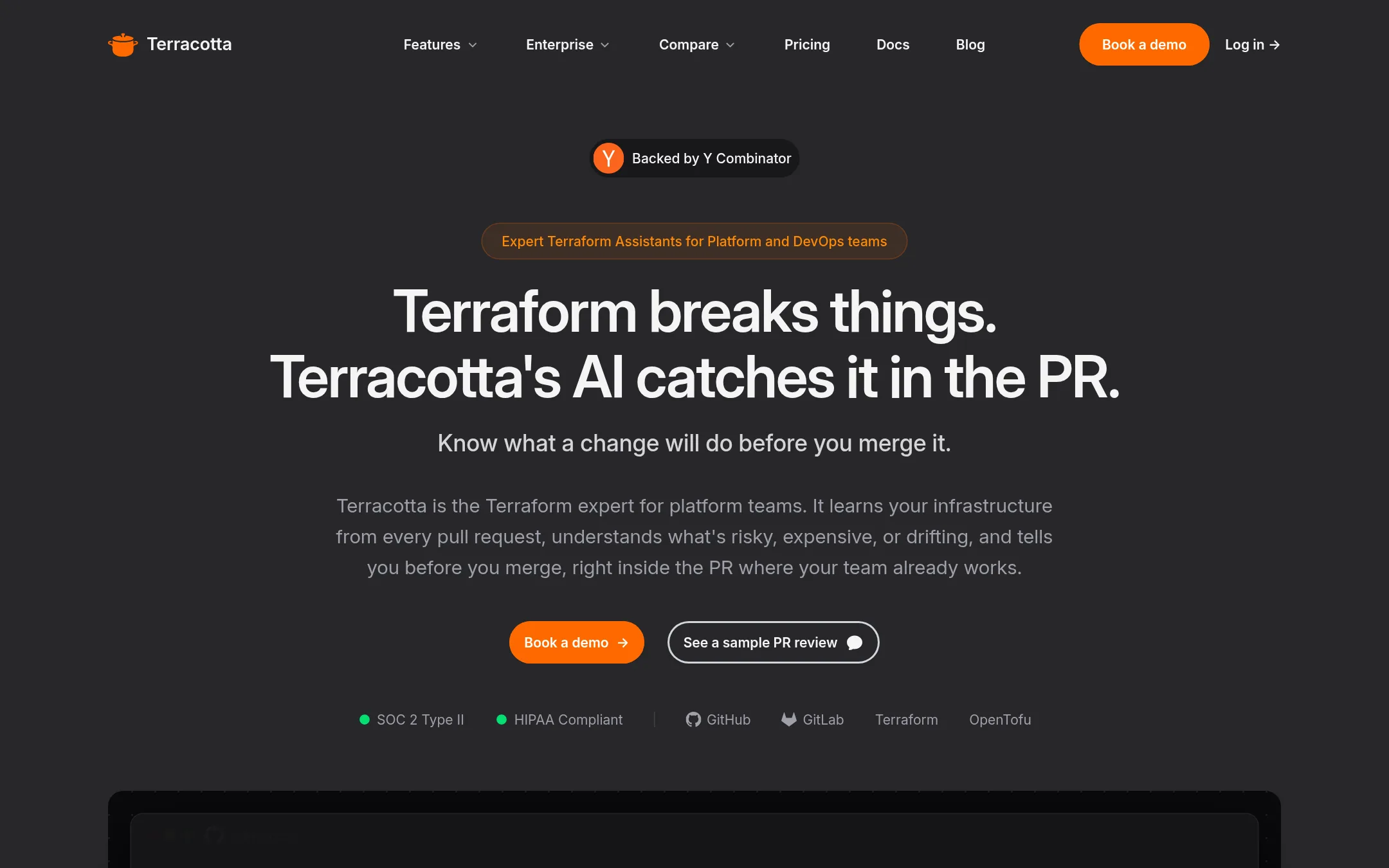
Terracotta reviews every Terraform, Kubernetes, and Terragrunt pull request for security, cost, drift, and blast radius, and posts its findings as a comment on the PR before merge. In one sample review it flagged an SSH security group open to 0.0.0.0/0 and estimated a +$243/mo cost impact from an instance change. It also writes proposed fixes straight to the PR branch, so reviewers check a fix rather than a violation list.
Where it is strong
- Runs on every PR with no pipeline changes, just a read-only GitHub or GitLab app install.
- Lets you write guardrails in plain English instead of Rego or Sentinel.
- Drift detection covers 119 AWS resource types and catches console edits that state files miss.
Where it falls short
- Drift detection and cost analysis are described for AWS, so teams on other clouds should confirm coverage first.
- With no published pricing, you will need to request a quote to compare it against other code review tools.
- Pricing:
- Pricing is not published on the site.
- Tokens + 10%
3.Ellipsis
Best for: Engineering teams that want code review and background coding agents under strict permission, budget, and audit controls.
- Pricing
- Tokens + 10%
- Category
- Developer Tools
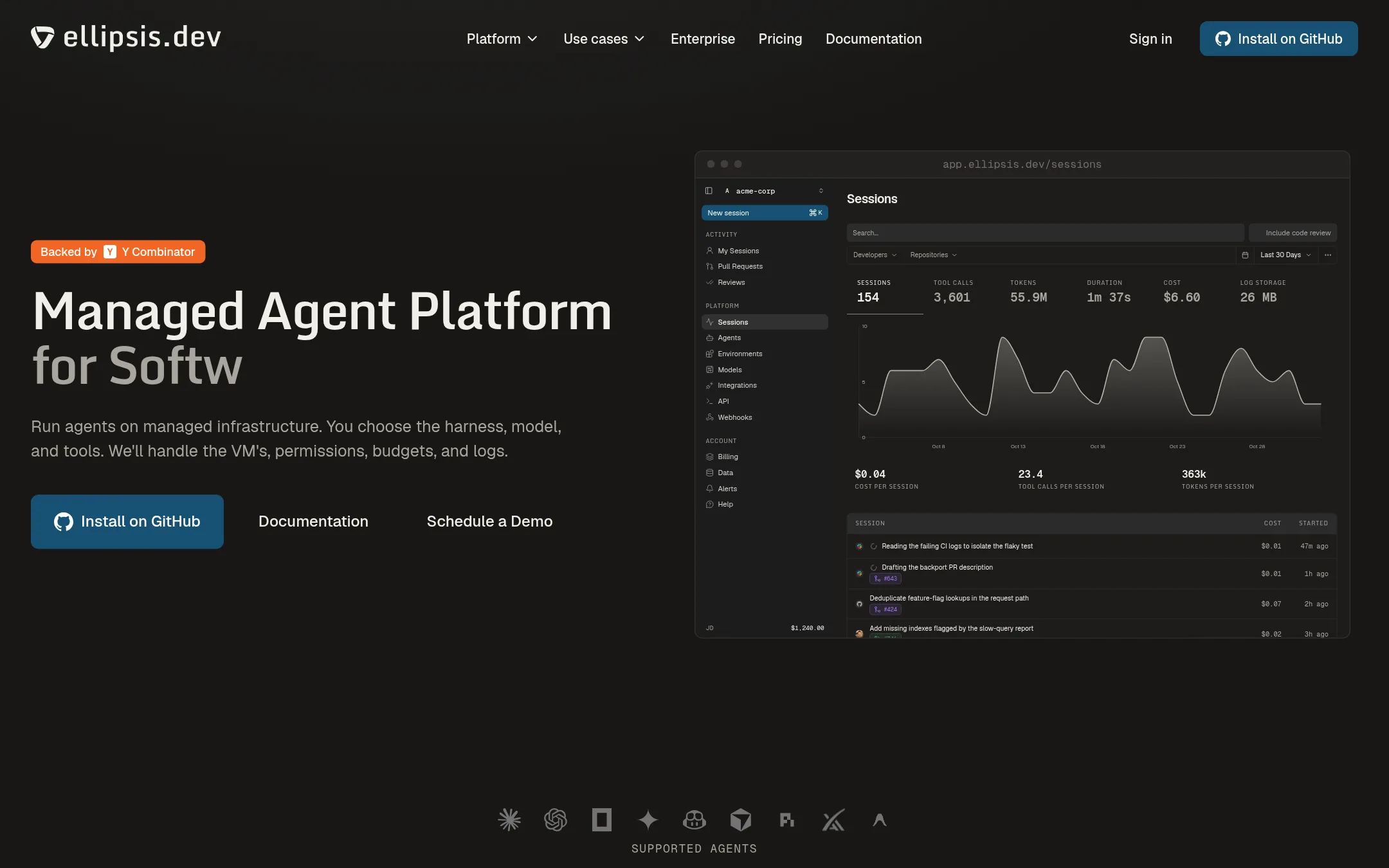
Ellipsis runs Claude Code and Codex agents on managed cloud infrastructure, with the agents defined as YAML files in your repo. Its code review agents review every push, and every command, file change, and tool call is kept in a full audit trail. The concrete detail that sets it apart is that you switch between Claude Code and Codex by changing one block of YAML.
Where it is strong
- Switch between Claude Code and Codex by editing one YAML block
- Spending limits per session, day, week, and month
- Scoped credentials are minted per session and revoked with the sandbox
Where it falls short
- Costs depend on token usage, so monthly spend will vary with how often agents run
- Optional support tiers are described only briefly, and the 48-hour first response time on the base tier may be slow for teams with urgent ne
- Pricing:
- Agents cost tokens plus a 10% platform fee, with CPU at $0.142 per vCPU-hour and memory at $0.024 per GB-hour in its own sandbox, and no per-seat or idle fees.
- Free trial, custom quo
4.CodeAnt AI
Best for: Startups and engineering teams that want code review and security scanning in the same tool, especially those on GitHub, GitLab, Bitbucket or Azure DevOps.
- Pricing
- Free trial, custom quo
- Category
- Developer Tools
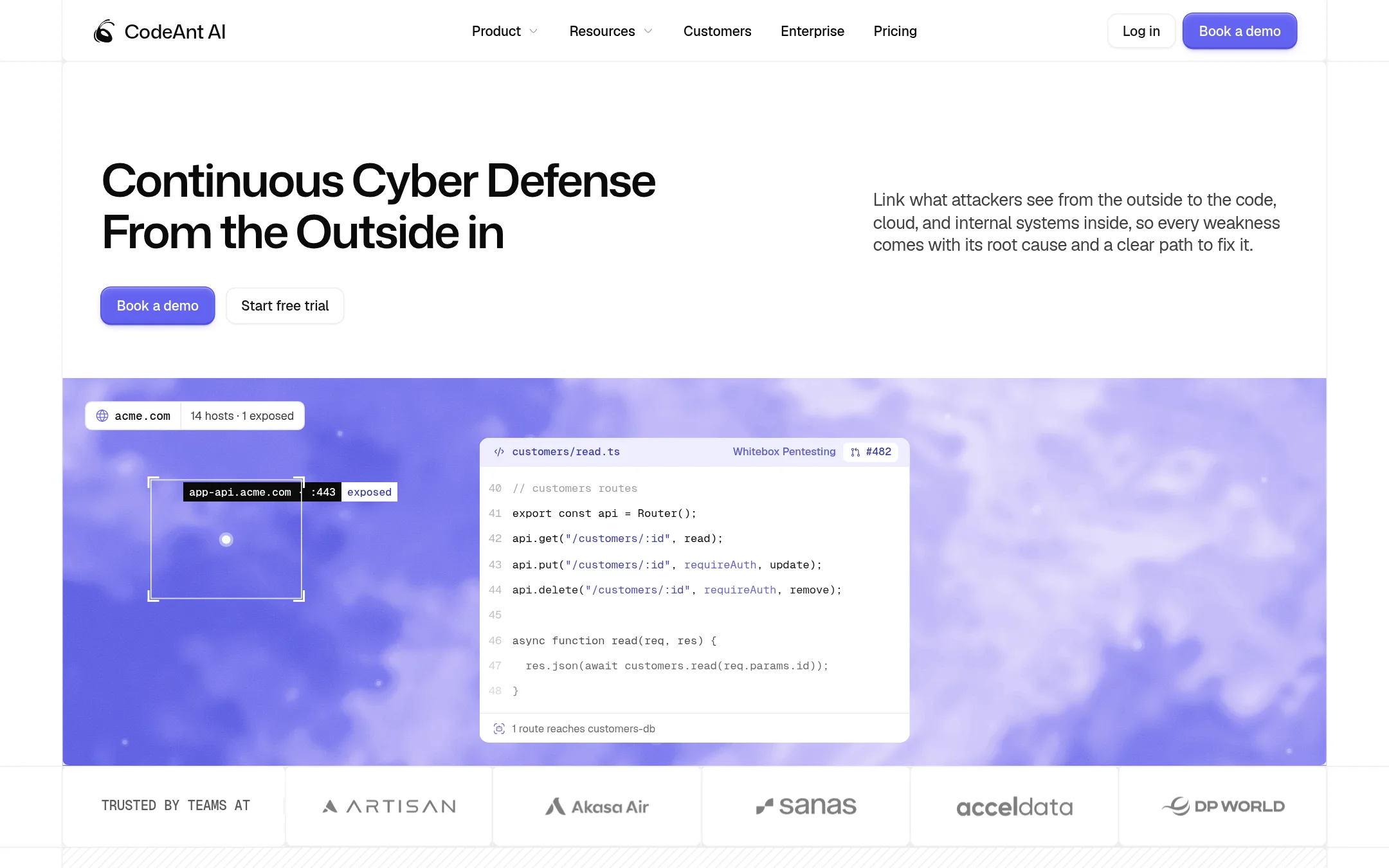
CodeAnt AI reviews every pull request line by line and pairs that with SAST, SCA, secrets and IaC scanning in one place. Its AI pentesting runs black-box and whitebox tests that show which weaknesses are actually exploitable, backed by a security research team. The site cites 200+ CVEs and 12K+ pentests completed.
Where it is strong
- Line-by-line AI reviews run on every pull request.
- Pentests show which findings are exploitable, not just theoretical.
- Integrates with GitHub, GitLab, Bitbucket, Jira, Slack and Azure DevOps.
Where it falls short
- Exact prices are not listed, so you need to request a quote for larger teams.
- High and critical pentest findings sit behind a payment step, which may frustrate teams wanting full results up front.
- Pricing:
- Pricing is not published on the site in exact numbers, but low and medium pentest findings are always free, high and critical findings require payment, and a 14-day free trial is offered without a credit card.
- Not published
5.Sennu AI
Best for: Companies that want a custom AI system built around a single costly internal workflow, rather than an off-the-shelf tool
- Pricing
- Not published
- Category
- Developer Tools
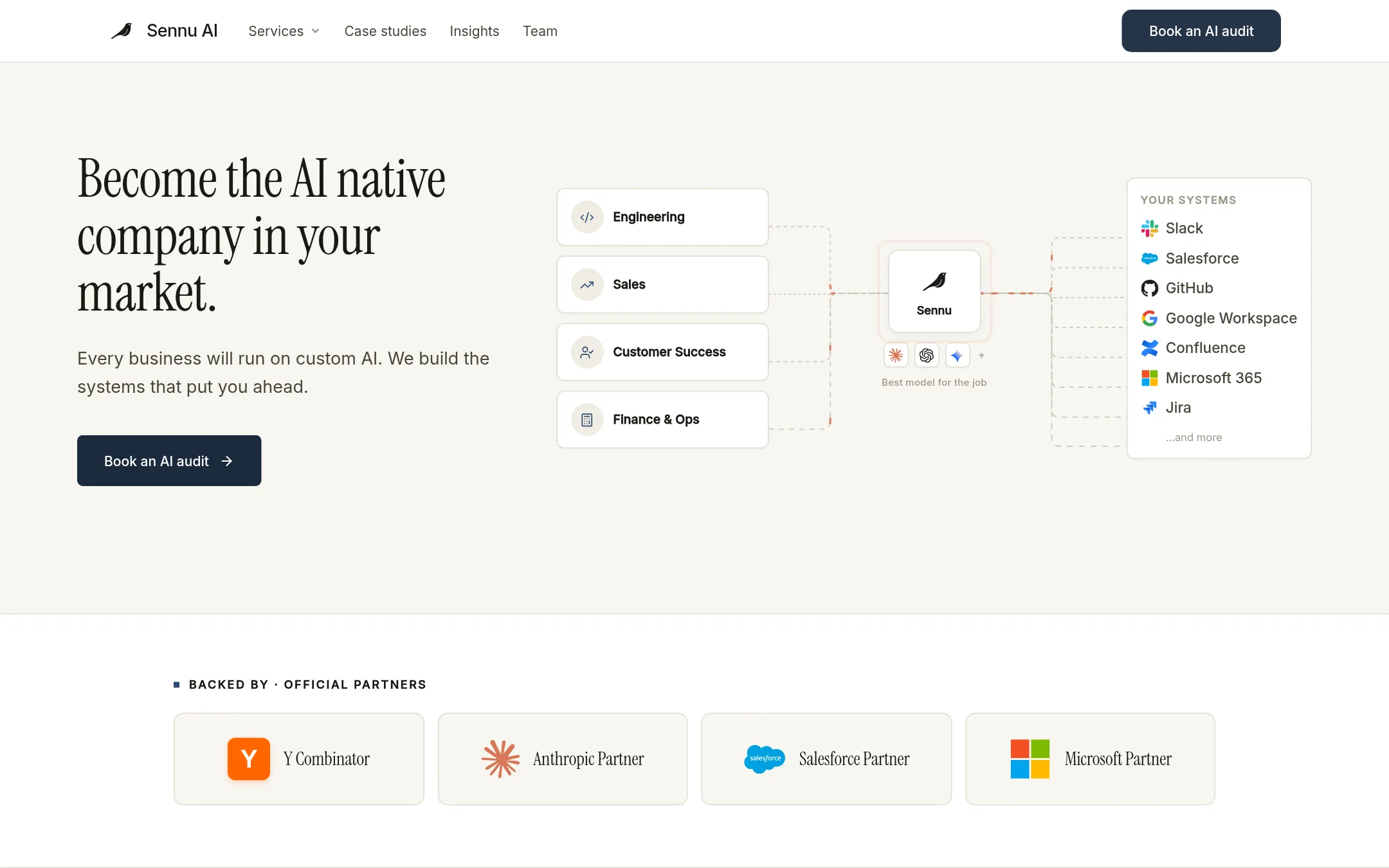
Sennu AI is a consulting firm that builds custom AI systems around one expensive workflow, starting with a paid two week discovery audit. It is model agnostic and has official partner status with Anthropic, Salesforce, and Microsoft. Its own internal code review agent is one of the systems it has built and uses.
Where it is strong
- Starts with a paid two week audit that maps the workflow and quantifies its cost
- Model agnostic, so the underlying model can change as better ones ship
- Covers security and governance, including SSO, RBAC, and audit logs
Where it falls short
- Consulting engagement rather than self-serve software, so setup takes longer than installing a tool
- No public pricing or listed plans, so budget must come from a sales conversation
- Pricing:
- Pricing is not published on the site. The initial two week workflow audit is paid, and the client keeps the roadmap either way.
- Free plan, from $0
6.TraceRoot.AI
Best for: Engineering teams running AI agents in production that want production failures turned into tested code fixes.
- Pricing
- Free plan, from $0
- Category
- Developer Tools
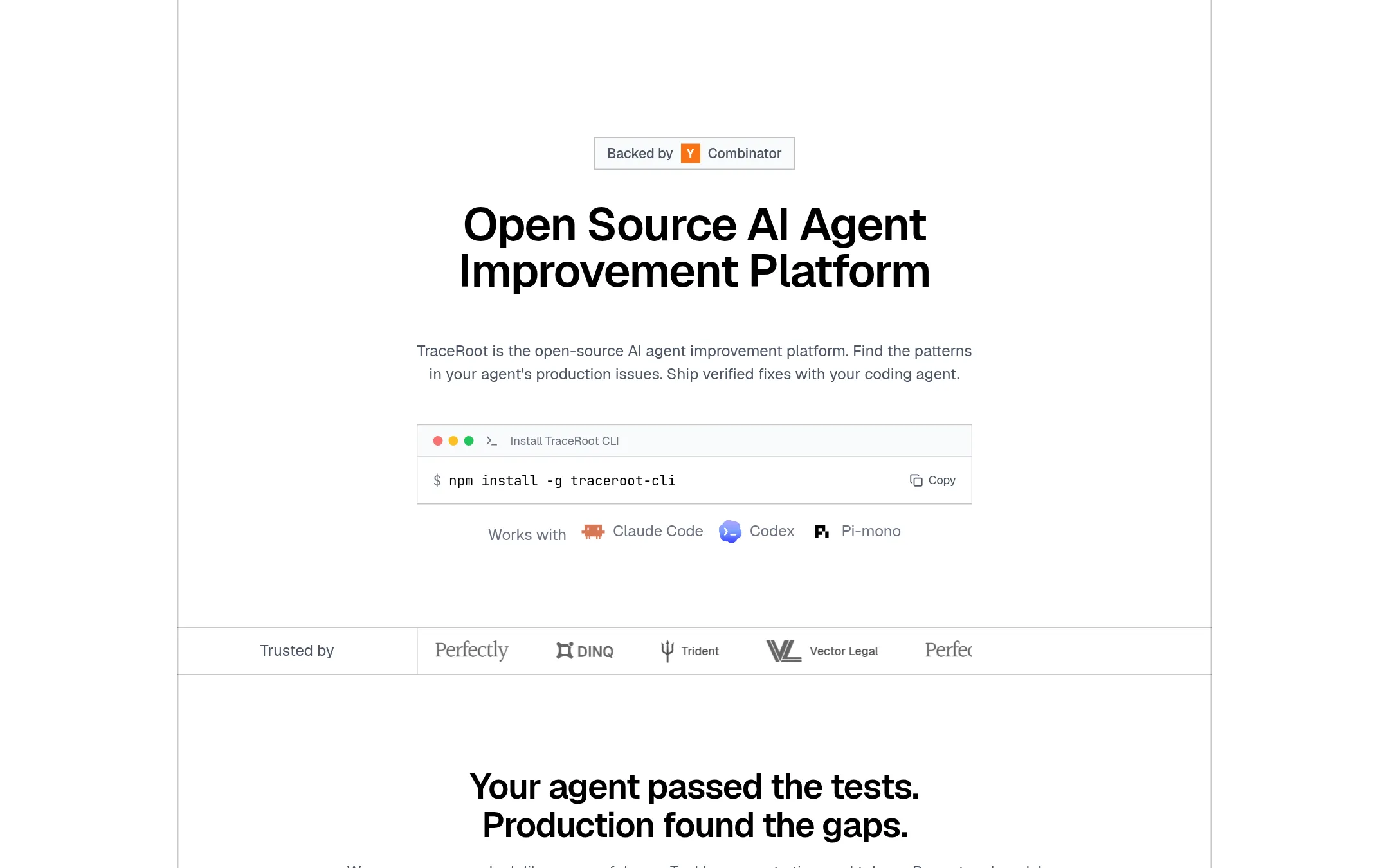
TraceRoot is an open source platform that traces AI agent runs and flags failures and wasteful loops in production. Its background coding agent clusters judge outputs into improvement signals and investigates the connected GitHub code in a sandbox, recommending changes down to the commit, file, and line. The team has a public GitHub repo with 73+ contributors and is backed by Y Combinator.
Where it is strong
- Clusters judge outputs into improvement signals and traces them to specific commits, files and lines.
- Open source under Apache 2.0 for non-enterprise code, with an option to self-host via Docker.
- Agent-native CLI lets a coding agent read traces, manage evals and apply verified changes.
Where it falls short
- Investigation depends on a background coding agent and offline evals, so teams need an existing coding workflow to get full value.
- Retention is short on lower tiers, with 15 days on Free and 30 days on Starter, and SOC 2 and HIPAA documents only appear at Pro.
- Pricing:
- The Free plan has 2 seats, 50k events per month and 15-day retention, while Starter includes 150k events per month and unlimited seats at overage rates of $4 per 50k events.
- Not published
7.AutoSitu
Best for: Developers and city agencies that review, approve and price development projects and want feasibility, compliance and takeoff in one workspace.
- Pricing
- Not published
- Category
- AI & Machine Learning
AutoSitu is an AI workspace for municipal development review that reads parcel data such as boundaries, zoning, setbacks and utilities and turns them into structured constraints before design starts. Its credibility rests on carrying that understanding forward, so feasibility assumptions feed entitlement requirements, design checks and quantity takeoff in one system.
Where it is strong
- Turns parcel boundaries, zoning and setbacks into structured constraints early
- Connects design decisions to compliance checks and quantity takeoff
- Covers the project from feasibility through to construction scopes
Where it falls short
- Built for development and municipal review, so it is a poor fit for general software code review
- No public pricing, so cost has to be confirmed through a sales conversation
- Pricing:
- Pricing is not published on the site.
How to choose AI Code Review Tools
Start with pricing structure. Some tools charge per credit that varies with review depth, so monthly cost depends on how thorough each review is and how many pull requests your team opens. Others charge tokens plus a platform fee, or use tiers with spending limits. Ask for a forecast based on your actual pull request volume before you commit.
Check who the tool is built for. Greptile and CodeAnt AI are aimed at general software teams. Terracotta AI is aimed at platform teams managing infrastructure code. AutoSitu is built for development and municipal review, so it is a poor fit for general code review. Matching the tool to the code you actually write matters more than feature count.
Confirm integrations. Most products on this list connect to GitHub, GitLab or Bitbucket, and some also support Azure DevOps, Jira or Slack. Confirm that your Git host and cloud provider are covered, and check whether any drift detection or cost analysis is limited to a single cloud. Terracotta's drift detection and cost analysis are described for AWS, so other clouds need checking.
Review data handling and compliance. Ask where code is processed, whether it is retained, and what audit logs exist. Greptile lists self-hosting, SSO and audit logs under its Enterprise plan, which uses custom pricing. TraceRoot documents SOC 2 and HIPAA only from its Pro tier. If you work in a regulated field, these details decide the shortlist.
Finally, look at support and contract terms. Ellipsis lists a 48-hour first response time on its base support tier, which may be too slow for urgent issues. Several products publish no prices and require a sales conversation, so ask for a written quote and check the length of any commitment before you sign.
FAQ
Questions about AI Code Review Tools
What does an AI code review tool do?
It reads changes to source code, usually when a pull request is opened or updated, and posts comments that flag bugs, security issues and quality problems. Some tools also suggest or apply fixes. Reviewers still make the final decision on each change.
How is Greptile different from other AI code review tools?
Greptile indexes the whole repository, including files, functions and dependencies, so it can assess changes beyond the lines in the diff. It also learns coding standards from your team's existing pull request comments. Self-hosting is available on its Enterprise plan.
Which AI code review tool is best for security?
CodeAnt AI combines line-by-line review with SAST, SCA, secrets scanning and IaC scanning, plus AI penetration testing that shows which weaknesses are exploitable. Low and medium pentest findings are free, while high and critical findings require payment. It suits startups and teams that want security and review in one place.
How is AI code review priced?
Pricing varies across the list. Greptile charges per credit that depends on review depth, Ellipsis charges tokens plus a platform fee, and TraceRoot offers a free tier with overage rates. Several products, including Terracotta AI and AutoSitu, do not publish prices and require a quote.
Should I choose a tool that covers infrastructure code?
Choose one if you manage Terraform, Kubernetes or Terragrunt across several repositories. Terracotta AI reviews those files for security, cost and drift before merge. If your team mainly writes application code, a general code review tool such as Greptile or CodeAnt AI is the better fit.
Last updated November 7, 2026.