idemeum alternatives
6 products compared · Updated November 16, 2026
The short answer
The three strongest alternatives to idemeum are Okta, JumpCloud, and Auth0. Okta suits mid-size and large organizations that need central single sign-on, MFA, and identity governance across many cloud apps. JumpCloud suits IT teams that want one directory for users and devices across Windows, Mac, and Linux. Auth0 suits SaaS and consumer app teams that need customer login, SSO, and authorization built into their product.
Your shortlist, at a glance
Read the comparisons ↓ OktaFrom $6/user/moMid-size and large organizations that need central single sign-on, MFA and identity governance across many cloud apps
Microsoft Azure CycleCloudNot publishedResearch and engineering teams running HPC or batch simulation workloads on Azure virtual machines
 Ping IdentityCustom quoteEnterprises that need customer and workforce identity across several deployment models
- OOneLoginFrom $3/moGrowing companies that need SSO, MFA and automated user provisioning across many SaaS apps
 JumpCloudFrom $9/user/moIT teams wanting one directory for users, devices and SSO across Windows, Mac and Linux
 Auth0Free to 25k MAUSaaS and consumer app teams that need customer login, SSO, and authorization built into their product
About idemeum and its alternatives
idemeum is an AI-powered platform that runs IT work for employees and IT teams. Its site says its AI agents triage and resolve tickets, fix employee problems on laptops and in the cloud, automate routine IT workflows, and remove admin rights through its Endpoint Control product. Pricing is tiered for its Automate and Assist agents and priced per device for Endpoint Control.
When comparing alternatives in this category, weigh the pricing structure first, since some tools charge per user, some per device, some by usage, and some only after a sales conversation. Check which regions and deployment models each vendor supports, and which integrations are built in versus requiring custom work. Also compare support levels and contract terms, because these differ sharply between free, mid-tier and enterprise plans.
Explore the alternatives
- From $6/user/mo
1.Okta
Best for: Mid-size and large organizations that need central single sign-on, MFA and identity governance across many cloud apps
- Pricing
- From $6/user/mo
- Category
- Security & Privacy
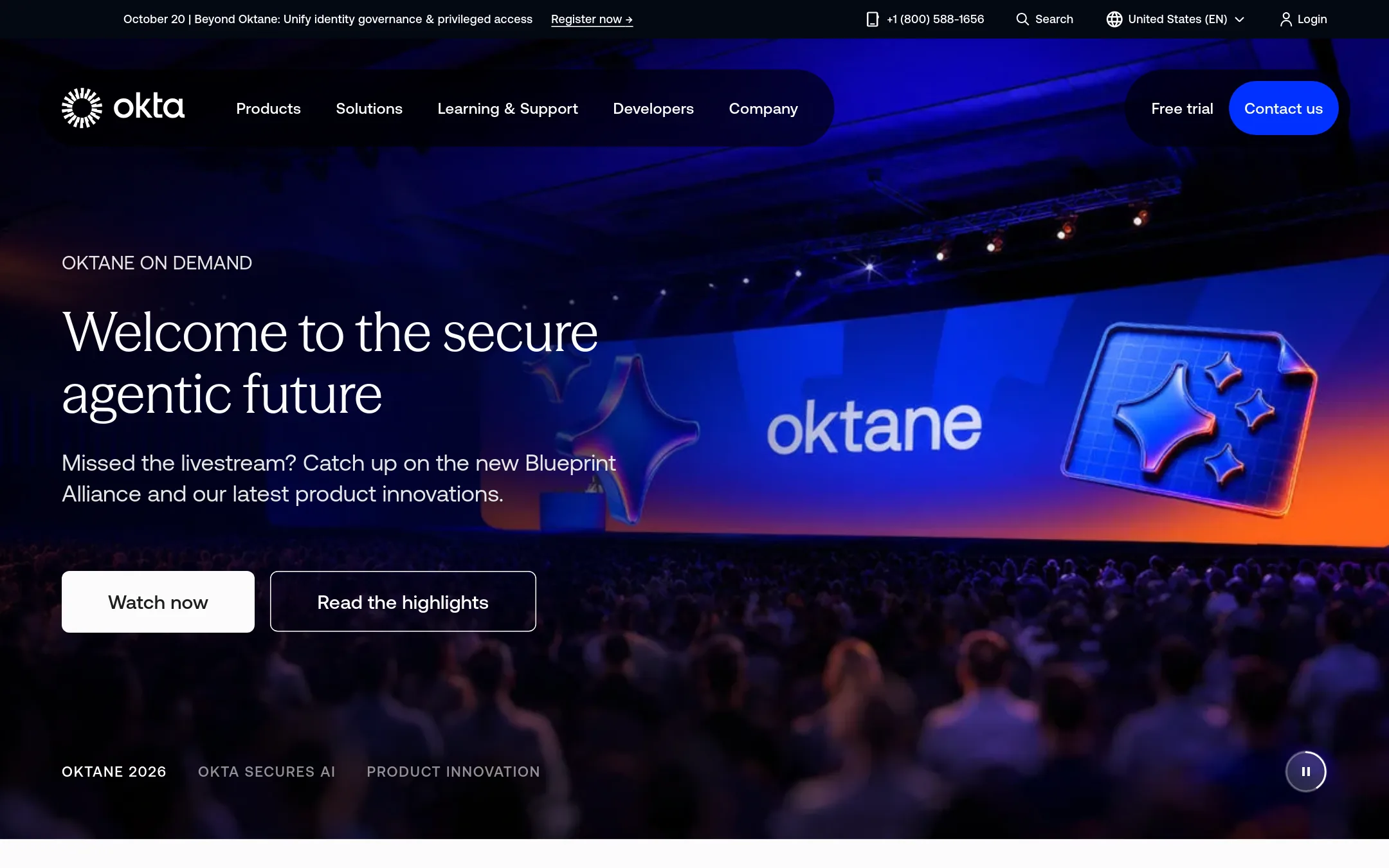
Okta is an identity platform for workforce single sign-on, MFA, lifecycle management and privileged access, with a separate line for customer identity through Auth0. Teams pick it over idemeum when they need enterprise identity governance, customer login at scale, or a broad catalog of identity integrations rather than AI-driven endpoint and ticket automation.
Where it is strong
- Mature single sign-on and MFA with a long track record in enterprise deployments
- Identity governance, lifecycle management and privileged access sit in one platform
- Auth0 covers customer identity and login for external users
Where it falls short
- Pricing climbs quickly on the higher tiers, and the top plans require a sales conversation
- It is an identity layer rather than an AI agent that fixes laptop and cloud issues for employees
- Pricing:
- Okta's Starter plan is listed at $6 per user per month, Core Essentials at $14 per user per month, and Professional and Enterprise are quoted on request.
- Not published
2.Microsoft Azure CycleCloud
Best for: Research and engineering teams running HPC or batch simulation workloads on Azure virtual machines
- Pricing
- Not published
- Category
- Developer Tools
Azure CycleCloud is Microsoft's tool for building and managing HPC and batch compute clusters on Azure. Teams pick it over idemeum when their need is scheduling scientific or simulation jobs on large pools of virtual machines, not fixing employee laptops or running IT service desk work.
Where it is strong
- Builds and scales HPC clusters on Azure virtual machines
- Sits inside the wider Azure platform, so compute, storage, and networking come from one provider
- Supports commitment-based discounts such as reservations and savings plans on the underlying compute
Where it falls short
- Focused on cluster and HPC orchestration, so it does not handle endpoint control, app allowlisting, or service desk automation
- Costs depend on the Azure services you consume, which makes budgeting harder to predict than a flat plan
- Pricing:
- Pricing is not published on the site for CycleCloud specifically. The Azure pricing page covers the underlying compute, storage, and network services you pay for, billed on consumption with reservation and savings plan options.
- Custom quote
3.Ping Identity
Best for: Enterprises that need customer and workforce identity across several deployment models
- Pricing
- Custom quote
- Category
- Security & Privacy
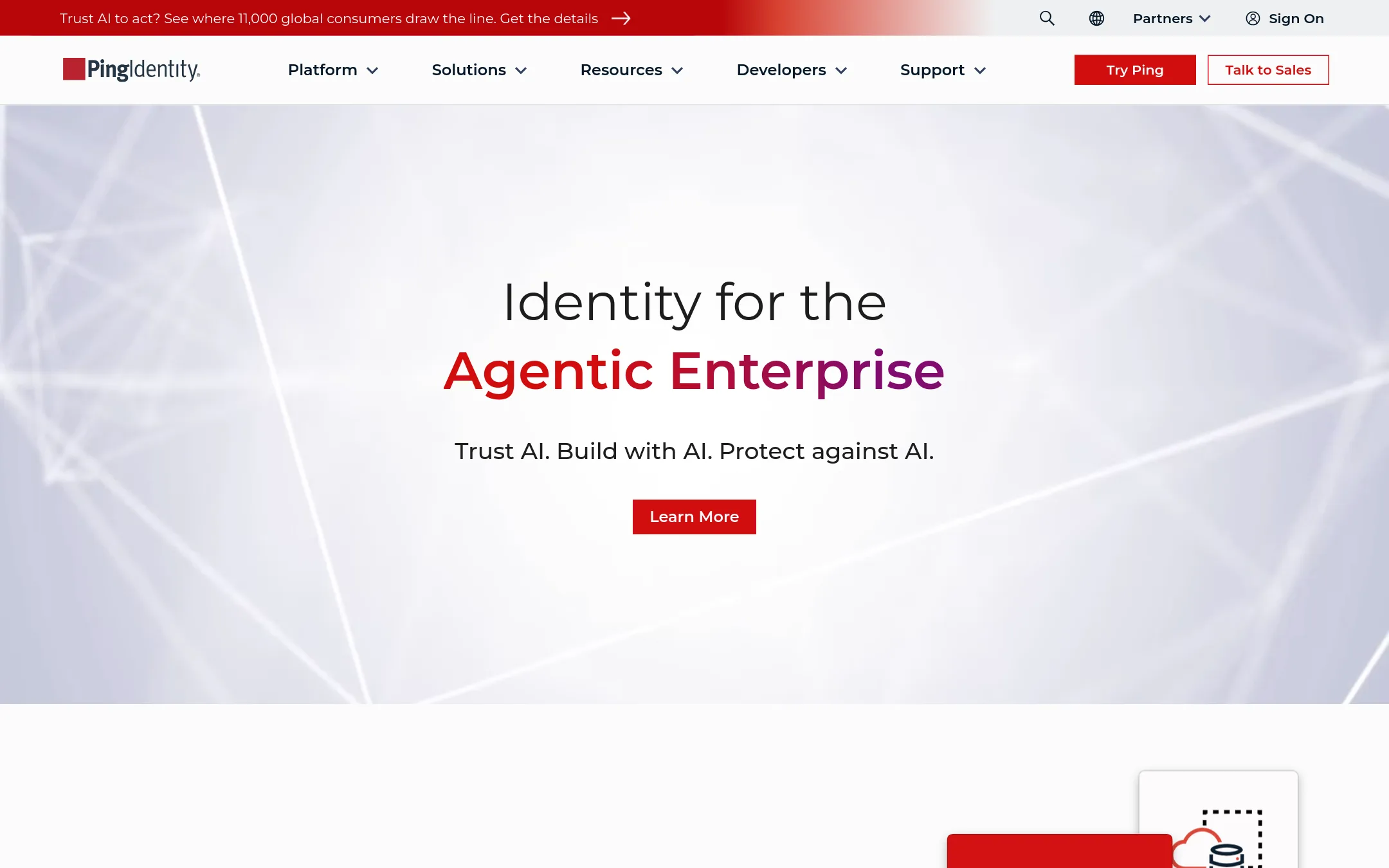
Ping Identity is an enterprise identity security platform covering SSO, MFA, customer identity, orchestration, fraud protection and just-in-time privilege access. Teams choose it over idemeum when they need deep customer-facing identity (CIAM), B2B or workforce identity at scale, or a choice of cloud, dedicated-tenant or self-managed deployment. idemeum is aimed at IT agents that fix employee device and cloud issues, which is a different job.
Where it is strong
- Platform covers SSO, MFA, orchestration, fraud protection and identity verification
- Offers multi-tenant cloud, dedicated-tenant cloud and self-managed software
- Site lists 6,500+ orchestrated capabilities across 350+ connectors
Where it falls short
- Built around identity sign-in rather than automated device and endpoint repair
- Pricing requires a sales conversation before you know the cost
- Pricing:
- Pricing is not published on the site. Quotes depend on identity count, type, deployment model and capabilities.
- OFrom $3/mo
4.OneLogin
Best for: Growing companies that need SSO, MFA and automated user provisioning across many SaaS apps

- Pricing
- From $3/mo
- Category
- Other
OneLogin is an identity and access management platform covering single sign-on, multi-factor authentication, and identity lifecycle management for workforce, customer, and partner users. A team would choose it over idemeum when the main problem is who can log into which app, with SSO, MFA and provisioning as the core. idemeum is built around AI agents that fix endpoint and cloud IT tickets and remove admin rights on laptops, which OneLogin does not present as its focus.
Where it is strong
- Single sign-on and MFA across a large catalog of prebuilt app connectors
- Identity lifecycle management that adds and removes access as people join, move roles and leave
- Separate tiers for workforce identity, customer identity and B2B partner access
Where it falls short
- Its focus is login and identity rather than AI-driven endpoint repair or ticket resolution
- Advanced features such as RBAC, adaptive authentication and HR integrations sit in the higher tiers
- Pricing:
- OneLogin's Workforce plans list $3, $6 and $10 per month, with Enterprise priced separately, but the page does not state the billing unit or currency clearly enough to confirm them.
- From $9/user/mo
5.JumpCloud
Best for: IT teams wanting one directory for users, devices and SSO across Windows, Mac and Linux
- Pricing
- From $9/user/mo
- Category
- Security & Privacy
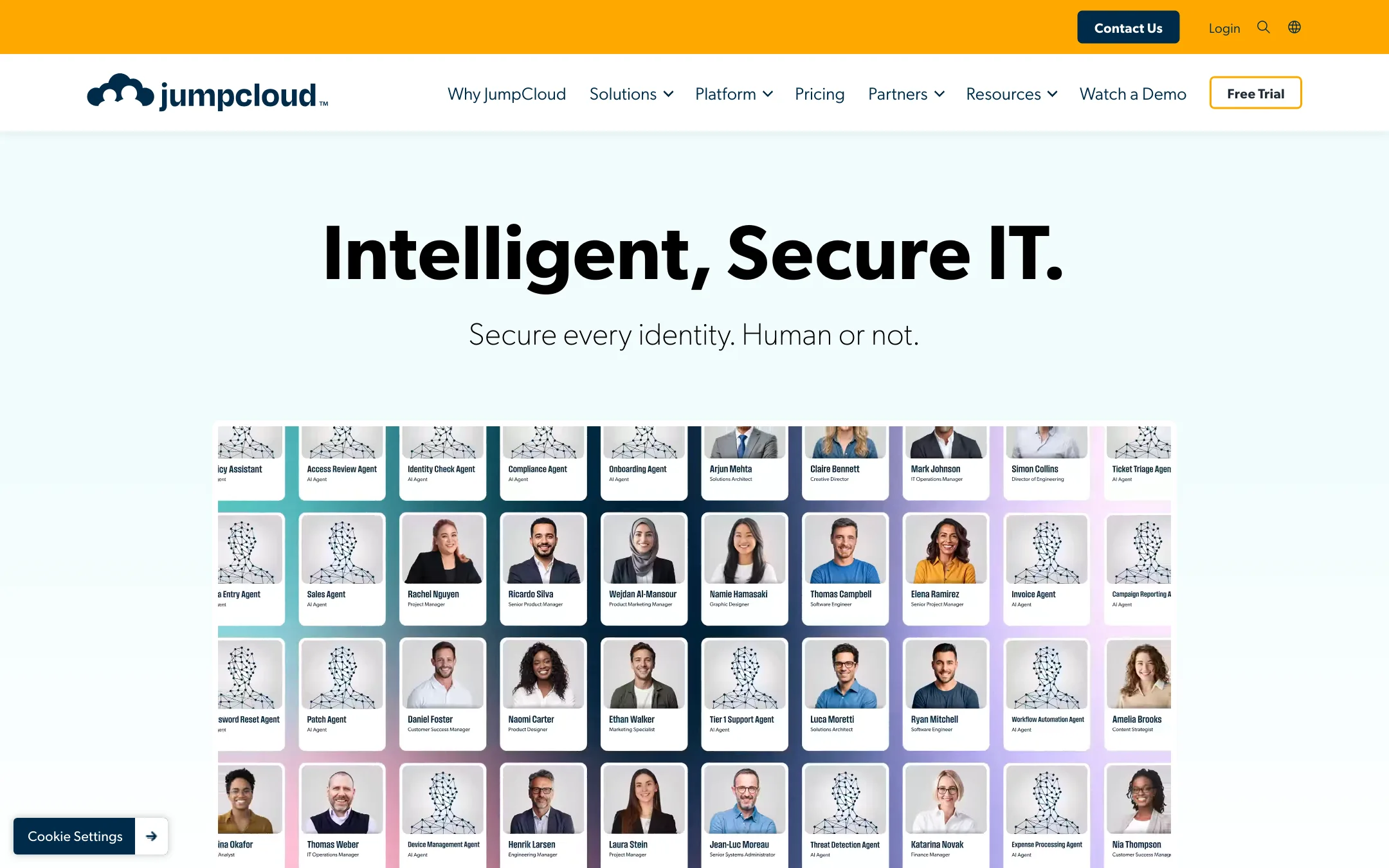
JumpCloud is a cloud directory and identity platform that manages Windows, Apple, Linux and Android devices alongside SSO, MFA, Zero Trust and RADIUS. Choose it over idemeum when the main problem is identity and device management across all operating systems, rather than AI agents that resolve IT tickets or per-device admin rights control.
Where it is strong
- Covers Windows, Apple, Linux and Android devices from one console
- Bundles SSO, MFA, passwordless login and Zero Trust conditional access
- Offers a 30-day free trial with the full product available
Where it falls short
- Does not offer AI agents that triage and resolve IT tickets
- Per-user pricing adds up for large workforces using only device features
- Pricing:
- Pricing is published per user per month, for example Device Management at $11 per user per month billed annually or $9 billed monthly, with SSO at $13 annually and Platform Prime and other bundles priced separately.
- Switching from idemeum:
- Moving from idemeum to JumpCloud is not covered by the facts supplied, so no switching steps are stated.
- Free to 25k MAU
6.Auth0
Best for: SaaS and consumer app teams that need customer login, SSO, and authorization built into their product
- Pricing
- Free to 25k MAU
- Category
- Security & Privacy
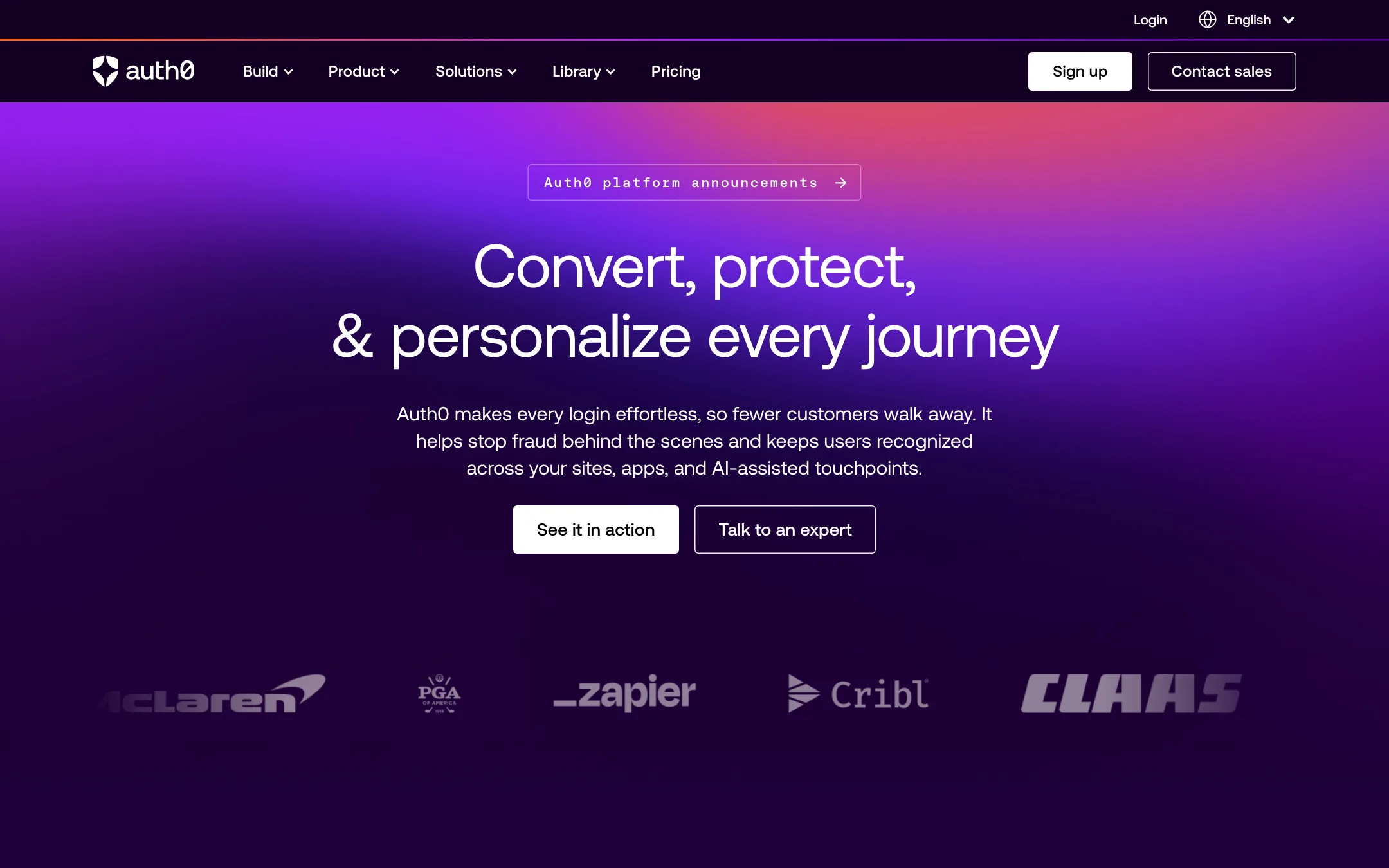
Auth0 is an identity platform for logins, sign-up, and authorization across customer apps, B2B products, and AI agents. A team would pick it over idemeum when the problem is customer-facing authentication, such as passwordless login, social sign-in, or enterprise SSO for a SaaS product, rather than managing employee devices and IT tickets.
Where it is strong
- Free tier covers up to 25,000 monthly active users with social logins and passwordless authentication.
- Ships with 30+ SDKs and quickstarts for integrating authentication into many languages and frameworks.
- Reports 99.99% uptime over 12 months, as indicated on Okta's trust site.
Where it falls short
- Built for customer and product identity, so it does not manage employee laptops, app installs, or admin rights the way idemeum does.
- Enterprise and private cloud options require contacting sales, and advanced features sit in higher tiers.
- Pricing:
- The free plan covers up to 25,000 monthly active users, Essentials covers up to 500 monthly active users, and Professional and Enterprise tiers are listed without fixed prices on the page.
See more comparisons in Security & Privacy alternatives.
FAQ
Questions about idemeum alternatives
What is idemeum mainly used for?
According to its site, idemeum provides AI agents that fix employee IT issues on laptops and in the cloud, and automate routine IT workflows. It also offers Endpoint Control, which removes admin rights, blocks unapproved apps, and grants admin access just in time. Its focus is on the service desk and endpoint side of IT.
Which alternative is best for a company that mainly needs single sign-on and MFA?
Okta is the strongest fit for mid-size and large organizations that need central single sign-on, MFA, and identity governance across many cloud apps. Its Starter plan is listed at $6 per user per month, and higher tiers are quoted on request. It is an identity layer rather than an AI agent for employee repairs.
Which option works best for managing devices across Windows, Mac and Linux?
JumpCloud suits IT teams that want one directory for users, devices, and SSO across Windows, Apple, Linux, and Android. It bundles SSO, MFA, and Zero Trust conditional access and offers a 30-day free trial. It does not provide AI agents that triage and resolve IT tickets.
How should I think about pricing when comparing these tools?
Pricing models differ across the alternatives. Okta and JumpCloud publish per-user rates, Auth0 offers a free tier based on monthly active users, and Azure CycleCloud is billed on consumption. Ping Identity requires a sales quote, and idemeum publishes tiers for its agents plus per-device pricing for Endpoint Control, with a free tier that includes up to 50 devices.
Which alternatives are not a direct replacement for idemeum?
Azure CycleCloud, Auth0, Ping Identity and OneLogin are built for different jobs. CycleCloud manages HPC clusters, Auth0 handles customer-facing login, and Ping and OneLogin focus on identity sign-in and access. None of them is presented as an AI agent that fixes employee laptop and cloud issues, so they suit teams with a different core need.
Last updated November 16, 2026.