Mural alternatives
8 products to explore · 2026
Your shortlist, at a glance.
Read the comparisons ↓

Check each product’s website for current pricing and features. A verified badge indicates a verified listing, not a ranking.
About Mural and its alternatives
Teams searching for Mural alternatives often need visual collaboration tools that match its AI-assisted brainstorming, real-time co-editing on an infinite canvas, and structured templates for workshops and strategy sessions. While Mural excels at connecting strategy to execution across sales, marketing, R&D, and consulting teams with features like Mural AI and the LUMA System, some organizations look elsewhere for simpler pricing, deeper diagramming, or tighter integration with specific ecosystems such as Microsoft 365 or design suites. Alternatives range from broad whiteboard platforms to specialized agile or mapping tools that may offer stronger offline support, different AI capabilities, or lower costs for smaller teams. Evaluating these options helps companies find the best fit for their workflow, whether they prioritize rapid ideation, stakeholder mapping, customer journey visualization, or enterprise-scale governance and security.
Explore the alternatives
1.Padlet
Productivity & Project ManagementPapyrus → Parchment → Paper → Padlet
2.Canva Whiteboards
Productivity & Project ManagementVisual collaboration and brainstorming made easy with Canva.

3.Conceptboard
Productivity & Project ManagementOnline whiteboard combining visual collaboration and task management in real time.

4.FigJam
Productivity & Project ManagementCollaborate with a digital whiteboard
5.Lucidspark
Productivity & Project ManagementVirtual whiteboarding for team collaboration, ideation, and action.
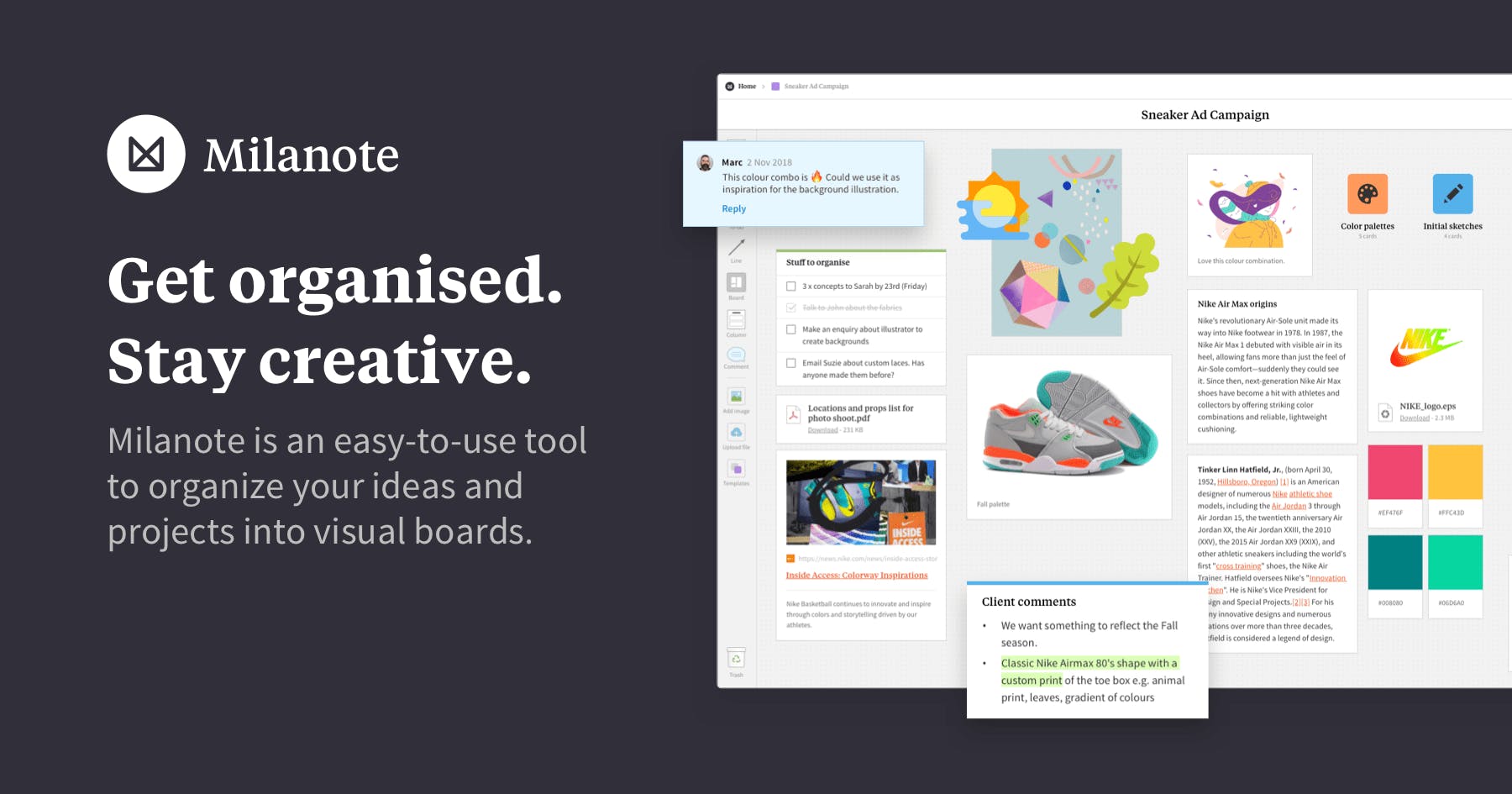
6.Milanote
Productivity & Project ManagementThe tool for organizing creative projects into visual boards.

7.Miro
Productivity & Project ManagementAI-powered visual workspace for team collaboration and product innovation
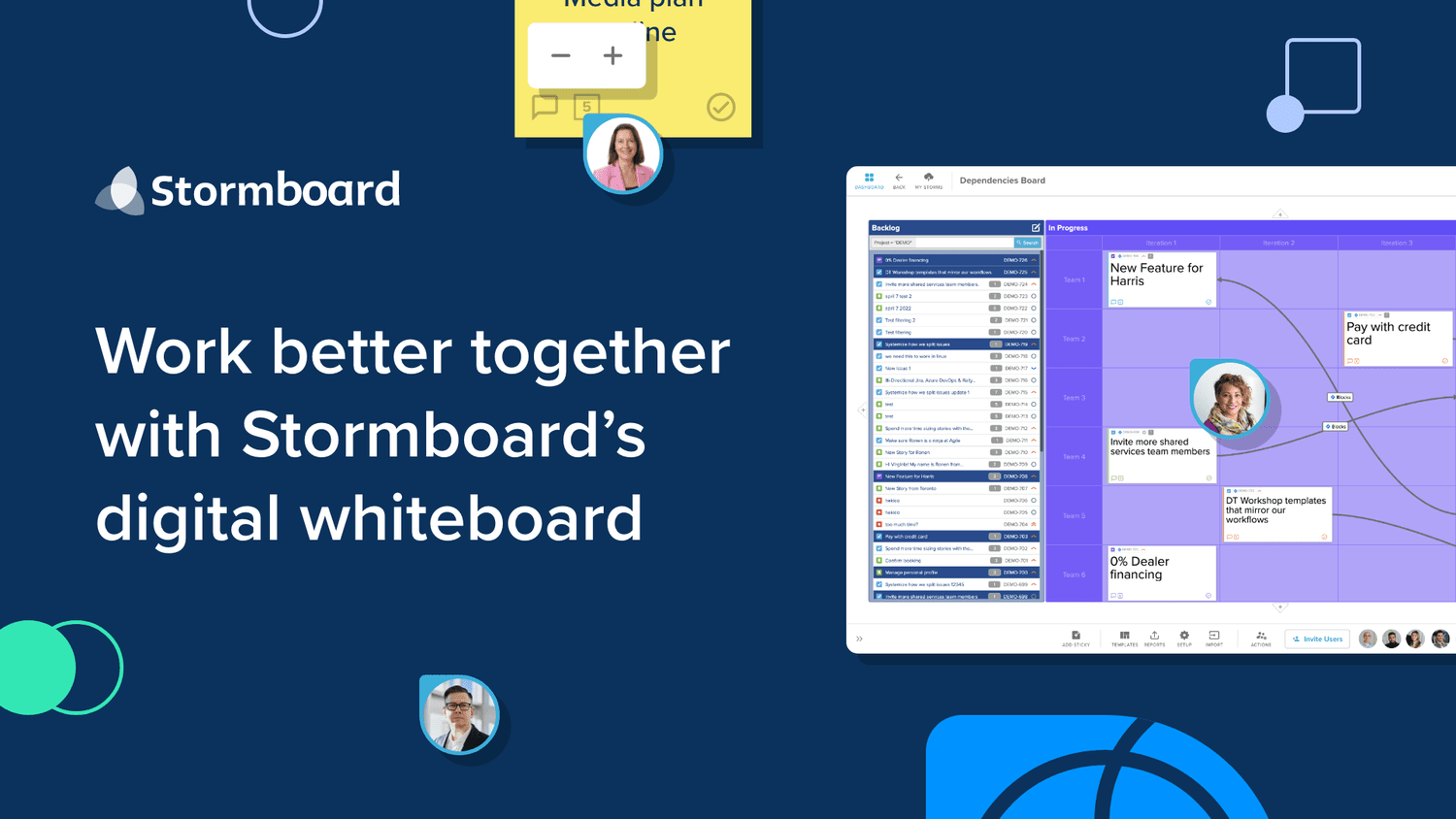
8.Stormboard
Productivity & Project ManagementData-first Collaboration & Digital Whiteboard
See more comparisons in Productivity & Project Management alternatives.
Questions about Mural alternatives
What are the best Mural alternatives for remote workshops?
Popular choices include Miro for similar infinite-canvas collaboration, Lucidspark for structured diagramming during remote sessions, and FigJam for design-focused teams that need quick feedback loops and AI-assisted organization.
How does Mural pricing compare to Miro and Lucidchart?
Mural offers a free plan with paid upgrades for advanced AI and enterprise features, while Miro and Lucidchart use similar freemium models but often scale differently based on user count and storage, making direct cost comparisons depend on team size and required integrations.
Can I replace Mural with free tools for agile ceremonies?
Yes, options like Microsoft Whiteboard or FigJam provide free tiers suitable for basic retrospectives and planning, though they may lack Mural's depth in templates, LUMA facilitation methods, and AI-driven insight extraction.
Which Mural alternative works best with Microsoft Teams?
Microsoft Whiteboard integrates natively with Teams and offers strong real-time editing, while Miro and Lucidspark provide robust connectors; evaluate based on whether your team needs Mural-style AI summarization or simpler drawing tools.
Is there a Mural alternative focused on sales account mapping?
Lucidspark and Miro both support stakeholder and account mapping with templates, often at competitive pricing; they compare favorably for sales teams needing live co-creation but may require extra setup compared to Mural's pre-built workflows.
What Mural alternative offers the strongest AI features?
Miro and FigJam have invested heavily in AI for clustering ideas and generating summaries, providing comparable or sometimes more mature assistance than Mural AI depending on the specific workflow and data volume.