
OhMD alternatives
8 products to explore · 2026
Your shortlist, at a glance.
Read the comparisons ↓Check each product’s website for current pricing and features. A verified badge indicates a verified listing, not a ranking.
About OhMD and its alternatives
Users searching for OhMD alternatives are typically physician practices or multi-location groups overwhelmed by high inbound call volume and looking for HIPAA-compliant ways to automate routine scheduling, refill, and reminder calls without adding staff. They want solutions that combine voice AI or intelligent texting with EHR integrations so front-desk teams can focus on complex patient needs rather than phone tag. Common comparison points include how deeply each platform routes AI-to-human handoffs, the breadth of EHR connections, broadcast messaging capabilities, and whether pricing scales for small practices versus enterprise call centers. Searchers also evaluate ease of launch, support for multi-tenant setups, and measurable reductions in abandoned calls or no-shows. This page compares the most relevant alternatives to help practices choose the best fit for lowering hold times and burnout while maintaining secure patient communication.
Explore the alternatives

1.CareMessage
HealthcarePatient engagement for low-income populations

2.Athenahealth
HealthcareHealthcare technology for medical practices and providers.
3.Epic
HealthcareWith the patient at the heart
4.Luma Health
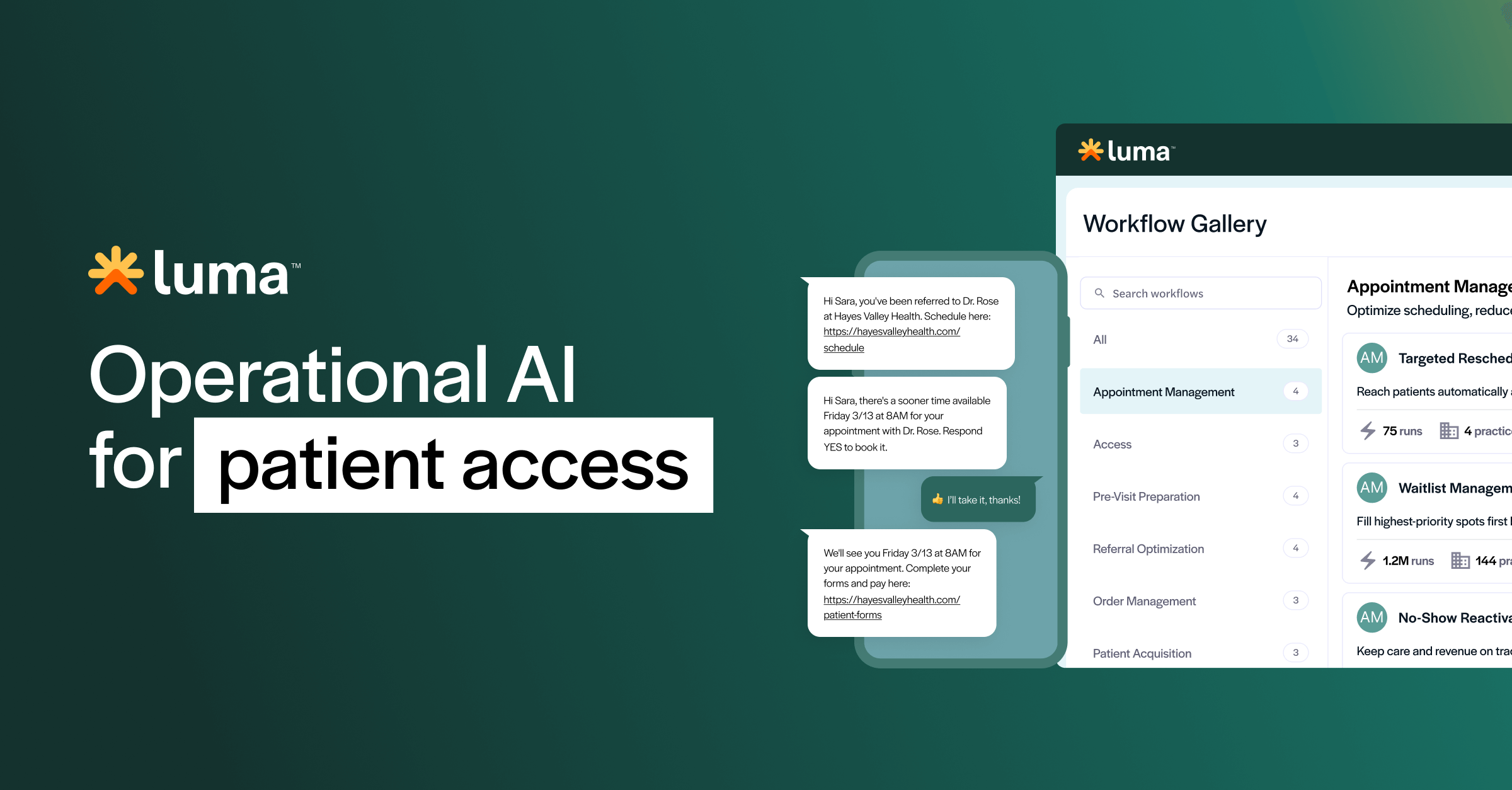
HealthcareOperational AI to automate patient access, engagement, intake, and payments for health systems

5.Phreesia
HealthcarePatient intake software that automates registration, payments and engagement for healthcare providers

6.Relatient
HealthcareAI-powered patient scheduling and engagement platform for healthcare

7.Solutionreach
HealthcareAll-in-One Patient Engagement Software for Healthcare Practices

8.TigerConnect
Healthcare#1 Healthcare Collaboration Platform for hospitals and care teams
See more comparisons in Healthcare alternatives.
Questions about OhMD alternatives
What are the best OhMD alternatives for small physician practices that want voice AI without enterprise pricing?
Practices often compare Klara, Luma Health, and Relatient because they offer similar two-way texting and some automation, though fewer have a dedicated voice AI agent like Nia that resolves calls before they reach staff. Pricing and EHR depth vary widely.
How does OhMD compare to Klara for reducing front-desk call volume in orthopedic practices?
OhMD emphasizes AI-handled routine calls with instant voice resolution and EHR sync, while Klara focuses more on messaging workflows. Both reduce phone tag, but OhMD reports higher percentages of fully automated calls for high-volume specialties.
Which OhMD alternatives support multi-location practices with SSO and custom reporting?
Enterprise-focused options like Solutionreach and Luma Health provide multi-tenant architecture, SSO, and analytics similar to OhMD, making them suitable when practices need centralized oversight across sites without separate logins.
Are there developer-friendly OhMD alternatives with a HIPAA-compliant SMS API?
Twilio and custom builds using its API are common for developers, but they lack OhMD's pre-built medical workflows and 85+ EHR connectors. Most practices prefer turnkey tools unless they need deep custom embedding.
What OhMD alternatives work well for call centers handling patient scheduling and refills?
Luma Health and Relatient are frequently evaluated because they combine patient self-scheduling, reminders, and texting automation that integrate with existing phone systems, though voice AI depth differs from OhMD's Nia agent.
Do OhMD alternatives typically integrate with the same 85+ EHR systems?
Few match OhMD's breadth; most strong alternatives integrate with the top 20-30 EHRs and PMs. Practices should verify specific integrations for their system before switching.