
Phreesia alternatives
8 products to explore · 2026
Your shortlist, at a glance.
Read the comparisons ↓
Check each product’s website for current pricing and features. A verified badge indicates a verified listing, not a ranking.
About Phreesia and its alternatives
Healthcare organizations searching for Phreesia alternatives often need intake platforms that handle registration, eligibility verification, payments and patient engagement without heavy implementation overhead. Phreesia specializes in specialty-specific digital workflows, 24/7 VoiceAI call handling and patient activation tools that reduce claim denials and administrative gaps. Alternatives range from full EHR suites with built-in intake modules to lighter engagement platforms focused on scheduling or payments. Buyers typically compare automation depth, specialty templates, integration options with existing systems, and measurable ROI on staff time and revenue capture. The right choice depends on whether the priority is comprehensive clinical workflows, targeted front-desk automation, or scalable patient outreach across multiple sites.
Explore the alternatives

1.CareMessage
HealthcarePatient engagement for low-income populations

2.Athenahealth
HealthcareHealthcare technology for medical practices and providers.
3.Epic
HealthcareWith the patient at the heart
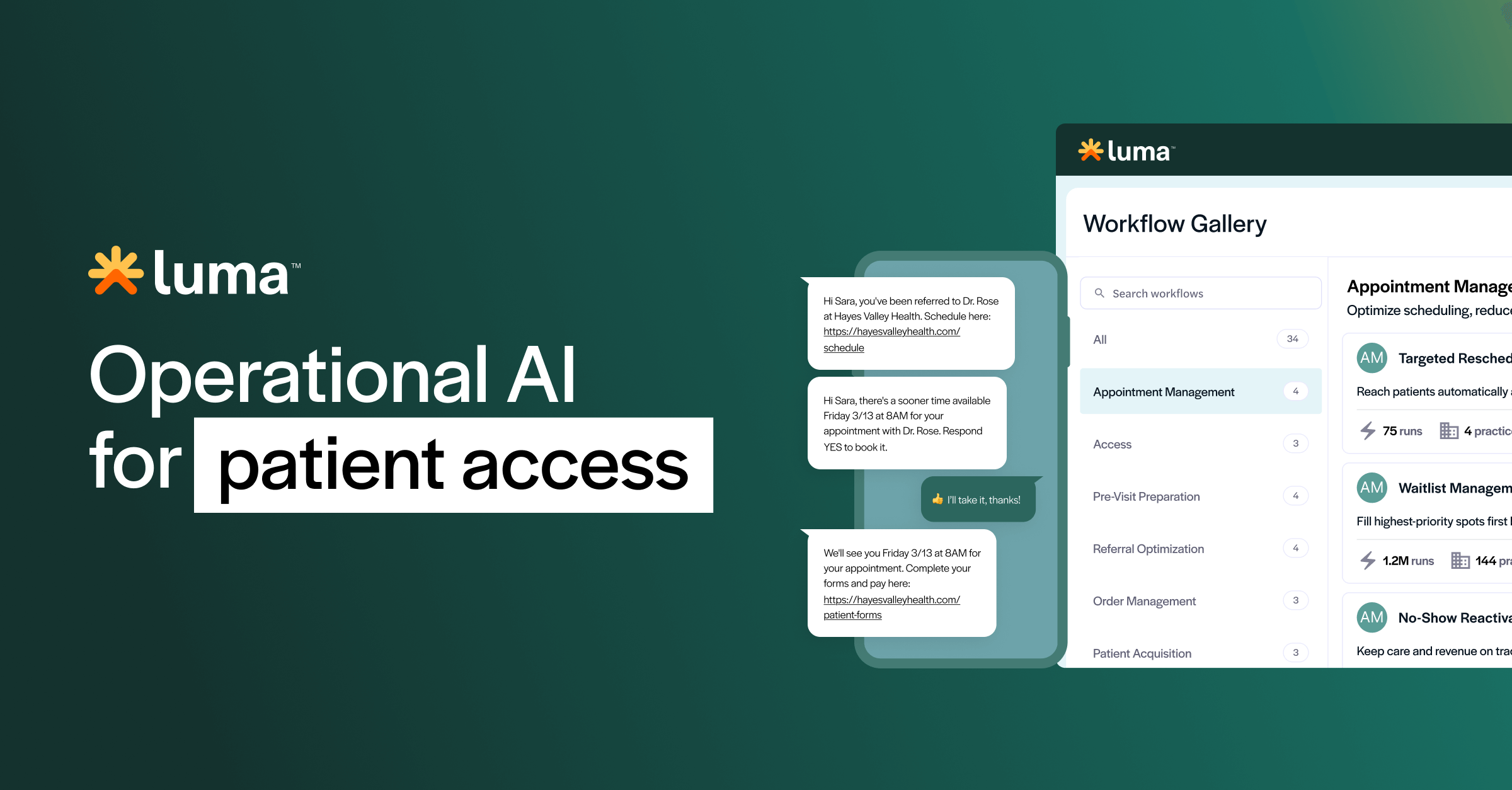
4.Luma Health
HealthcareOperational AI to automate patient access, engagement, intake, and payments for health systems
5.OhMD
HealthcareAI voice and HIPAA texting that cuts patient call volume for physician practices

6.Relatient
HealthcareAI-powered patient scheduling and engagement platform for healthcare

7.Solutionreach
HealthcareAll-in-One Patient Engagement Software for Healthcare Practices

8.TigerConnect
Healthcare#1 Healthcare Collaboration Platform for hospitals and care teams
See more comparisons in Healthcare alternatives.
Questions about Phreesia alternatives
What are the best Phreesia alternatives for small specialty practices?
Smaller practices often evaluate lighter platforms that offer similar intake automation and payments without the scale of enterprise features Phreesia provides to large health systems.
How does Phreesia compare to full EHR systems for patient intake?
Phreesia focuses narrowly on front-end intake, scheduling and engagement while many EHRs bundle these capabilities with clinical documentation, requiring different implementation and pricing models.
Which Phreesia alternatives support 24/7 patient call handling?
Few direct competitors match Phreesia VoiceAI depth; most alternatives rely on basic after-hours messaging or require separate telephony integrations for round-the-clock coverage.
Can Phreesia alternatives reduce claim denials as effectively?
Alternatives with strong eligibility automation can achieve similar denial reduction, though results vary based on payer connectivity and how deeply the tool integrates with existing billing workflows.
What should organizations replacing Phreesia evaluate first?
Key factors include specialty workflow coverage, mobile registration quality, payment flexibility, analytics on patient activation, and total cost of ownership compared with Phreesia’s demo-based pricing.
Are there free or low-cost Phreesia alternatives for CHCs?
Community health centers may consider open-source or grant-supported intake tools, though these typically lack the polished automation and support levels found in commercial platforms like Phreesia.