Reform alternatives
12 products compared · Updated November 4, 2026
The short answer
For logistics-specific automation like customs and freight workflows, Reform is the strongest choice. For broad, self-serve automation across many apps, Zapier or Make offer flexibility and free tiers. For technical teams needing self-hosting and code-friendly workflows, n8n is a strong alternative.
Your shortlist, at a glance
Read the comparisons ↓- LLindyFrom $29.99/mo + crediTeams that want a general AI teammate for everyday operational tasks across many tools, not just logistics workflows.
- RRelevance AINot publishedEnterprise GTM teams that want to deploy AI agents across sales, support, and marketing without deep logistics expertise.
 ZapierFree tier availableTeams that want to automate across many different apps and need a flexible, self-serve platform with a free tier.
 MakeNot publishedTeams that want a flexible, visual workflow builder with thousands of app integrations and no need to replace existing systems.
 n8nNot publishedTechnical teams that want a flexible, self-hostable automation platform for AI agents and workflows across many business areas, not just logistics.
 Airtable AutomationsNot publishedTeams that want a flexible, no-code platform to automate a wide range of business processes, not just logistics-specific workflows.
- NNotion AIFree, then $10/1k credTeams already using Notion who want AI agents and automation across their entire workspace, not just logistics.
 UiPathCustom quoteLarge enterprises in banking, healthcare, or manufacturing that need to orchestrate AI agents and robots across many departments and systems.
 Automation AnywhereCustom quoteLarge enterprises that need a general-purpose agentic automation platform across multiple business functions, not just logistics.
WorkatoCustom quoteLarge enterprises that need to orchestrate AI agents and automate processes across many systems with centralized governance.
- TTray.aiFrom $50/moEnterprises that need to orchestrate integrations, automations, and AI agents across many systems with governance and MCP support.
 Kissflow ProcurementCustom quoteTeams that want to build custom enterprise apps and automate workflows across multiple departments, without needing logistics-specific AI agents.
About Reform and its alternatives
Reform is a workflow automation platform built specifically for logistics. It uses AI agents to automate high-stakes operational work like customs declarations, AP invoice processing, and shipment coordination. The platform connects to your existing TMS and internal systems, and its pricing is flexible with Team, Operations, and Enterprise plans.
When comparing alternatives, weigh the pricing structure, whether it is flat or usage-based, and whether it fits your scale. Consider the regions and industries each tool supports, and check the depth of integrations with your existing systems. Look at support options and contract terms, especially for enterprise plans. Some tools are general-purpose, while Reform is specialized for logistics.
Explore the alternatives
- LFrom $29.99/mo + credi
1.Lindy
Best for: Teams that want a general AI teammate for everyday operational tasks across many tools, not just logistics workflows.
- Pricing
- From $29.99/mo + credi
- Category
- Other
Lindy is a general-purpose AI employee that connects to your tools and handles tasks like email triage, meeting notes, and data analysis. Choose it over Reform if your work isn't logistics-specific and you want a flexible assistant that works across Slack, email, and iMessage.
Where it is strong
- Connects to 1,500+ tools and supports MCP for custom integrations.
- Works in Slack, iMessage, email, and browser, so you can delegate tasks where you already work.
- Comes with 40+ skills and lets you save custom skills for repeat work.
Where it falls short
- Not built for logistics-specific workflows like customs declarations or freight forwarding.
- Credit-based pricing can get expensive for heavy usage. Credits don't roll over monthly.
- Pricing:
- Pricing starts with $50 in free credits for 7 days, then Team plans from $29.99/month for 3,000 credits, with top-ups at $10 per 1,000 credits.
- Switching from Reform:
- Moving from Reform to Lindy means rebuilding your automation workflows from scratch, as Lindy is a general assistant without logistics-specific templates.
- RNot published
2.Relevance AI
Best for: Enterprise GTM teams that want to deploy AI agents across sales, support, and marketing without deep logistics expertise.
- Pricing
- Not published
- Category
- Other
Relevance AI is a general-purpose platform for building and running AI agents across sales, customer success, marketing, and HR. Choose it over Reform when your work spans multiple departments and you want a broader agent workforce rather than logistics-specific automation.
Where it is strong
- Build agents for many departments, not just logistics.
- Includes governance features like SSO, audit logs, and human-in-the-loop approvals.
- Connects to 2,000+ apps and integrations.
Where it falls short
- No logistics-specific templates or workflows like customs or AP.
- Pricing is enterprise-only, so smaller teams may not get a clear entry point.
- Pricing:
- Pricing is not published on the site.
- Free tier available
3.Zapier
Best for: Teams that want to automate across many different apps and need a flexible, self-serve platform with a free tier.
- Pricing
- Free tier available
- Category
- Productivity & Project Management
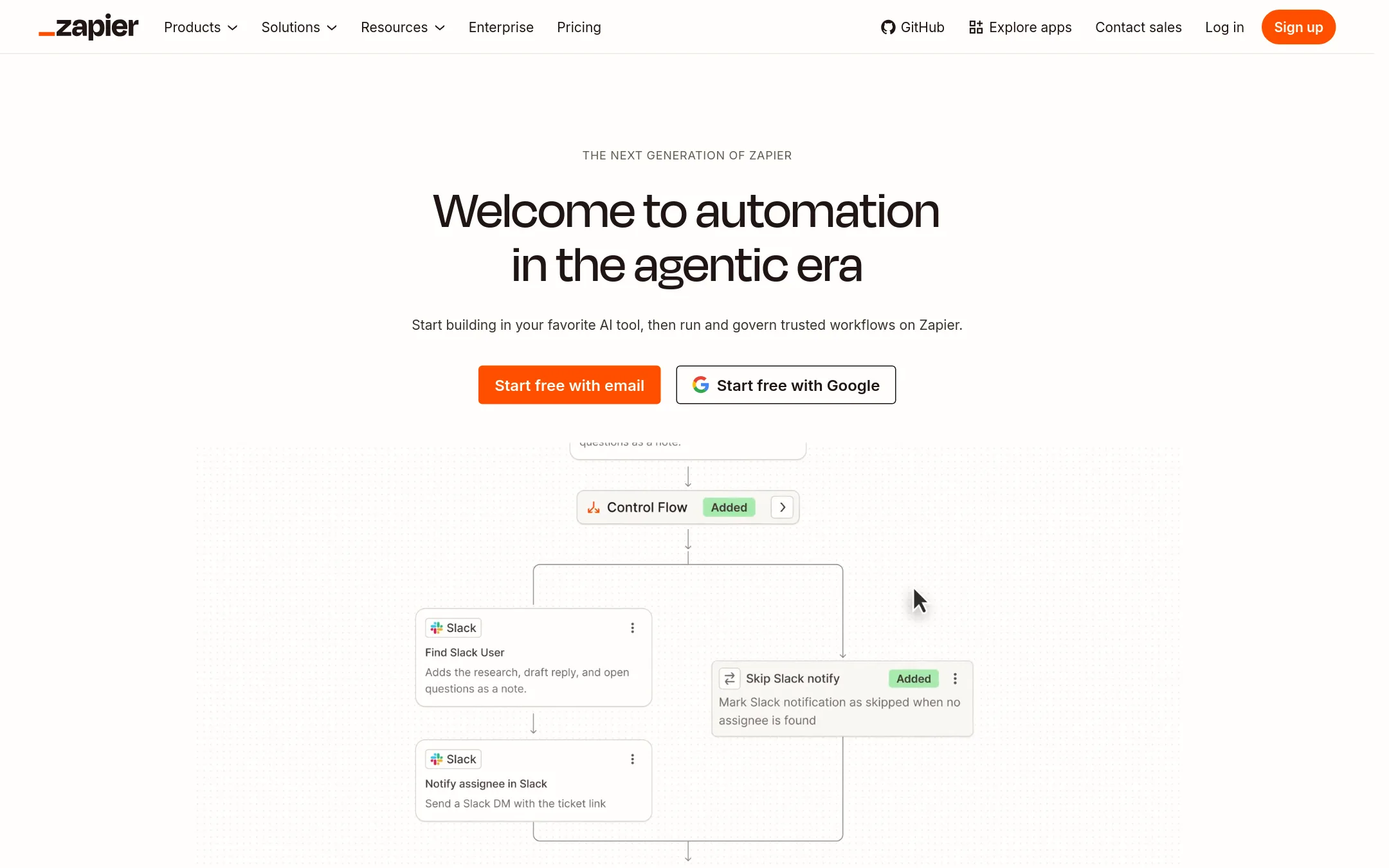
Zapier is a general-purpose automation platform that connects thousands of apps, while Reform is purpose-built for logistics workflows like customs and freight. Choose Zapier if you need broad app integrations and are comfortable building your own automations, rather than a logistics-specific solution.
Where it is strong
- Connects to 9,000+ apps, far more than Reform's logistics-focused integrations.
- Offers a free plan with 100 tasks per month, so you can test without paying.
- Supports deterministic workflows and AI agents, giving you flexibility in how you automate.
Where it falls short
- Not built for logistics-specific workflows like customs declarations or freight forwarding.
- Task-based pricing can get expensive at scale compared to Reform's flat plans.
- Pricing:
- Pricing is not published on the site. Plans start with a Free tier (100 tasks/month) and scale to Professional, Team, and Enterprise with custom pricing.
- Not published
4.Make
Best for: Teams that want a flexible, visual workflow builder with thousands of app integrations and no need to replace existing systems.
- Pricing
- Not published
- Category
- Productivity & Project Management
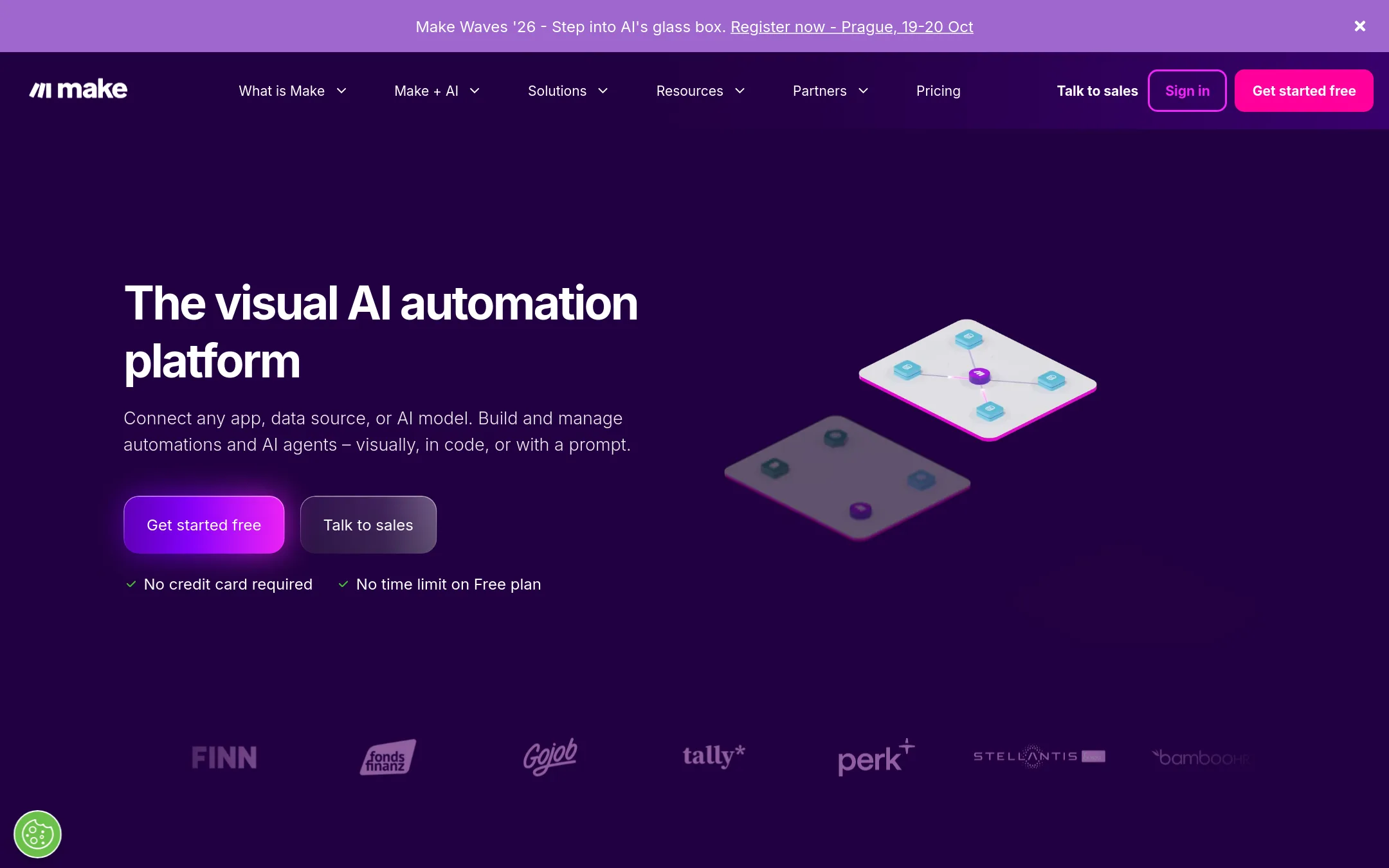
Make is a visual automation platform where you connect apps and build workflows by dragging, dropping, or prompting. Choose it over Reform when you need a general-purpose tool for automating across many different business functions, not just logistics-specific processes.
Where it is strong
- Visual drag-and-drop builder with no coding required
- 3,500+ app integrations out of the box
- Free plan with no credit card required
Where it falls short
- Not tailored to logistics or customs workflows like Reform
- Credit-based pricing can be complex to estimate
- Pricing:
- Pricing is not published on the site.
- Not published
5.n8n
Best for: Technical teams that want a flexible, self-hostable automation platform for AI agents and workflows across many business areas, not just logistics.
- Pricing
- Not published
- Category
- AI & Machine Learning
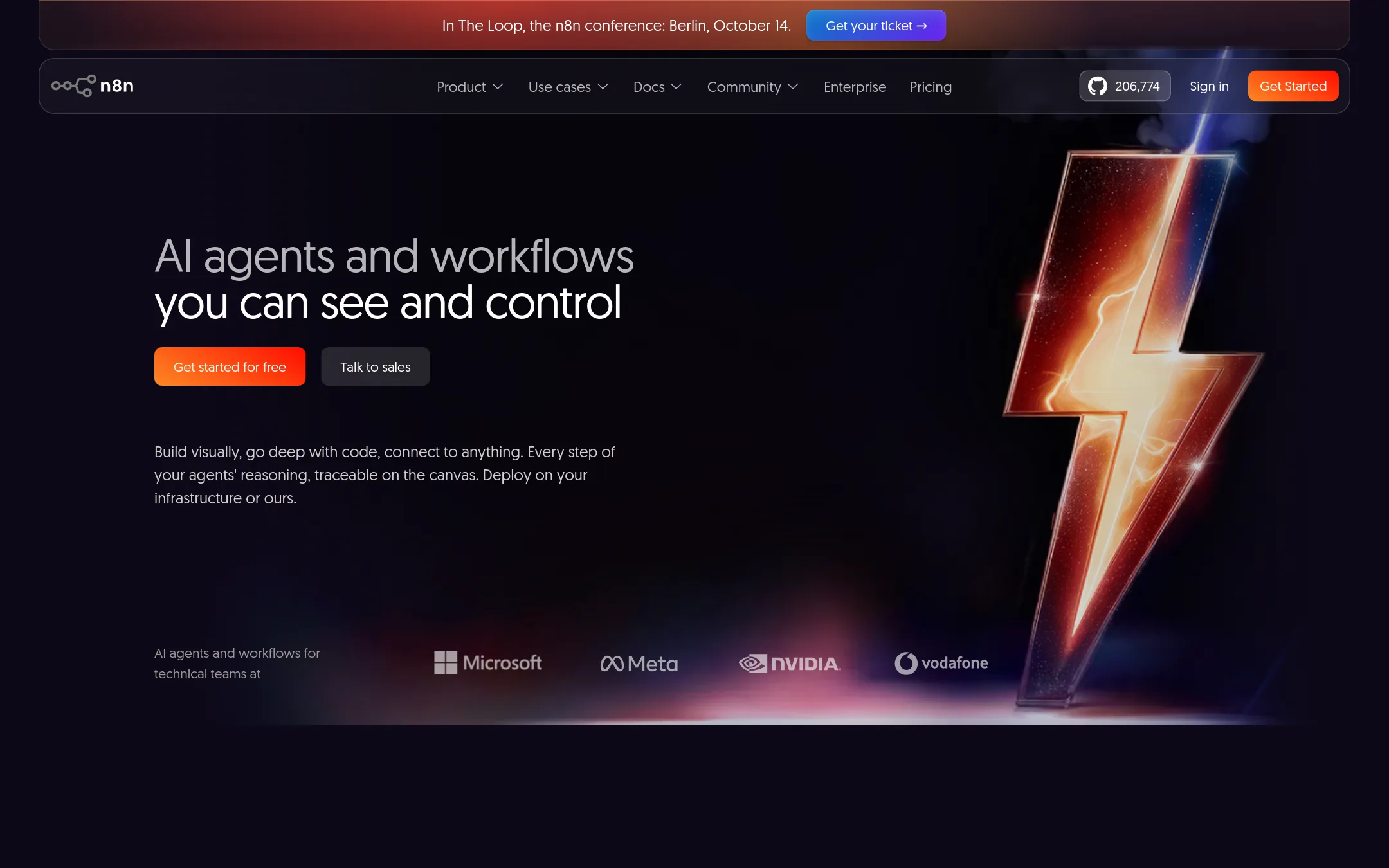
n8n is a general-purpose workflow automation platform that lets you build AI agents and automate processes across many tools. Choose it over Reform when you need broad, code-friendly automation beyond logistics-specific workflows, or when you want full control over self-hosting and detailed workflow visibility.
Where it is strong
- Visual workflow builder with code steps in JavaScript or Python
- Self-hostable with source code on GitHub
- Human-in-the-loop approvals and detailed execution logs
Where it falls short
- No logistics-specific templates or customs/AP automation out of the box
- Pricing not transparent. Enterprise features may require a sales conversation
- Pricing:
- Pricing is not published on the site. Plans are listed as Starter, Pro, Business, and Enterprise with features but no prices.
- Switching from Reform:
- Moving from Reform to n8n means rebuilding logistics workflows from scratch, as n8n lacks pre-built logistics templates and integrations.
- Not published
6.Airtable Automations
Best for: Teams that want a flexible, no-code platform to automate a wide range of business processes, not just logistics-specific workflows.
- Pricing
- Not published
- Category
- Productivity & Project Management
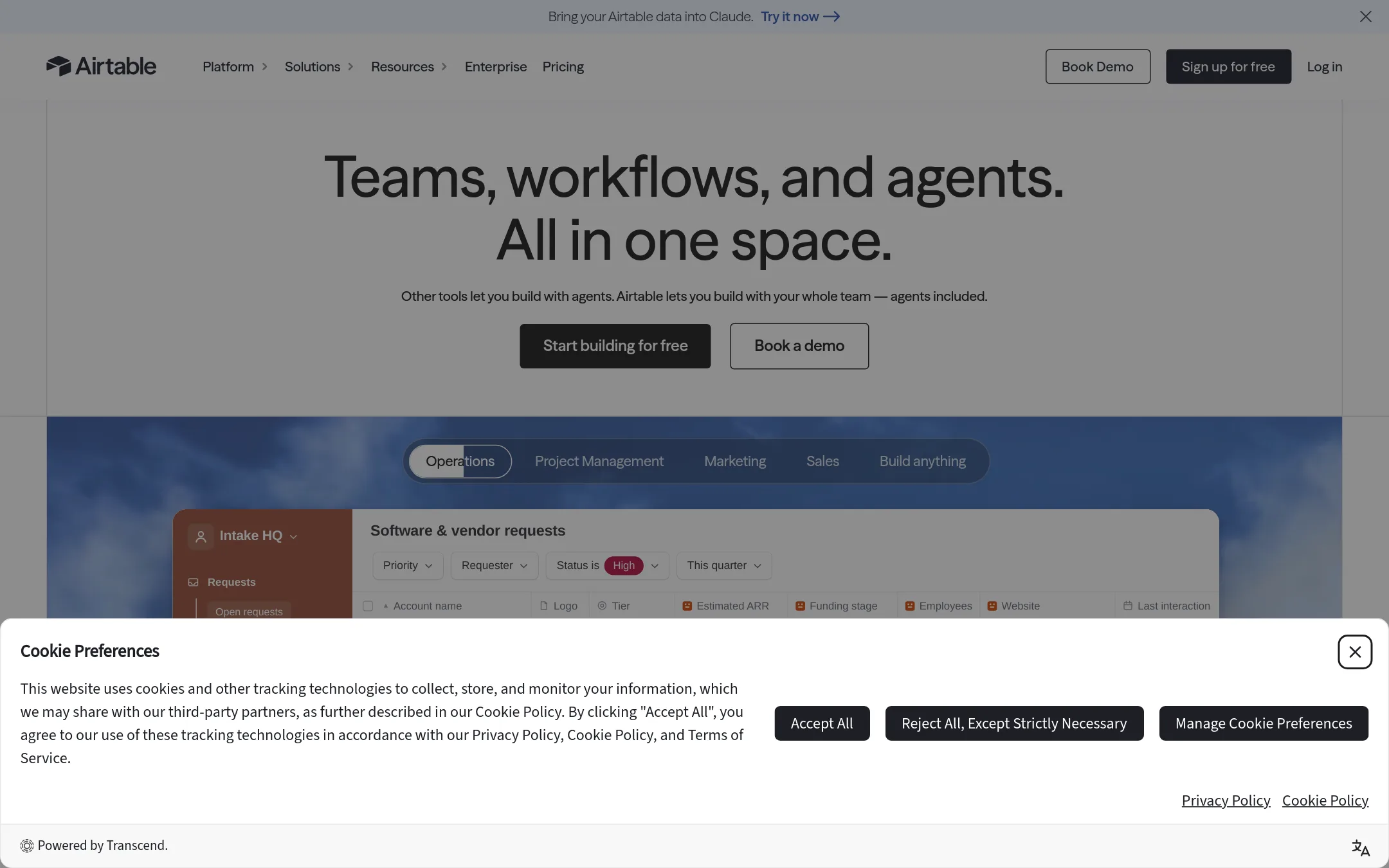
Airtable Automations is a general-purpose no-code platform for building custom apps and automating workflows across any team. Choose it instead of Reform if you need broad flexibility beyond logistics and don't require deep, pre-built integrations with TMS or customs systems.
Where it is strong
- Build custom apps and automations without code.
- Wide range of use cases beyond logistics.
- AI agents can orchestrate actions across records.
Where it falls short
- No pre-built logistics or customs templates.
- May require more setup for high-stakes operational workflows.
- Pricing:
- Pricing is not published on the site.
- NFree, then $10/1k cred
7.Notion AI
Best for: Teams already using Notion who want AI agents and automation across their entire workspace, not just logistics.
- Pricing
- Free, then $10/1k cred
- Category
- Other
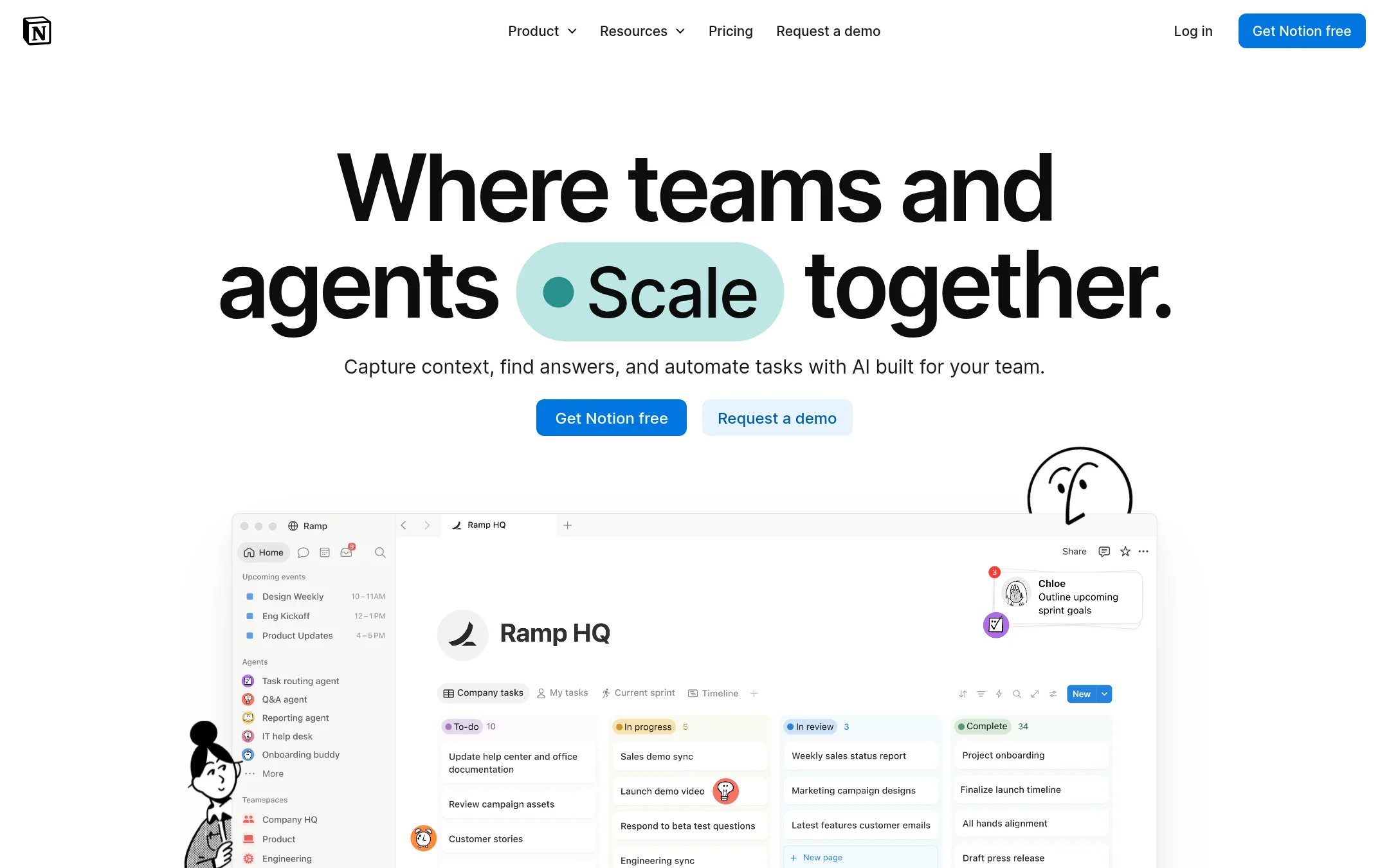
Notion AI is a general-purpose AI workspace that adds agents and automation to your existing Notion setup. Choose it over Reform if your work spans many functions and you want AI assistance embedded in documents, databases, and project management, rather than specialized logistics automation.
Where it is strong
- AI agents can handle multi-step tasks using context from Notion and connected apps.
- Works across many use cases: docs, databases, meeting notes, and search.
- Trusted by large companies, with 62% of the Fortune 100 using Notion.
Where it falls short
- Not specialized for logistics or customs workflows like Reform is.
- Custom Agents require purchasing additional credits beyond the base plan.
- Pricing:
- In the United States, Notion AI is free to try, then $10 per 1,000 monthly credits. The base plans start at Free, Plus, Business, and Enterprise with additional features at each tier.
- Custom quote
8.UiPath
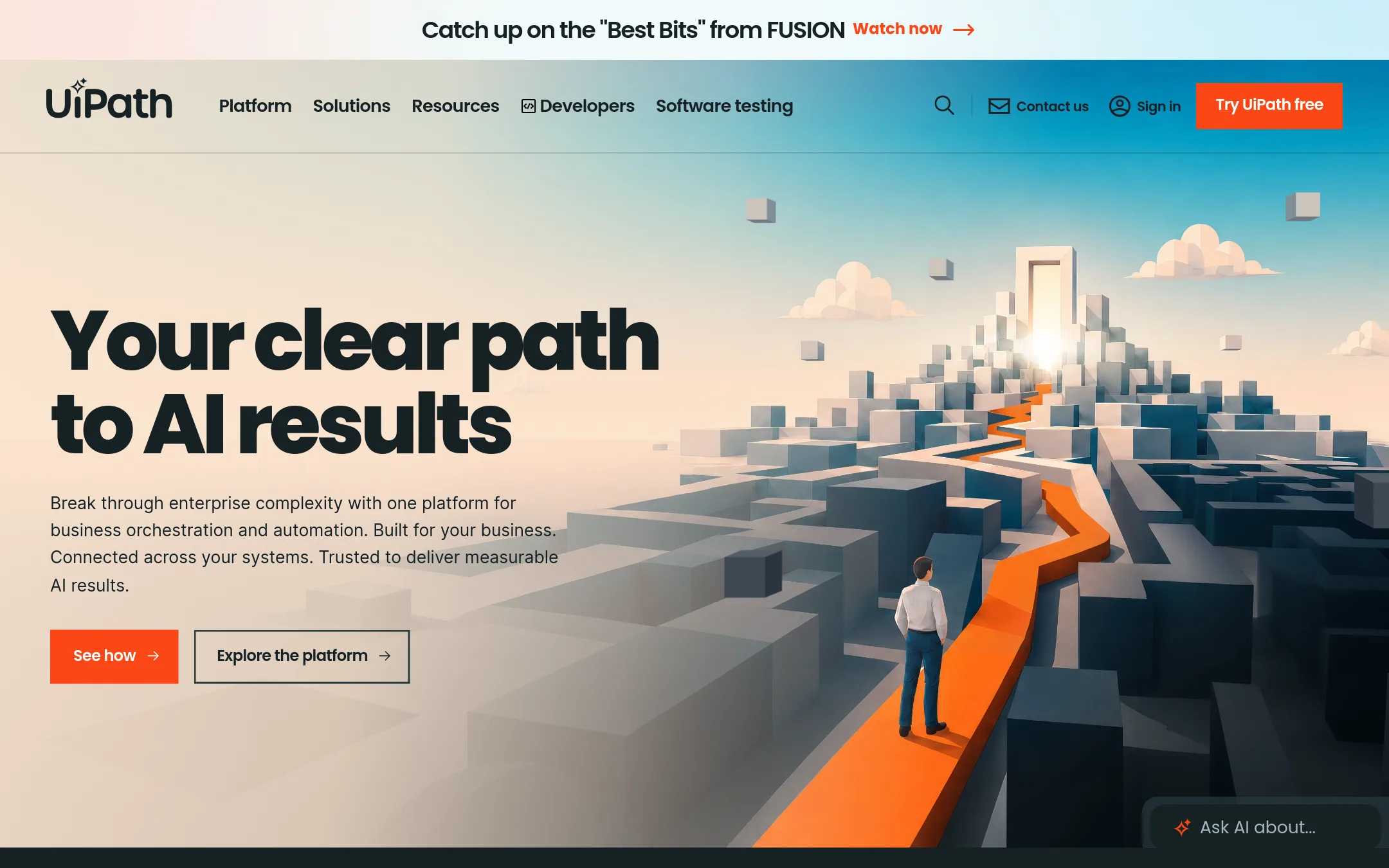
Best for: Large enterprises in banking, healthcare, or manufacturing that need to orchestrate AI agents and robots across many departments and systems.
- Pricing
- Custom quote
- Category
- Productivity & Project Management
UiPath is a broad enterprise automation platform that coordinates AI agents, robots, and people across many industries, not just logistics. You would choose it over Reform if you need a general-purpose orchestration layer for complex processes like loan origination or healthcare claims, with strong governance and audit trails.
Where it is strong
- Orchestrates agents, robots, and people in one platform.
- Strong governance and audit trail for every action.
- Industry-specific solutions for banking, healthcare, and more.
Where it falls short
- Pricing is not transparent. Likely enterprise-scale cost.
- Not specialized for logistics or customs workflows like Reform.
- Pricing:
- Pricing is not published on the site. Plans are listed as Community, Basic, Standard, and Enterprise, with add-ons like Performance Testing at $20K per 2,500 VUs.
- Switching from Reform:
- Moving from Reform means rebuilding your logistics-specific automations on UiPath's general platform, which may require more setup for freight forwarding processes.
- Custom quote
9.Automation Anywhere
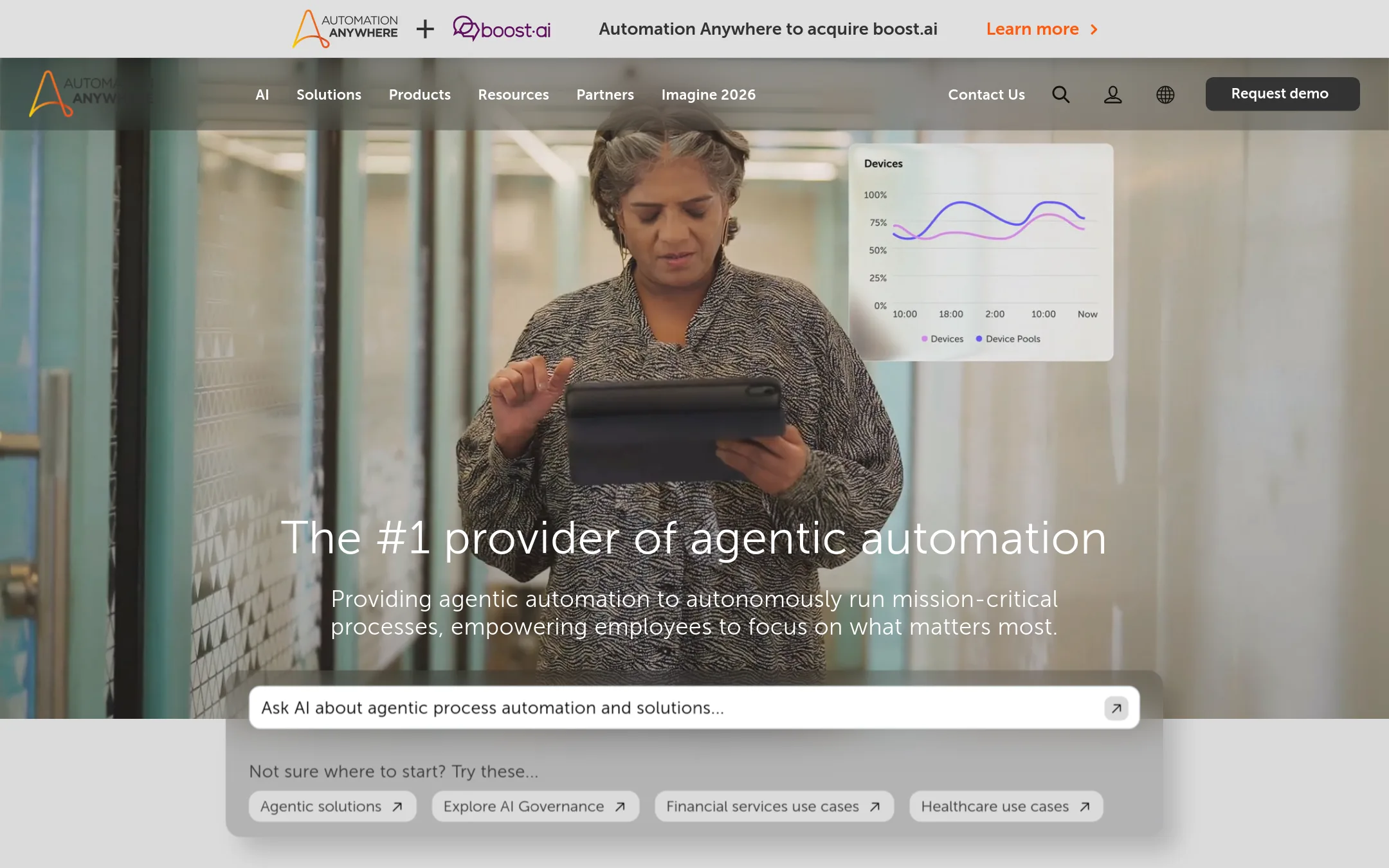
Best for: Large enterprises that need a general-purpose agentic automation platform across multiple business functions, not just logistics.
- Pricing
- Custom quote
- Category
- Productivity & Project Management
Automation Anywhere is a broad enterprise automation platform that combines RPA, AI, and agent orchestration. You would choose it over Reform if you need to automate processes across many departments beyond logistics, such as IT service desk or healthcare, and you want a mature, enterprise-grade system with strong governance and compliance.
Where it is strong
- Supports a wide range of industries and use cases, not limited to logistics.
- Strong compliance and security certifications (SOC 2, HIPAA, ISO).
- Includes pre-built solutions for banking, healthcare, and IT service desk.
Where it falls short
- No published pricing, likely requires a sales engagement.
- May be overkill if you only need logistics-specific workflow automation.
- Pricing:
- Pricing is not published on the site.
- Custom quote
10.Workato
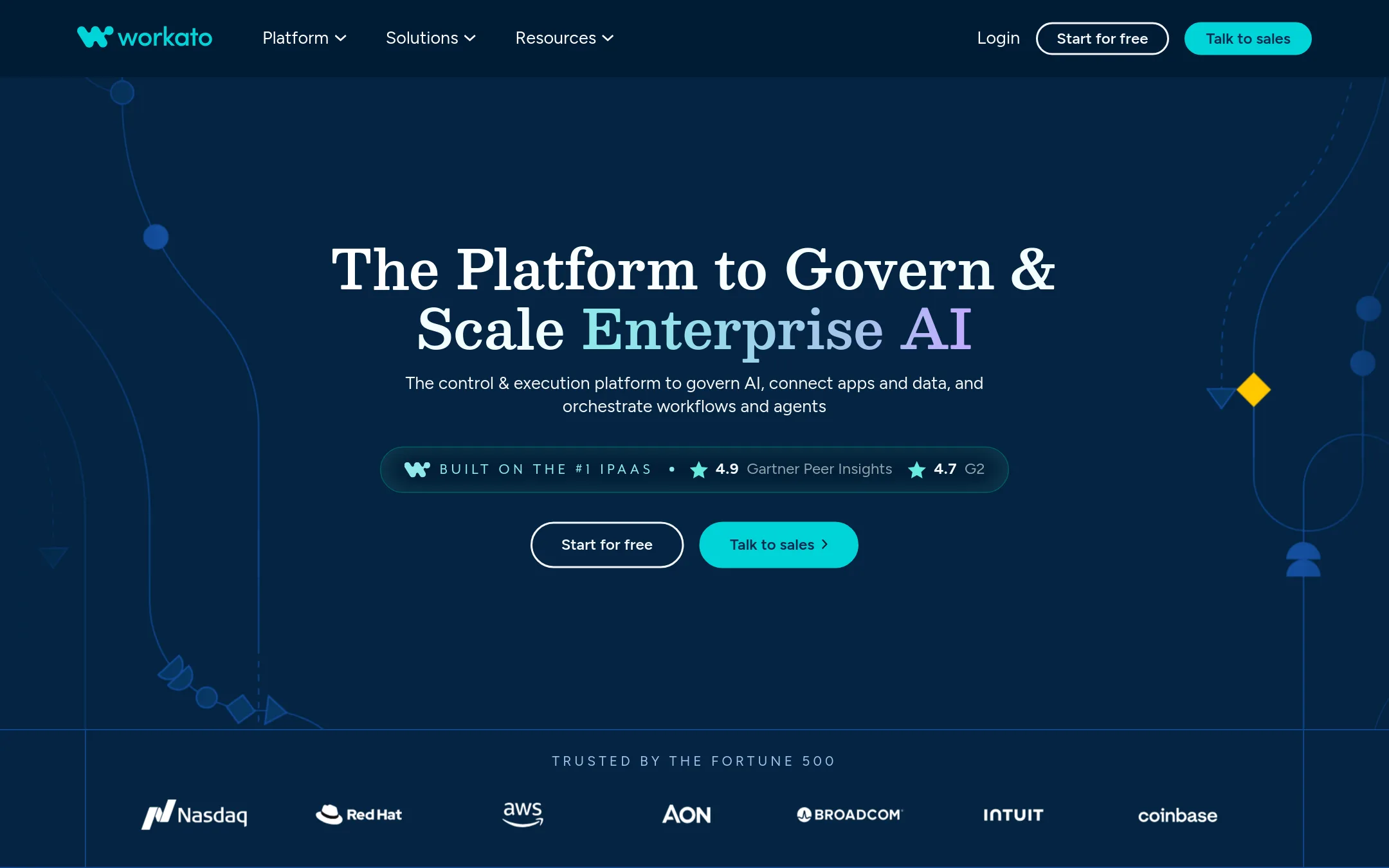
Best for: Large enterprises that need to orchestrate AI agents and automate processes across many systems with centralized governance.
- Pricing
- Custom quote
- Category
- AI & Machine Learning
Workato is a broad enterprise automation platform that connects thousands of apps and orchestrates AI agents, workflows, and data. Choose it over Reform if you need a general-purpose iPaaS with heavy governance and multi-agent orchestration, rather than a logistics-specific workflow tool.
Where it is strong
- Connects to 17,000+ apps and APIs out of the box
- Strong governance for AI agents, models, and MCP interactions
- Multiple editions from Standard to Workato ONE for scaling needs
Where it falls short
- Pricing is not transparent and likely enterprise-level
- Not tailored to logistics or customs workflows like Reform is
- Pricing:
- Pricing is not published on the site. Plans are Standard, Business MCP, Enterprise MCP, and Workato ONE, with consumption-based usage and custom contracts.
- TFrom $50/mo
11.Tray.ai
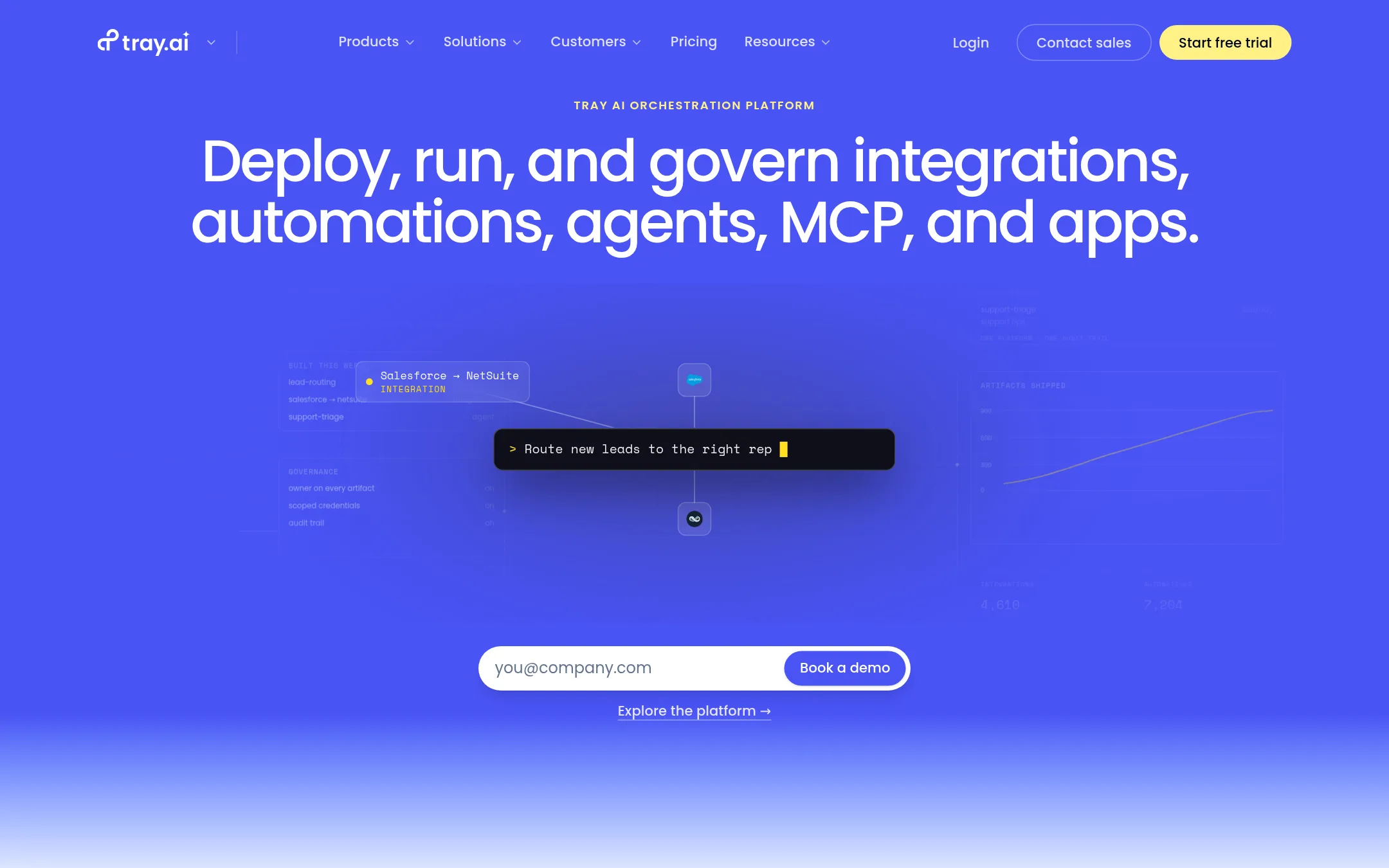
Best for: Enterprises that need to orchestrate integrations, automations, and AI agents across many systems with governance and MCP support.
- Pricing
- From $50/mo
- Category
- Other
Tray.ai is an enterprise iPaaS for building and governing integrations, automations, and AI agents across 700+ connectors. You would choose it over Reform when you need a general-purpose orchestration platform with MCP governance and broad app connectivity, rather than logistics-specific workflow automation.
Where it is strong
- 700+ connectors for broad integration
- Built-in MCP governance and agent builder
- SOC 2, HIPAA, GDPR compliance
Where it falls short
- Pricing is usage-based, so costs can scale unpredictably
- Not specialized for logistics or customs workflows
- Pricing:
- Pricing starts at $50 a month, with usage-based Tasks and Helix Compute Units. Pro, Team, and Enterprise plans are available.
- Custom quote
12.Kissflow Procurement
Best for: Teams that want to build custom enterprise apps and automate workflows across multiple departments, without needing logistics-specific AI agents.
- Pricing
- Custom quote
- Category
- Productivity & Project Management
Kissflow is a low-code platform for building custom enterprise apps and automating workflows across many industries, not just logistics. Choose it over Reform if you need to create a variety of business applications yourself, without deep AI agent configuration or a logistics-specific focus.
Where it is strong
- Build custom apps with low-code or no-code, quickly.
- Includes governance, security, and audit trails.
- No surcharges for AI or API usage.
Where it falls short
- Not tailored to logistics or customs workflows like Reform.
- Requires more self-building effort compared to Reform's pre-built agents.
- Pricing:
- Pricing is not published on the site. It is based on custom quotes with fixed annual agreements.
See more comparisons in Productivity & Project Management alternatives.
FAQ
Questions about Reform alternatives
What is the main difference between Reform and general-purpose automation tools like Zapier or Make?
Reform is purpose-built for logistics workflows such as customs declarations and freight forwarding, with pre-built templates and deep integrations. Zapier and Make are general-purpose platforms that connect thousands of apps but require you to build your own logistics-specific automations.
Which alternative is best for a small team with a limited budget?
Zapier offers a free tier with 100 tasks per month, and Make has a free plan with no credit card required. Lindy also starts with $50 in free credits for 7 days. These are good options if you need to automate without a large upfront cost.
Are there alternatives that offer self-hosting or more control over the platform?
n8n is self-hostable with source code on GitHub, giving you full control over the environment. It also supports code steps in JavaScript or Python, which is useful for technical teams. This is not available with Reform or most other alternatives.
Which tools are best for large enterprises with complex governance needs?
Workato and UiPath are designed for large enterprises, with strong governance, audit trails, and multi-agent orchestration. Automation Anywhere also offers compliance certifications like SOC 2 and HIPAA. These are better suited for enterprises that need centralized control across many departments.
Do any alternatives have transparent pricing?
Most alternatives do not publish pricing on their sites, including Zapier, Make, n8n, Workato, and UiPath. Tray.ai starts at $50 a month, Lindy has plans from $29.99 per month, and Notion AI charges $10 per 1,000 credits. Reform's pricing is flexible but not fully transparent either.
Last updated November 4, 2026.