Scoop alternatives
12 products compared · Updated November 4, 2026
The short answer
The strongest alternatives to Scoop are Asana, Trello, and Monday.com. Asana suits teams needing a flexible project and task management tool with AI assistance. Trello is best for teams that want a simple, visual way to manage projects. Monday.com is ideal for teams that need a flexible workspace with built-in AI agents for routine operational work.
Your shortlist, at a glance
Read the comparisons ↓ NotionFree. Plus $10/seat/moTeams that want a single place for docs, wikis, and project tracking without industry-specific automation.
JiraNot publishedSoftware and IT teams that need flexible issue tracking and agile project management
 SlackNot publishedTeams of any size that need real-time chat, file sharing, and workflow automation across departments.
- AAsanaFree / $13.49+/moTeams of any size that need a flexible project and task management tool with AI assistance and integrations.
TrelloFree / $6+/user/moTeams of any size that want a simple, visual way to manage projects and to-dos, from marketing to software development.
 BasecampFrom $29/moSmall teams and freelancers who want a simple, organized hub for client projects and internal communication.
ClickUpNot publishedTeams that want to consolidate project management, docs, chat, and AI into a single workspace
Monday.comFrom $9/seat/moTeams that want a flexible project tracking and automation workspace with built-in AI agents for routine operational work.
Microsoft Azure CycleCloudUsage-basedResearch teams and enterprises running HPC workloads on Azure that need cluster management and scaling.
- RRecordBookNot publishedSmall and medium businesses that want a lightweight, mobile-first database tool for everyday record keeping.
 Airtable AutomationsNot publishedTeams that need flexible, no-code workflow automation and app building across marketing, operations, or product, rather than regulatory submissions.
 NiniteNot publishedIT admins or power users on Windows who want to batch-install and auto-update common apps like Chrome, Slack, and VLC.
About Scoop and its alternatives
Scoop is an AI platform that automates regulatory submissions for life sciences, speeding up drug trials with fast, accurate filings. It is known for its focus on regulatory compliance and the drug development process.
When comparing alternatives, weigh the pricing structure, including free tiers and per-user costs. Consider whether the tool supports your region and integrates with your existing stack. Check the level of support and whether contract terms fit your team size and budget.
Explore the alternatives
- Free. Plus $10/seat/mo
1.Notion
Best for: Teams that want a single place for docs, wikis, and project tracking without industry-specific automation.
- Pricing
- Free. Plus $10/seat/mo
- Category
- Productivity & Project Management
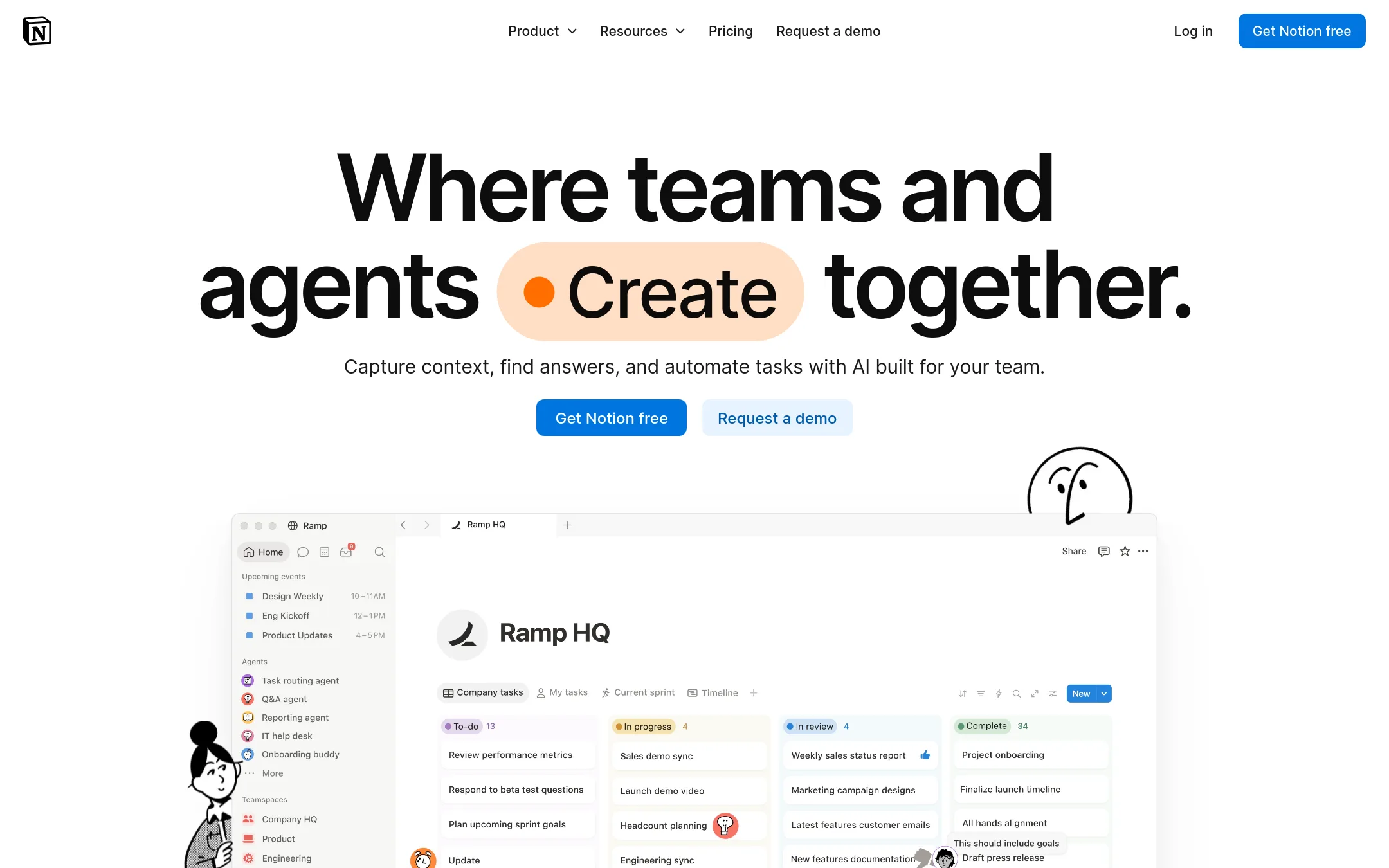
Notion is a flexible workspace for notes, docs, wikis, and project tracking. It is a general-purpose tool, not built for regulatory submissions. Choose Notion instead of Scoop if your team needs a shared knowledge base and project management, not automated life sciences filings.
Where it is strong
- Free plan for individuals
- Business plan includes AI features
- Used by 62% of Fortune 100
Where it falls short
- No built-in regulatory submission templates
- AI features may require paid plan
- Pricing:
- In the United States, Free for individuals, Plus starts at $10 per seat per month, Business at $20 per seat per month, Enterprise is custom. Custom Agents cost $10 per 1,000 monthly credits.
- Not published
2.Jira
Best for: Software and IT teams that need flexible issue tracking and agile project management
- Pricing
- Not published
- Category
- Productivity & Project Management
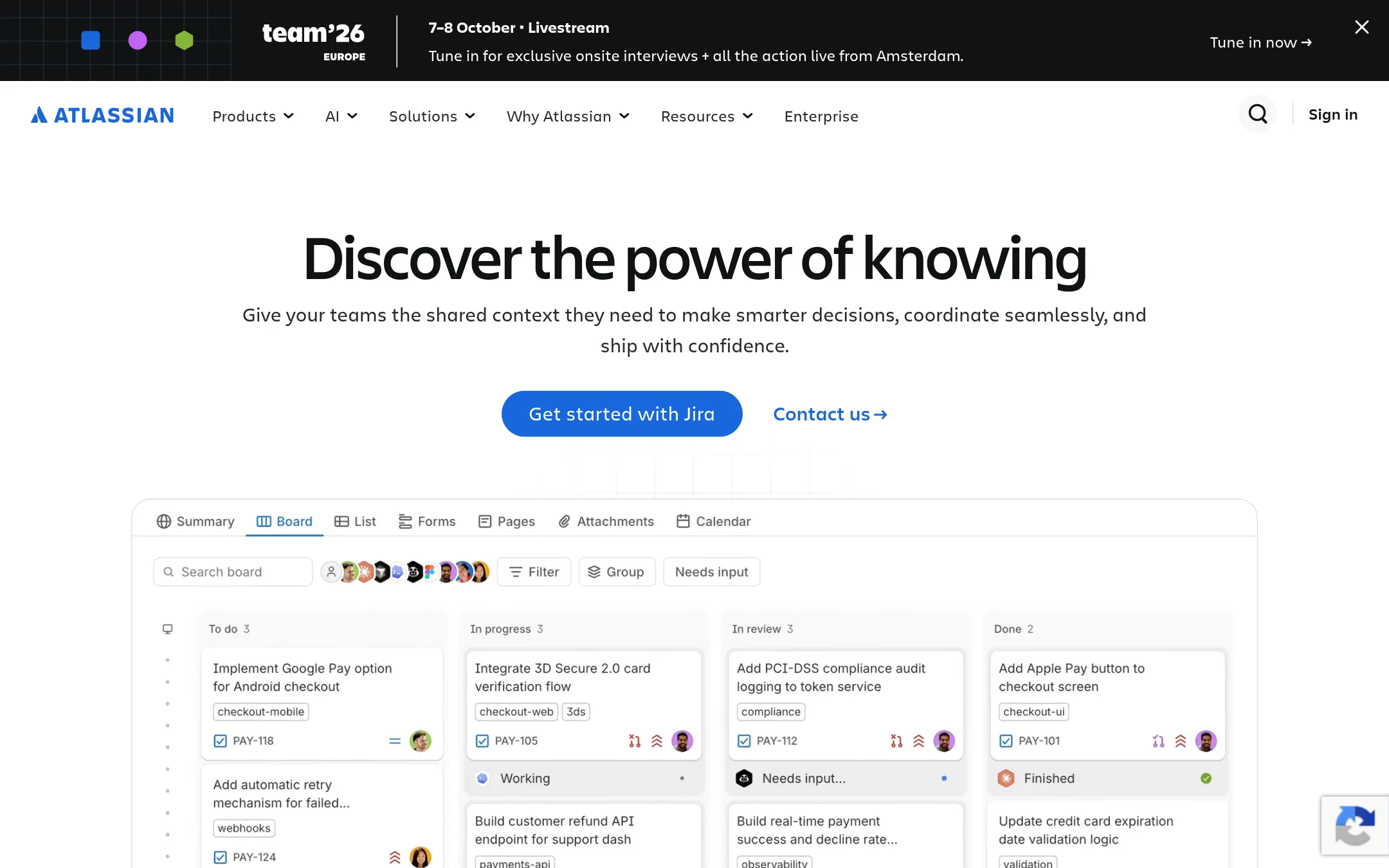
Jira is a general project management tool for software, IT, and business teams. Scoop is an AI platform for regulatory submissions in life sciences. You would choose Jira when you need to track tasks, sprints, and workflows across a team, not for automating drug trial filings.
Where it is strong
- Widely adopted with a large ecosystem of plugins
- Flexible workflows for agile, scrum, and kanban
- Strong integration with other Atlassian products
Where it falls short
- Not built for life sciences regulatory work
- Can become complex to configure for simple needs
- Pricing:
- Pricing is not published on the site.
- Not published
3.Slack
Best for: Teams of any size that need real-time chat, file sharing, and workflow automation across departments.
- Pricing
- Not published
- Category
- Communication & Collaboration
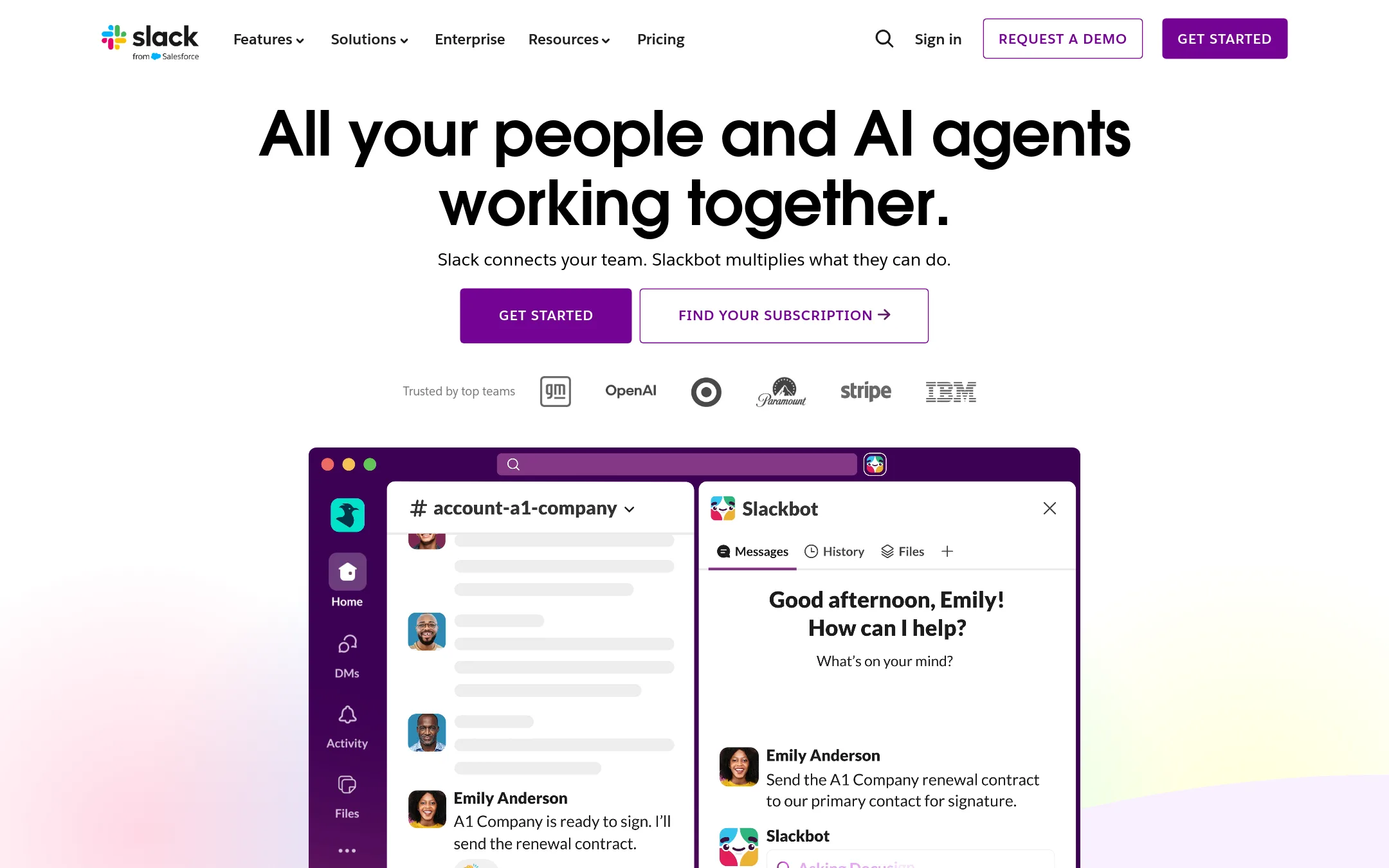
Slack is a team communication and collaboration platform, not a regulatory submission tool. You would choose Slack instead of Scoop if you need general workplace messaging, project coordination, and automation, rather than life sciences regulatory filings.
Where it is strong
- Widely adopted with a familiar interface
- Supports integrations and automation via Workflow Builder
- Includes AI features like summaries and translations
Where it falls short
- Not designed for regulatory submissions
- No specialized life sciences compliance features
- Pricing:
- Pricing is not published on the site.
- AFree / $13.49+/mo
4.Asana
Best for: Teams of any size that need a flexible project and task management tool with AI assistance and integrations.
- Pricing
- Free / $13.49+/mo
- Category
- Productivity & Project Management
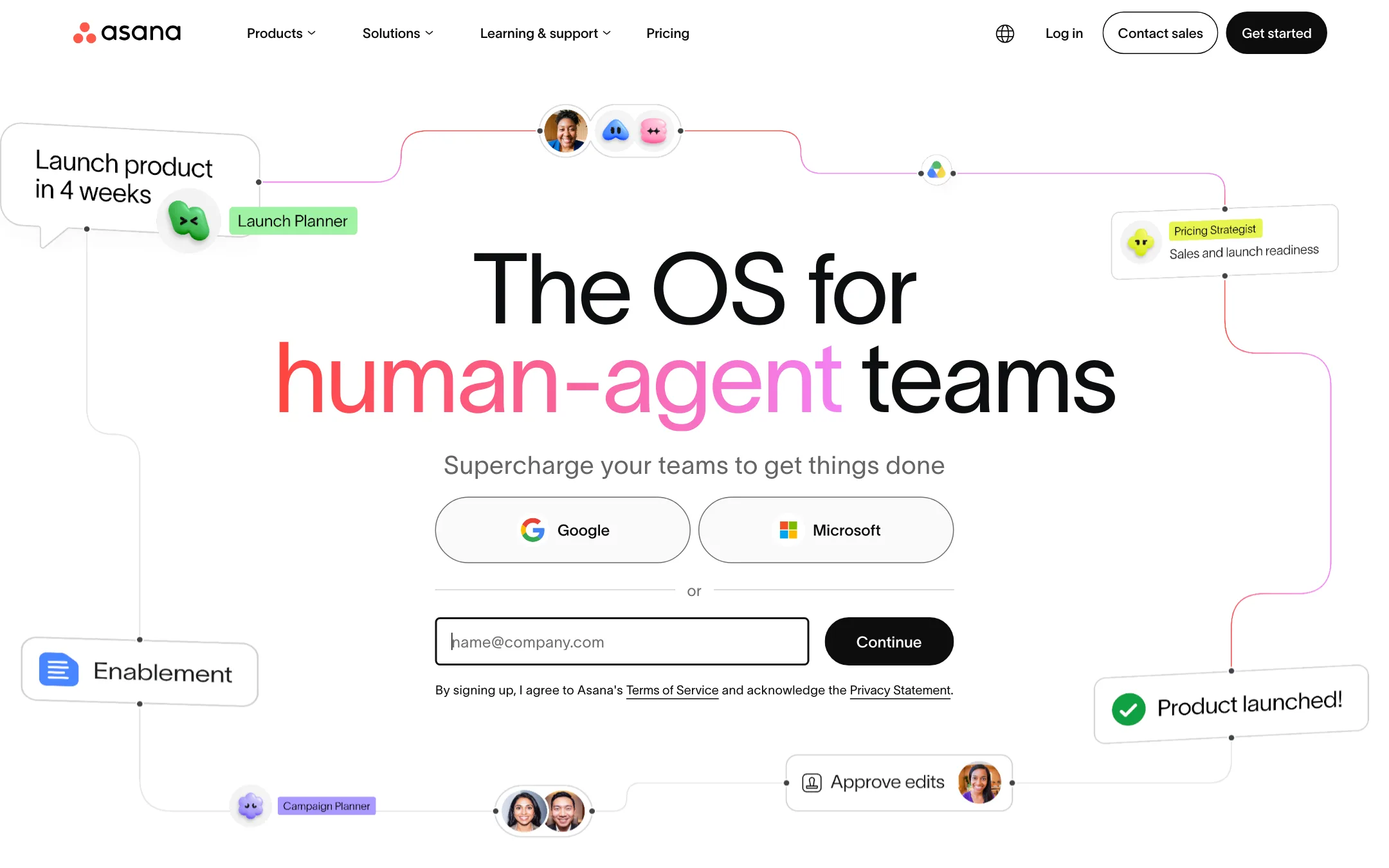
Asana is a general work management platform for planning, tracking, and automating projects and tasks across teams. You would choose it instead of Scoop if you need a broad project management tool for everyday team coordination, not specialized regulatory filing for life sciences.
Where it is strong
- Free plan supports unlimited tasks and projects for up to 2 users.
- AI Teammates and AI Studio are included in paid plans.
- 100+ integrations with tools like Slack, Google Workspace, and Microsoft 365.
Where it falls short
- Not designed for life sciences regulatory submissions.
- Advanced features like goals and portfolios require the Advanced plan.
- Pricing:
- Free for up to 2 users. Starter is $13.49 per user per month billed annually. Advanced is $30.49 per user per month billed annually. Enterprise is custom.
- Free / $6+/user/mo
5.Trello
Best for: Teams of any size that want a simple, visual way to manage projects and to-dos, from marketing to software development.
- Pricing
- Free / $6+/user/mo
- Category
- Productivity & Project Management
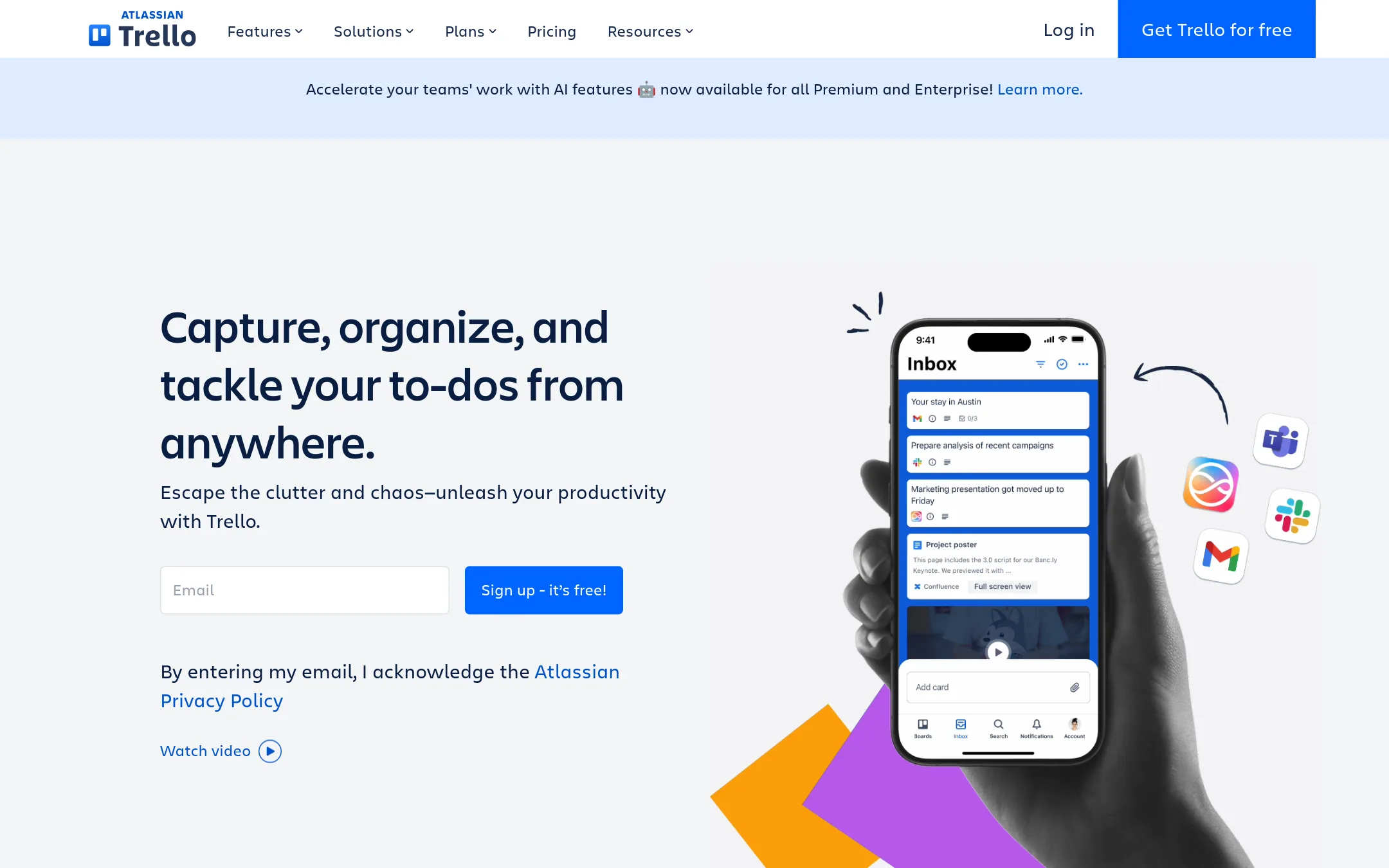
Trello is a visual project management tool for organizing tasks on boards, cards, and lists. You would choose it instead of Scoop if you need a general-purpose task tracker for any kind of team work, not specifically regulatory submissions for life sciences.
Where it is strong
- Free plan supports up to 10 collaborators and unlimited cards.
- Over 200+ integrations with tools like Slack, Google Drive, and Salesforce.
- Built-in automation and AI features on paid plans to reduce manual work.
Where it falls short
- Not designed for regulatory submissions or life sciences workflows.
- Advanced features like views and admin controls require Premium or Enterprise plans.
- Pricing:
- Free for up to 10 collaborators. Standard is $6 per user/month (billed annually), Premium is $12.50 per user/month (billed annually), Enterprise is $210.00 annual price per user.
- From $29/mo
6.Basecamp
Best for: Small teams and freelancers who want a simple, organized hub for client projects and internal communication.
- Pricing
- From $29/mo
- Category
- Productivity & Project Management
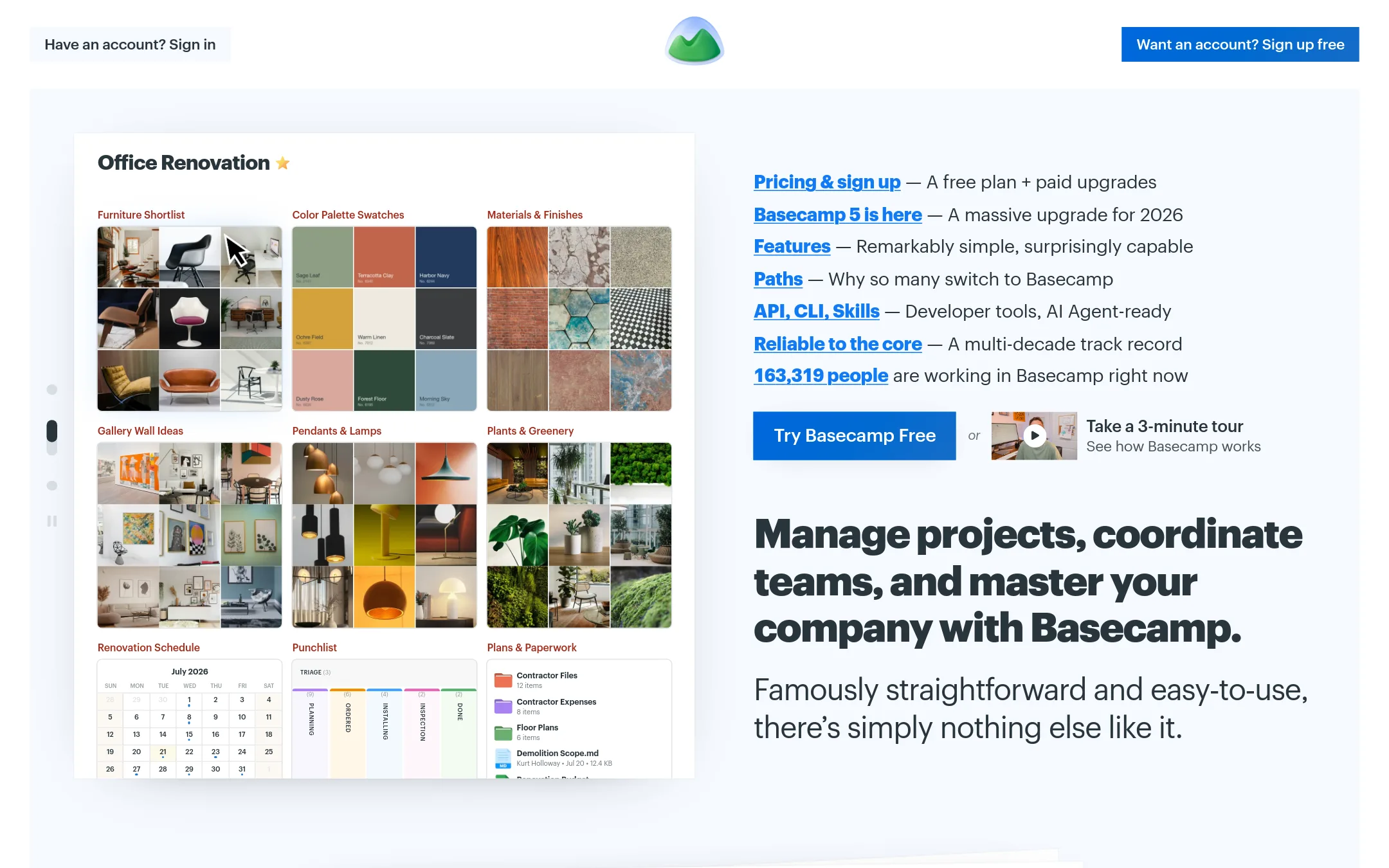
Basecamp is a project management and team communication tool that centralizes projects, messages, files, and to-dos in one place. Choose it instead of Scoop if you need a straightforward way to run client work or internal projects and want to avoid the complexity of regulatory submission software.
Where it is strong
- Flat pricing per plan, no per-user fees
- Free plan available for up to 1 project and 3 users
- Includes message boards, to-dos, file storage, and chat in one place
Where it falls short
- Project limits on lower tiers (3, 8, or 12 active projects)
- No regulatory submission features for life sciences
- Pricing:
- Basecamp pricing starts at $29 per month for the Freelancer plan (3 projects, 5 users), $79 per month for Pro (8 projects, 10 users), $99 per month for Pro Plus (12 projects, 15 users), and $199 per month billed annually for Pro Unlimited (unlimited projects a
- Not published
7.ClickUp
Best for: Teams that want to consolidate project management, docs, chat, and AI into a single workspace
- Pricing
- Not published
- Category
- Productivity & Project Management
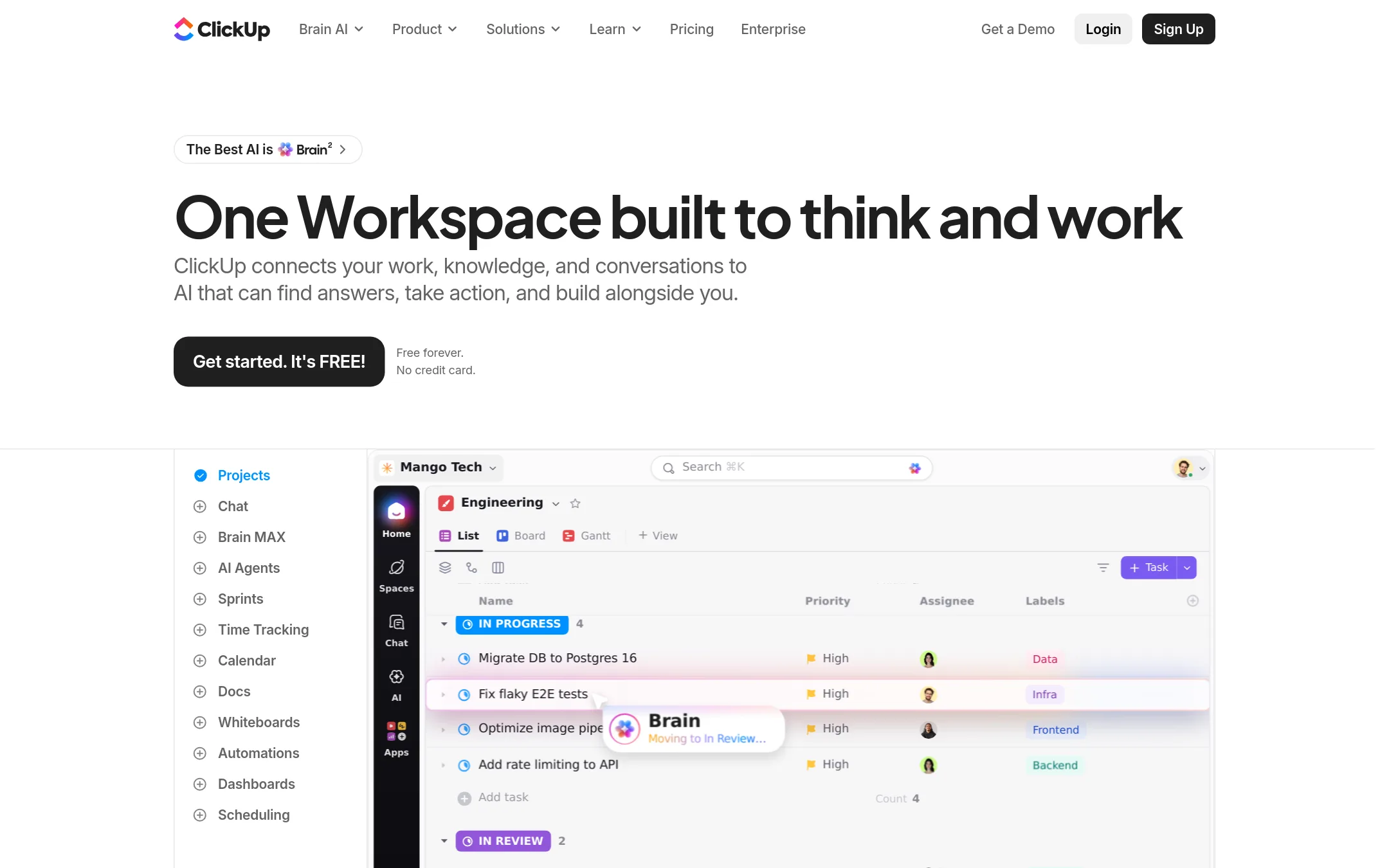
ClickUp is a project management and productivity platform that combines tasks, docs, chat, whiteboards, and AI agents in one workspace. You would choose it instead of Scoop if you need a general-purpose tool for team collaboration and workflow management, not a specialized regulatory submission system for life sciences.
Where it is strong
- Free forever plan with no credit card required
- Includes 20+ tools like docs, whiteboards, sprints, and chat
- AI features (Brain²) are included in every plan with monthly credits
Where it falls short
- No pricing listed, so cost is unclear
- Not designed for regulatory or life sciences workflows
- Pricing:
- Pricing is not published on the site. The page lists features per plan but no dollar amounts.
- From $9/seat/mo
8.Monday.com
Best for: Teams that want a flexible project tracking and automation workspace with built-in AI agents for routine operational work.
- Pricing
- From $9/seat/mo
- Category
- Productivity & Project Management
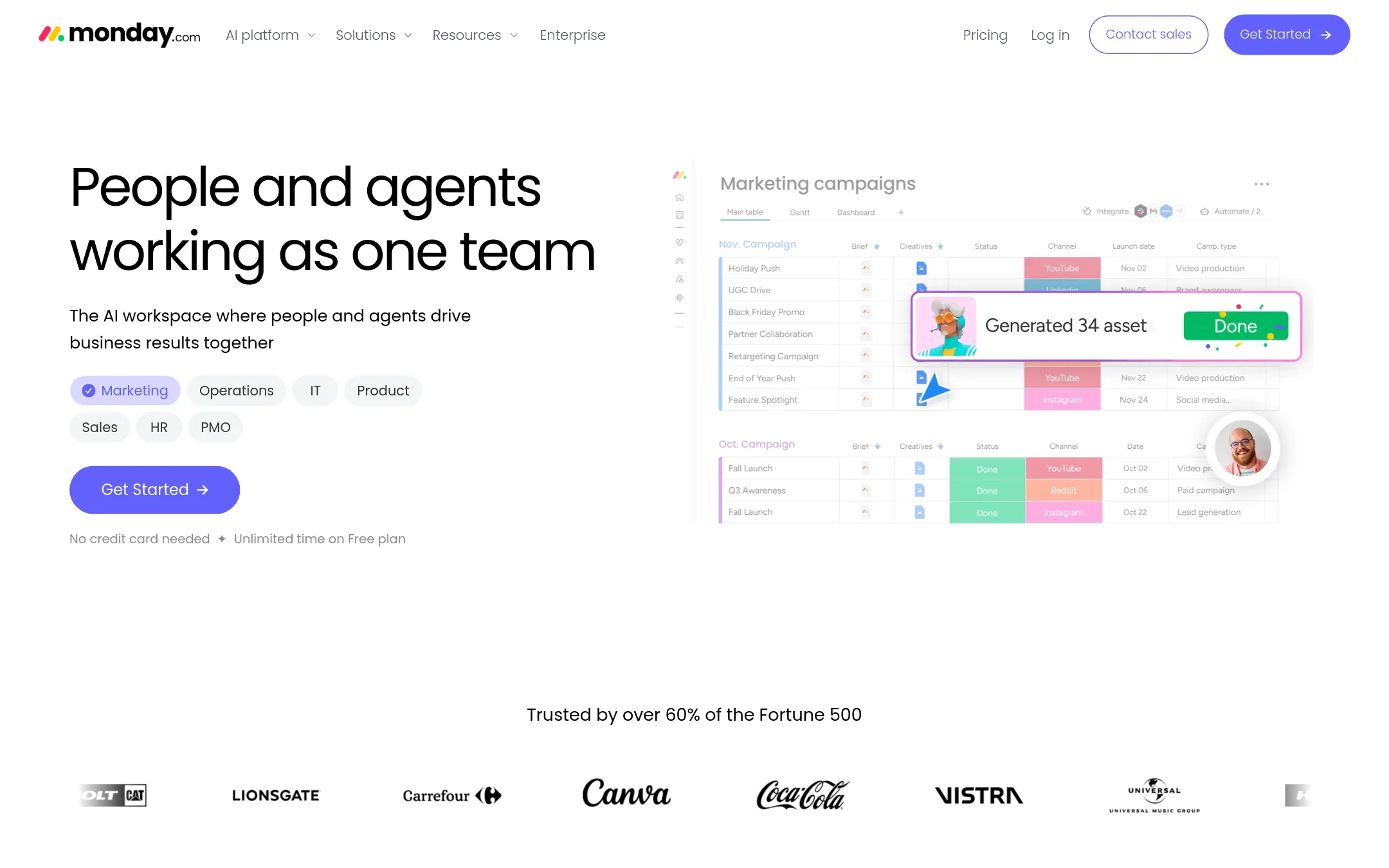
Monday.com is a general-purpose work and project management platform with AI agents for marketing, IT, sales, and HR tasks. You would choose it instead of Scoop if your team needs to organize and automate everyday business workflows, not regulatory submissions for life sciences.
Where it is strong
- Free tier supports up to 2 seats and 3 boards
- AI agents handle tasks like lead sourcing and meeting prep
- Enterprise plan offers custom pricing and discounts
Where it falls short
- Not designed for life sciences regulatory submissions
- AI features are limited on the Basic plan
- Pricing:
- Free plan for up to 2 seats. Paid plans start at $9 per seat per month billed annually, with AI credits included.
- Usage-based
9.Microsoft Azure CycleCloud
Best for: Research teams and enterprises running HPC workloads on Azure that need cluster management and scaling.
- Pricing
- Usage-based
- Category
- Developer Tools
Microsoft Azure CycleCloud is an HPC orchestration tool for managing and scaling compute clusters on Azure. Choose it over Scoop if your work is about running large-scale simulations or batch workloads, not regulatory submissions for life sciences.
Where it is strong
- Tight integration with Azure services and HPC hardware
- Supports a wide range of schedulers and cluster types
- Scales clusters automatically based on workload
Where it falls short
- Requires Azure expertise and setup
- No built-in regulatory submission features
- Pricing:
- Pricing is not published on the site. Azure charges per resource used, with options like free trial and consumption-based models.
- RNot published
10.RecordBook
Best for: Small and medium businesses that want a lightweight, mobile-first database tool for everyday record keeping.
- Pricing
- Not published
- Category
- Productivity & Project Management
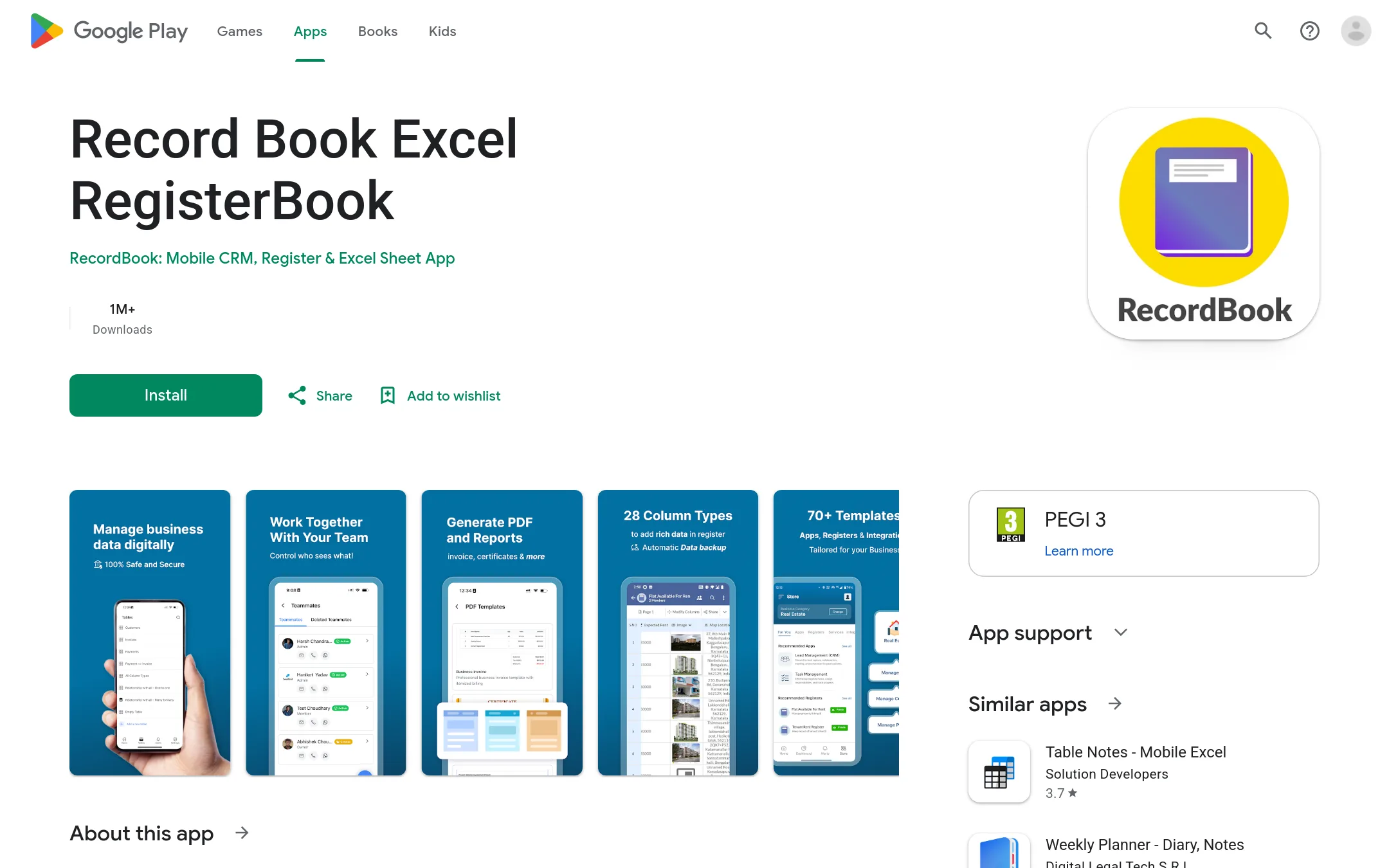
RecordBook is a mobile app that positions itself as an Airtable-like tool for small and medium businesses, helping them organize data without traditional spreadsheets. You would choose it over Scoop if you run an SMB and need a simple, on-the-go database solution, not regulatory filing automation.
Where it is strong
- Mobile-first design for on-the-go data management
- Aimed at SMBs, so it's likely simpler than enterprise tools
- Free to download from the Google Play Store
Where it falls short
- No pricing details, so cost is unclear
- Limited to Android platform, no web or iOS mention
- Pricing:
- Pricing is not published on the site.
- Not published
11.Airtable Automations
Best for: Teams that need flexible, no-code workflow automation and app building across marketing, operations, or product, rather than regulatory submissions.
- Pricing
- Not published
- Category
- Productivity & Project Management
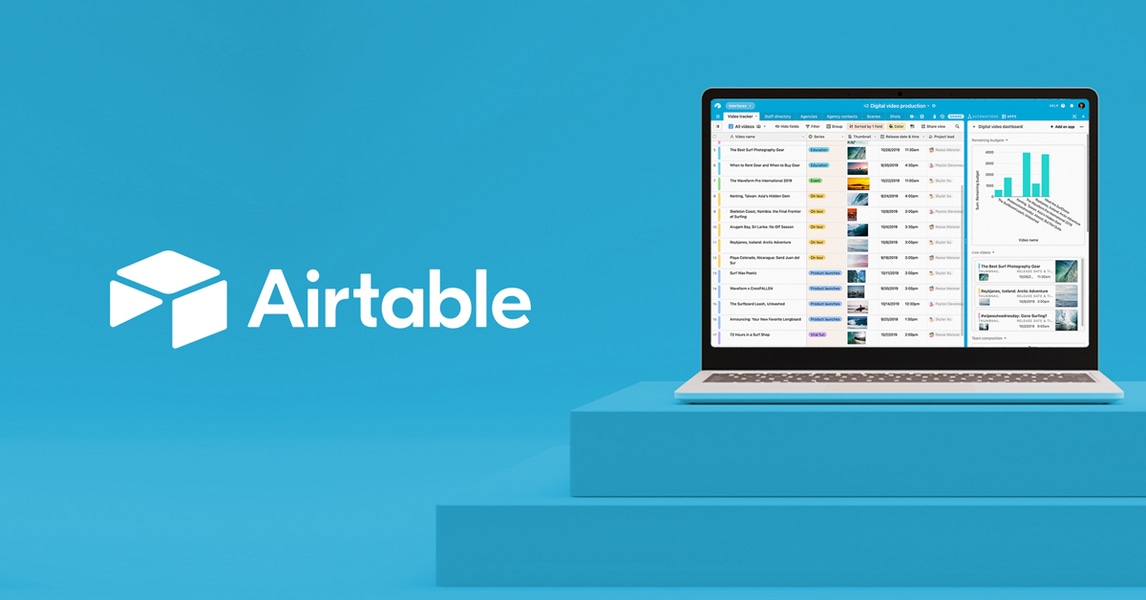
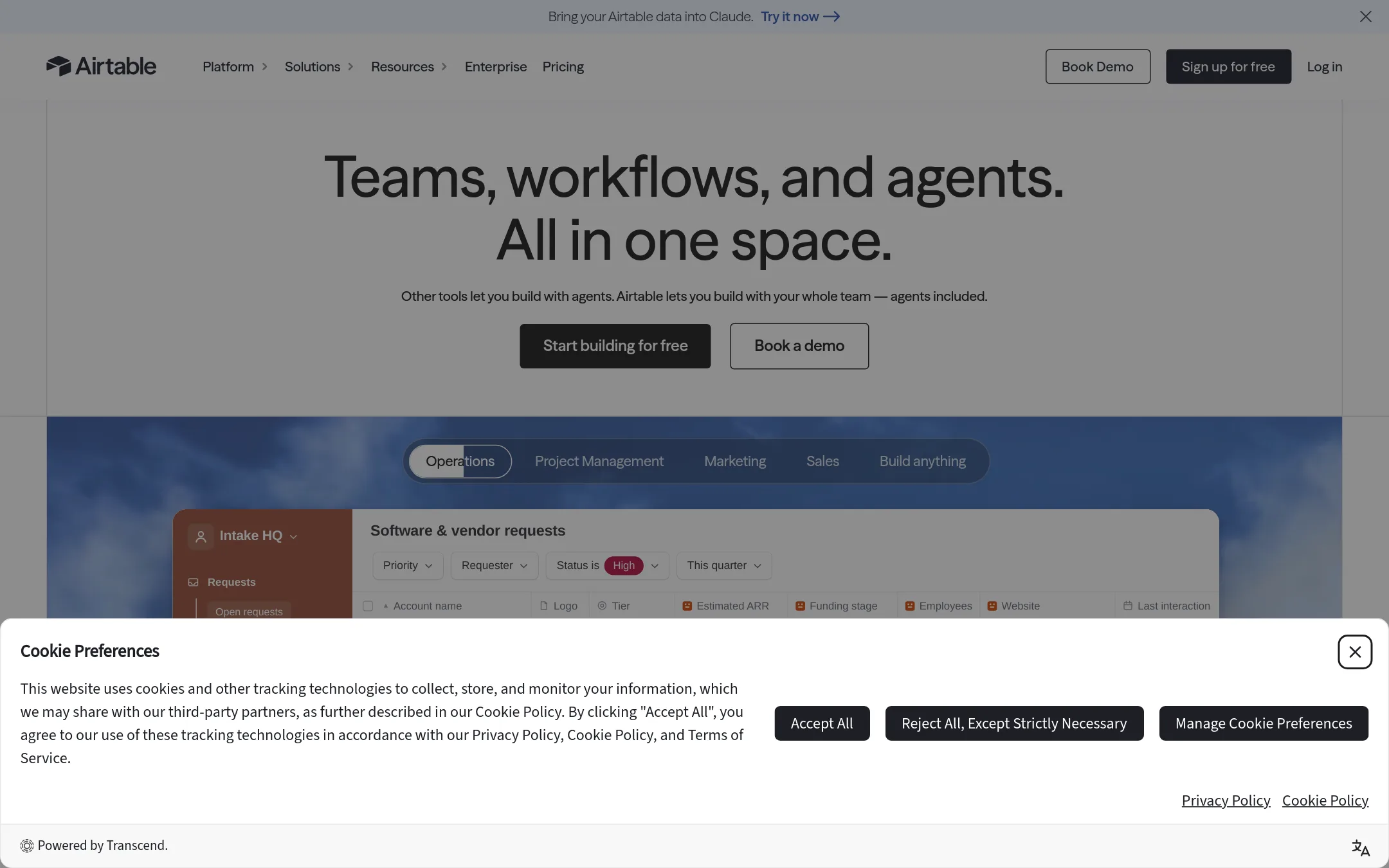
Airtable Automations is a no-code platform for building custom workflows and apps across any team, not just life sciences. You would choose it over Scoop if your work is general operations, project management, or data coordination, and you need to automate repetitive tasks without writing code.
Where it is strong
- No-code app builder with AI agents and integrations
- Scales to hundreds of millions of records and tens of thousands of users
- Enterprise security: ISO, HIPAA, SOC 2, and data residency in Europe and Australia
Where it falls short
- Not specialized for life sciences regulatory filings
- Pricing details are not shown on the site, so you must contact sales
- Pricing:
- Pricing is not published on the site.
- Not published
12.Ninite
Best for: IT admins or power users on Windows who want to batch-install and auto-update common apps like Chrome, Slack, and VLC.
- Pricing
- Not published
- Category
- Developer Tools
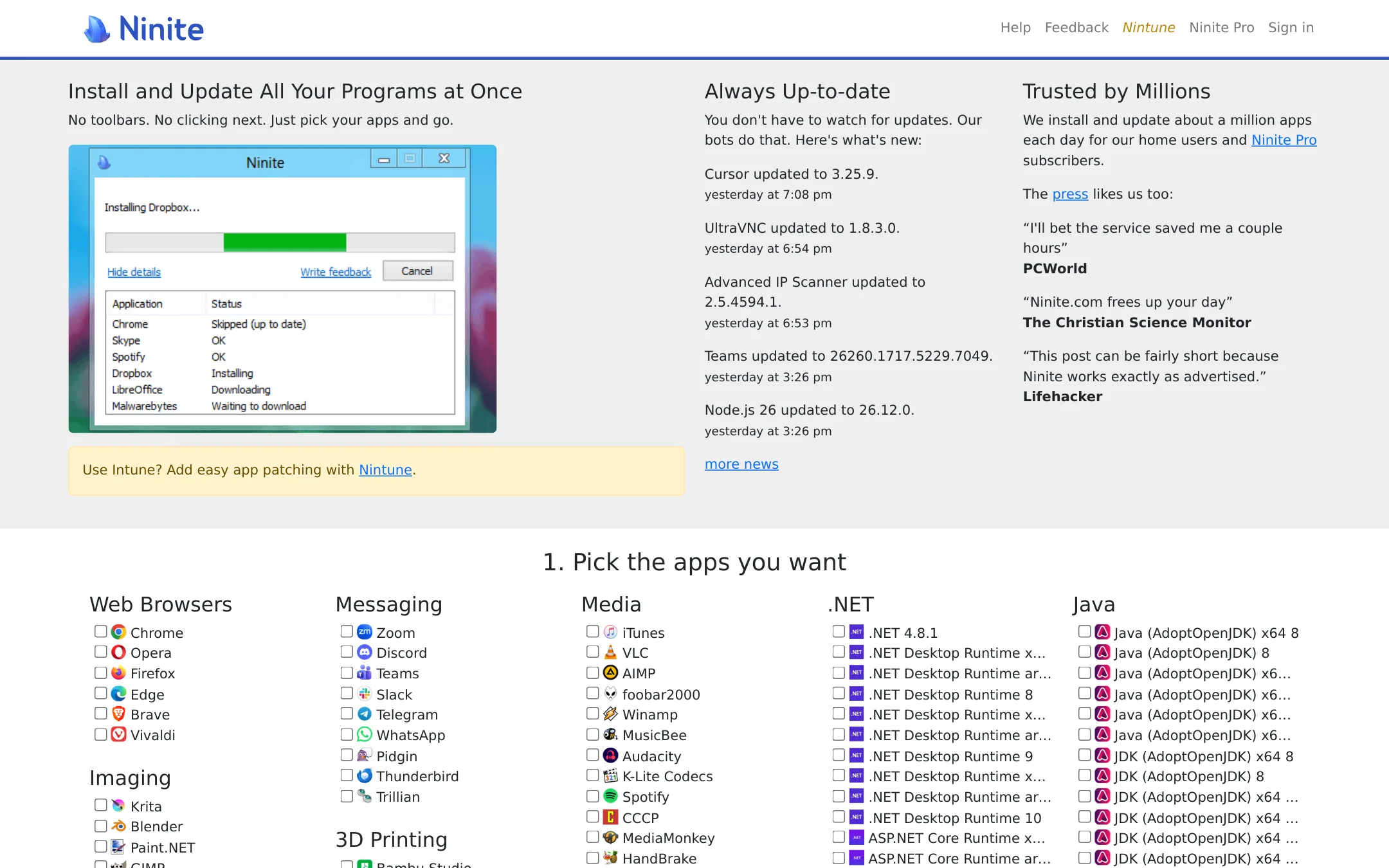
Ninite installs and updates Windows apps in bulk without toolbars or extra clicks. If you manage Windows machines and want to skip manual patching, Ninite is a simple, reliable choice. Scoop handles regulatory filings for life sciences, so Ninite is only relevant if you also need desktop app deployment.
Where it is strong
- Installs and updates about a million apps daily
- No toolbars or next-click prompts
- Supports a wide range of apps, from browsers to dev tools
Where it falls short
- Windows only. No macOS or Linux support
- No longer supports Windows XP or Vista
- Pricing:
- Pricing is not published on the site.
See more comparisons in Healthcare alternatives.
FAQ
Questions about Scoop alternatives
What is the best free option for a small team?
Asana offers a free plan for up to 2 users with unlimited tasks and projects. Trello's free plan supports up to 10 collaborators and unlimited cards. Monday.com has a free tier for up to 2 seats and 3 boards.
Which alternative has the most integrations?
Trello lists over 200 integrations, including Slack, Google Drive, and Salesforce. Asana has 100+ integrations with tools like Slack, Google Workspace, and Microsoft 365. Monday.com also supports integrations, but the number is not specified.
Are there any tools with flat pricing instead of per-user fees?
Basecamp uses flat pricing per plan, starting at $29 per month for the Freelancer plan. This avoids per-user fees, which can be cost-effective for larger teams. Other tools like Asana and Trello charge per user per month.
Which tool is best for visual project management?
Trello is the most visual option, using boards, cards, and lists to organize tasks. It is simple and intuitive, ideal for teams that prefer a kanban-style view. Asana and Monday.com also offer visual views, but Trello is the most straightforward.
Do any of these tools support AI features?
Asana includes AI Teammates and AI Studio in paid plans. Monday.com has AI agents for tasks like lead sourcing and meeting prep. Notion's Business plan includes AI features. Trello has built-in AI features on paid plans.
Last updated November 4, 2026.