
Second Life alternatives
12 products compared · Updated October 15, 2026
The short answer
For founders and operators, the strongest Second Life alternatives are Roblox for game developers targeting a younger audience, VRChat for teams wanting a VR-native social space, and Kitely for educators and businesses needing affordable, customizable virtual worlds. Each offers a different balance of creation tools, audience, and control.
Your shortlist, at a glance
Read the comparisons ↓ RobloxNot publishedGame developers and creators targeting a younger demographic who want to build and monetize interactive experiences.
 VRChatNot publishedTeams and communities that want a VR-native social space with user-generated worlds and avatars, rather than a desktop-centric virtual economy.
 IMVUNot publishedPeople who want a quick, mobile-friendly way to hang out with friends as 3D avatars.
- SSinespaceNot publishedOrganizations and creators who want to build private, themed virtual worlds for events, education, or community engagement.
KitelyNot publishedEducators, artists, and business owners who need affordable, customizable virtual worlds with Hypergrid connectivity.
 High FidelityNot publishedDevelopers and product teams building virtual meeting spaces or social apps that need high-quality spatial audio.
 DreamWorldNot publishedTeams of builders and gamers who want a single-server sandbox MMO with AI-assisted creation and cooperative play.
 Rec RoomSee websiteThe best place to build and play games together.
 DreamsNot publishedPlayStation owners who want a guided, all-in-one creation tool for interactive media and games.
Fortnite CreativeNot publishedGame developers and creators who want to make and monetize interactive Fortnite islands with modern Unreal Engine tools.
 Garry's ModNot publishedSmall teams or hobbyists who want a physics-based sandbox for creative building and co-op play, not a persistent world.
- MMinecraftSee websiteMinecraft - build, explore and survive in blocky worlds.
About Second Life and its alternatives
Second Life is a virtual world platform where users explore, discover, and create in a persistent 3D environment. It is known for its user-driven economy, creator tools, and diverse communities, with a marketplace for virtual goods and monetization options.
When comparing alternatives, weigh the pricing structure, whether it is subscription-based or transaction-based, and the level of control over your virtual space. Consider the size and demographics of the user base, the availability of integrations with your existing tools, and the quality of support and contract terms, especially for enterprise use.
Explore the alternatives
- Not published
1.Roblox
Best for: Game developers and creators targeting a younger demographic who want to build and monetize interactive experiences.
- Pricing
- Not published
- Category
- Media & Entertainment
Roblox is a platform for creating and playing user-generated 3D games, aimed at a younger audience. Choose it over Second Life if you want a more game-like environment with a large existing player base and simpler creation tools.
Where it is strong
- Massive built-in audience of players, especially teens and kids.
- Creation tools are easier to learn than Second Life's scripting.
- Monetization options for creators through virtual items and game passes.
Where it falls short
- Younger user base may not suit adult-oriented communities.
- Less emphasis on open-world social interaction compared to Second Life.
- Pricing:
- Pricing is not published on the site.
- Not published
2.VRChat
Best for: Teams and communities that want a VR-native social space with user-generated worlds and avatars, rather than a desktop-centric virtual economy.
- Pricing
- Not published
- Category
- Media & Entertainment
VRChat is a social VR platform where you can explore thousands of user-created worlds and meet people as custom avatars. Choose it over Second Life if you want a more immersive, VR-first experience with a focus on real-time social interaction and avatar expression.
Where it is strong
- Strong VR support for immersive social experiences
- Thousands of user-created worlds to explore
- Easy avatar and world creation tools
Where it falls short
- No built-in virtual economy or monetization tools like Second Life's Marketplace
- Requires VR hardware for the full experience. Desktop mode is more limited
- Pricing:
- Pricing is not published on the site.
- Switching from Second Life:
- Moving from Second Life means giving up the mature economy and creator monetization, and adapting to a more casual, VR-centric social model.
- Not published
3.IMVU
Best for: People who want a quick, mobile-friendly way to hang out with friends as 3D avatars.
- Pricing
- Not published
- Category
- Other
IMVU is a 3D avatar social app focused on chat and meeting people in virtual spaces. Choose it over Second Life if you want a more casual, mobile-first social experience rather than building complex worlds.
Where it is strong
- Mobile app available for on-the-go chatting
- Large existing community for meeting new people
- Simple avatar customization and virtual items
Where it falls short
- Less emphasis on user-created worlds and scripting
- Monetization options for creators are not as clear as Second Life's
- Pricing:
- Pricing is not published on the site.
- SNot published
4.Sinespace
Best for: Organizations and creators who want to build private, themed virtual worlds for events, education, or community engagement.

- Pricing
- Not published
- Category
- Other
Sinespace is a virtual world platform for creating and hosting custom 3D spaces. Choose it over Second Life if you need a more controlled, private environment for events, training, or brand experiences rather than an open-ended public metaverse.
Where it is strong
- Private, customizable worlds for specific use cases
- Built for events and training scenarios
- Simpler to manage than Second Life's open economy
Where it falls short
- Site was unreachable at time of review, so features are unverified
- No public pricing or details on transaction fees
- Pricing:
- Pricing is not published on the site.
- Not published
5.Kitely
Best for: Educators, artists, and business owners who need affordable, customizable virtual worlds with Hypergrid connectivity.
- Pricing
- Not published
- Category
- Other
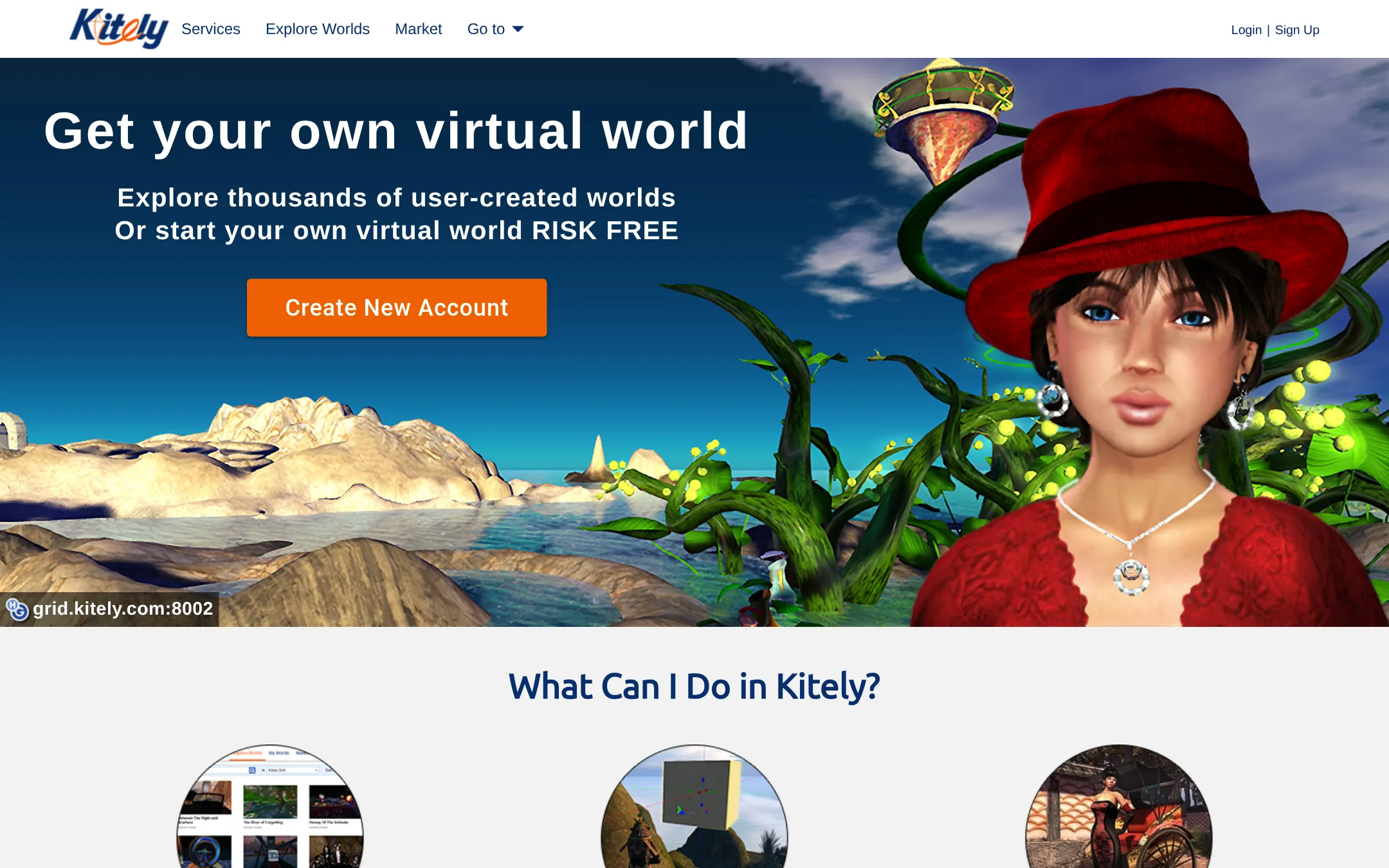
Kitely is a cloud-hosted virtual world platform based on OpenSim. You would choose it over Second Life if you want your own private or public worlds with full control, lower hosting costs, and the ability to take your creations with you if you leave.
Where it is strong
- Cloud-based hosting keeps costs low and performance high.
- Your avatar can travel to any Hypergrid-enabled world, and visitors can enter yours.
- You can download your worlds as OAR files, so you keep your work if you leave.
Where it falls short
- Pricing details are not listed, so you must contact them to know costs.
- Based on OpenSim, which may have a smaller community and fewer built-in features than Second Life.
- Pricing:
- Pricing is not published on the site.
- Not published
6.High Fidelity
Best for: Developers and product teams building virtual meeting spaces or social apps that need high-quality spatial audio.
- Pricing
- Not published
- Category
- Other
High Fidelity provides spatial audio software for developers to embed realistic sound into web and native apps. Choose it over Second Life if you need to add natural, room-like audio to your own virtual meeting or social platform, rather than building a full virtual world.
Where it is strong
- Spatial audio that simulates natural sound for immersive conversations
- Designed for web and native applications, easy to integrate
- Used by existing apps to deliver better audio experiences
Where it falls short
- No virtual world or avatar creation tools like Second Life
- Pricing not disclosed, likely requires contacting sales
- Pricing:
- Pricing is not published on the site.
- Not published
7.DreamWorld
Best for: Teams of builders and gamers who want a single-server sandbox MMO with AI-assisted creation and cooperative play.
- Pricing
- Not published
- Category
- Media & Entertainment
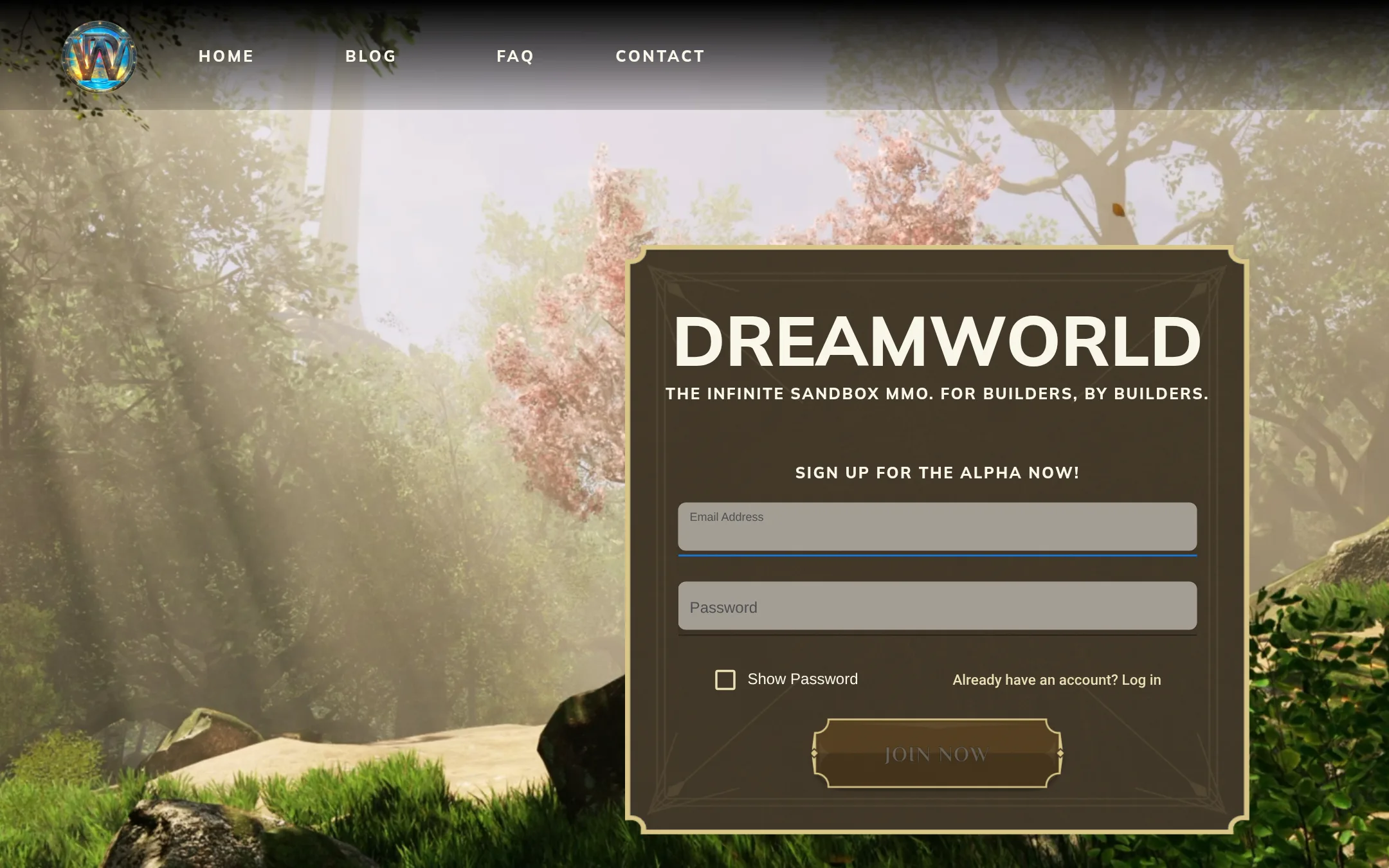
DreamWorld is an infinite sandbox MMO where all players build together in one shared world, with generative AI tools to assist construction. Choose it over Second Life if you want a Minecraft-style collaborative building game rather than a social virtual world with a user-run economy.
Where it is strong
- One infinite world shared by all players on a single server
- Generative AI building tools to speed up construction
- Active alpha with community feedback via Discord
Where it falls short
- Still in alpha, so features and stability may change
- No marketplace or monetization tools for creators yet
- Pricing:
- Pricing is not published on the site.
- See website
8.Rec Room
Media & Entertainment
The best place to build and play games together.
- Not published
9.Dreams
Best for: PlayStation owners who want a guided, all-in-one creation tool for interactive media and games.
- Pricing
- Not published
- Category
- Media & Entertainment
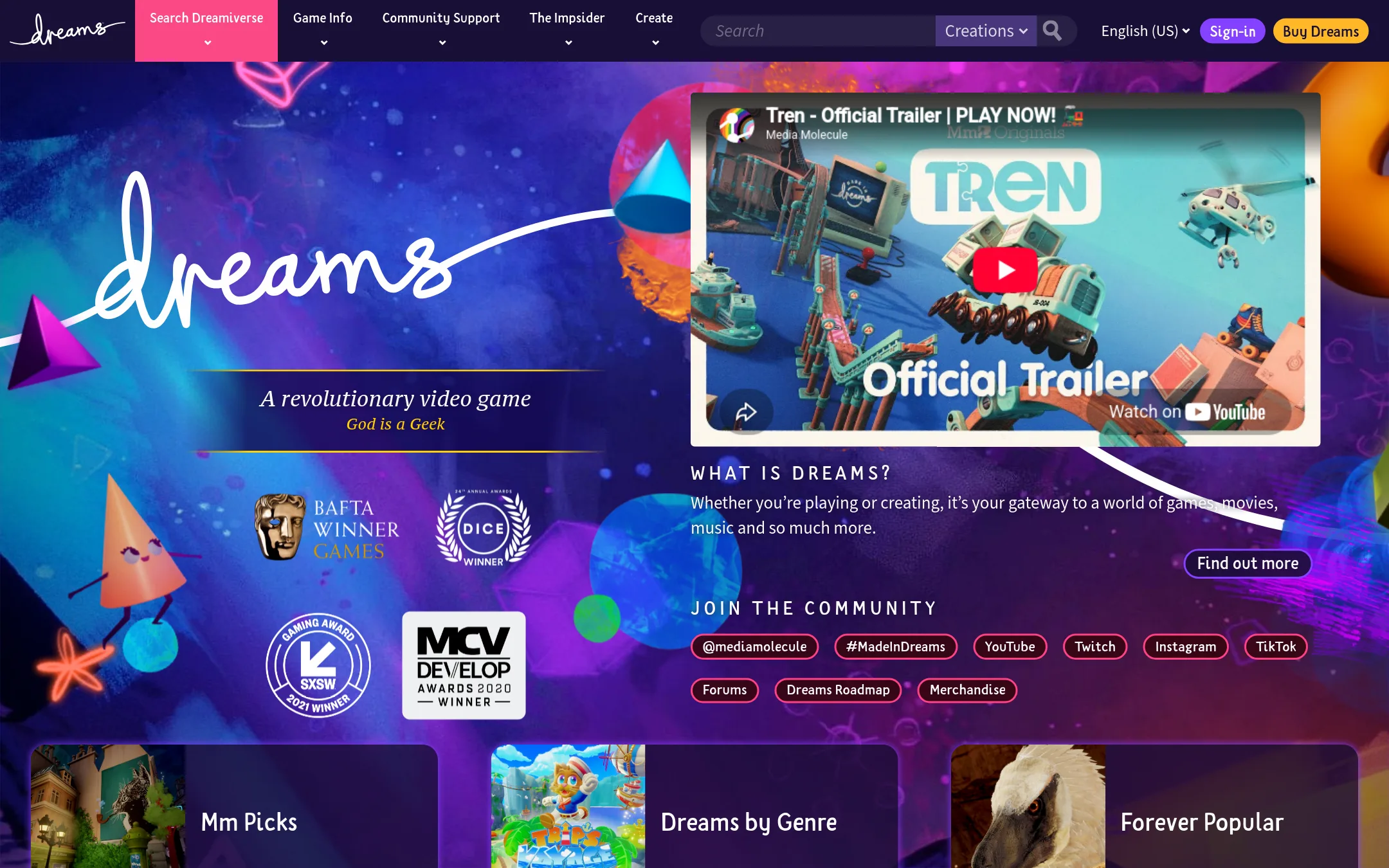
Dreams is a creation platform for PlayStation where you can make and play games, movies, and music. Choose it over Second Life if you want a curated, console-based creative suite with a focus on game-like experiences, not an open-ended virtual world with a persistent economy.
Where it is strong
- Create games, movies, and music with intuitive tools
- Strong community sharing portal for creations
- High critical acclaim for its creative potential
Where it falls short
- Exclusive to PlayStation platform
- No persistent virtual world or economy like Second Life
- Pricing:
- Pricing is not published on the site.
- Not published
10.Fortnite Creative
Best for: Game developers and creators who want to make and monetize interactive Fortnite islands with modern Unreal Engine tools.
- Pricing
- Not published
- Category
- Media & Entertainment
Fortnite Creative lets you build and publish custom game islands using Unreal Editor for Fortnite, with tools for scripting and asset creation. Choose it over Second Life if you want to reach a large, younger player base and build competitive or party-style games rather than open-ended social worlds.
Where it is strong
- Access to Epic's large, active player community.
- Uses Unreal Editor for Fortnite (UEFN) for advanced building.
- Supports cross-platform play on consoles and PC.
Where it falls short
- Limited to Fortnite's game engine and style.
- Monetization rules are set by Epic, not open-ended like Second Life's economy.
- Pricing:
- Pricing is not published on the site.
- Not published
11.Garry's Mod
Best for: Small teams or hobbyists who want a physics-based sandbox for creative building and co-op play, not a persistent world.
- Pricing
- Not published
- Category
- Media & Entertainment
Garry's Mod is a physics sandbox game where you build contraptions and play with friends, not a persistent virtual world. Choose it instead of Second Life if you want a playful, session-based building experience rather than a social platform with an economy and communities.
Where it is strong
- Build complex machines with moving parts and physics
- Online co-op for collaborative building
- Large community with many addons
Where it falls short
- No persistent world or virtual economy
- Requires a PC and the Source Engine, not a web platform
- Pricing:
- Pricing is not published on the site.
- MSee website
12.Minecraft
Media & Entertainment
Minecraft - build, explore and survive in blocky worlds.
See more comparisons in Media & Entertainment alternatives.
FAQ
Questions about Second Life alternatives
Which alternative is best for building a large, active community quickly?
Roblox has a massive built-in audience, especially among teens and kids, making it ideal for reaching a large player base quickly. VRChat also has a large community, but it is more focused on VR users and social interaction. Both offer user-generated content, but Roblox has stronger monetization tools.
Can I monetize my creations on these platforms like Second Life's Marketplace?
Roblox offers monetization through virtual items and game passes, and Fortnite Creative allows monetization under Epic's rules. VRChat and Garry's Mod do not have built-in economies. Kitely and Sinespace may offer monetization, but pricing and details are not published, so you would need to contact them.
Which alternative is best for a VR-first experience?
VRChat is the strongest VR-native option, with strong VR support and thousands of user-created worlds. It focuses on real-time social interaction and avatar expression, but requires VR hardware for the full experience. Other platforms like Roblox and Fortnite Creative are primarily desktop or console-based.
Are there any alternatives that offer private or controlled environments for events or training?
Sinespace is built for private, customizable worlds for events, education, or training, but its site was unreachable at review time. Kitely offers private or public worlds with full control and Hypergrid connectivity, making it suitable for educators and businesses. Both require contacting them for pricing details.
Which alternative is most affordable for a small team or hobbyist?
Garry's Mod is a low-cost physics sandbox for creative building and co-op play, but it lacks a persistent world or economy. Kitely is cloud-hosted and claims low hosting costs, but pricing is not published. Roblox and Fortnite Creative are free to start, but monetization and revenue sharing are governed by their platforms.
Last updated October 15, 2026.