12 Best Language Learning Apps in 2026
Updated October 21, 2026
The short answer
For most learners, Babbel is the strongest pick for practical conversation skills with structured lessons and speech recognition. Memrise is best for those who want to hear real native speakers and prepare for exams. LingQ suits independent learners who prefer learning from authentic content they import themselves.
The shortlist, at a glance
Read the comparisons ↓CleverDeckNot publishedLanguage learners on iPhone who want a structured, offline-capable flashcard app with pre-built high-frequency word decks.
 LingtFree, $14/mo teacherLanguage teachers and schools that want to reduce time in labs or scheduling interviews by using structured speaking assessments.
 EduRevNot publishedIndian students in Classes 1-12 or preparing for competitive entrance exams who want free, structured study material in one place.
 PahamifyNot publishedIndonesian high school students preparing for UTBK and other college entrance exams who want a fun, curriculum-aligned study companion.
 MemriseFree plan, €69.99/yrIndividuals who want to learn a language for a specific reason like travel, work, exams, or connecting with family, and who value authentic speech over gamified drills.
 SuperMemoNot publishedSelf-learners who want a scientifically grounded, AI-assisted approach to memorizing vocabulary and grammar across many languages.
 DropsNot publishedBusy individuals who want short, gamified vocabulary drills in any of 55+ languages, especially visual learners.
 BabbelNot publishedIndividuals and teams who want to quickly become conversation-ready in a new language with structured, expert-designed lessons.
 LingQNot publishedIndependent learners who want to build vocabulary through authentic content and are willing to import their own materials.
Rosetta StoneNot publishedIndividuals, enterprise teams, and schools that want a structured, immersive language learning platform with speech feedback and conversation practice.
 BYJU'SNot publishedStudents in India preparing for school exams or competitive tests like JEE, NEET, UPSC, or banking exams, and parents seeking structured online tutoring.
 SpeakNot publishedLearners who want to focus on spoken fluency and real conversation practice rather than grammar drills.
About Language Learning Apps
Language learning apps are software tools that help people acquire a new language through lessons, drills, flashcards, or conversation practice. They range from structured courses to gamified vocabulary drills and AI-powered speaking tutors, each serving different learning styles and goals.
The products on this list differ in approach, scale, and pricing. Some, like Babbel and Rosetta Stone, offer structured, immersive lessons for individuals and teams. Others, like Drops and Memrise, focus on quick, gamified vocabulary or authentic speech. LingQ and SuperMemo emphasize spaced repetition and real-world content, while Speak and Memrise use AI for conversation practice. Pricing varies from free plans to yearly subscriptions, with some products not publishing costs.
The 12 best Language Learning Apps, compared
- Not published
1.CleverDeck
Best for: Language learners on iPhone who want a structured, offline-capable flashcard app with pre-built high-frequency word decks.
- Pricing
- Not published
- Category
- Education
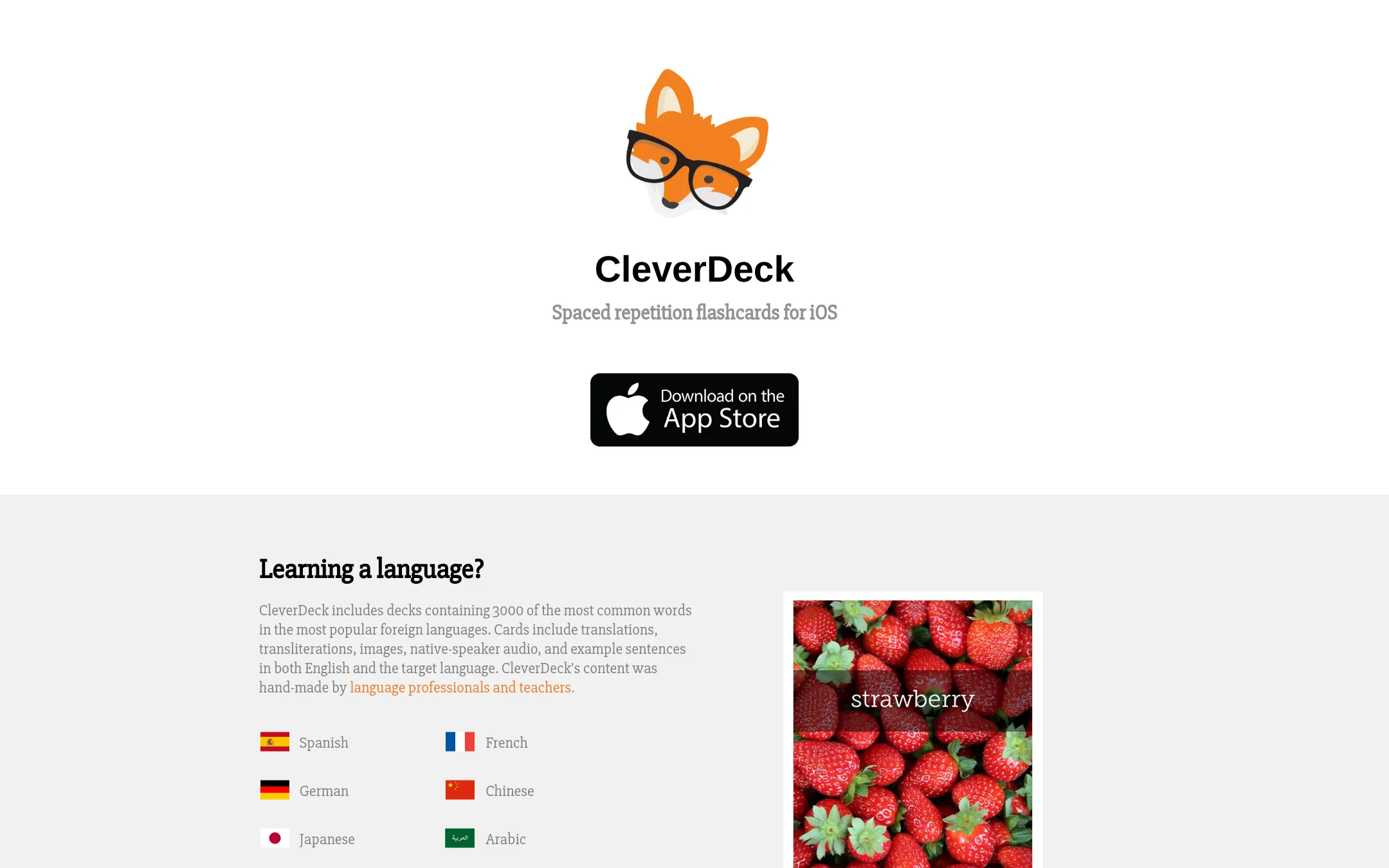
CleverDeck is a spaced repetition flashcard app for iPhone that focuses on language learning. It ships with hand-crafted 3000-word decks for Spanish, French, German, Chinese, Japanese and other major languages, including translations, transliterations, images, native-speaker audio and example sentences. The app uses the SM-2 algorithm, works fully offline after caching, and syncs across devices, making it a credible pick for learners who want structured, science-backed vocabulary practice.
Where it is strong
- Hand-crafted 3000-word decks for major languages with audio and images
- Works fully offline after caching, with device sync
- Supports custom card import and three-sided cards
Where it falls short
- Only available for iOS, not Android or web
- No pricing information listed, so cost is unclear
- Pricing:
- Pricing is not published on the site.
- Free, $14/mo teacher
2.Lingt
Best for: Language teachers and schools that want to reduce time in labs or scheduling interviews by using structured speaking assessments.
- Pricing
- Free, $14/mo teacher
- Category
- Education
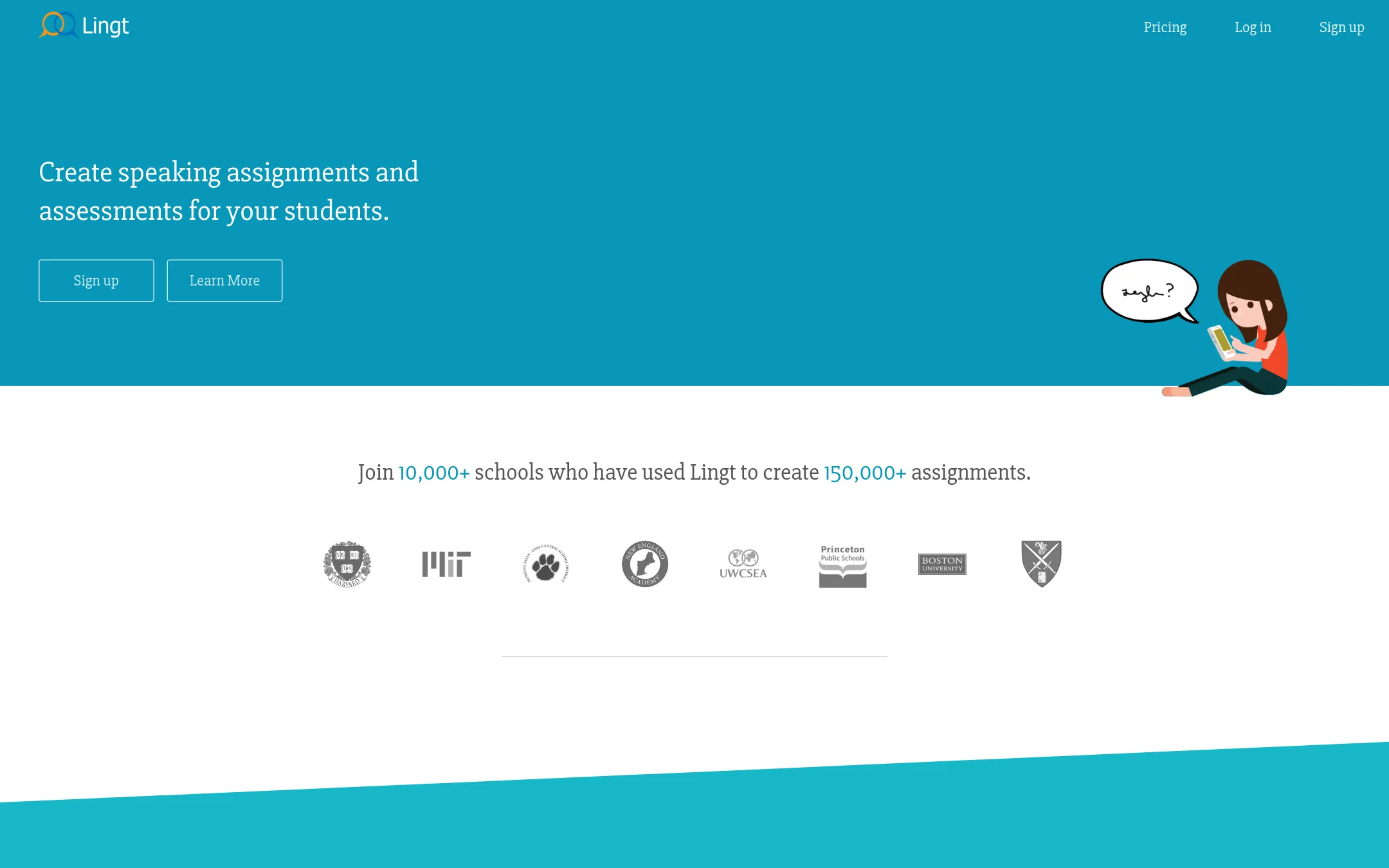
Lingt is a web-based platform for creating speaking assignments and assessments in language learning. It uses a drag-and-drop interface that supports voice, video, and images, and it is used by over 10,000 schools to build 150,000+ assignments. Teachers can manage submissions, give individualized feedback, and reuse assessments across years.
Where it is strong
- Drag-and-drop builder makes creating assignments fast
- Supports voice, video, and images for varied exercises
- Reuse assessments year to year saves prep time
Where it falls short
- Free plan is limited to 20 students and 10 assignments
- No pricing published for school or district plans
- Pricing:
- Free plan includes 1 account, 20 students, and 10 assignments. Teacher plan is $14.00 per month paid yearly, with 200 students, unlimited assignments, dedicated URL, priority support, download student audio, and permanent storage. School pricing requires conta
- Not published
3.EduRev
Best for: Indian students in Classes 1-12 or preparing for competitive entrance exams who want free, structured study material in one place.
- Pricing
- Not published
- Category
- Education
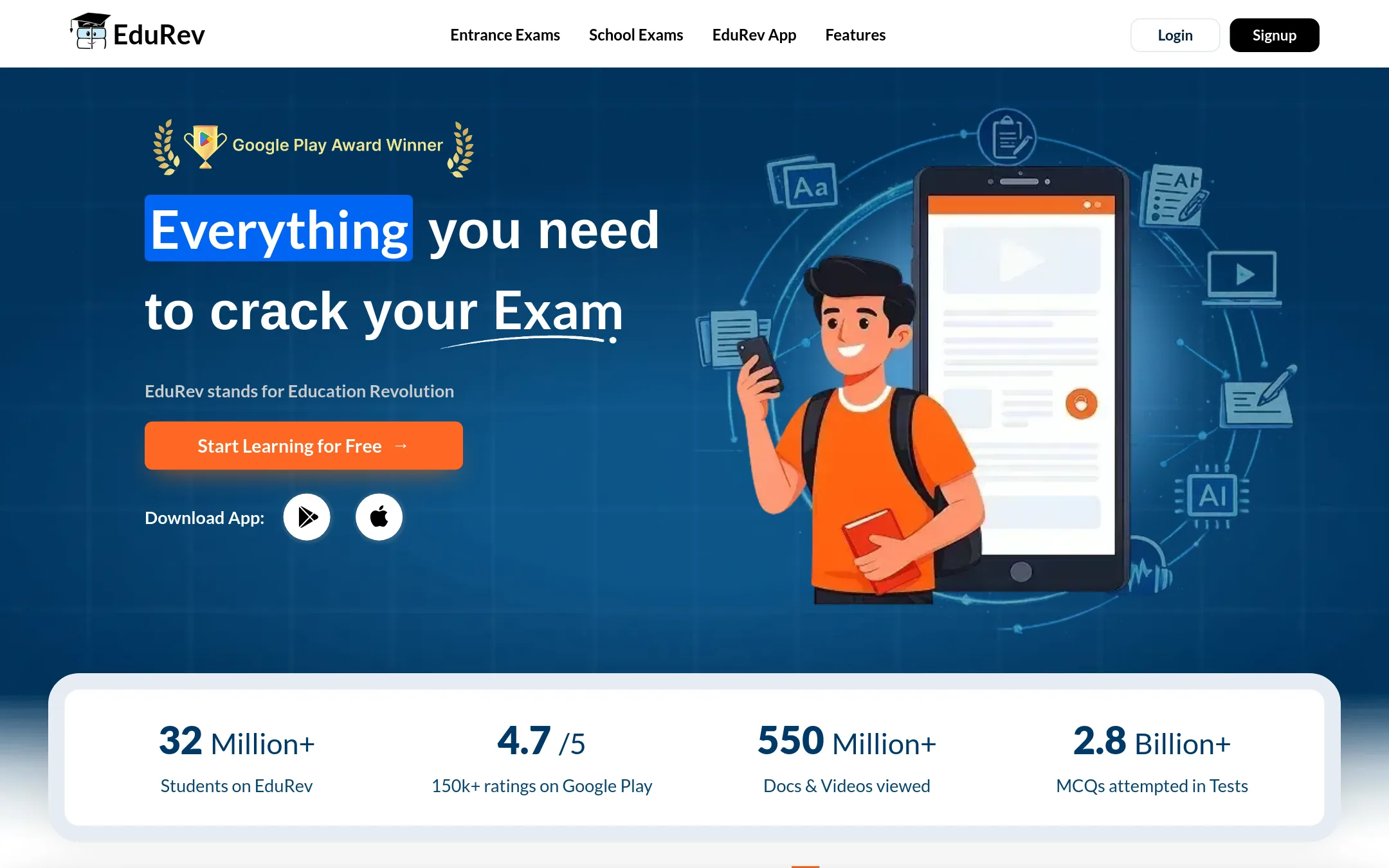
EduRev is an online learning platform for Indian students preparing for school exams and 50+ entrance exams like UPSC, NEET, JEE and CUET. It offers free study material including 100K+ videos, 250K+ notes and millions of MCQs, used by 3.2 Crore+ students. The app emphasizes exam-focused self-study with test insights and offline access.
Where it is strong
- Free access to a large library of videos, notes and MCQs
- Structured courses with a clear order for exam prep
- Test insights show exactly why marks were lost
Where it falls short
- Not a general language learning tool, focused on Indian academic exams
- No pricing details available, so cost for premium features is unclear
- Pricing:
- Pricing is not published on the site.
- Not published
4.Pahamify
Best for: Indonesian high school students preparing for UTBK and other college entrance exams who want a fun, curriculum-aligned study companion.
- Pricing
- Not published
- Category
- Education
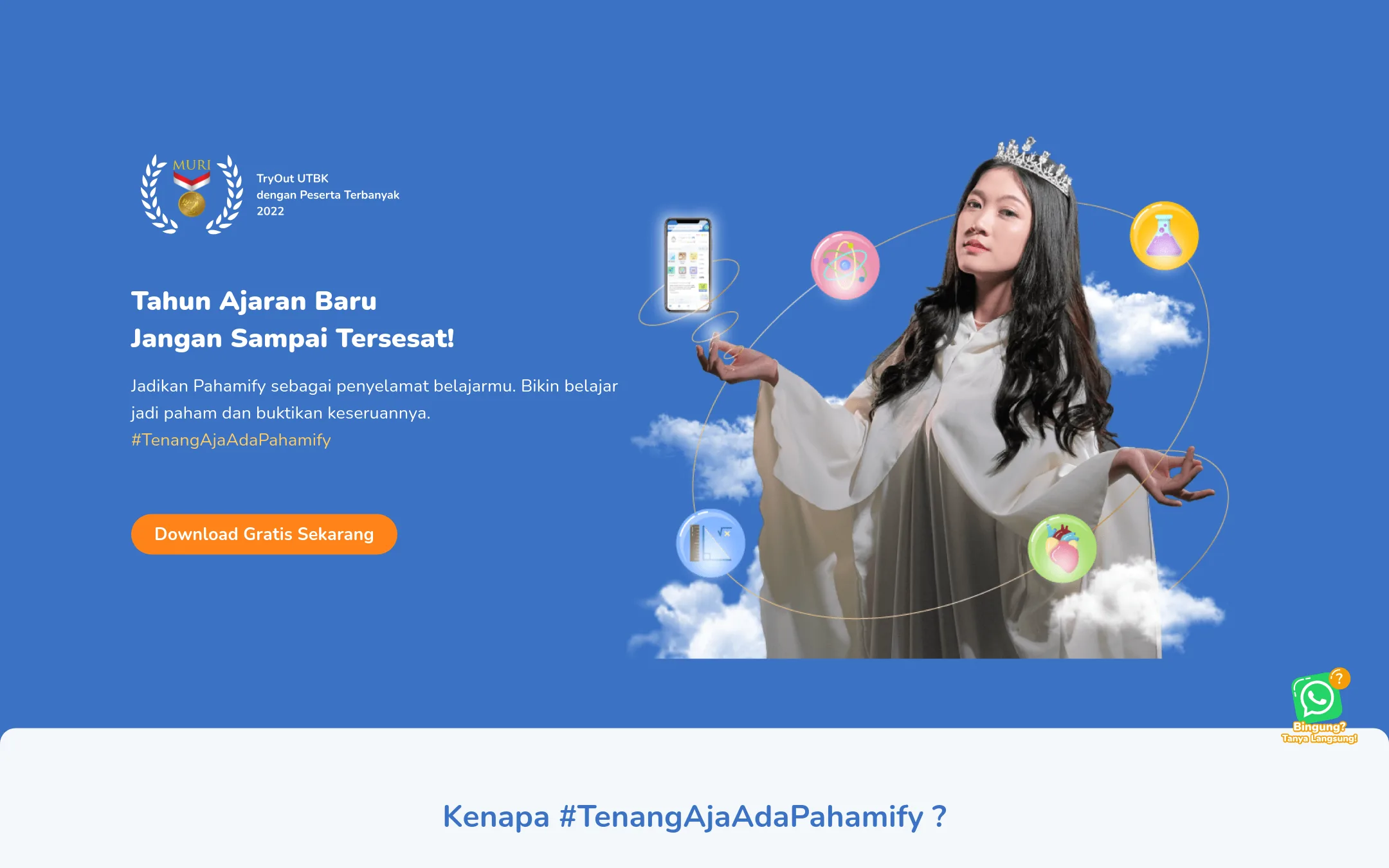
Pahamify is an Indonesian online learning app that prepares high school students for college entrance exams like UTBK. It offers animated video lessons, a question bank, tryouts, and live classes with Rockstar Teachers. With over 1 million downloads and an 8/10 tryout success rate for PTN admissions, it is a credible choice for students targeting Indonesian universities.
Where it is strong
- Animated video lessons with summaries, infographics, flashcards, and quizzes
- Personalized question recommendations via Pegasus to track progress
- Live classes with experienced Rockstar Teachers and limited class sizes
Where it falls short
- Pricing details are not listed on the website, so budgeting is unclear
- Content is focused on Indonesian exams, so it is not for general language learning
- Pricing:
- Pricing is not published on the site.
- Free plan, €69.99/yr
5.Memrise
Best for: Individuals who want to learn a language for a specific reason like travel, work, exams, or connecting with family, and who value authentic speech over gamified drills.
- Pricing
- Free plan, €69.99/yr
- Category
- Education
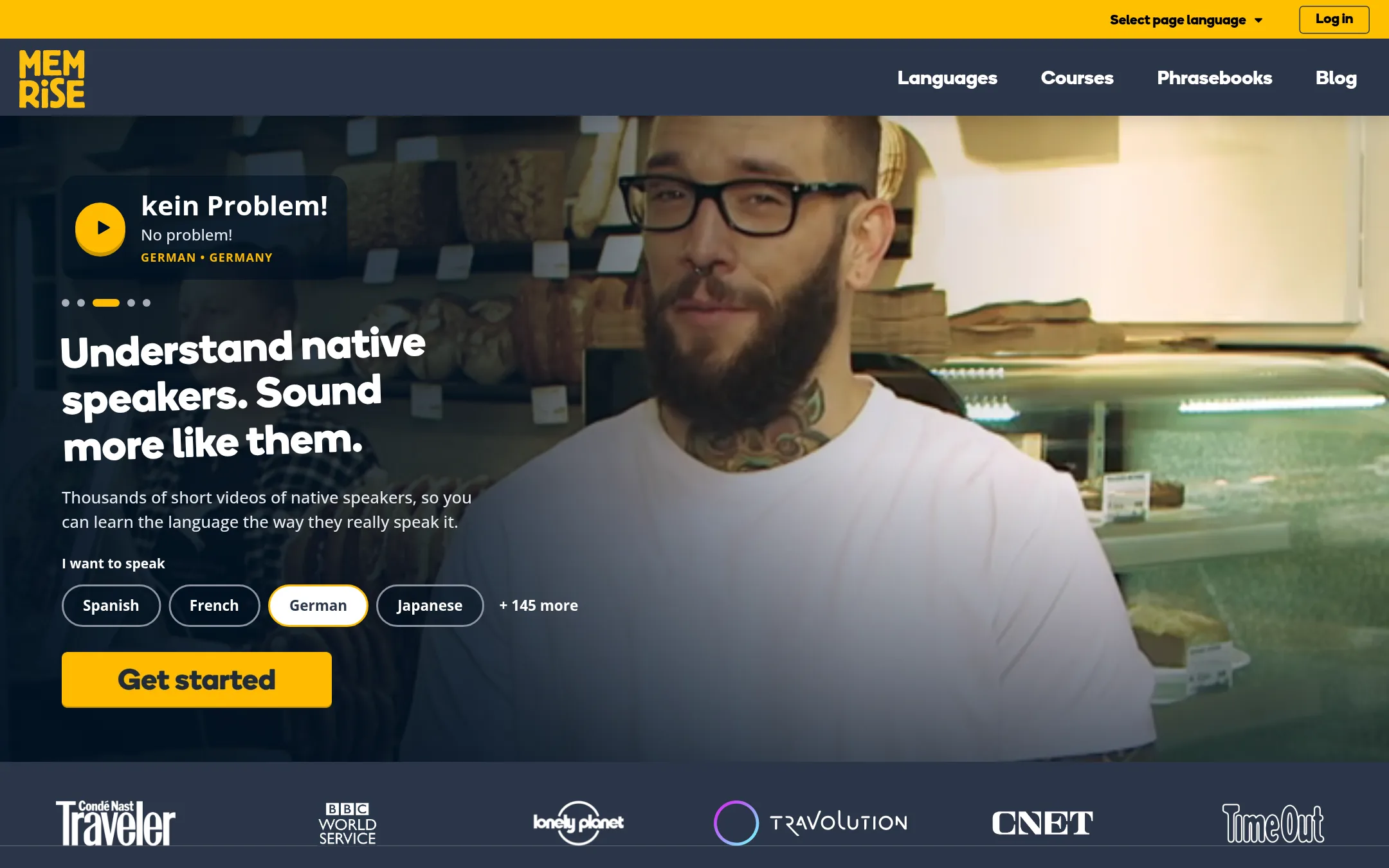
Memrise teaches languages through short videos of native speakers, so you hear real accents, slang, and natural rhythm instead of robotic voices. It also offers AI speaking practice and exam-aligned prep for IELTS, GCSE, A-Level, IB, and CEFR. With 80 million learners, it is a credible choice for people who want to sound natural, not textbook.
Where it is strong
- Real native speaker videos for every word and phrase
- AI speaking practice with unlimited sessions on PRO
- Exam-aligned prep for IELTS, GCSE, A-Level, IB, and CEFR
Where it falls short
- Free plan limits speaking practice to one session per day
- Not ideal for teams needing centralized admin or reporting, as it targets individual learners
- Pricing:
- Free plan available. PRO renews yearly at €69.99 and includes unlimited speaking practice, all wordlists, and ad-free experience.
- Not published
6.SuperMemo
Best for: Self-learners who want a scientifically grounded, AI-assisted approach to memorizing vocabulary and grammar across many languages.
- Pricing
- Not published
- Category
- Education
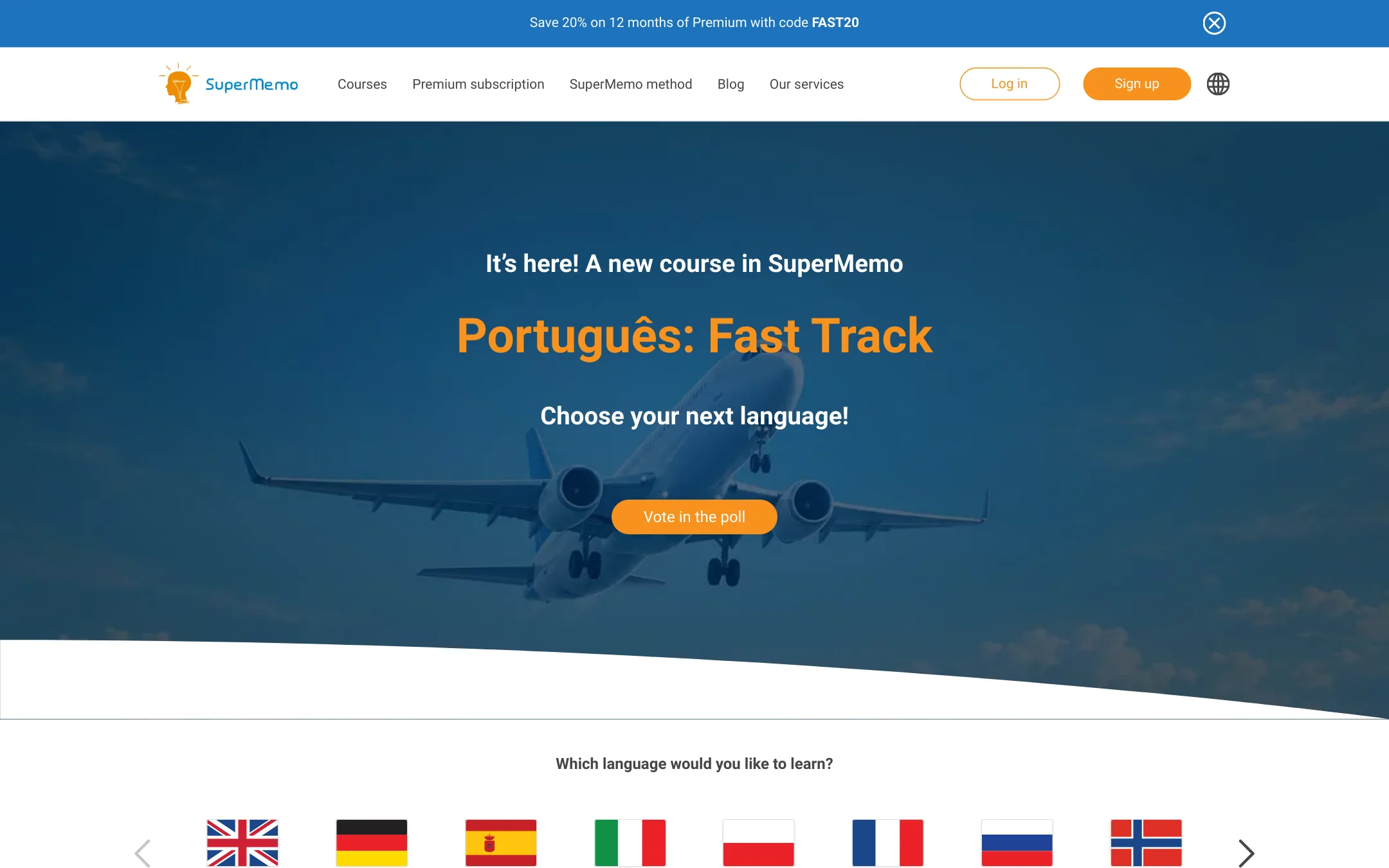
SuperMemo uses a proprietary spaced repetition algorithm to schedule reviews at the optimal moment for long-term retention. It offers 25 languages and nearly 300 courses, with AI tools like MemoChat for conversation practice and an AI Assistant for grammar help. The method is backed by awards and decades of research.
Where it is strong
- Proprietary spaced repetition algorithm for optimal review timing
- 25 languages and nearly 300 courses to choose from
- AI tools for conversation, grammar, and translation practice
Where it falls short
- No published pricing, so cost is unclear
- May be more complex than simpler apps for casual learners
- Pricing:
- Pricing is not published on the site.
- Not published
7.Drops
Best for: Busy individuals who want short, gamified vocabulary drills in any of 55+ languages, especially visual learners.
- Pricing
- Not published
- Category
- Education
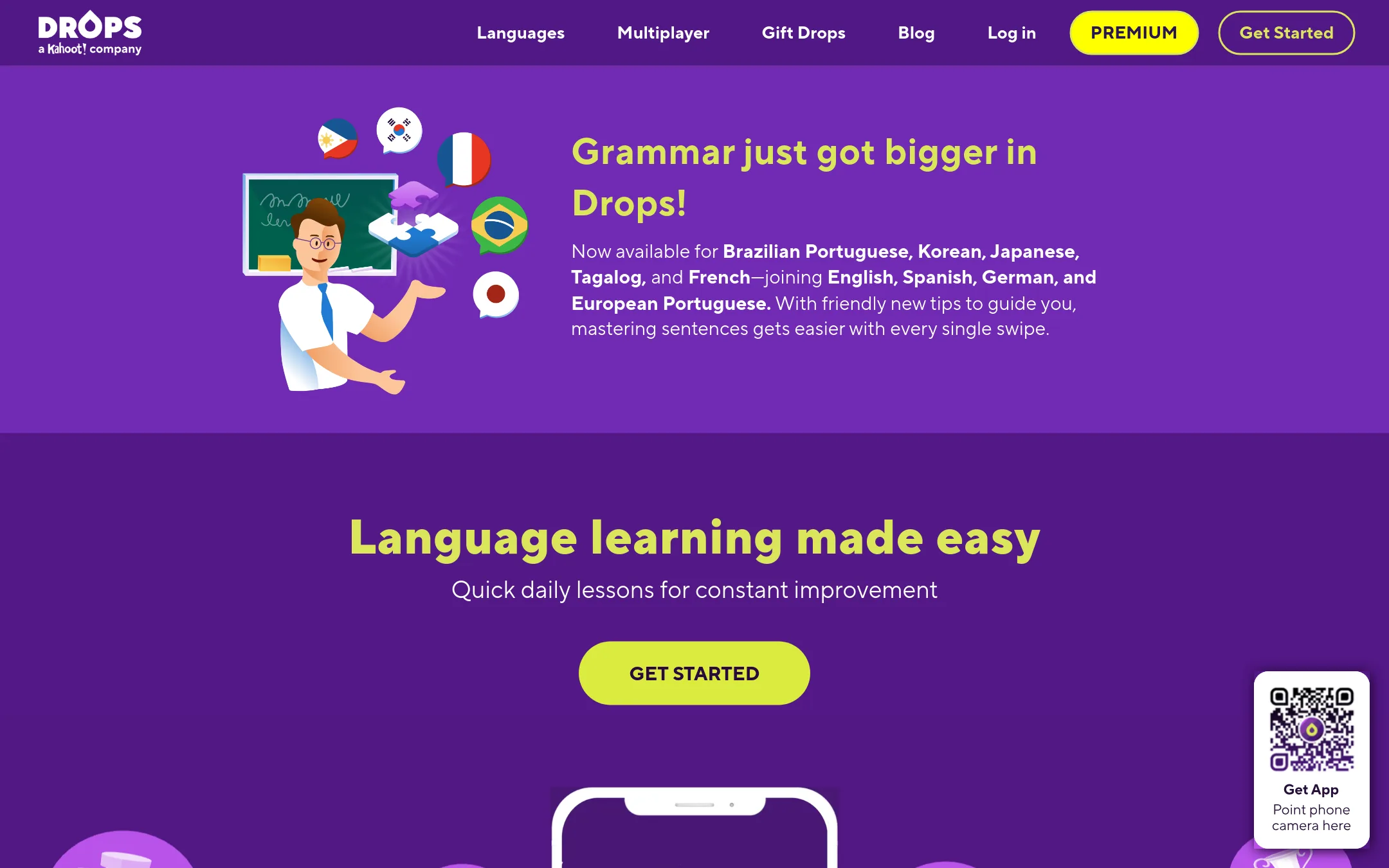
Drops teaches vocabulary through fast, visual games in 5-minute daily sessions, covering over 5,000 words and phrases across 55+ languages. Its mnemonic images and gamified approach make it a credible pick for busy learners who want quick, engaging practice. The free tier offers a solid starting point, with Premium unlocking unlimited time and all game modes.
Where it is strong
- 5-minute sessions fit easily into a daily routine
- Visual mnemonics aid vocabulary retention
- Free access to all 55+ languages
Where it falls short
- Focuses on vocabulary, not full grammar or conversation practice
- Premium required for unlimited time and offline access
- Pricing:
- Pricing is not published on the site.
- Not published
8.Babbel
Best for: Individuals and teams who want to quickly become conversation-ready in a new language with structured, expert-designed lessons.
- Pricing
- Not published
- Category
- Education
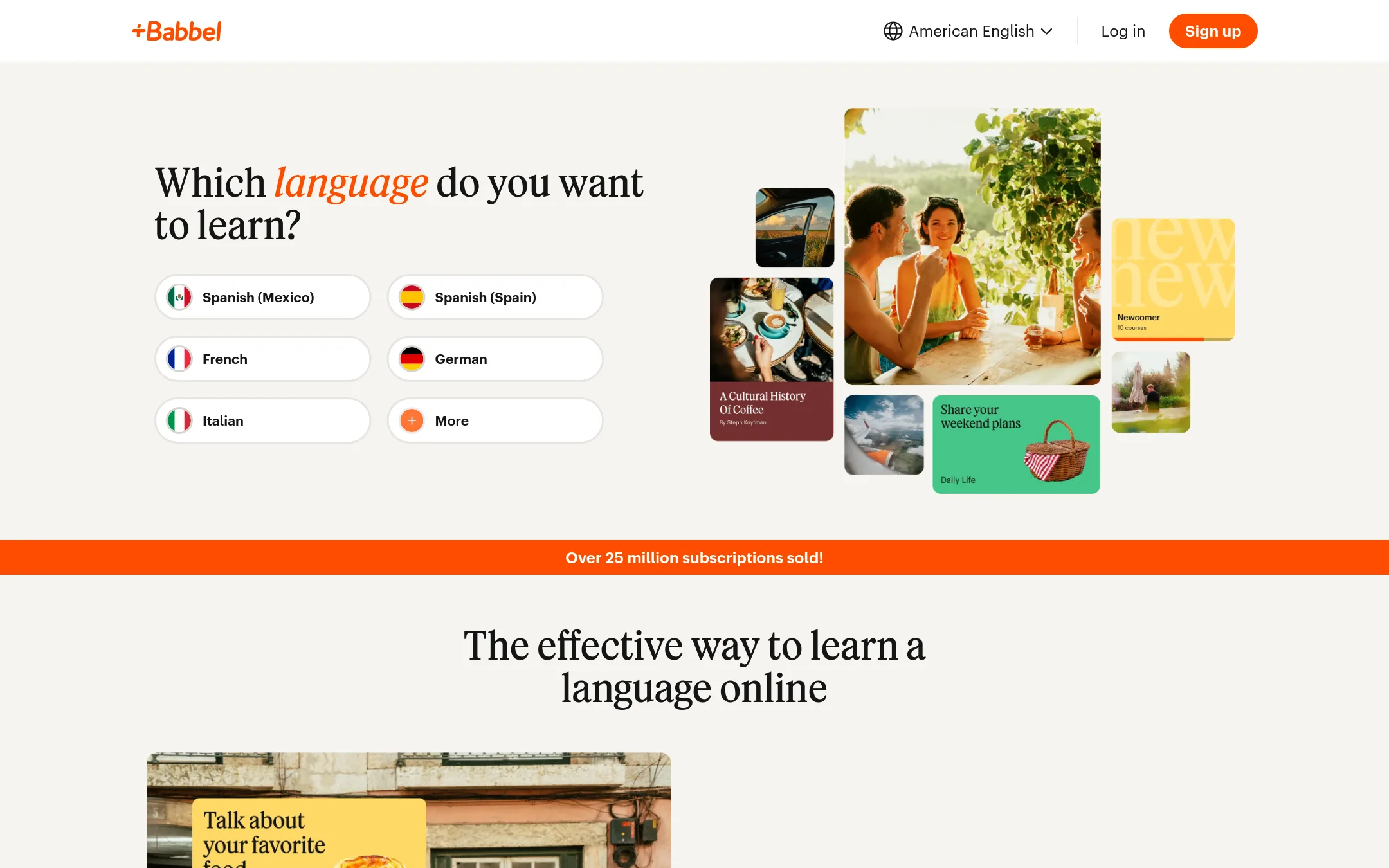
Babbel focuses on practical conversation skills with short, interactive lessons. It uses speech recognition for pronunciation and offers dialogues, podcasts, and culture content. With over 25 million subscriptions sold and 92% of users reporting improved proficiency in two months, it is a credible choice for language learners.
Where it is strong
- Speech recognition for pronunciation practice
- Interactive dialogues and AI conversation partner
- Placement test and level-based courses
Where it falls short
- Pricing details are not publicly listed
- May not suit learners who prefer gamified or community-based approaches
- Pricing:
- Pricing is not published on the site.
- Not published
9.LingQ
Best for: Independent learners who want to build vocabulary through authentic content and are willing to import their own materials.
- Pricing
- Not published
- Category
- Education
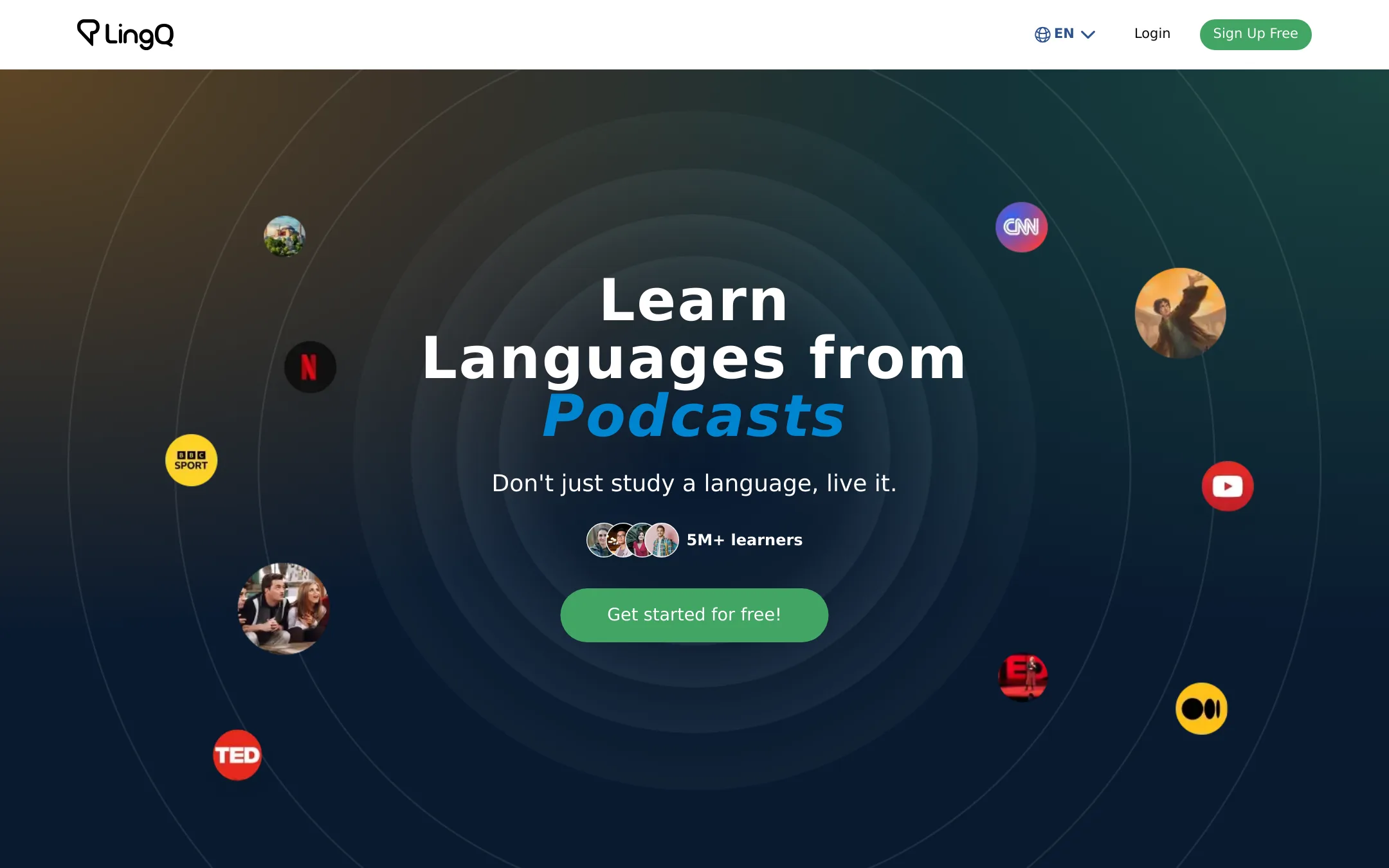
LingQ is a language learning app that focuses on immersion in real-world content like podcasts, books, and TV shows, rather than drills or games. It uses AI to turn any imported content into interactive lessons, and tracks vocabulary growth across 52 languages. With over 5 million learners and a 4.7 rating on app stores, it is a credible choice for self-directed learners.
Where it is strong
- Learn from real content you enjoy, not scripted lessons
- AI tools instantly create transcripts and translations from imported media
- Progress tracking and vocabulary milestones keep you motivated
Where it falls short
- No pricing details on the site, so cost is unclear
- May not suit learners who prefer structured lessons or gamified drills
- Pricing:
- Pricing is not published on the site.
- Not published
10.Rosetta Stone
Best for: Individuals, enterprise teams, and schools that want a structured, immersive language learning platform with speech feedback and conversation practice.
- Pricing
- Not published
- Category
- Education
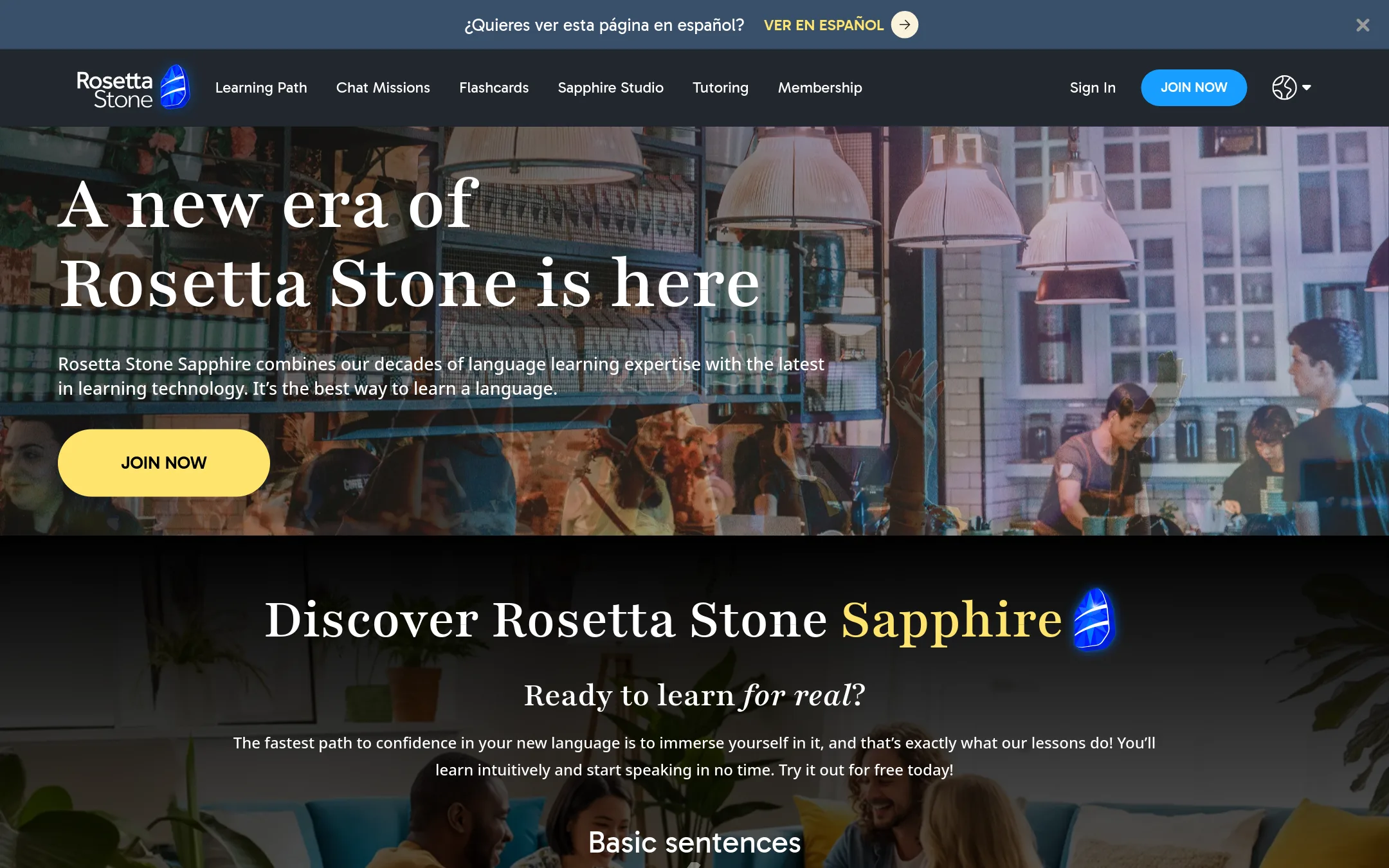
Rosetta Stone uses its Dynamic Immersion method to teach languages through context and repetition, with TruAccent speech recognition to improve pronunciation. It adds Chat Missions for real-world conversation practice and 500+ flashcard sets, making it a credible pick for learners who want structured, immersive lessons.
Where it is strong
- Dynamic Immersion method teaches intuitively without translation
- TruAccent speech recognition gives real-time pronunciation feedback
- Chat Missions simulate real-world conversations for practical use
Where it falls short
- No pricing listed, so budgeting is unclear
- May not suit learners who prefer grammar-heavy or explicit rule-based instruction
- Pricing:
- Pricing is not published on the site.
- Not published
11.BYJU'S
Best for: Students in India preparing for school exams or competitive tests like JEE, NEET, UPSC, or banking exams, and parents seeking structured online tutoring.
- Pricing
- Not published
- Category
- Education
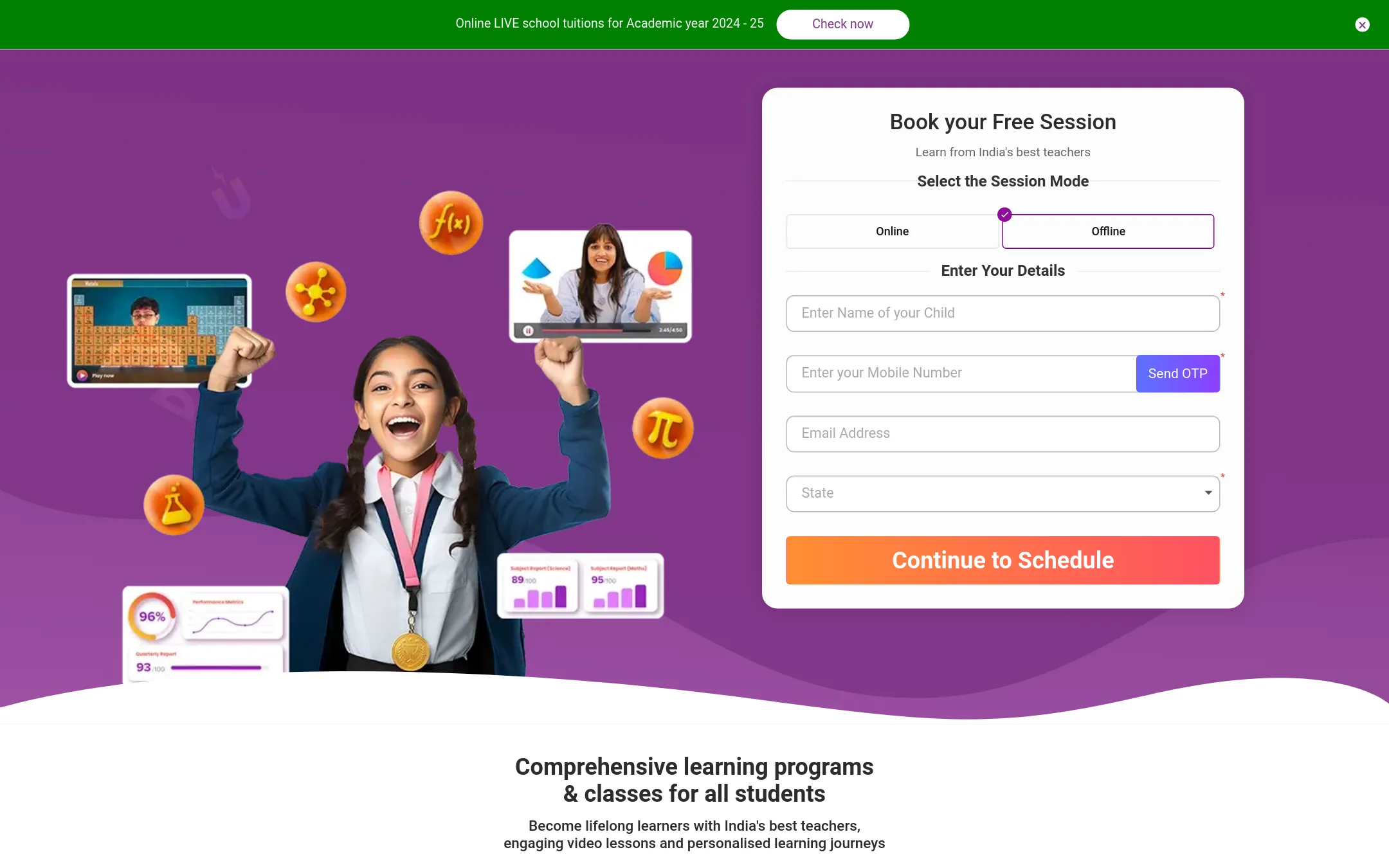
BYJU'S is a large Indian ed-tech platform that offers personalized learning programs for K-12 and competitive exams like JEE and NEET. It uses knowledge graphs covering over 1 lakh concepts to adapt to each student, and its 150+ million downloads and 3.5 million paid subscriptions show broad adoption.
Where it is strong
- Personalized learning journeys based on knowledge graphs
- Animated video lessons for conceptual clarity
- Live classes and doubt sessions with a two-teacher model
Where it falls short
- Pricing not disclosed, so budgeting is unclear
- Focused on Indian curriculum and exams, not general language learning
- Pricing:
- Pricing is not published on the site.
- Not published
12.Speak
Best for: Learners who want to focus on spoken fluency and real conversation practice rather than grammar drills.
- Pricing
- Not published
- Category
- Education
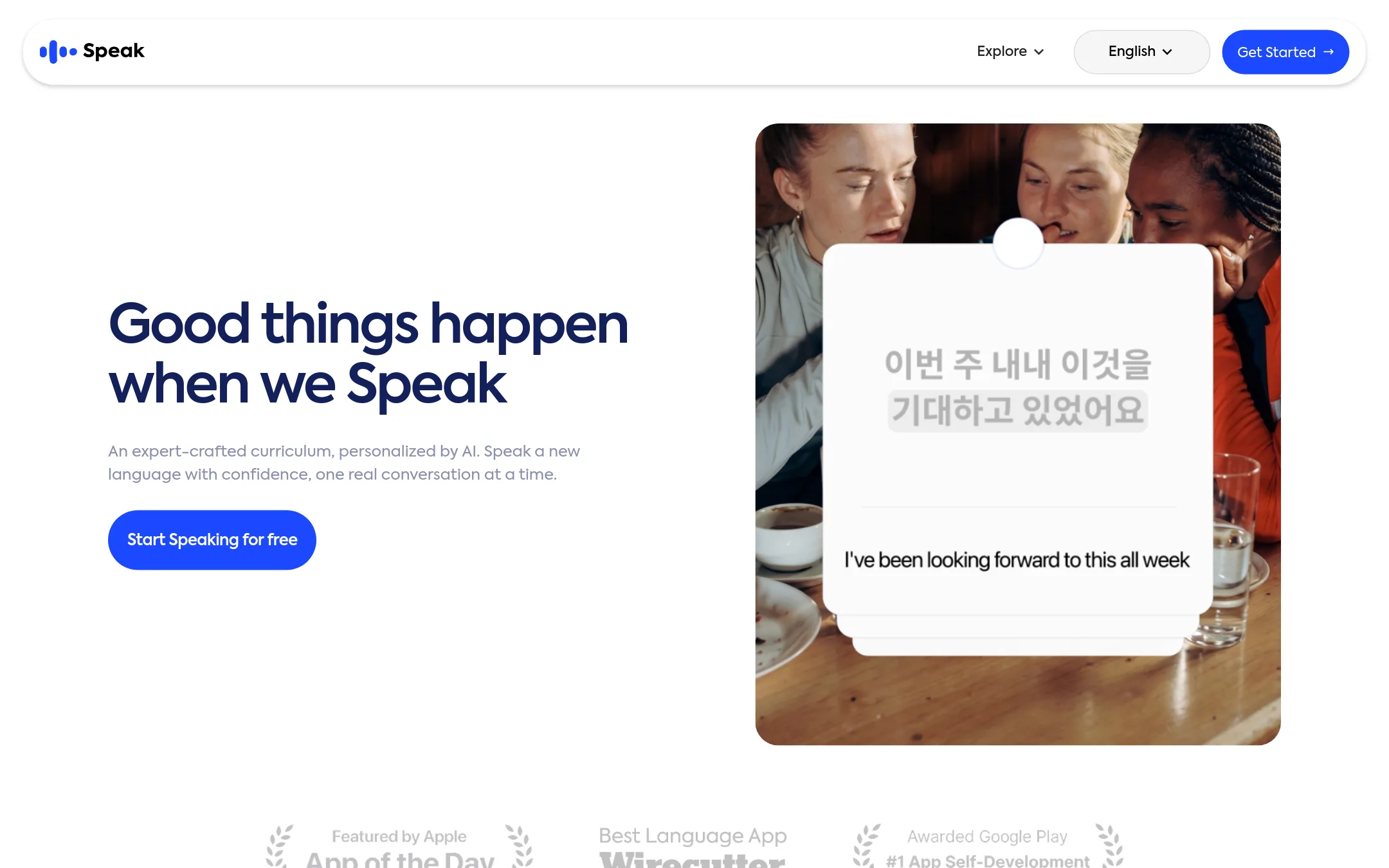
Speak is an AI-powered language tutor that gets you speaking from day one. It uses a three-step method: learn phrases native speakers use, practice them until natural, then apply them in real back-and-forth dialogue with the AI tutor. Lessons are built by language experts and personalized by AI, covering seven languages.
Where it is strong
- Focuses on real phrases native speakers use, not textbook sentences
- AI tutor provides real back-and-forth conversation with feedback
- Available in seven languages including Korean, Japanese, and French
Where it falls short
- Pricing is not listed, so cost is unclear
- May not suit learners who prefer structured grammar lessons
- Pricing:
- Pricing is not published on the site.
How to choose Language Learning Apps
Pricing structure is a key factor. Some apps like Memrise offer a free plan with a yearly PRO subscription, while others like LingQ and SuperMemo do not publish pricing, making it hard to budget. Consider whether you need unlimited speaking practice or offline access, as these often require paid tiers.
Who the app is built for matters. CleverDeck is iOS-only, while Lingt targets teachers and schools with student management. Babbel and Rosetta Stone serve individuals, teams, and schools, but Memrise is aimed at individual learners without team admin features. Choose an app that matches your audience, whether you are a solo learner, a teacher, or a business.
Integrations and content sources vary. LingQ lets you import your own podcasts and books, while Memrise offers exam-aligned prep for IELTS and GCSE. If you need specific content like exam preparation or native speaker videos, check that the app provides it. For schools, Lingt integrates with drag-and-drop assignment building and student submissions.
Data and compliance are relevant for schools and enterprises. Lingt offers permanent storage and a dedicated URL on paid plans, which may address data retention needs. Other apps like Babbel and Rosetta Stone do not publish specific compliance details, so verify if you have strict data requirements.
Support and contract terms differ. Lingt provides priority support on its teacher plan, while others like Drops and Speak do not list support options. For long-term use, check if the app offers yearly renewals, like Memrise, or requires contacting sales for school pricing, as with Lingt.
FAQ
Questions about Language Learning Apps
What is the best language learning app for beginners?
Babbel is a strong choice for beginners because it focuses on practical conversation skills with short, interactive lessons and speech recognition. Rosetta Stone also works well with its immersive Dynamic Immersion method that teaches through context and repetition. Both offer structured paths to get you speaking quickly.
Are there free language learning apps?
Yes, several apps offer free plans. Memrise has a free plan with limited speaking practice, and Drops gives free access to all 55+ languages with a 5-minute daily session limit. Lingt offers a free plan for teachers with 20 students and 10 assignments, but most apps require a paid subscription for full features.
Which app is best for learning vocabulary quickly?
Drops is designed for quick vocabulary learning with 5-minute visual games and mnemonic images, covering over 5,000 words across 55+ languages. CleverDeck also offers structured spaced repetition with pre-built 3000-word decks, but it is only available on iPhone. Both focus on vocabulary rather than grammar or conversation.
Can I use these apps for exam preparation?
Yes, Memrise offers exam-aligned prep for IELTS, GCSE, A-Level, IB, and CEFR, making it suitable for formal exams. EduRev and BYJU'S are tailored for Indian school and competitive exams like UPSC, NEET, and JEE, but they are not general language learning tools. For language exams specifically, Memrise is the most relevant.
Do any apps work offline?
CleverDeck works fully offline after caching, which is useful for travel or areas with poor connectivity. Drops requires Premium for offline access, and LingQ does not specify offline capabilities. Check the app's pricing page to see if offline mode is included in the free or paid tier.
Last updated October 21, 2026.