12 Best Payment Platforms in 2026
Compared from each product’s own site · Updated October 9, 2026
The short answer
For most startups, Stripe is the strongest pick because it combines global payment acceptance, flexible billing, and embedded financial services in one platform. Large enterprises with high transaction volumes and multi-channel needs should choose Adyen for its unified payment stack and banking licenses. Indian businesses or global sellers targeting India should pick Razorpay for its local payment methods, payroll, and banking features. These three stand out in the payment platforms category for their breadth, reliability, and fit for specific business types.
The shortlist, at a glance.
Read the comparisons ↓| Product | Best for | Pricing |
|---|---|---|
 StripeEconomic infrastructure for the internet. StripeEconomic infrastructure for the internet. | Startups and platforms that need global payment acceptance, flexible billing, and embedded financial services from day one. | Custom quote |
 AdyenEnterprise fintech platform for unified payments, data, and financial products. AdyenEnterprise fintech platform for unified payments, data, and financial products. | Large enterprises and platforms that need a unified payment stack with global reach, embedded financial products, and high reliability. | Per transaction, no mo |
 RazorpayIndia's only full-stack financial solutions company for businesses. RazorpayIndia's only full-stack financial solutions company for businesses. | Indian businesses and global sellers needing a single platform for online payments, payroll, and banking, especially those processing high volumes. | From 2.70% + $0.30 |
 PayPalThe smarter way to pay, send money and earn rewards securely PayPalThe smarter way to pay, send money and earn rewards securely | Online businesses that want to accept payments from customers worldwide with minimal setup and no coding. | Not published |
 GoCardlessWe’re building the world’s bank payment network. GoCardlessWe’re building the world’s bank payment network. | Subscription businesses and invoice-based teams that want to cut card fees and automate bank-to-bank collections. | From 0.5% + $0.05/txn |
 SafepayDigital payments for businesses in Pakistan SafepayDigital payments for businesses in Pakistan | Businesses in Pakistan that need to accept local and international payments, manage subscriptions, and optimize routing across multiple gateways. | 2.9% + Rs 30/transacti |
 BalanceThe first digital payment experience company, built for B2B. BalanceThe first digital payment experience company, built for B2B. | B2B marketplaces and sellers that want to offer flexible net terms without taking on credit risk or manual AR work. | Not published |
 AtratoEnabling consumers split the cost of purchases without a credit card AtratoEnabling consumers split the cost of purchases without a credit card | Mexican merchants in furniture, appliances, or similar high-ticket retail who want to offer installment credit to customers without a credit card. | Not published |
 BraintreePayments infrastructure for online businesses BraintreePayments infrastructure for online businesses | Online businesses that need a global payment platform with support for PayPal, Venmo, and local payment methods, plus payouts in multiple currencies. | Not published |
 FlowgladThe payment processor for natural language software FlowgladThe payment processor for natural language software | Teams running AI agents that need to handle payments and financial data with human oversight and audit trails. | Not published |
 RebillPayment infrastructure designed for LATAM. RebillPayment infrastructure designed for LATAM. | Companies expanding into Latin America that need to accept local payment methods and manage recurring billing across multiple countries. | Per transaction, no fe |
 MollieOnline and in-person payments built for businesses of every size MollieOnline and in-person payments built for businesses of every size | Businesses of any size that want straightforward per-transaction pricing and support for European payment methods like iDEAL and SEPA. | From 1.8% + €0.25 |
- StripeCustom quoteStartups and platforms that need global payment acceptance, flexible billing, and embedded financial services from day one.
- AdyenPer transaction, no moLarge enterprises and platforms that need a unified payment stack with global reach, embedded financial products, and high reliability.
- RazorpayFrom 2.70% + $0.30Indian businesses and global sellers needing a single platform for online payments, payroll, and banking, especially those processing high volumes.
- PayPalNot publishedOnline businesses that want to accept payments from customers worldwide with minimal setup and no coding.
- GoCardlessFrom 0.5% + $0.05/txnSubscription businesses and invoice-based teams that want to cut card fees and automate bank-to-bank collections.
- Safepay2.9% + Rs 30/transactiBusinesses in Pakistan that need to accept local and international payments, manage subscriptions, and optimize routing across multiple gateways.
- BalanceNot publishedB2B marketplaces and sellers that want to offer flexible net terms without taking on credit risk or manual AR work.
- AtratoNot publishedMexican merchants in furniture, appliances, or similar high-ticket retail who want to offer installment credit to customers without a credit card.
- BraintreeNot publishedOnline businesses that need a global payment platform with support for PayPal, Venmo, and local payment methods, plus payouts in multiple currencies.
- FlowgladNot publishedTeams running AI agents that need to handle payments and financial data with human oversight and audit trails.
- RebillPer transaction, no feCompanies expanding into Latin America that need to accept local payment methods and manage recurring billing across multiple countries.
- MollieFrom 1.8% + €0.25Businesses of any size that want straightforward per-transaction pricing and support for European payment methods like iDEAL and SEPA.
Pricing is a snapshot from each product’s website on the date shown; check the site before you decide. A verified badge means a verified listing, not a ranking.
About Payment Platforms
Payment platforms are software services that let businesses accept money from customers, manage subscriptions, and handle payouts. They handle the technical work of connecting to banks, card networks, and local payment methods, so you can focus on selling. Some also offer fraud protection, invoicing, and financial management tools beyond basic payments.
The products on this list differ in their target customers, geographic focus, and pricing models. Stripe and Adyen target global businesses but at different scales, with Stripe suited for startups and Adyen for large enterprises. Razorpay and Safepay focus on specific countries, India and Pakistan, while Mollie and GoCardless emphasize European payment methods. Pricing ranges from transparent per-transaction fees, as with Mollie and GoCardless, to custom quotes that require sales calls, as with PayPal and Balance.
The 12 best Payment Platforms, compared
1.Stripe
Best for: Startups and platforms that need global payment acceptance, flexible billing, and embedded financial services from day one.
- Pricing
- Custom quote
- Category
- Finance & Accounting
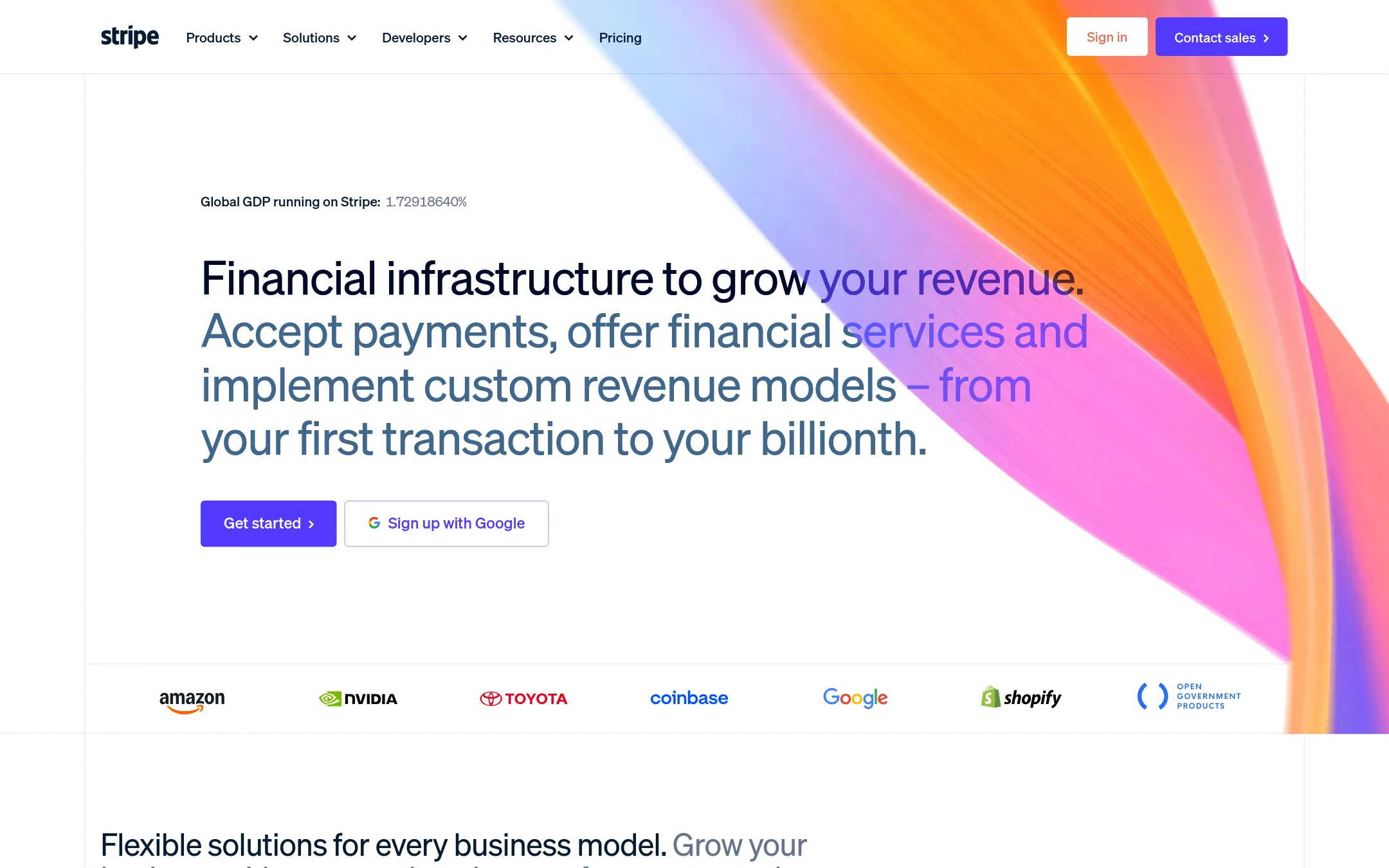
Stripe is a financial services platform for accepting payments, building billing models, and managing money movement. It processed US$1.9tn in payments volume in 2025 and supports 135+ currencies and payment methods, with 99.999% historical uptime. It also manages 200M+ active subscriptions on Stripe Billing.
Where it is strong
- Supports 135+ currencies and payment methods globally.
- 99.999% historical uptime, with 99.9999% during Black Friday 2025.
- Handles 200M+ active subscriptions on Stripe Billing.
Where it falls short
- Pricing is not fully transparent. Custom quotes required for many features.
- Dispute fees apply per received dispute and per manual response, which can add up.
- Pricing:
- Standard pricing for cards issued in India: Mastercard and Visa domestic debit cards have an MDR of 0.4% capped at ₹200. International cards have separate rates, and disputes cost a fee per received dispute plus a manual response fee. Custom pricing is availab
2.Adyen
Best for: Large enterprises and platforms that need a unified payment stack with global reach, embedded financial products, and high reliability.
- Pricing
- Per transaction, no mo
- Category
- Finance & Accounting
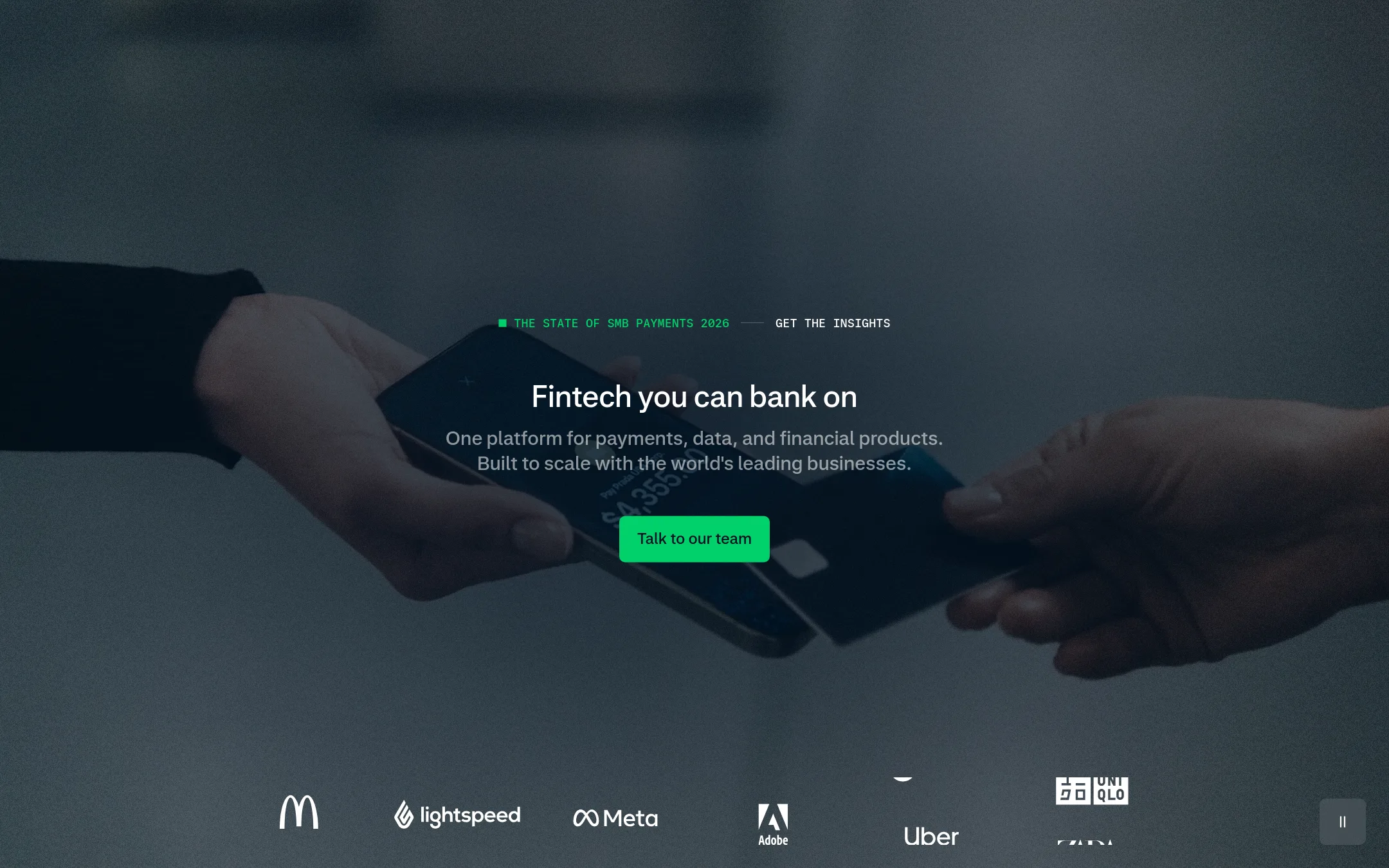
Adyen is a single platform for payments, data, and financial products, built for large enterprises. It processes over €1.4 trillion annually and holds banking licenses in the US, UK, and EU, which adds credibility for high-volume, regulated businesses. Its one API supports multiple channels and use cases, making it a strong choice for companies that need to scale globally.
Where it is strong
- 99.999% historical uptime
- Backed by US, UK, and EU banking licenses
- Single API for payments, payouts, and embedded financial products
Where it falls short
- Pricing is not fully transparent. Custom quotes required for many industries
- Not suited for small businesses or startups with low transaction volumes
- Pricing:
- Pricing is per transaction with a fixed processing fee plus a method-specific fee, and no setup or monthly fees. Interchange++ pricing passes interchange fees directly to you. Indicative rates include 1% (min €0.12) for physical goods and 2% (min €0.12) for di
3.Razorpay
Best for: Indian businesses and global sellers needing a single platform for online payments, payroll, and banking, especially those processing high volumes.
- Pricing
- From 2.70% + $0.30
- Category
- Finance & Accounting
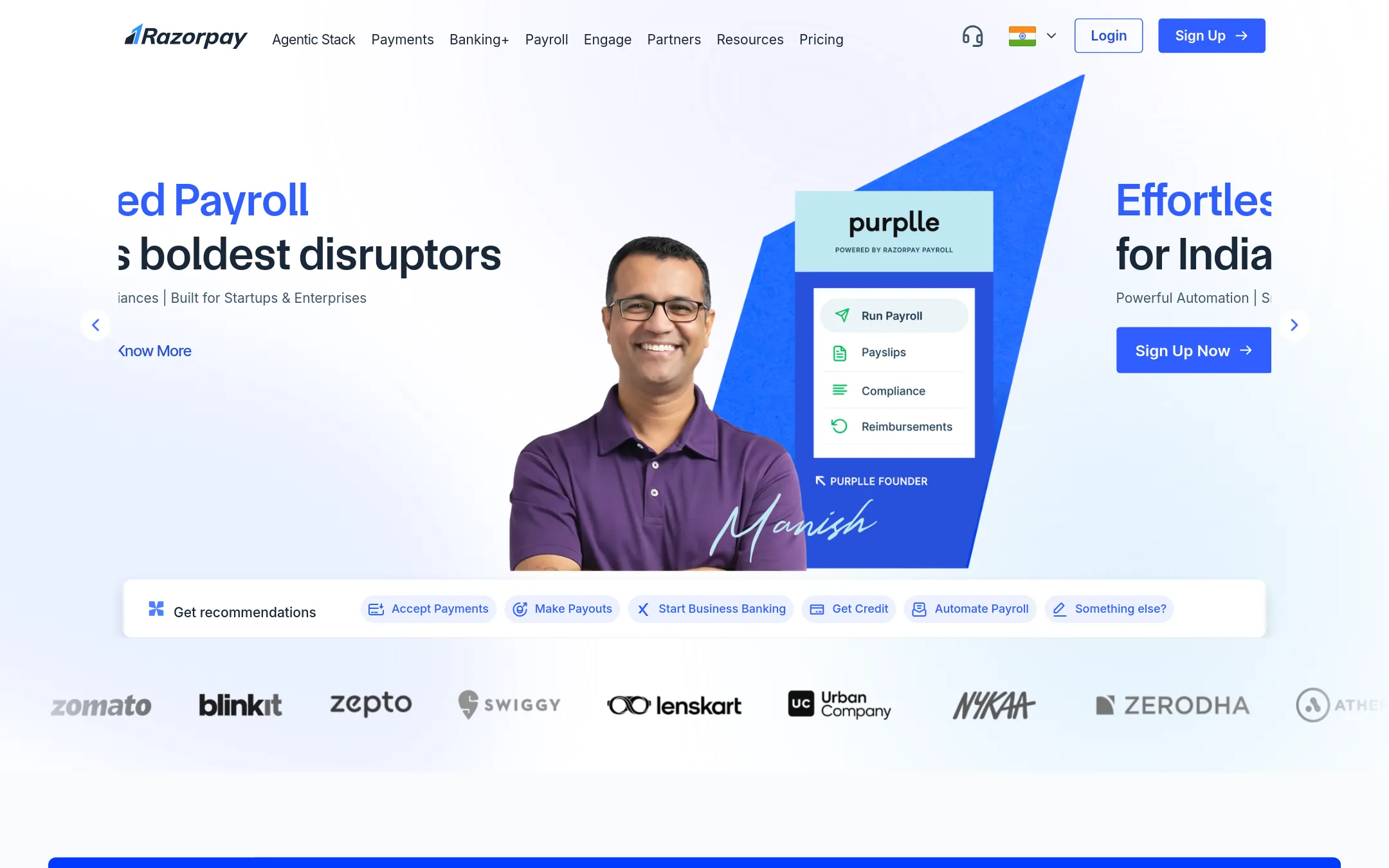
Razorpay is a full-stack financial platform for businesses in India, covering online payments, payroll, banking, and in-store POS. It supports 100+ payment methods and international payments from 180+ countries, making it a credible choice for companies selling in India or expanding globally.
Where it is strong
- Supports 100+ payment methods including UPI, Rupay, and netbanking.
- Includes payroll, banking, and POS in one platform.
- International payments from 180+ countries without an India entity.
Where it falls short
- Pricing for international cards adds 1.2% on top of the card rate.
- Buy Now, Pay Later is not yet available.
- Pricing:
- Standard plan starts at 2.70% + $0.30 per card transaction, with volume-based discounts and custom enterprise pricing for businesses processing $12M+ annually.
4.PayPal
Best for: Online businesses that want to accept payments from customers worldwide with minimal setup and no coding.
- Pricing
- Not published
- Category
- Finance & Accounting
PayPal Open is a global payments platform that lets you accept payments in 130+ currencies from 200+ markets. It includes checkout, invoicing, recurring payments, and fraud protection, making it a credible choice for businesses that want to sell internationally without building their own payment infrastructure.
Where it is strong
- Accepts payments in 130+ currencies from 200+ markets
- Includes invoicing, payment links, and recurring payments
- Seller Protection helps guard against fraud
Where it falls short
- Pricing is not transparent on the site
- May not suit businesses needing advanced custom checkout flows
- Pricing:
- Pricing is not published on the site.
5.GoCardless
Best for: Subscription businesses and invoice-based teams that want to cut card fees and automate bank-to-bank collections.
- Pricing
- From 0.5% + $0.05/txn
- Category
- Finance & Accounting
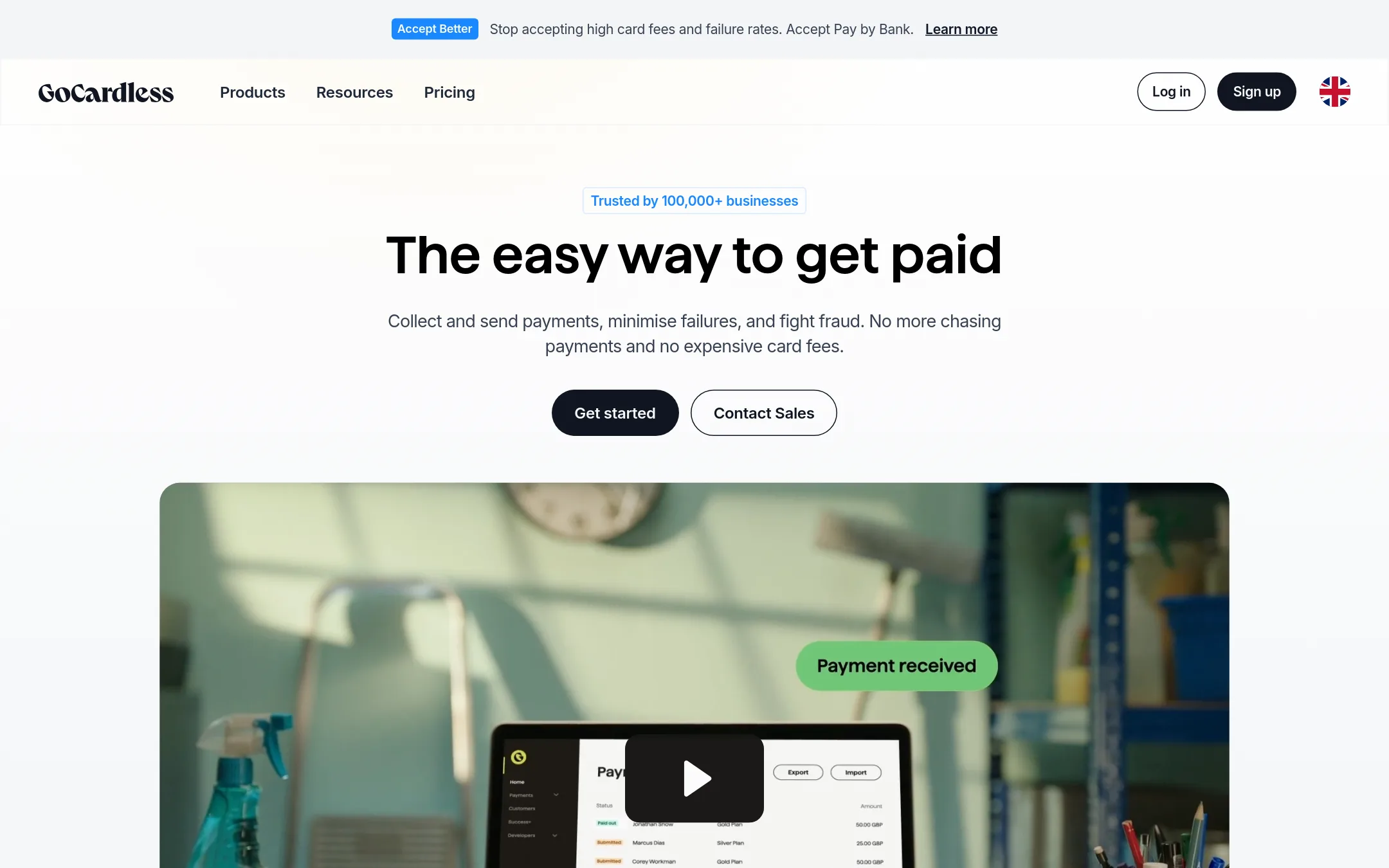
GoCardless lets you collect one-off and recurring payments directly from bank accounts, avoiding card fees. It supports international collections from 30+ countries and integrates with 350+ tools like Xero and QuickBooks. The platform automatically retries failed payments, recovering up to 70% of them.
Where it is strong
- Lower fees than typical card processing
- Automates recurring billing via Direct Debit
- Integrates with 350+ accounting and CRM tools
Where it falls short
- No instant settlement for all payment types
- Chargeback fees apply if you exceed 15 per month
- Pricing:
- Standard is 0.5% + $0.05 per transaction, capped at $5. Advanced is 0.75% + $0.05, capped at $6.25. Pro is 0.9% + $0.05, capped at $7. International fees are 1.5% to 1.9% + $0.05. Prices exclude sales tax.
6.Safepay
Best for: Businesses in Pakistan that need to accept local and international payments, manage subscriptions, and optimize routing across multiple gateways.
- Pricing
- 2.9% + Rs 30/transacti
- Category
- Finance & Accounting
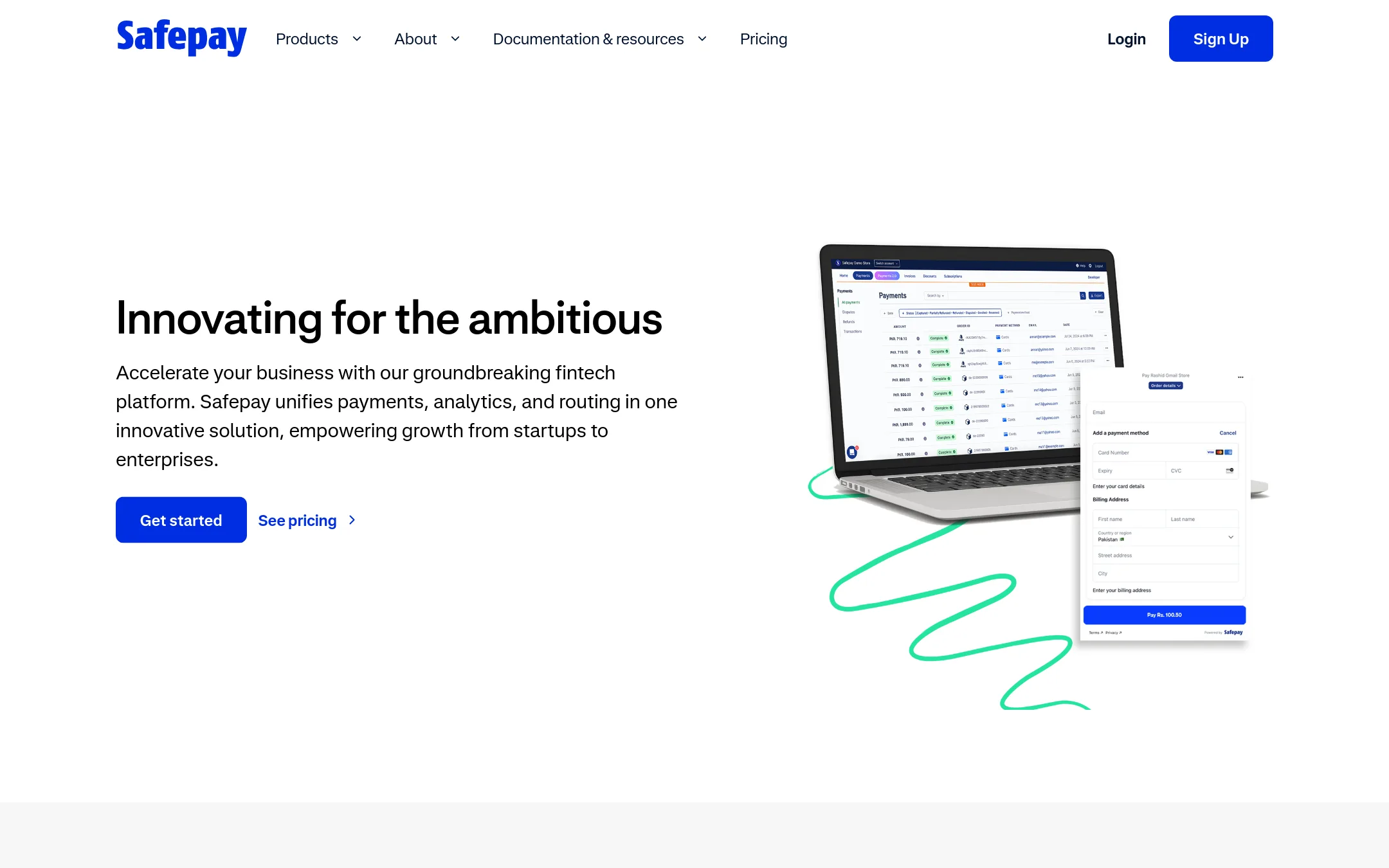
Safepay is a regulated payment service provider in Pakistan that combines payment processing, analytics, and financial management in one platform. It supports checkout forms, payment links, subscriptions, and payment orchestration to route transactions, and is backed by Y Combinator and Stripe.
Where it is strong
- Regulated by the State Bank of Pakistan
- Supports local methods like Raast and 7 major currencies
- Payment orchestration to route transactions and reduce costs
Where it falls short
- Pricing for custom plans is not published
- Routing feature requires an additional Rs 15,000 fee
- Pricing:
- Standard plan at 2.9% + Rs 30 per transaction. Custom routing at Rs 15,000.
7.Balance
Best for: B2B marketplaces and sellers that want to offer flexible net terms without taking on credit risk or manual AR work.

- Pricing
- Not published
- Category
- Finance & Accounting
Balance provides financial infrastructure for B2B commerce, letting sellers offer net terms up to 90 days while offloading credit risk and AR overhead. It uses AI underwriting and automates the full order-to-cash cycle, including invoicing, collections, and cash application. The platform supports white-label experiences and integrates with marketplaces, making it credible for B2B teams.
Where it is strong
- Offers digital trade credit up to net 90 days
- AI underwriting reduces credit risk for sellers
- Automates invoicing, collections, and cash application
Where it falls short
- Pricing is not published, so budgeting requires a sales call
- Focus is on B2B, so not suited for consumer or retail payments
- Pricing:
- Pricing is not published on the site.
8.Atrato
Best for: Mexican merchants in furniture, appliances, or similar high-ticket retail who want to offer installment credit to customers without a credit card.
- Pricing
- Not published
- Category
- Finance & Accounting
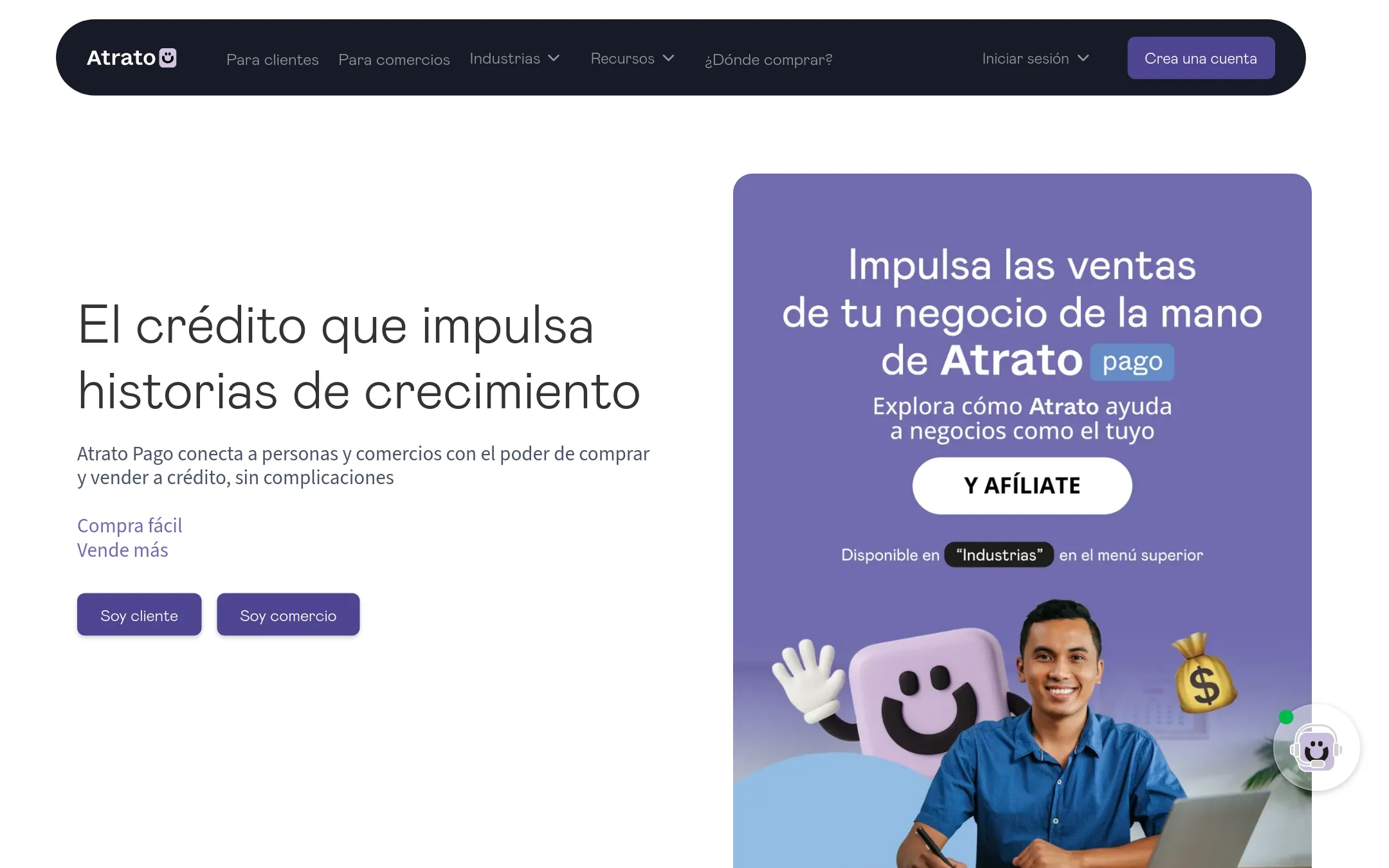
Atrato is a Mexican fintech that lets shoppers split purchases into installments without a credit card, with credit up to 200,000 MXN and up to 24 months to pay. Merchants can join free to offer this financing and get paid quickly without risk, and the company is regulated by PROFECO.
Where it is strong
- Customers can get credit up to 200,000 MXN with approval in minutes
- Merchants join free and receive fast, secure payments with no chargebacks
- Regulated by PROFECO, adding trust for users
Where it falls short
- No pricing details are published, so cost to merchants is unclear
- Only available in Mexico, limiting use to that market
- Pricing:
- Pricing is not published on the site.
9.Braintree
Best for: Online businesses that need a global payment platform with support for PayPal, Venmo, and local payment methods, plus payouts in multiple currencies.
- Pricing
- Not published
- Category
- Finance & Accounting
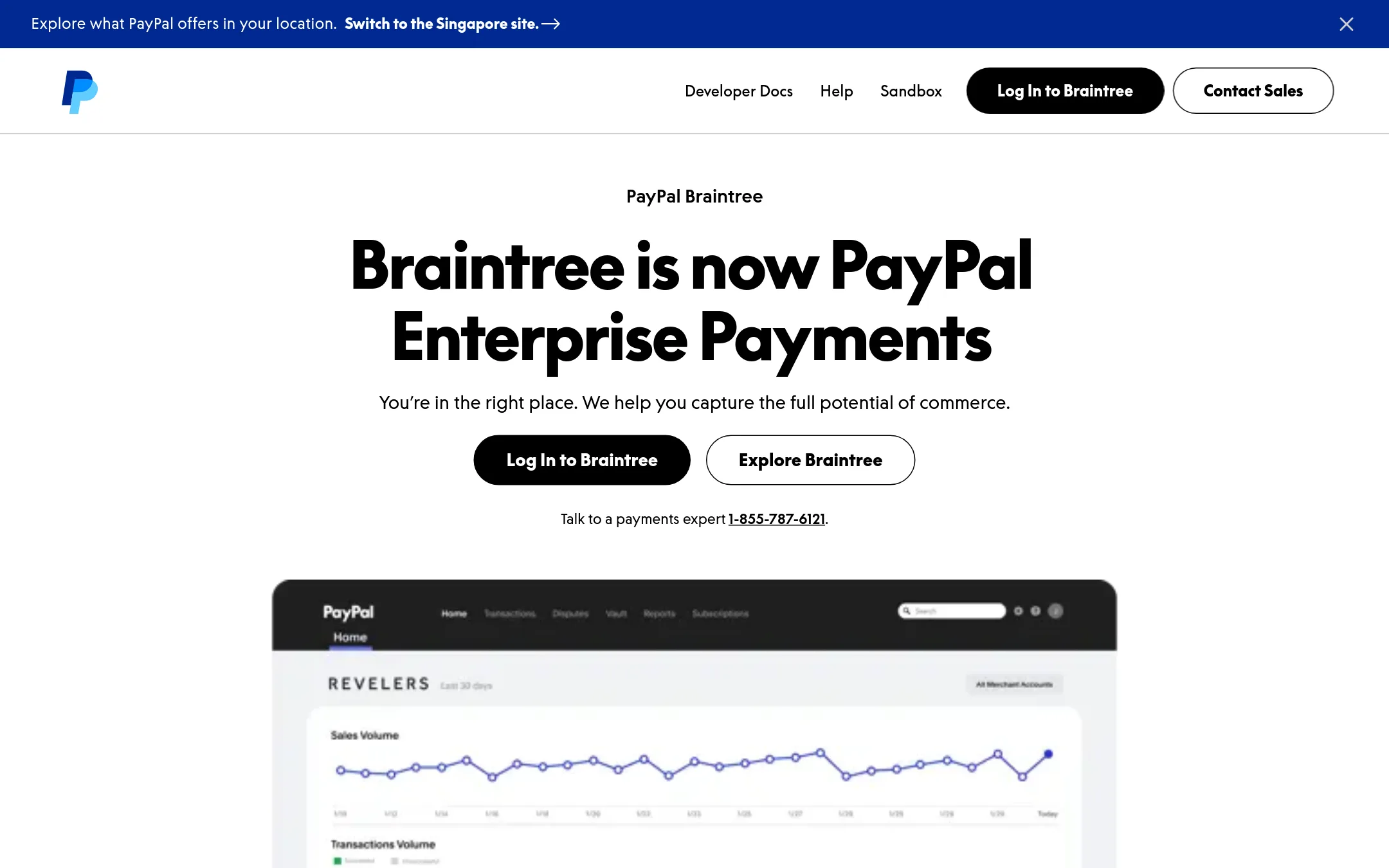
Braintree, now PayPal Enterprise Payments, is a global payment processing platform that handles end-to-end checkout, from accepting payments to managing risk and making payouts. It supports PayPal, Venmo, cards, and digital wallets, and can send payouts to 200+ markets in 50+ currencies, making it a credible pick for businesses with international needs.
Where it is strong
- Supports PayPal, Venmo, cards, and wallets like Apple Pay and Google Pay
- Payouts to 200+ markets in 50+ currencies
- Level 1 PCI DSS compliant with adaptive fraud management
Where it falls short
- Pricing not listed, so you must contact sales for a quote
- May be overkill for small businesses that only need basic card processing
- Pricing:
- Pricing is not published on the site.
10.Flowglad
Best for: Teams running AI agents that need to handle payments and financial data with human oversight and audit trails.
- Pricing
- Not published
- Category
- Finance & Accounting
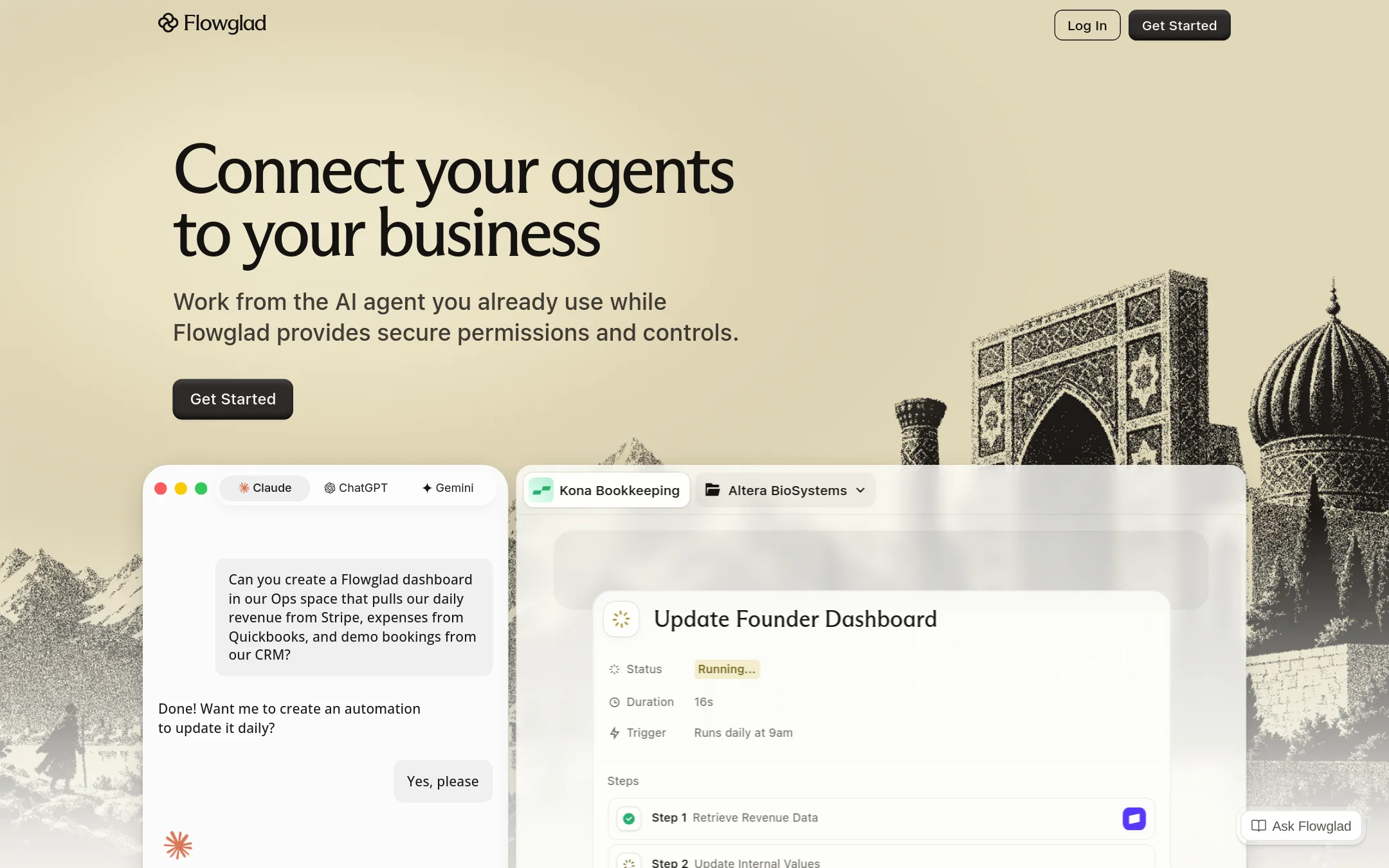
Flowglad is a payment processor designed for AI agents, letting them connect to your business apps like Stripe and QuickBooks with secure permissions. It stages actions for review before they hit the ledger, so you keep control over what your agents do. The dashboard example shows it can pull revenue, expenses, and bookings into one view automatically.
Where it is strong
- Connects AI agents to Stripe, QuickBooks, and CRM data
- Stages proposed actions for review before posting
- Tracks prior-period changes and flags discrepancies
Where it falls short
- No published pricing, so cost is unclear
- Requires trust in AI agent workflows, which may not suit all finance teams
- Pricing:
- Pricing is not published on the site.
11.Rebill
Best for: Companies expanding into Latin America that need to accept local payment methods and manage recurring billing across multiple countries.
- Pricing
- Per transaction, no fe
- Category
- Finance & Accounting
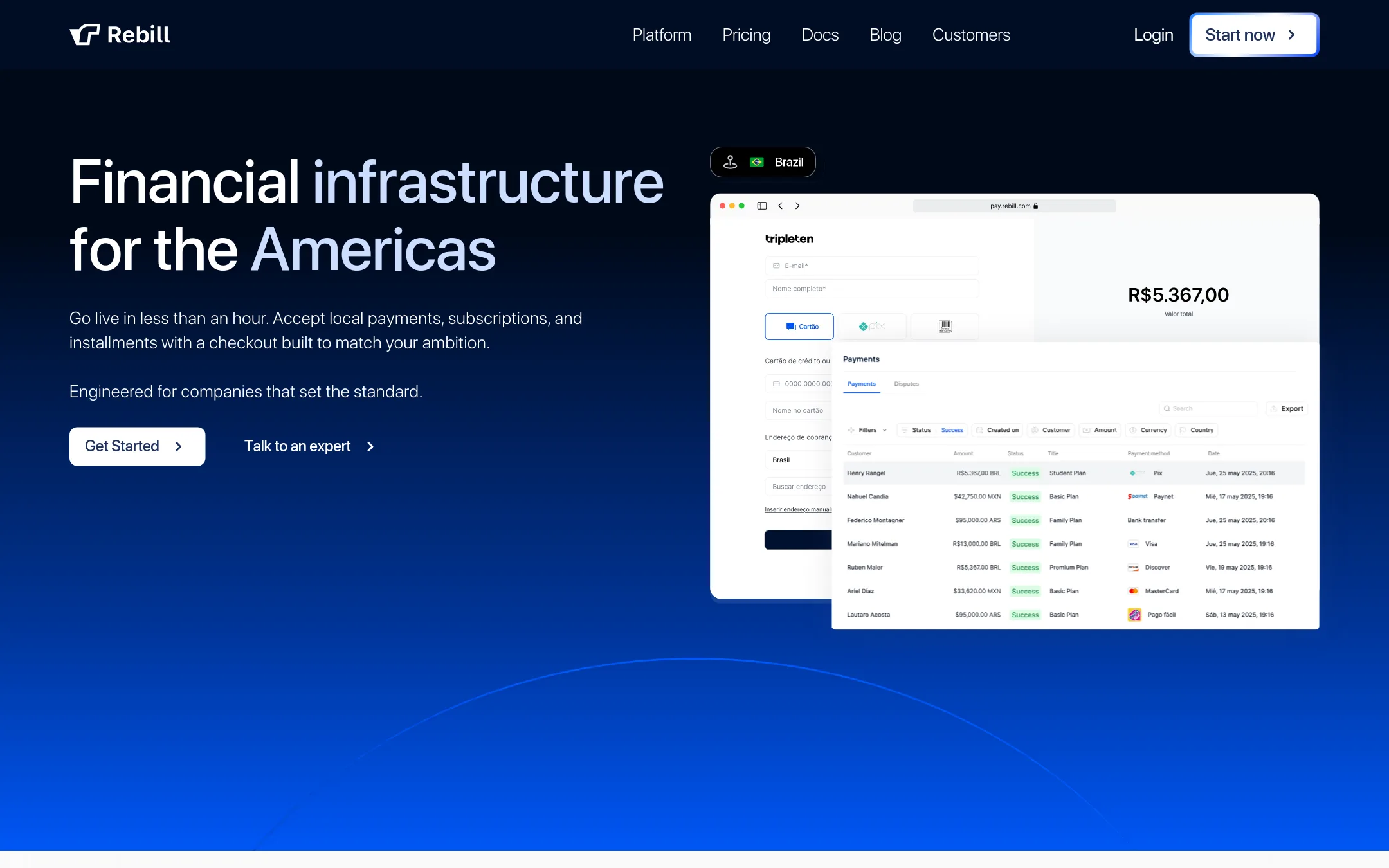
Rebill is payment infrastructure for companies operating in Latin America, offering a single integration to accept local payment methods across Mexico, Colombia, Brazil, Argentina, Chile, and Peru. It handles cards, bank transfers, wallets, and recurring billing, with features like intelligent retries that recover up to 71% of failed payments. The platform also provides customizable checkout, automated notifications, and smart routing.
Where it is strong
- Single integration covers six LATAM countries with local methods like PIX, SPEI, PSE, and Yape.
- Intelligent retries recover up to 71% of failed payments.
- Customizable checkout with A/B testing and automated WhatsApp, SMS, and email notifications.
Where it falls short
- Funds are only available 15 days after a transaction (30 days in Brazil), which may affect cash flow.
- Only registered companies are accepted, requiring legal documentation.
- Pricing:
- Pricing is per transaction with no hidden fees. Refunds cost $2 each, claims cost $15 each, and wire transfers cost $15 (free for amounts over $10,000).
12.Mollie
Best for: Businesses of any size that want straightforward per-transaction pricing and support for European payment methods like iDEAL and SEPA.
- Pricing
- From 1.8% + €0.25
- Category
- Finance & Accounting
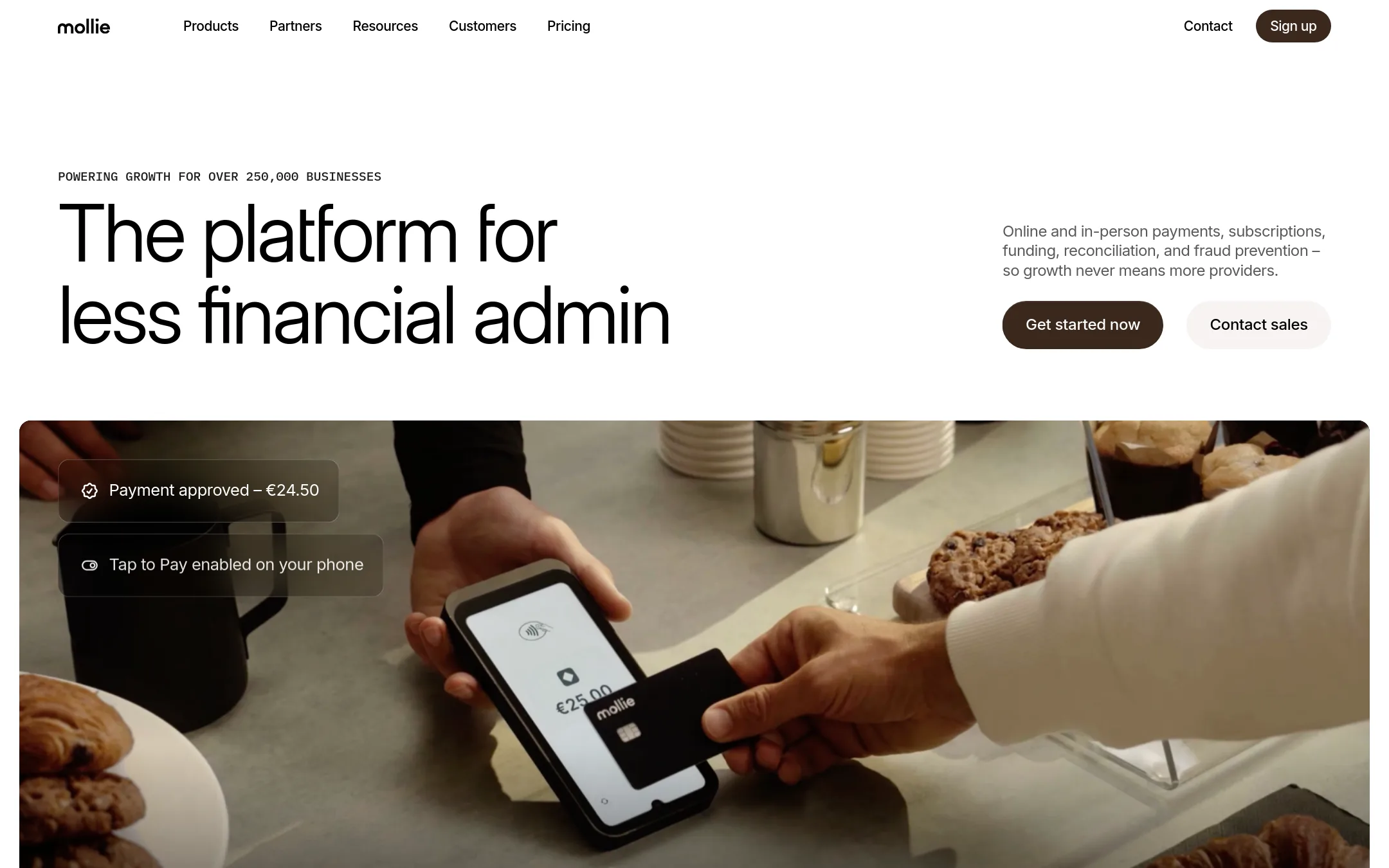
Mollie is a payment platform for online and in-person transactions, with transparent per-transaction pricing and no monthly fees. It supports major methods like Mastercard, Visa, and SEPA Direct Debit, and offers volume pricing for high-volume businesses. With over 250,000 businesses using it, it's a credible choice for startups and enterprises alike.
Where it is strong
- No monthly fees or lock-in contracts, pay only for successful transactions
- Supports Tap to Pay on iPhone and recurring payments
- Volume discounts and dedicated account manager for high-volume businesses
Where it falls short
- Pricing for non-EEA cards is higher at 3.25% + €0.25
- No published pricing for embedded platform features, requires contacting sales
- Pricing:
- Pricing is per successful transaction, such as 1.80% + €0.25 for EEA consumer Mastercard, €0.35 for SEPA Direct Debit, and €0.25 for SEPA Bank Transfer. Volume pricing is available for processing over €100,000 a month.
How to choose Payment Platforms
Pricing structure matters most. Some platforms publish clear per-transaction rates, like GoCardless at 0.5% plus $0.05 per transaction and Mollie at 1.80% plus €0.25 for EEA cards. Others, like Stripe and Adyen, require custom quotes for many features, which makes budgeting harder. Consider volume discounts, dispute fees, and hidden costs like chargebacks or refund fees, which Rebill charges $2 per refund and $15 per claim.
Think about who the platform is built for. Stripe and Adyen serve different scales, with Stripe ideal for startups and Adyen for large enterprises. Razorpay is built for Indian businesses, while Safepay serves Pakistan. Balance is designed for B2B sellers offering net terms, and Atrato targets Mexican high-ticket retail. Choose a platform that matches your business type and region, not just the biggest name.
Check integrations with your existing tools. GoCardless integrates with 350+ accounting and CRM tools like Xero and QuickBooks, which is useful for invoice-based teams. Flowglad connects AI agents to Stripe and QuickBooks, but requires trust in AI workflows. If you rely on specific software, verify that the payment platform works with it before committing.
Data and compliance are critical. Adyen holds banking licenses in the US, UK, and EU, which adds credibility for regulated industries. Braintree is Level 1 PCI DSS compliant, and Safepay is regulated by the State Bank of Pakistan. For international payments, check currency support: Stripe supports 135+ currencies, PayPal 130+, and Braintree payouts to 200+ markets. Make sure the platform meets your security and regulatory needs.
Finally, consider support and contract terms. Mollie has no lock-in contracts and no monthly fees, which is flexible for growing businesses. Adyen has no setup or monthly fees but requires custom quotes. Some platforms, like PayPal and Balance, do not publish pricing at all, so you must contact sales. For cash flow, note that Rebill holds funds for 15 days (30 in Brazil), which may affect your working capital.
How we chose and when this was updated
Each entry is written from the product's published website and pricing pages, using only the facts provided. Verified listings are marked, and the list is updated as products change their features or pricing. Last updated October 9, 2026.
Questions about Payment Platforms
What is the difference between a payment platform and a payment gateway?
A payment platform is a broader service that includes payment acceptance, billing, payouts, and sometimes financial products like payroll or banking. A payment gateway is just the technical connection between your website and the payment processor. Platforms like Stripe and Adyen combine both, while a gateway alone handles only the transaction routing.
How do payment platforms charge fees?
Most charge a percentage of each transaction plus a fixed fee, such as GoCardless at 0.5% plus $0.05 or Mollie at 1.80% plus €0.25. Some platforms like Adyen use interchange++ pricing, passing card network fees directly to you. Others, like PayPal and Balance, do not publish pricing and require a sales call for a quote.
Can I accept international payments with these platforms?
Yes, but the coverage varies. Stripe supports 135+ currencies and payment methods, PayPal accepts payments in 130+ currencies from 200+ markets, and Braintree can send payouts to 200+ markets in 50+ currencies. Regional platforms like Razorpay support international payments from 180+ countries, while Rebill covers six Latin American countries. Check each platform's currency and country list before choosing.
What should I consider for recurring billing or subscriptions?
Look for platforms with built-in subscription management. Stripe Billing handles 200M+ active subscriptions, and GoCardless automates recurring bank-to-bank collections with intelligent retries that recover up to 70% of failed payments. Rebill also supports recurring billing with retries that recover up to 71% of failed payments. Ensure the platform can handle your billing models, such as usage-based or tiered pricing.
Are there any hidden costs or contract terms I should watch out for?
Yes. Some platforms charge dispute fees, like Stripe's per-dispute fee plus a manual response fee, or Rebill's $15 per claim. GoCardless has chargeback fees if you exceed 15 per month. Rebill holds funds for 15 days (30 in Brazil), which affects cash flow. Mollie has no lock-in contracts, but others may require custom quotes or annual commitments. Always read the pricing page for fees beyond the transaction rate.